Best Cut Bait for Catfish Fishing
There's nothing quite like the thrill of a bending rod and the heavy pull of a big catfish on the line, but sometimes, figuring out the perfect bait can feel like solving a real puzzle. If you're tired of guessing which smelly concoction will lure in those whiskered beauties, and you want to ensure your next outing to an Oklahoma lake or river is a roaring success, you've absolutely come to the right place. This guide is all about breaking down the magic of cut bait for catfish and showing you exactly what works best here in our great state.
Understanding Why Cut Bait is a Catfish Magnet
Before we dive into the specific types of cut bait that will make your cooler heavy, let's talk about why cut bait is so incredibly effective for catfish, especially here in Oklahoma. Catfish are, by nature, scavengers and opportunistic predators. They're equipped with an incredible sense of smell and taste, far superior to many other fish species. Their barbels, or "whiskers," are packed with chemoreceptors that can detect even minute traces of scent in the water.
When you use cut bait, you're essentially creating a super-powered scent dispenser. The act of cutting open a fish releases blood, oils, and other bodily fluids into the water. This potent scent trail travels far and wide, acting like a beacon to hungry catfish. Unlike live bait, which might try to swim away or hide, cut bait just sits there, oozing deliciousness and making itself an irresistible target. It's the ultimate "come and get it" signal in the underwater world.
The Power of Scent and Oil
Think of it this way: a live shad might offer some scent, but a cut shad is like a burst of flavor in the water. The exposed flesh and internal organs amplify the scent immensely. Oily fish are particularly good for cut bait because their natural oils disperse readily in the water, carrying that enticing smell even further. This is why species like shad and certain carp are so highly prized; they're essentially scent grenades.
It's also about mimicking their natural diet. Catfish regularly feed on dead or dying fish. A piece of cut bait looks and smells exactly like a natural food source they'd encounter in the wild. Whether it's a smaller fish that got injured or simply expired, cut bait represents a readily available, easy meal. This instinctual draw is a huge part of its success, making it a go-to choice for anglers targeting various catfish species across Oklahoma's diverse waters.
Attracting Different Catfish Species
While the principle of scent applies to all catfish, different species tend to respond better to certain types of cut bait. Channel catfish are often keen on strong, almost rancid smells, while blue catfish, being larger and more predatory, prefer fresh, oily chunks. Flathead catfish are a bit of an anomaly; they strongly prefer live bait, but if you're going to use cut bait for them, it needs to be incredibly fresh and presented strategically. Understanding these nuances can significantly improve your catch rates, ensuring you're using the right bait for the right whisker critter.
Top Cut Baits for Oklahoma Catfish Species
Now for the good stuff! What are the absolute best cut baits you can use to entice those big Oklahoma catfish? We're talking about baits that have a proven track record across our lakes and rivers, from the massive expanse of Lake Texoma to the quiet bends of the Arkansas River.
Shad: The Undisputed King for Blues and Channels
If you talk to almost any serious catfisherman in Oklahoma, particularly those chasing blue catfish or channel cats, they'll likely tell you that fresh shad is king. And they're not wrong! Both gizzard shad and threadfin shad are absolute dynamite.
- Why it works: Shad are naturally oily, and when cut, they release a tremendous amount of blood and scent into the water. They are a primary forage fish in many Oklahoma reservoirs, making them a natural food source for blue and channel catfish. The oils they release create a long-lasting scent trail that draws fish from a distance.
- How to get it: The best way to get fresh shad is often to cast net them yourself from your chosen body of water. Early mornings in coves or around baitfish schools are often productive. If you can't net your own, many local bait shops might carry frozen shad, and sometimes you can even find pre-packaged frozen options available on platforms like Amazon. Just make sure it's as fresh as possible – thawed and refrozen multiple times isn't ideal.
- Best for: Absolutely phenomenal for trophy blue catfish and hungry channel catfish. You'll often find anglers using large chunks of gizzard shad when targeting those massive blues on Lake Texoma Fishing Guide for Oklahoma Anglers.
Perch and Sunfish: Flathead Favorites (With a Caveat)
This is where things get a little tricky, especially when it comes to flathead catfish. Flatheads are notorious for preferring live bait. However, if you're committed to using cut bait for flatheads, fresh perch, bluegill, or other sunfish species can sometimes tempt them.
- Why it works: For flatheads, the key isn't just scent but also texture and size. A large, fresh chunk of a robust fish like a bluegill or green sunfish can sometimes mimic a recently deceased meal. The denser flesh might appeal to them more than softer shad. For channel catfish, these can also be excellent, offering a different scent profile that might entice them on a slow day.
- How to get it: You'll need to catch these yourself using a smaller rod and reel or a cast net if permitted. Crucially, always check Oklahoma fishing regulations. Any fish used as cut bait must be legally caught, and it must adhere to all size and bag limits for that species. Using a game fish like a bluegill that doesn't meet the length requirement as bait is illegal. This is a common mistake that can lead to penalties for fishing without a license in Oklahoma.
- Best for: Occasionally for flathead catfish (when extremely fresh), but also a very good secondary option for channel catfish.
Carp and Buffalo: Tough, Oily, and Big
Common carp and buffalo species (like bigmouth buffalo) are often overlooked by some anglers, but they make fantastic cut bait, especially when you're targeting big blue catfish.
- Why it works: Carp and buffalo are tough, fatty, and produce a lot of strong, pungent oil when cut. This makes their scent trail incredibly long-lasting and appealing to large, hungry blues and channels. Their firm flesh also stays on the hook well, even in strong currents or with aggressive cast-and-retrieve techniques.
- How to get it: These can be caught by angling with corn or dough baits, or sometimes found in bait shops. You can also snag them in some areas, again, always checking local regulations.
- Best for: Excellent for large blue catfish and robust channel catfish, particularly in larger rivers and reservoirs where you might need a durable bait.
Here's a quick comparison of some popular cut baits:
| Cut Bait Type | Primary Target Species | Scent Level | Durability on Hook | Availability | Notes |
|---|---|---|---|---|---|
| Shad | Blue Catfish, Channel Catfish | Very High | Medium | Cast net, bait shops, frozen | Oily, natural forage, highly effective. |
| Sunfish (Perch) | Channel Catfish, (Flathead*) | Medium | High | Angling, cast net | *Must be legally caught, fresh is key for flatheads. |
| Carp/Buffalo | Blue Catfish, Channel Catfish | High | Very High | Angling, some bait shops | Tough, oily, great for large fish and current. |
| Mullet | Blue Catfish, Channel Catfish | High | High | Often frozen, specialty bait shops | Not native, but very oily and effective. |
Note: For flathead catfish, live bait is almost always preferred. If using cut bait, it must be exceptionally fresh.
Preparing and Presenting Your Cut Bait for Success
Having the best cut bait is only half the battle; knowing how to prepare and present it makes all the difference. A perfectly prepared piece of cut bait on the right rig can be irresistible, while a poorly presented piece might sit untouched.
Cutting Techniques: Maximizing Scent and Hook-Up Potential
How you cut your bait directly impacts its effectiveness. The goal is to maximize scent dispersion while ensuring the bait stays on the hook and allows for a solid hookset.
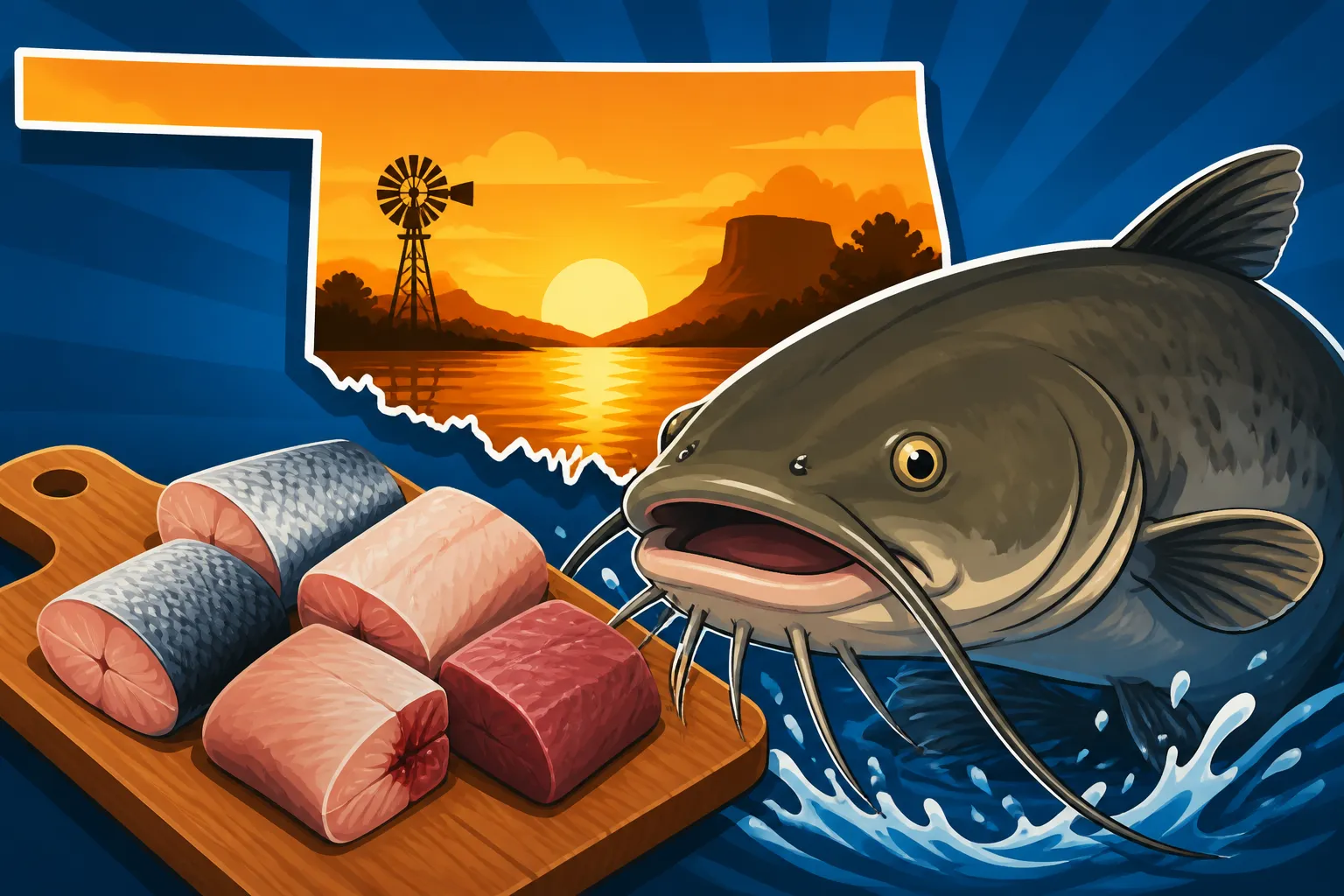
- Chunks: For most blue and channel catfish, especially larger ones, chunky pieces are ideal. Take a whole shad or carp, remove the head, and cut the body into 1- to 2-inch thick steaks. These pieces have skin, scales, bones, and exposed flesh, all contributing to a rich scent trail. You can even cut the head in half or butterfly it for extra scent.
- Strips: For smaller channel catfish or when fish are being finicky, thin strips of flesh (about 1/2 to 1 inch wide and 2-4 inches long) can be very effective. These flutter more naturally in the current and are easier for smaller fish to take whole.
- Fillets: If you're using larger fish like carp, you can sometimes fillet a side and then cut that fillet into chunks or strips. This provides a lot of exposed flesh, but you might lose some of the durability that comes with having skin and bone attached.
No matter the cut, aim for clean cuts. Ragged edges can sometimes work, but clean cuts usually hold up better on the hook. And don't forget the entrails! Many seasoned anglers will tell you that the guts from an oily fish are incredibly potent, especially for channel catfish. You can often include a piece of the gut with your chunk bait.
Hooking and Rigging: The Right Setup Matters
Once your bait is cut, getting it on the hook correctly is paramount.
- Hooking the Bait: For chunks, thread the hook through the meat so the barb is exposed and clear. If you're using a large chunk of shad, sometimes pushing the hook through the backbone helps keep it secure. For strips, thread the hook through one end multiple times, leaving the rest of the strip to flutter. The key is to ensure the hook point is fully exposed for a good hookset, which is crucial for catfish. This is particularly important when using circle hooks, which are designed to set themselves in the corner of the fish's mouth without you having to yank on the rod. You can often find a great selection of hooks, including large circle hooks, on Amazon.
- Rigging for Success:
- Carolina Rig/Slip Sinker Rig: This is perhaps the most common and versatile rig for cut bait. It involves a main line, a slip sinker (egg sinker or no-roll sinker), a swivel, and a leader (fluorocarbon or monofilament) tied to your hook. The slip sinker allows the fish to pick up the bait and run without feeling the weight, which can be critical for wary fish. This rig is fantastic for bottom fishing in lakes or slow-moving rivers.
- Three-Way Swivel Rig: Ideal for stronger currents, this rig allows you to attach a weight to one eye of the swivel, your leader and hook to another, and your main line to the third. This keeps your bait closer to the bottom in flowing water.
- Float Rig (Bobber): Don't underestimate a good bobber rig, especially for suspended channel catfish or in shallower areas. Adjust the depth so your cut bait drifts naturally in the water column.
Remember to match your hook size to your bait size. A 5/0 to 8/0 circle hook is a good starting point for most catfish baits, but you might go larger for trophy blues.
Sourcing Your Cut Bait and Common Mistakes to Avoid
The journey to successful catfish angling with cut bait begins long before you cast your line. It starts with how you source your bait and ends with avoiding common pitfalls that can lead to a frustrating day on the water.
Where to Find Your Golden Bait
Securing quality cut bait is foundational. While some anglers prefer to buy, many of the most successful catfishermen in Oklahoma are self-sufficient when it comes to bait.
- Catching Your Own Bait: This is often the freshest and most economical option.
- Cast Netting: For shad, a cast net is your best friend. Look for shad schools in calm coves, around boat docks, or along main lake points, especially during cooler parts of the day. A good quality cast net is an essential piece of gear and can often be found with solid reviews on Amazon.
- Small Rod and Reel: For sunfish or smaller carp, a simple cane pole or light spinning rod with a small hook and a piece of worm or corn can yield plenty of bait. Remember, if you intend to use game fish as cut bait, they must be legally caught according to all Oklahoma's Bag Limit Rules by Species and regulations.
- Buying from Bait Shops: Many local bait shops in Oklahoma will carry frozen shad or other common baits. While not as fresh as self-caught, reputable shops usually have decent quality. Ask them when they got their last shipment and how it's been stored.
- Pre-packaged Options: Sometimes, you can find pre-packaged frozen mullet or other oily fish that make excellent cut bait. These can be convenient, especially if you're traveling a long distance to fish. Again, checking quality and freshness is key. Look for brands known for fishing bait, and read reviews if purchasing online.
Common Mistakes That Sink Your Success
Even with the best intentions and bait, minor errors can derail your catfish efforts.
- Using Stale or Old Bait: This is probably the biggest mistake. Cut bait must be fresh, or at least properly frozen and thawed once. Bait that has been left out in the sun, refrozen multiple times, or is simply too old loses its potent scent and appeal. Imagine trying to tempt a gourmet with stale bread – catfish are surprisingly discerning. Keep your bait on ice until you're ready to use it.
- Pieces Too Large or Too Small: A common issue for beginners. If your bait chunk is too large, smaller catfish might struggle to get it into their mouths, leading to missed bites. If it's too small, you might attract too many nuisance fish or miss out on larger trophy catches. For blue catfish over, say, 10 pounds, a 2-3 inch chunk of shad is usually appropriate. For channel cats, a 1-inch chunk or a 2-inch strip works well.
- Not Exposing the Hook Point: A dull or covered hook point is a recipe for missed fish. Make sure the barb is completely exposed and sharp. This is particularly crucial with those large, powerful catfish jaws. Many anglers carry a hook sharpener.
- Ignoring Local Regulations: We've touched on this, but it bears repeating. Always, always, always check the current Oklahoma fishing regulations. There might be specific rules about using certain fish as bait, especially game fish, or rules regarding bait collection methods. For example, some areas might have restrictions on cast netting. Stay informed to avoid fines or losing your fishing privileges. You can find comprehensive information on Fishing Regulations You Need to Know in Oklahoma.
- Fishing the Wrong Depths or Structures: Even the best cut bait won't work if it's not where the fish are. Pay attention to water depth, current, and structure. Are the catfish holding in deep channels, along ledges, or near submerged timber? Your rig and bait presentation should match the conditions. Learning about Catfish Fishing Techniques for Oklahoma Anglers can help refine your approach to different environments.
- Impatience: Catfishing, especially for big ones, often requires patience. You're waiting for that scent trail to work its magic. Don't be too quick to reel in and check your bait unless you suspect it's been stolen by smaller fish. Sometimes, letting the bait sit for 20-30 minutes, or even longer in some conditions, is what it takes.
By understanding the power of fresh, oily cut bait, learning how to properly prepare and present it, and avoiding common missteps, you'll dramatically increase your chances of landing some truly impressive catfish on your next Oklahoma fishing adventure. Tight lines!
Disclaimer
This article is for general informational purposes only and does not constitute professional advice. Laws, prices and regulations vary by location and change over time. Consult a qualified professional for guidance on your specific situation.