How to Troll for Walleye in Summer
Catching walleye in Oklahoma during the peak of summer can feel like trying to find a needle in a haystack – they've gone deep, spread out, and the heat makes everything tougher. If you’ve ever found yourself cruising across a vast reservoir like Grand Lake or Lake Tenkiller in July, wondering where on earth those elusive walleye went, you’re not alone. This comprehensive guide is all about equipping you with the precise trolling strategies and insights needed to consistently locate and land walleye, even when the Oklahoma summer sun is at its fiercest and they've retreated to the cooler depths.
Understanding Summer Walleye Behavior in Oklahoma
Summer heat drastically changes the behavior of walleye. Unlike the spring and fall when they might be found in shallower waters, the relentless Oklahoma summer pushes them into specific zones. If you understand why they move, you'll have a much better chance of figuring out where to find them. It's a game of hide-and-seek, and knowing their hiding spots is half the battle.
The Deep Dive: Why Walleye Go Down in Summer
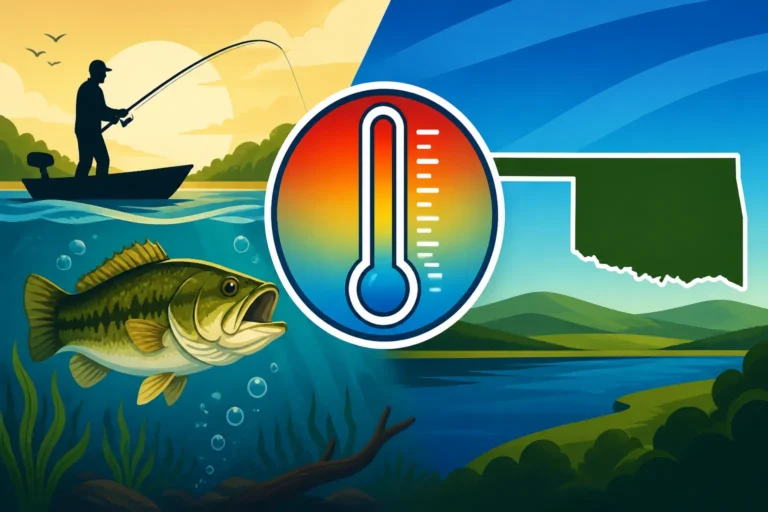
As the surface water temperatures soar in Oklahoma's reservoirs, a phenomenon called thermal stratification occurs. This means the lake water separates into layers: a warm upper layer (epilimnion), a middle layer where temperature changes rapidly (thermocline), and a cooler, deeper layer (hypolimnion). Walleye are cold-blooded creatures, and they seek out the cooler, more stable temperatures found below the thermocline. It's their version of air conditioning.
However, it's not just about temperature; oxygen levels also play a critical role. The deepest parts of many lakes, while cool, can become oxygen-depleted in summer due to decaying organic matter. This creates a "sweet spot" for walleye – typically just above, within, or just below the thermocline, where the water is cool enough and oxygen levels are still sufficient. This can be as shallow as 15-20 feet in some lakes or as deep as 40-50 feet in others, depending on the reservoir's depth, fertility, and shape. Figuring out this specific depth range is paramount for successful summer trolling.
Beyond temperature and oxygen, the walleye's diet also shifts and influences their location. The baitfish they prey on, like shad or minnows, are also seeking comfortable temperatures and food sources. Often, these baitfish will suspend in large schools near the thermocline, providing a buffet for hungry walleye. Understanding this delicate balance between temperature, oxygen, and forage is the first step in unlocking summer walleye success. It's frustrating to know they're there but not where exactly, and it often boils down to finding that perfect depth.
Prime Locations for Summer Walleye
Once you grasp why walleye go deep, the next step is identifying the types of underwater structures and areas they prefer. Oklahoma's vast reservoirs offer a myriad of options, from submerged river channels to expansive main lake points, and walleye will gravitate towards specific features that offer comfort and ambush opportunities. This is where your electronics become invaluable, helping you paint a picture of the underwater landscape. Knowing a few Best Walleye Fishing Spots in Oklahoma can certainly give you a head start.
Look for main lake points that drop off steeply into deeper water. These are often highways for walleye as they move between feeding areas and deeper sanctuaries. Submerged humps and islands, especially those with rock or gravel tops, are absolute magnets. Walleye will position themselves on the sides or crowns of these structures, waiting for baitfish to pass by. Creek channels and old river beds winding through the main lake basin also provide excellent trolling routes, as these often hold that critical cooler water and provide distinct travel corridors for fish. Don't overlook areas near dams or other sources of current, as moving water can concentrate baitfish and provide oxygen-rich environments that walleye appreciate. Many anglers have excellent success in areas like the lower end of Keystone Lake or the vastness of Lake Texoma, where these conditions are prevalent for various species.
Essential Trolling Gear for Oklahoma Walleye
Trolling for walleye in Oklahoma isn't just about throwing a line out; it's a specialized technique that requires specific gear to be effective. The right rods, reels, line, and lures are not just helpful – they are absolutely crucial for getting your bait to the correct depth, presenting it naturally, and handling those strong summer walleye bites. Don't let inadequate gear add to the frustration of chasing these fish.
Rods, Reels, and Line Selection
When it comes to trolling rods for walleye, you're looking for something that can handle the constant pressure of pulling lures, provide sensitivity to detect subtle bites, and absorb the shock of a strike without tearing the hook out. A medium-heavy power rod with a moderate or moderate-fast action, typically between 7 to 9 feet in length, is ideal. Longer rods help spread out lines when using multiple setups and absorb more shock. You can explore many suitable options on Amazon, comparing features and angler reviews to find the perfect match. For a broader overview, check out our guide on Best Rods and Reels for Oklahoma Fishing.
Pair these rods with line counter reels. These reels are a game-changer because they allow you to precisely measure how much line you've deployed, which directly correlates to your lure's depth. Consistency is key in trolling, and a line counter ensures you can replicate successful presentations once you find the walleye's preferred depth. For line, a strong braided main line (like 10-20 lb test) is excellent for its sensitivity and lack of stretch, which helps detect those light walleye bites. Attach a 10-20 foot fluorocarbon leader (8-12 lb test) to the braid. Fluorocarbon is nearly invisible underwater, providing the stealth needed for wary walleye, especially in the clearer waters of some Oklahoma lakes.
Lures and Baits: The Trolling Arsenal
Your choice of lure or bait is critical, as it needs to appeal to the walleye's summer preferences while also performing effectively at trolling speeds and depths. The two main categories you'll rely on are crankbaits and crawler harnesses. Many anglers stock up their tackle boxes for the season, finding a lot of their favorite brands available on Amazon for convenience.
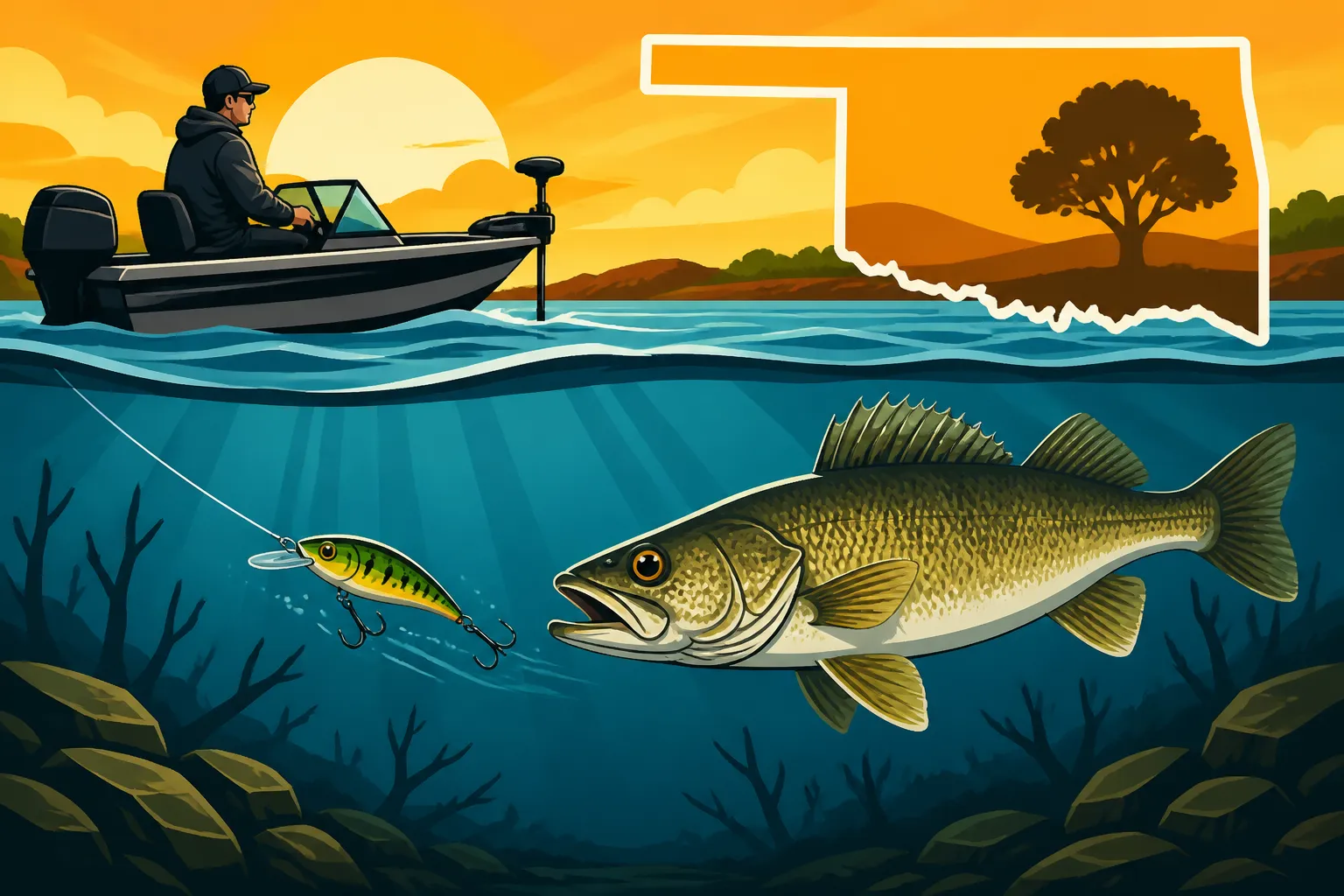
Diving crankbaits are a staple for summer walleye. These lures come in various shapes and sizes, each designed to dive to a specific depth at a given speed. You'll need an assortment that can reach different depths, from 10 feet down to 30 or even 40 feet. Look for models with thin bodies and tight wobbles, mimicking shad or other common baitfish. Popular colors often include chrome/blue, firetiger, purple/chartreuse, or natural baitfish patterns, but experimentation is key, as preferences can change daily. Consider different sizes as well; sometimes smaller baits are more effective, especially if the walleye are feeding on smaller forage.
Crawler harnesses are another incredibly effective option, particularly when walleye are a bit more lethargic or when you need a slower presentation. A crawler harness typically consists of a series of small blades (Colorado, Indiana, or Willowleaf styles) followed by a snell of hooks designed to hold a live nightcrawler. The blades create flash and vibration, attracting walleye. These are often fished with bottom bouncers or snap weights to get them to the desired depth. The natural scent and action of a live nightcrawler can be irresistible to walleye. You can also experiment with artificial scent additives or soft plastic worms on the harness for added appeal. The Best Lures for Walleye at Oklahoma Reservoirs often depend on the specific conditions you're facing.
Mastering Trolling Techniques for Summer Walleye
Once you have your gear ready and a basic understanding of walleye behavior, it's time to put it all into practice on the water. Trolling isn't just driving around; it's a nuanced art that involves precise depth control, varying presentations, and constant monitoring of your electronics. The goal is to present your lure exactly where the walleye are, in a way that triggers a strike.
Depth Control is King: How to Reach the Strike Zone
This cannot be stressed enough: if your lure isn't at the right depth, you won't catch walleye. In summer, they are often holding in a very specific thermal and oxygen band, and you need to get your bait right into that zone. For crankbaits, understanding their dive curves is essential. Most lure manufacturers provide a chart indicating how deep their baits run at various speeds and with different line types. Keep these charts handy! You can also use online resources or apps to calculate dive depths more precisely.
Beyond the lure's natural diving ability, you have several tools to fine-tune your depth. Snap weights, small lead weights that clip onto your line at a predetermined distance from the lure, can add significant depth. Lead core line, a specialized line with a lead core wrapped in a braided sheath, sinks at a predictable rate per color segment, allowing you to control depth by letting out more or less line. For some anglers, especially on larger, deeper reservoirs like Lake Texoma, downriggers are a precision tool that uses a heavy weight to carry your line and lure down to an exact, adjustable depth. Mastering these techniques will empower you to present your offerings in the optimal strike zone, drastically increasing your chances of a bite.
Patterning and Presentation
Once you've achieved the correct depth, the next step is to refine your presentation through patterning. This means figuring out what speed, action, and color the walleye are responding to on a given day. Trolling speed is paramount. Typically, for walleye, speeds range from 1.0 to 2.5 miles per hour, but this can vary depending on water temperature, clarity, and the activity level of the fish. Pay attention to your boat's speed (GPS speed is more accurate than your boat's speedometer) and experiment. A slight increase or decrease in speed can change a lure's action and depth, sometimes triggering a bite.
Another crucial technique is making turns. When you turn your boat, the lures on the inside of the turn will slow down and drop slightly, while the lures on the outside will speed up and rise. This change in speed and depth can often trigger a reaction strike from a hesitant walleye. Don't be afraid to incorporate gradual S-turns into your trolling passes. This allows you to cover more varied depths and speeds without constantly adjusting your lines. When you do get a bite, pay close attention to which line it was on (inside or outside turn), which lure, and what the depth and speed were at that moment. This information helps you establish a pattern. Remember, How Water Temperature Affects Fish Feeding Habits can greatly influence their willingness to chase.
Reading Your Electronics for Success
Modern boat electronics are your eyes underwater, and they are absolutely indispensable for successful summer walleye trolling. Your fish finder isn't just for seeing fish; it's for understanding the entire underwater environment. For detailed insights, review our guide on Fish Finder Features That Matter Most on Oklahoma Reservoirs.
Start by using your 2D sonar to locate the thermocline – it will often appear as a distinct, dense line on your screen, marking the boundary between warmer and cooler water. This gives you your target depth range. Then, look for baitfish schools. Walleye are rarely far from their food source. If you see dense clouds of bait, walleye are likely nearby, often just below or around those schools. Side imaging and down imaging technologies are fantastic for identifying underwater structure like humps, rock piles, old creek beds, and even individual brush piles where walleye might be holding. You can scan wide areas with side imaging to pinpoint structure and then refine your approach using down imaging for more detail.
Finally, your GPS is vital for patterning. When you get a bite, mark a waypoint immediately. This allows you to go back and troll over that exact spot again. If you get multiple bites in a particular area, you can create a trolling track to ensure you stay on that productive path. Don't just look for fish arches; use your electronics to understand the contour, the depth, the thermocline, the bait, and ultimately, where the walleye are positioned.
Troubleshooting and Advanced Tips for Summer Walleye
Even with the best gear and techniques, summer walleye fishing can throw curveballs. Conditions change, fish move, and sometimes you just hit a lull. Knowing how to troubleshoot and applying some advanced tips can make the difference between a slow day and a successful outing.
Dealing with Difficult Conditions
Oklahoma summers are notorious for their heat, but they also bring unexpected weather changes like sudden thunderstorms or persistent high winds. These conditions can make trolling challenging. High winds, for example, can make boat control difficult, causing your boat to drift off course and affecting your trolling speed. In these situations, using a heavier trolling motor or a drift sock can help maintain a consistent speed and direction. You might also consider trolling into the wind or directly with it, rather than broadside, to minimize lateral drift.
Post-frontal conditions, often characterized by clear skies and high pressure after a storm, can make walleye sluggish and less willing to bite. In these scenarios, slowing down your trolling speed, downsizing your lures, or switching to a more subtle presentation like a crawler harness can be effective. Walleye can become very light biters during tough conditions, so pay close attention to your rod tip for even the slightest tap or an unusual twitch. Sometimes, a rod that simply loads up with a bit more weight is your only indication of a fish.
Safety and Comfort on the Water
Summer fishing in Oklahoma isn't just about catching fish; it's also about staying safe and comfortable on the water. The sun's intensity can be brutal, leading to sunburn and heatstroke if you're not careful. Always wear plenty of sunscreen, a wide-brimmed hat, and polarized sunglasses (essential for seeing subtle line movements). Lightweight, long-sleeved shirts and pants designed for sun protection are a great investment.
Hydration is crucial. Bring plenty of water and other non-alcoholic beverages to stay hydrated throughout the day. A good cooler, perhaps one you scouted on Amazon, packed with ice and drinks, is a necessity. Make sure your boat is equipped with all the necessary safety gear, including enough life jackets for everyone on board, a fire extinguisher, a first-aid kit, and signaling devices. For a comprehensive list, check out the Oklahoma Boat Safety Equipment Checklist. Double-check the rules about specific safety devices, for instance, What Boat Length Requires a Throwable Life Ring in Oklahoma? before you head out. These precautions ensure that your focus can remain on the fishing, making for a much more enjoyable and productive day on the water.
Disclaimer
This article is for general informational purposes only and does not constitute professional advice. Laws, prices and regulations vary by location and change over time. Consult a qualified professional for guidance on your specific situation.