Best Bass Fishing Spots on Lake Murray, Oklahoma
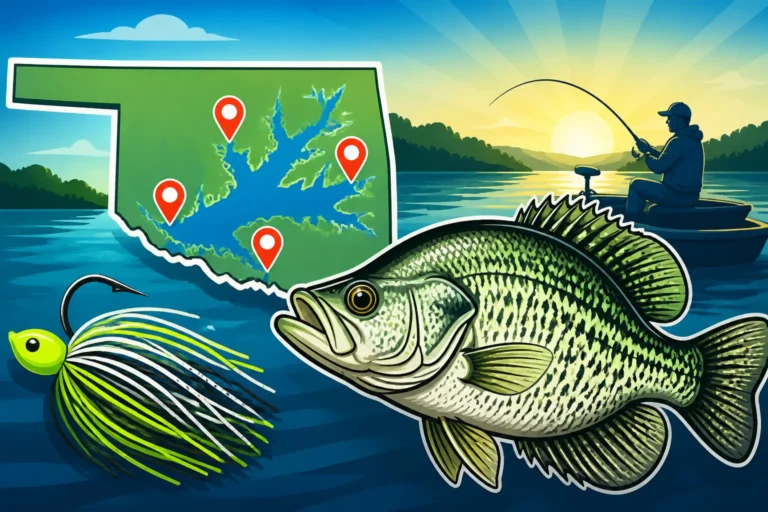
Stepping onto the shores of a new lake, especially one as vast and varied as Lake Murray, can feel a bit like staring at a blank canvas when all you want to do is paint a masterpiece of a fishing trip. You know the bass are there, lurking in the depths or cruising the shallows, but figuring out where to start and how to coax them onto your line can be genuinely overwhelming. This guide is here to cut through that uncertainty, providing you with a seasoned angler's roadmap to the best bass fishing spots and techniques on Lake Murray, helping you turn that blank canvas into a vibrant memory.
Understanding Lake Murray's Bass Fishery
Lake Murray, nestled in south-central Oklahoma near Ardmore, is a true jewel in the state's fishing crown. It's a deep, clear, and absolutely stunning lake, boasting incredible natural beauty that often makes anglers forget about fishing for a moment. But make no mistake, beneath those sparkling waters lies a thriving bass population that draws enthusiasts from all over. Unlike some lakes, Murray offers a diverse range of habitat, from rocky bluffs to sandy coves and submerged timber, making it a fantastic challenge for any bass angler. Understanding the distinct bass species and their seasonal patterns is your first step to unlocking its secrets.
Largemouth Bass Haven
When most folks talk about bass fishing on Lake Murray, they're usually dreaming of largemouth. These green giants thrive in Murray's diverse environment, particularly loving the abundant cover found along its sprawling shoreline. You'll find them holding tight to fallen trees, tucked away in submerged brush piles, or ambushing baitfish from behind rocky outcrops. The lake's clear water means they can be a bit spooky, but it also means they're often healthier and put up an incredible fight.
The largemouth in Lake Murray are known for their size, with trophy potential always on the table. They’re adaptable, moving between shallow cover in the spring and fall to deeper, cooler waters during the sweltering Oklahoma summer. Targeting them often involves precise presentations and understanding their preferred hideouts, whether it's the shady side of a dock or the tangled branches of a downed cedar tree. It's a game of patience and precision, but the reward of a Murray largemouth is second to none.
Smallmouth and Spotted Bass Presence
While largemouth might be the star, Lake Murray also boasts a healthy population of smallmouth and spotted bass, offering an exciting change of pace for anglers. Smallmouth, with their bronze flanks and fierce fighting spirit, prefer the lake's rockier, clearer areas and deeper points. They're often found around the main lake points, bluff walls, and deep structure, especially where current or deeper water provides cooler, oxygenated refuge.
Spotted bass, often mistaken for smallmouth or even juvenile largemouth, are also present and can be incredibly aggressive feeders. They tend to school up more than largemouth and often hang out in similar areas to smallmouth, favoring rocky banks, humps, and submerged roadbeds. For a detailed comparison, you might want to read our guide on Largemouth vs Smallmouth vs Spotted Bass: How to Tell Oklahoma's Bass Apart. These "cousin" bass species offer fantastic action, especially when largemouth are a bit finicky, and they add another layer of excitement to fishing Lake Murray.
Best Times to Target Bass on Lake Murray
Timing is everything when it comes to bass fishing, and Lake Murray is no exception. While you can catch bass year-round, certain seasons offer prime opportunities, each demanding different strategies. The general rule of thumb for Oklahoma fishing is that bass become more active as water temperatures rise in spring and fall, and retreat to deeper, more stable environments during the extremes of summer and winter.
- Spring (March – May): This is arguably the most exciting time to fish for bass on Lake Murray. As the water warms, bass move into the shallows for their annual spawn. You'll find them cruising coves, staging near points, and eventually on beds. This period offers incredible opportunities for sight fishing and targeting active, aggressive fish. Learning about Spring Bass Spawn Timing in Oklahoma can really help you dial in your approach.
- Summer (June – August): The heat pushes bass deeper on Lake Murray. Look for them around main lake points, submerged humps, deep timber lines, and bluff walls. Early mornings and late evenings offer brief windows for topwater action in shallower areas, but the bulk of the day requires deep-water tactics. Night fishing can also be incredibly productive for larger bass during summer.
- Fall (September – November): As temperatures cool and baitfish schools migrate, bass become highly active again, gorging themselves in preparation for winter. This is a fantastic time for covering water with reaction baits like crankbaits and spinnerbaits, as bass chase schools of shad in various depths.
- Winter (December – February): While slower, winter fishing can yield some of the biggest bass on Lake Murray. Bass will often suspend over deep water or hold tight to primary points and ledges. Slow-moving baits like jigs and shaky heads are key, and patience is a virtue during these colder months.
Top Bass Fishing Locations on Lake Murray
Lake Murray's irregular shape, extensive shoreline, and varied underwater topography create a plethora of prime bass fishing spots. From its northern reaches to the areas around the dam, there are countless places where bass love to congregate. Knowing these general areas and understanding why bass use them will greatly increase your chances of success.
Rocky Points and Bluff Walls
Lake Murray is famous for its stunning rock formations and sheer bluff walls, particularly along its western and southern shores. These areas are magnets for bass, especially smallmouth and spotted bass, but largemouth often hold there too. The rocks provide ample cover, absorb and radiate heat, and attract baitfish, making them ideal ambush points.
Focus on points that extend into deeper water, especially those with transition zones where rock meets a different type of bottom. Work your lures along the face of the bluffs, paying close attention to any irregularities, small ledges, or submerged brush. During the spring, these points can be staging areas for bass moving into spawning coves, and in summer, they offer cooler, oxygenated water for deep-dwelling fish. Look at a map for areas along the southwestern portion of the main lake for some excellent examples of this type of structure.
Shallow Coves and Creek Arms
The shallower, protected coves and creek arms of Lake Murray are quintessential largemouth bass territory, particularly during the spring spawn and fall feed. Areas like Rock Creek, specifically its various smaller coves and pockets, offer extensive shallow water habitat with plenty of woody cover, submerged vegetation, and protected areas for bass to bed.
In spring, slowly cruise these coves, looking for visual signs of bedding bass or fish cruising the flats. Cast spinnerbaits, chatterbaits, or shallow crankbaits around visible cover like fallen trees and boat docks. In the fall, these areas become active feeding grounds as baitfish move into the shallower, warmer water, drawing bass right along with them. Even in summer, early morning and late evening topwater bites can be explosive in these sheltered coves before the sun pushes bass back to deeper water.
Submerged Timber and Brush Piles
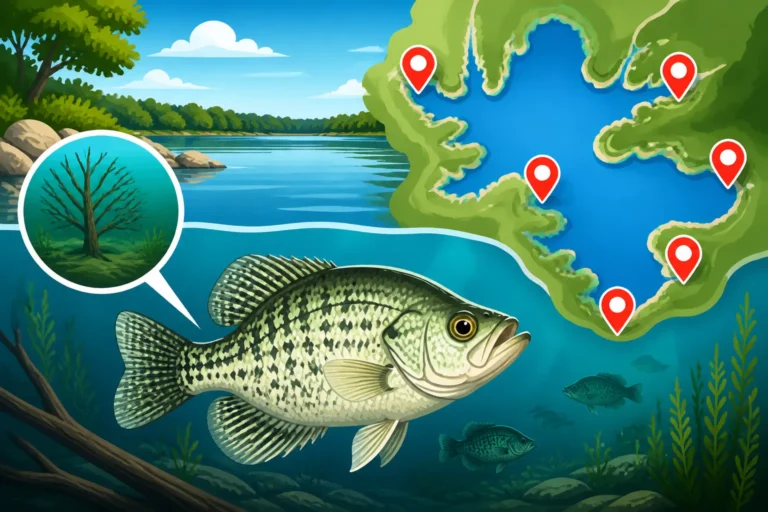
Lake Murray, like many reservoirs, has plenty of submerged timber and man-made brush piles that serve as incredible bass habitat. These underwater jungles provide shelter, shade, and excellent ambush points for all three bass species. Identifying these submerged structures often requires a good fish finder, but once you find them, they can be highly productive. Many local anglers, or those booked through services like FishingBooker, will have these hotspots marked.
These timbered areas can be found in a variety of depths, from shallow pockets to deep creek channels. Flipping and pitching jigs or Texas-rigged plastics into the thickest cover is a classic technique here. Be prepared to lose some lures, but the potential for a trophy bass hiding in these snags is well worth it. In the hot summer months, bass will often suspend in the branches of deeper timber, making vertical presentations with dropshots or jigs effective.
Marina Docks and Structure
Boat docks, particularly those associated with marinas or private residences, are often overlooked bass fishing goldmines on Lake Murray. The pilings, pontoons, and associated brush or trash that collects underneath provide constant shade and cover, attracting baitfish and, consequently, bass. Marinas like the Lake Murray Marina, or the various smaller docks scattered around the lake, can hold significant numbers of fish.
Approach docks stealthily, casting jigs, shaky heads, or wacky-rigged worms into the shaded areas underneath. Pay attention to changes in depth around the docks, as well as any sunken objects. Bass will often position themselves at the very front of the dock or along its edges, ready to ambush unsuspecting prey. This can be a fantastic way to catch bass when the sun is high and other areas are slow.
Essential Techniques and Lures for Lake Murray Bass
Matching your technique and lure selection to the conditions and the specific type of cover you're fishing is paramount for consistent bass success on Lake Murray. What works in a shallow cove in spring won't necessarily be effective on a deep rock pile in summer. A versatile approach and a willingness to adapt will serve you well. For more general advice, consider checking out our guide on Oklahoma Bass Fishing: Techniques by Season.
Spring Spawning Strategies
During the spring, when the water temperature reaches the mid-50s to low-70s, bass move shallow to spawn. This is a time for finesse and sight fishing.
- Sight Fishing: In Lake Murray's clear waters, you can often spot bass on their beds in shallow, protected coves. Present a slow-moving bait like a soft plastic lizard, tube, or creature bait directly onto the bed. Patience is key; sometimes it takes multiple casts to irritate the bass enough to strike. Sunglasses with polarized lenses are absolutely crucial for this type of fishing.
- Targeting Staging Areas: Before moving to beds, bass will stage on nearby points and humps. Lipless crankbaits, spinnerbaits, and medium-diving crankbaits can be highly effective for these aggressive, pre-spawn fish. Work these baits over points where bass are waiting for the water to warm just right before moving into the shallows.
- Covering Water: Once the spawn is in full swing, not all bass will be visible. Work shallow coves with jigs, Texas-rigged worms, or even topwater baits like poppers and walking baits in low light conditions. The goal is to cover as much potential spawning and post-spawn cover as possible to find active fish.
Summer Deep Water Tactics
When the Oklahoma summer sun beats down and water temperatures soar, bass retreat to deeper, cooler, and more oxygenated waters. This means adjusting your techniques to target them vertically or along deep structure.
- Deep Cranking: Use large, deep-diving crankbaits that can reach depths of 15-25 feet or more. Target main lake points, submerged humps, and deep ledges. Choose colors that mimic shad or crawfish, which are common prey items in Lake Murray. The key is to make contact with the bottom or structure to trigger reaction bites.
- Carolina Rigging: This technique is excellent for covering deep, expansive areas. A heavy weight (1/2 to 1 ounce) is placed above a swivel, followed by a long leader (2-4 feet) and a soft plastic bait like a lizard, worm, or creature bait. Dragging this rig along deep points, roadbeds, and humps can be incredibly effective for detecting subtle bites from reluctant bass.
- Dropshotting and Jigging Spoons: When bass are suspended over deep water or holding tight to vertical structure like bluff walls, dropshotting with small worms or minnow imitations, or vertically jigging spoons, can be deadly. These techniques allow for precise presentations in specific depth zones, mimicking injured baitfish and enticing wary bass.
Fall Transition Patterns
Fall on Lake Murray is a fantastic time for aggressive bass fishing as fish follow schools of baitfish and feed heavily to build up reserves for winter. The transition from summer can be gradual, but once water temperatures consistently drop, the bite can turn on.
- Shad Chasing: As shad move into the backs of creeks and coves, bass will follow. Use shad-imitating lures like lipless crankbaits, spinnerbaits, and swimbaits to mimic these baitfish schools. Look for active schooling bass on the surface, often a tell-tale sign of a feeding frenzy.
- Jig Fishing: Jigs, especially football jigs or skirted jigs, become incredibly effective around rocky points, ledges, and submerged timber. Bass will often position themselves on these structures, waiting to ambush prey. Vary your retrieve, bouncing the jig along the bottom, pausing to let it settle, or even swimming it through cover.
- Topwater Action: Cooler mornings and evenings in the fall can bring back exhilarating topwater bites, especially over schooling baitfish or near shallow cover. Poppers, walking baits, and buzzbaits can all draw explosive strikes from aggressive bass.
Winter Slow Presentation
Winter fishing on Lake Murray demands patience and a slow, methodical approach. While the bite might be tougher, the potential for catching a true trophy bass is often at its highest, as these larger fish often remain active.
- Jigging and Slow Rolling: Heavy jigs fished slowly along deep creek channels, main lake points, and bluff walls are a go-to winter tactic. Pair them with a bulkier trailer to create a larger profile. Alternatively, slow-rolling a spinnerbait or a swimbait along deep contour lines can also entice lethargic bass.
- Suspended Baits: Bass will often suspend in the water column over deep structure during winter. Blade baits, spoons, and suspending jerkbaits worked with long pauses can trigger strikes. The key is to match the bait's depth to where the bass are holding, which often requires a good fish finder.
- Small Profile Finesse: Sometimes, a subtle approach is best. Dropshots, shaky heads, and Ned rigs with small worms or creature baits can be deadly when bass are reluctant to chase larger presentations. Fish these slowly and deliberately on light line, paying close attention to any subtle taps or changes in line tension.
Navigating Lake Murray for Optimal Bass Success
Lake Murray is a sizable body of water, covering about 5,700 acres, so understanding its access points and ensuring you're up-to-date on regulations are vital for a smooth and successful trip. Whether you're a seasoned boater or a bank angler, a little preparation goes a long way. If you're planning a trip, be sure to check out our detailed guide on Fishing License Requirements in Oklahoma.
Boat Ramps and Access Points
For anglers with boats, Lake Murray offers several excellent public boat ramps that provide access to different parts of the lake. These ramps are generally well-maintained and can accommodate various boat sizes.
- Lake Murray State Park Ramps: The state park, encompassing much of the lake's shoreline, has multiple public ramps. Popular ones include the ramp at Lake Murray Marina (also known as Marina Point), which provides access to the central and southern portions of the lake, offering quick access to deep water and main lake points.
- Cedar Creek and Elephant Rock: Ramps in these areas on the lake's eastern side provide access to more shallow coves and creek arms, which are fantastic for spring and fall bass fishing. They are particularly useful if you're targeting largemouth in woody cover.
- Tucker Tower Area: Near the iconic Tucker Tower, there are often smaller access points or ramps that allow you to explore the unique rocky structures and bluffs in that region.
Always check current conditions before heading out, especially during peak seasons when ramps can be busy. Arriving early is often a good strategy to beat the crowds, particularly at popular ramps like the one near the lodge. For more comprehensive information, you can also explore our guide on Best Boat Ramps in Oklahoma.
Safety Considerations and Local Regulations
Fishing on any large body of water like Lake Murray requires adherence to safety guidelines and local regulations. The lake is popular for various water sports, so being aware of other boaters is crucial.
- Boating Safety: Always have all required safety equipment on board, including life jackets for all passengers. Oklahoma has specific rules regarding life jackets, especially for children 12 and under. You can find more details in our guide on Oklahoma Life Jacket and PFD Rules for Boaters. Carry a first-aid kit, fire extinguisher, and ensure your boat's lights are functioning for early morning or late evening trips.
- Fishing Regulations: Beyond needing an Oklahoma Resident Annual Fishing License Cost or a Nonresident Annual Fishing License Cost in Oklahoma, always be aware of Oklahoma's statewide bass bag limits. Currently, the daily limit for black bass (largemouth, smallmouth, and spotted bass combined) is six, with only one bass 16 inches or longer allowed to be kept. However, it's always best to check the latest Oklahoma Department of Wildlife Conservation (ODWC) regulations, as they can change. Our article on Oklahoma's Bass Fishing Rules and Limits can give you a deeper dive into these specifics.
- Environmental Awareness: Lake Murray is a beautiful natural resource. Practice catch and release, especially for larger breeding bass, and always dispose of trash properly. Respect private property along the shoreline, and be mindful of wildlife. If you're looking for an experienced guide who knows these waters intimately, check resources like FishingBooker to find local experts who prioritize both safety and conservation.
| Bass Species | Primary Locations | Best Seasons | Key Techniques |
|---|---|---|---|
| Largemouth | Shallow coves, creek arms, submerged timber, docks | Spring, Fall | Flipping jigs, Texas rigs, spinnerbaits, crankbaits, topwater |
| Smallmouth | Rocky points, bluff walls, deep main lake structure | Spring, Summer, Fall | Dropshots, Carolina rigs, jigs, deep crankbaits |
| Spotted | Rocky banks, humps, deep points, creek channels | All Seasons | Finesse worms, small jigs, crankbaits, dropshots |
Disclaimer
Please be aware that fishing conditions and regulations can change frequently. Always consult the official Oklahoma Department of Wildlife Conservation (ODWC) website for the most current rules and guidelines before planning your fishing trip to Lake Murray.