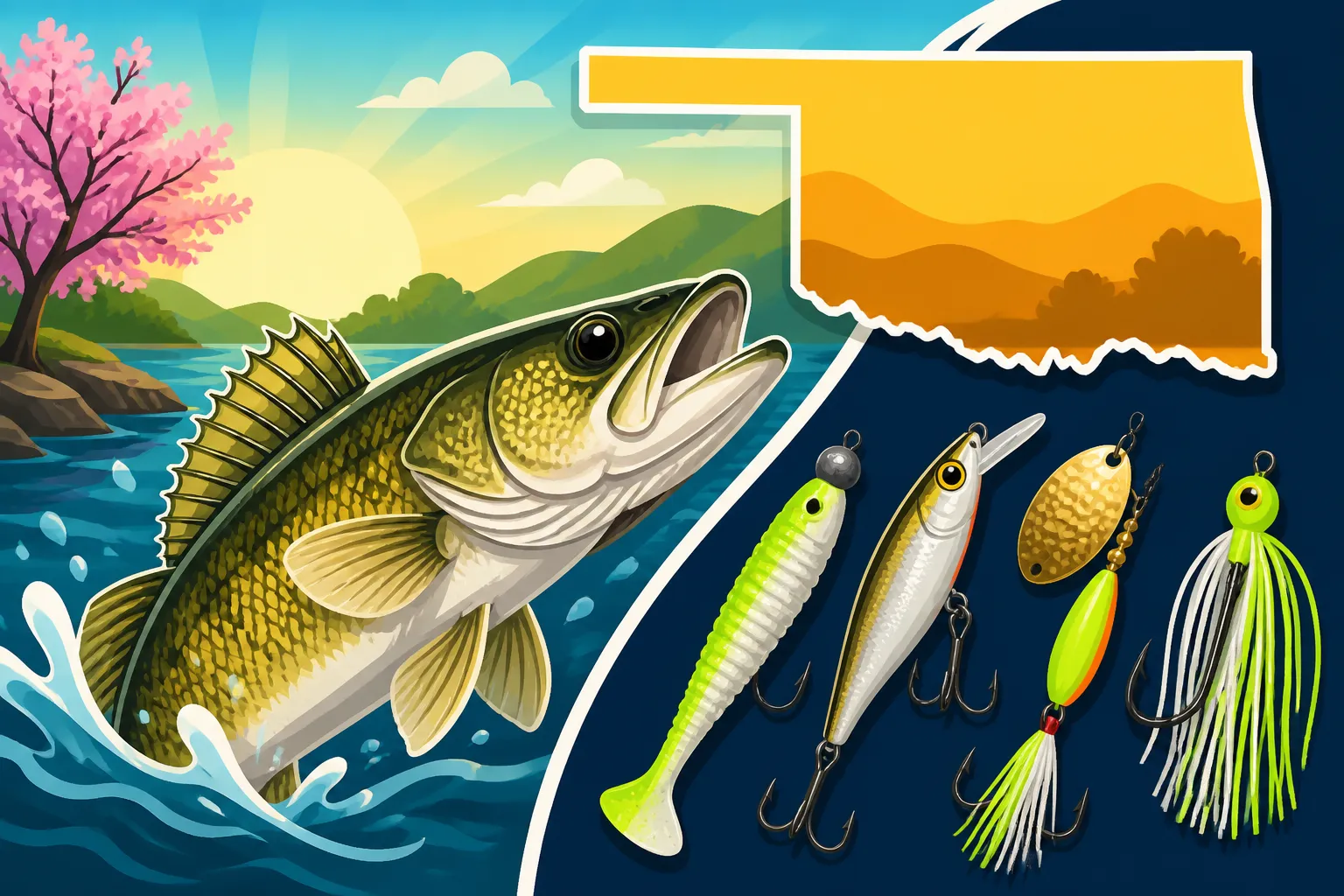
Best Walleye Lures for Spring Fishing
Spring in Oklahoma can be a truly incredible time to chase walleye, but let's be honest, it can also be incredibly frustrating trying to figure out what they actually want to bite. As the waters start to warm up, these toothy predators transition from their sluggish winter patterns, becoming more active and eventually staging for the spawn. Knowing which lures to tie on and how to present them can literally make or break your trip. This comprehensive guide is designed to cut through the confusion, helping you understand the best walleye lures for spring fishing in Oklahoma and how to use them effectively to land more fish.
Understanding Spring Walleye Behavior: The Key to Lure Selection
Before we even talk about specific lures, it's crucial to understand what's going on beneath the surface in the spring. Walleye, like many fish, are heavily influenced by water temperature and their biological urge to reproduce. Spring brings a dynamic shift in their habits, and your lure choices need to reflect these changes.
The Walleye Spawn Cycle and Its Impact
Spring is all about the spawn for walleye. As the ice recedes and water temperatures begin their slow climb, walleye start to move from their deeper wintering holes towards shallower, harder-bottomed areas. These are typically rocky points, gravel flats, riprap shorelines, and sometimes even tributary rivers and creeks if conditions are right. This migration is driven by their instinct to reproduce, making them predictable but also potentially finicky.
- Pre-Spawn (Water Temps 38-45°F): This is when walleye are actively feeding to bulk up for the energy-intensive spawning process. They're typically found staging in deeper water adjacent to their spawning grounds. They might be a bit sluggish, but they're hungry. Lures that offer a slow, easy meal are often best. They're building up reserves, so a big meal is welcome.
- Spawn (Water Temps 45-50°F): During the actual spawn, walleye might become less interested in feeding as their focus shifts entirely to reproduction. This period can be challenging, but they can still be caught, often by accident, as they move over hard-bottom areas. Females may drop eggs quickly, while males hang around longer.
- Post-Spawn (Water Temps 50-60°F+): After the spawn, both males and females are exhausted. They'll often retreat to slightly deeper, cooler water to recover, but they'll start feeding aggressively again as their energy levels return. This is often an excellent time for a strong bite, as they're trying to regain lost weight. Understanding the nuances of these periods can significantly improve your chances, so keeping an eye on the Best Time of Year to Catch Walleye in Oklahoma is always a good idea.
How Water Temperature Affects Walleye and Lure Choices
Water temperature is the ultimate trigger for walleye activity. In early spring, when temperatures are still in the low 40s, walleye are cold-blooded and move slowly. They won't chase a fast-moving lure far. As temperatures rise into the 50s and beyond, their metabolism speeds up, and they become much more willing to chase and strike.
- Cold Water (Early Spring): Think subtle, slow, and near the bottom. Jigs with soft plastics or live bait are absolute killers. Walleye are often tucked tight to cover or structure, conserving energy. You need to put the lure right in front of their faces.
- Warming Water (Mid-Late Spring): This is when you can start incorporating more aggressive presentations. Crankbaits, jerkbaits, and even some faster jigging techniques come into their own. Walleye are more active, spreading out a bit, and willing to move for a meal. This is often the time when you might catch them closer to the surface during low light, as explored in articles like How to Catch Walleye at Dusk.
Top Lure Categories for Spring Walleye Success
Now that we've covered the "why," let's dive into the "what." Certain lure types consistently outperform others during the spring walleye run in Oklahoma. Each has its strengths and ideal scenarios.
Jigs: The Unquestioned King of Spring Walleye Lures
If there's one lure you absolutely must have in your tackle box for spring walleye, it's a jig. Jigs are incredibly versatile and allow for precise presentations, which is often crucial in cooler waters.
- Lead Head Jigs with Soft Plastics: These are arguably the most popular. A simple round head jig or a stand-up jig paired with a grub, paddle tail, or minnow-shaped soft plastic is deadly. Colors like chartreuse, white, pearl, and natural baitfish patterns are go-to choices. For early spring, a 1/8 to 1/4 ounce jig is usually sufficient, depending on depth and wind. The key is to present it slowly, letting it hit the bottom, then giving it a gentle lift and pause. You can find a fantastic selection of lead head jigs and soft plastics, often in multi-packs, on platforms like Amazon, making it easy to stock up.
- Hair Jigs: These classic lures, often made of deer hair or bucktail, have a subtle, natural flutter that walleye absolutely adore. They're especially effective in clear water or when fish are finicky. Work them with a very slow, methodical retrieve, letting the hair do the enticing. Black, brown, olive, and white are traditional and highly effective colors.
- Blade Baits: While technically a jig, blade baits deserve their own mention. These metal lures vibrate intensely on the retrieve and then flutter on the fall, mimicking a struggling baitfish. They're fantastic for vertical jigging over schools of fish or rip-jigging through deeper staging areas. Colors often include chrome, gold, and fire tiger. Their aggressive vibration can trigger reaction strikes even from less active walleye.
Crankbaits: Covering Water and Triggering Bites
Once the water starts to warm a bit, crankbaits become incredibly effective, especially for covering larger areas to locate active fish. They come in various shapes and sizes, each designed for different depths and actions.
- Shallow Diving Crankbaits: For walleye moving onto shallow flats or shorelines, a shallow-diving crankbait is perfect. Look for models that dive 2-6 feet. They can be cast and retrieved, or even trolled slowly along breaks. Shad, perch, and crawfish patterns are always reliable. The erratic wobble of a crankbait can imitate a vulnerable baitfish, making it an irresistible target for a hungry walleye.
- Medium Diving Crankbaits: As walleye retreat to slightly deeper water post-spawn, or if they're staging on deeper breaks, medium divers (diving 6-12 feet) become more relevant. Trolling these at a slow pace along contour lines can be incredibly productive. Experiment with colors, but gold, silver, fire tiger, and blue/silver are good starting points. While How to Troll for Walleye in Summer covers warm-weather techniques, slow trolling with crankbaits in spring can be just as effective in specific scenarios.
- Lipless Crankbaits: These lures are excellent for covering water quickly and can be fished at various depths by adjusting your retrieve speed. Their loud rattle and tight wobble make them great for attracting attention. They're particularly effective when casting over submerged vegetation or flats where walleye might be cruising.
Jerkbaits: The Erratic Action that Drives Walleye Wild
Jerkbaits are phenomenal for triggering reaction strikes, especially when walleye are a bit sluggish or holding tight to structure. Their stop-and-go action perfectly mimics a wounded baitfish, which is often too tempting for a walleye to pass up.
- Suspending Jerkbaits: These are your best friend in spring. The ability to pause the lure and have it suspend in the water column, right in the walleye's strike zone, is a game-changer. After a series of jerks or twitches, a long pause (sometimes 10-20 seconds in cold water) can be all it takes. Natural baitfish patterns, along with brighter colors like clown or fire tiger, can be effective.
- Technique is Key: With jerkbaits, it's less about speed and more about cadence. A typical retrieve might be "twitch, twitch, pause… twitch, pause… retrieve." Experiment with the length of your pauses and the aggressiveness of your jerks until you find what the fish prefer on that particular day.
Matching Lures to Spring Conditions: Depth, Clarity, and Cover
Even with the best lures, choosing the right one for the specific conditions you're facing is paramount. Oklahoma's diverse waters present varying scenarios, and adapting your approach will yield better results.
Shallow Water and Pre-Spawn Staging
When walleye are first moving into shallower areas to stage for the spawn, they'll often be found near significant changes in depth, like points leading into spawning flats, or along channel edges near shore.
- Jigs are Dominant: For targeting these shallow-holding fish, especially in cooler water, jigs reign supreme. Pitching a 1/8 or 1/4 ounce jig with a soft plastic grub or minnow imitation right to the edge of a drop-off, or slowly dragging it across a hard-bottom flat, is incredibly effective. The subtle action doesn't spook wary fish, and the slow presentation gives them ample time to decide to strike. Many anglers find specific jig head styles like VMC's Mooneye Jig Heads or similar designs on Amazon to be particularly effective due to their realistic appearance.
- Shallow Crankbaits and Jerkbaits: As water temperatures rise into the mid-40s and 50s, shallow-diving crankbaits and suspending jerkbaits become excellent tools for covering these staging areas. Cast them over flats or along riprap shorelines, working them slowly enough to keep them in the strike zone, but with enough action to draw attention.
Post-Spawn Recovery and Deeper Holds
After the exhaustive spawning process, walleye often disperse a bit and might move to slightly deeper water, typically 10-25 feet, to recover. They'll still be associated with structure, but perhaps less concentrated than during the pre-spawn.
- Bottom Bouncers and Live Bait Rigs: While not technically a lure in the traditional sense, a bottom bouncer with a spinner rig and a worm or minnow can be unbeatable for post-spawn walleye. This setup allows you to present live bait right on the bottom while covering water slowly. It's a fantastic way to entice tired, recovering fish that might prefer a natural, easy meal.
- Deeper Diving Crankbaits: For active post-spawn walleye, deeper diving crankbaits can be trolled along main lake points, humps, or channel swings. These lures can reach depths of 15-25 feet or more, putting them right where the recovering walleye are likely to be hunting.
- Vertical Jigging: If you mark fish on your electronics (and if you're serious about walleye, a good fish finder is invaluable, as highlighted in How a Fish Finder Helps You Find Structure on Oklahoma Reservoirs), vertical jigging with a heavy jig or blade bait directly over them can be very productive. This allows you to precisely target individual fish or small schools.
Clear vs. Stained Water Considerations
Water clarity plays a huge role in lure color and profile selection. Oklahoma lakes can vary widely in clarity, even within the same body of water, so always pay attention to what the water looks like.
- Clear Water: In clear water, natural colors tend to work best. Think realistic baitfish patterns in silver, white, blue, or green. Subtle presentations are often favored, as walleye can see your lure from a distance and might be more wary. Hair jigs, natural soft plastics, and realistic jerkbaits shine here.
- Stained/Muddy Water: When the water has a bit of color, you need to go with brighter, more contrasting colors. Chartreuse, orange, fire tiger, and bright whites become much more effective because they're easier for walleye to see. Lures with rattles or strong vibrations, like lipless crankbaits or blade baits, can also help walleye locate your offering by sound and feel.
Maximizing Your Spring Walleye Lure Effectiveness
Having the right lure is only half the battle. Knowing how to present it, and what gear to pair it with, will significantly increase your catch rate.
Retrieve Techniques for Different Lures
The way you work your lure is just as important as the lure itself. Different lures require different approaches.
- Slow Rolling Jigs: For early spring and cold water, a slow, methodical retrieve where the jig barely leaves the bottom is key. Think of it as almost dragging the jig, with only subtle lifts. This mimics a crawfish or a stunned baitfish.
- Stop-and-Go Crankbaits: For crankbaits, vary your retrieve. Reel steadily, then pause for a second or two, letting the lure float up slightly, then resume reeling. This erratic action often triggers strikes.
- Snap-Pause Jerkbaits: This is the classic jerkbait retrieve: two or three sharp snaps of the rod tip, followed by a long pause. The pause length is critical and should be adjusted based on water temperature and fish mood. Colder water usually means longer pauses.
Gear Considerations for Walleye Fishing
Having the right rod and reel can make a huge difference in your ability to detect subtle bites and fight a powerful walleye.
- Rods: For jigging, a sensitive medium-light to medium power spinning rod, 6'6" to 7' in length, with a fast action tip is ideal. This allows you to feel those light "thunks" or "ticks" of a walleye bite. For casting crankbaits or jerkbaits, a slightly heavier medium power rod with a moderate-fast action might be preferred for better casting distance and shock absorption. You can find excellent options for specific applications covered in our Best Rods and Reels for Oklahoma Fishing guide.
- Reels: A good quality spinning reel in the 2000-3000 size range is perfect for most walleye applications. Look for smooth drag and good line capacity.
- Line: Many walleye anglers prefer braided line (10-15 lb test) for its sensitivity and strength, often with a fluorocarbon leader (8-12 lb test) for stealth. The low stretch of braid helps you feel even the lightest bites, which is crucial for finicky walleye.
Understanding Structure and Cover
Walleye are masters of relating to structure and cover. In spring, they'll often be found near:
- Rocky Points and Humps: These are classic walleye magnets, especially if they lead to or from spawning areas.
- Riprap: Shorelines covered in rocks (like those found near bridges or dams) are excellent places, providing both cover and hard bottom for spawning.
- Submerged Timber and Brush Piles: Walleye will use these for ambush points and cover, especially post-spawn.
- Channel Swings: Where the main river channel makes a turn, creating deeper bends, can hold walleye.
Spending time studying maps and using your electronics to find these key areas will put you directly on top of the fish.
Here's a quick reference table for spring walleye lures:
| Lure Type | Best Spring Conditions | Retrieve Style | Key Benefits |
|---|---|---|---|
| Jigs | Cold water, pre-spawn, bottom | Slow roll, lift & fall, subtle hops | Precise presentation, natural appeal, versatile |
| Blade Baits | Vertical jigging, active fish | Rip-jigging, short lifts, fast fall | High vibration, reaction strikes, covers depth |
| Shallow Cranks | Warming water, shallow flats | Steady retrieve, stop-and-go | Covers water, mimics baitfish, good for searching |
| Suspending Jerkbaits | Neutral fish, clear water, structure | Twitch, twitch, long pause, erratic action | Triggers reaction bites, suspends in strike zone |
| Bottom Bouncers (with live bait) | Post-spawn, deeper recovery, neutral fish | Slow troll, drift, maintain bottom contact | Natural presentation, excellent for scattered fish |
By combining the right lure with a solid understanding of spring walleye behavior and effective retrieve techniques, you'll be well on your way to a successful fishing trip in Oklahoma. Remember to always check the Oklahoma's Bag Limit Rules by Species before you head out, and have fun out there!
Disclaimer
This article is for general informational purposes only and does not constitute professional advice. Laws, prices and regulations vary by location and change over time. Consult a qualified professional for guidance on your specific situation.