How Big Do Bluegill Get in Oklahoma
Many anglers, especially those introducing kids to fishing, often wonder just how big a bluegill can really get in Oklahoma's diverse waters. It's easy to catch a palm-sized panfish, but landing a true "slab" bluegill is a different experience entirely, and understanding what influences their growth can transform your expectations and your fishing trips. This guide will dive deep into the factors that determine bluegill size, what constitutes a trophy in our state, and how you can target bigger bluegill for a more rewarding catch.
Understanding Bluegill in Oklahoma's Waters
The Allure of Bluegill: Why We Love 'Em So Much
Bluegill (Lepomis macrochirus) are arguably one of Oklahoma's most beloved panfish, and for good reason. They’re abundant, feisty fighters on light tackle, and incredibly accessible, making them a fantastic target for anglers of all skill levels, from seasoned veterans to excited youngsters. There’s something truly special about the simplicity and joy of catching bluegill; it often harks back to childhood memories of fishing off a dock with a cane pole and a can of worms, proving that sometimes the simplest pleasures are the best.
For many, bluegill are the gateway to fishing. They're cooperative biters, which helps build confidence in new anglers. You don't need fancy gear or advanced techniques to have a successful bluegill outing. This accessibility means they're often the first fish a child catches, sparking a lifelong passion for the outdoors. Plus, they're surprisingly good table fare when filleted, offering a sweet, flaky white meat that's a true delicacy, perfect for a fresh-caught meal.
However, this very popularity can sometimes lead to misunderstandings about their potential size. While most bluegill you encounter might fit comfortably in the palm of your hand, a true Oklahoma slab can be a much more impressive catch. The sheer numbers of bluegill in many ponds and lakes mean that competition for food is often high, which can limit the growth of individual fish. Yet, conditions in certain waters allow a select few to grow to remarkable dimensions.
It's this balance between their widespread availability and the occasional "trophy" specimen that keeps anglers coming back for more. We all love the constant action of catching smaller bluegill, but the dream of a true lunker keeps us honing our skills and exploring new waters. Knowing what kind of bluegill to expect and how to find those larger ones is key to fully appreciating this fantastic species.
Bluegill vs Green Sunfish: Getting Your Identification Right
Before we talk about how big bluegill get, it's really important to make sure we're all on the same page about what a bluegill actually is. In Oklahoma, it's incredibly common for anglers, especially beginners, to confuse bluegill with their feisty cousins, the green sunfish. Both are panfish, both are abundant, and both love to bite, but they have distinct differences, particularly when it comes to their maximum size and overall body shape. Accurately identifying your catch ensures you're setting realistic expectations for size.
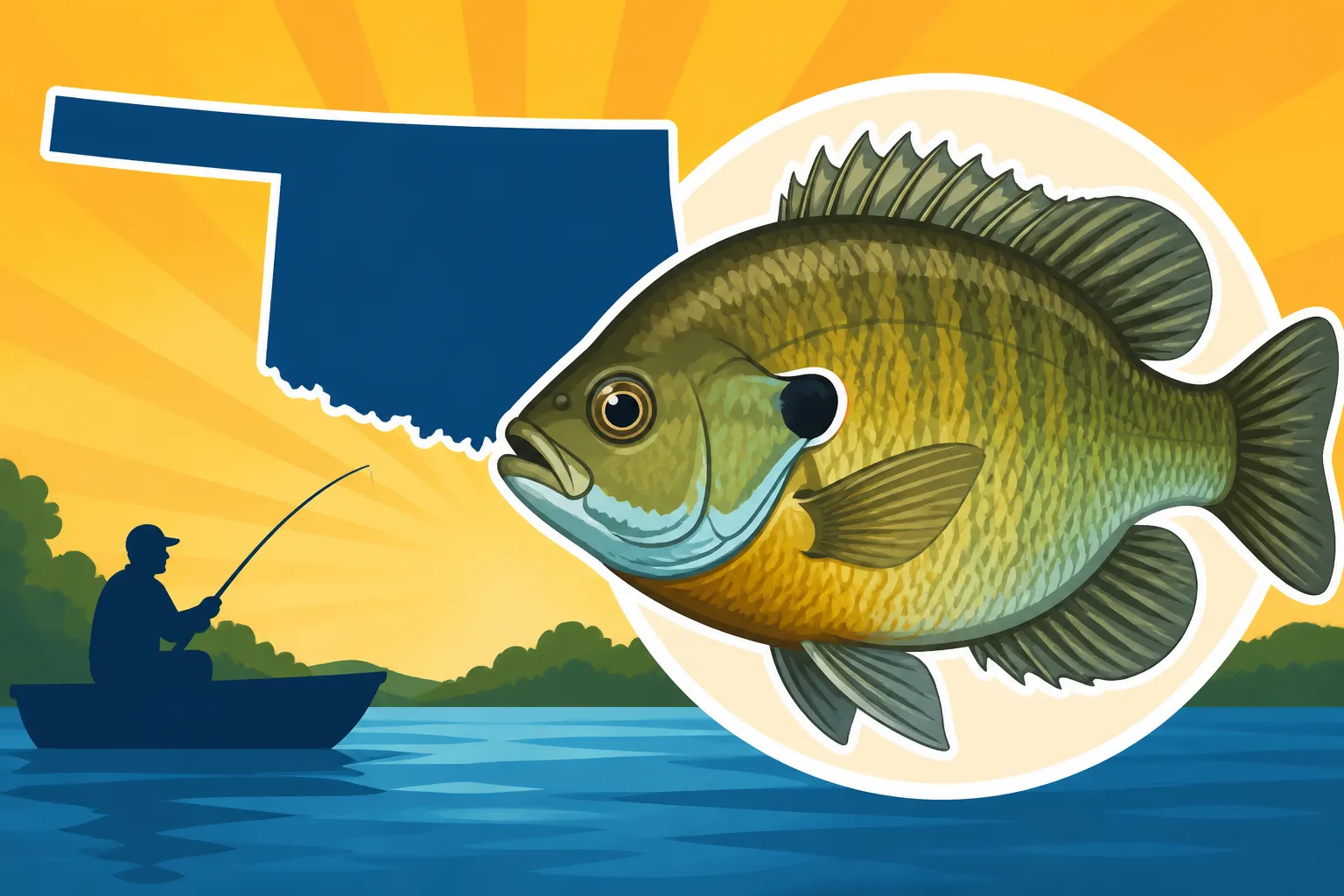
The easiest way to tell them apart is to look at a few key features. A true bluegill typically has a small mouth that doesn't extend past the front of its eye. Its body is usually deeper and more compressed, giving it a rounder, "plate-like" appearance. They also have a distinctive black "ear flap" on their gill cover, often with a soft, iridescent blue edge. You'll often see vertical bars or blotches on their sides, and a dark spot at the base of the dorsal fin. For a visual comparison, check out Bluegill's Blue-Black Ear Flap vs the Green Sunfish's Olive Body.
Green sunfish, on the other hand, have a much larger mouth that extends well past the front of their eye. Their body is generally more elongated, torpedo-shaped, and less compressed than a bluegill's. While they also have an "ear flap," it's usually black with a distinct light-colored margin, but lacks the blue iridescence. They often have wavy, iridescent blue-green lines on their cheeks and gill covers, and their overall color tends to be a darker olive-green, making them look a bit more like a small bass.
The reason this distinction matters so much for size discussions is that green sunfish generally don't grow as large as bluegill. While a 7 or 8-inch green sunfish is a truly impressive specimen, a bluegill of that size is more common, and they have the potential to grow even bigger. If you're consistently catching "small bluegill" with big mouths, chances are you're actually landing green sunfish, and that changes your perception of what a true bluegill can achieve in Oklahoma waters. It's a common mistake, but an important one to clarify for anyone seeking those bigger bluegill.
Factors Influencing Bluegill Growth
So, what makes some bluegill grow into those coveted "slabs" while others remain perpetual palm-sized panfish? It's a complex interplay of environmental factors, genetics, and population dynamics. Understanding these can help you pinpoint the best places and times to find bigger fish. It's not just about luck; there's a science to it, even for a humble bluegill, and knowing this can really boost your success.
Food availability is paramount. In lakes or ponds with an abundant and diverse food source – think insect larvae, small crustaceans, zooplankton, and even smaller baitfish when they get larger – bluegill have the fuel they need to grow. If a pond is overpopulated, meaning too many fish are competing for limited resources, individual bluegill will be stunted and remain small. This is a common issue in many smaller, unmanaged ponds where bluegill reproduce prolifically, leading to a population of thousands of tiny fish.
Habitat quality also plays a huge role. Bluegill thrive in waters with plenty of submerged vegetation, brush piles, rock formations, and other forms of cover. These areas provide protection from predators (like Largemouth Bass Fishing in Oklahoma: The Complete Guide and catfish) and serve as prime foraging grounds. Good water quality, with stable oxygen levels and appropriate temperatures, also contributes significantly to healthy growth rates. A well-balanced ecosystem allows bluegill to mature without undue stress, which is crucial for them to reach their full potential.
Finally, predator presence can indirectly lead to bigger bluegill. This might sound counterintuitive, but a healthy population of predators like largemouth bass or channel catfish helps keep bluegill numbers in check. By culling the smaller, weaker bluegill, predators reduce competition for food among the survivors, allowing the remaining bluegill to grow larger and healthier. In ponds without sufficient predators, bluegill can quickly overpopulate and become stunted. This is why a balanced fishery is so important for producing quality fish; it's a natural form of population control that benefits the entire ecosystem.
The Typical Size Range of Oklahoma Bluegill
What Most Anglers Expect: Average Size
For the vast majority of anglers in Oklahoma, a typical bluegill catch will range from about 4 to 7 inches in length. These are the fish you'll consistently pull from local ponds, small lakes, and even slower sections of rivers. They're a ton of fun, offer a great fight on ultralight gear, and are perfect for introducing kids to the sport. While they might not be trophy-sized, they provide constant action and are abundant enough that you rarely go home empty-handed, which is always a bonus, especially when you've got eager young anglers with you.
These average-sized bluegill are perfectly representative of a healthy, well-populated fishery. Their numbers indicate that there's a good balance within the aquatic ecosystem, even if the individual fish aren't breaking any records. If you're primarily fishing publicly accessible bank fishing spots or small community ponds, this is the size range you should comfortably anticipate. Places like those found in Best Bank Fishing Spots in Oklahoma are often teeming with these active panfish.
Don't get us wrong, there's absolutely nothing wrong with catching a stringer full of these "average" bluegill! They're still fantastic table fare, and the sheer volume of bites often makes for a memorable outing. It’s about managing expectations: if you're consistently pulling 5-inch bluegill, that's a sign of a robust population, even if you're not seeing those massive, hand-sized specimens every time you cast. It’s still a successful day on the water, full of action and enjoyment.
When shopping for basic gear, something simple like a ready-to-go rod and reel combo from Amazon is usually perfect for these typical-sized bluegill. You don't need anything heavy-duty to feel the tug of a 6-inch bluegill, and a simple setup makes the experience accessible for everyone.
When a Bluegill Becomes a "Slab": Trophy Potential
Now, let's talk about the bluegill that really gets an angler's heart pumping – the "slab." In Oklahoma, a bluegill generally starts to enter "slab" territory when it hits around 8 to 9 inches in length. These fish are noticeably larger, thicker, and put up a surprisingly strong fight, especially on light tackle. Catching a bluegill of this caliber is truly a special event, and it's what many dedicated panfish anglers strive for. It's a fantastic feeling to land one of these beauties!
Anything 10 inches or more is considered a genuine trophy bluegill in our state. These are rare and exceptional catches, often weighing a pound or more. Imagine a bluegill so wide and thick that it barely fits in your hand – that’s a slab! They tend to have deeper bodies and a robust, muscular build that sets them apart from their smaller counterparts. Anglers lucky enough to land one often take a photo and carefully release it, or proudly display it as a true testament to their patience and skill.
Finding these larger bluegill usually means targeting waters with less fishing pressure, abundant food sources, and a healthy predator population to keep the smaller fish in check. Sometimes, it's specific private ponds that are carefully managed for trophy panfish. Other times, it's hidden coves in larger reservoirs that offer ideal conditions for growth. Don't expect to catch a stringer full of 10-inch bluegill; these are solitary giants that require a bit more dedication and knowledge to locate, but the reward is certainly worth the effort.
The pursuit of a slab bluegill adds an exciting dimension to what is often considered a simple form of fishing. It pushes anglers to refine their techniques, explore new spots, and understand the subtle nuances of bluegill behavior. It's a challenge, but one that makes every success incredibly fulfilling, proving that even a panfish can offer a thrilling hunt.
State Records and How They Compare
Every state has its fishing records, and Oklahoma is no exception. These records stand as the ultimate benchmark for just how big a particular species can grow within our borders. For bluegill, the state record is a truly impressive fish, a testament to the potential for growth in Oklahoma's rich aquatic environments. While the average angler might never come close to this monumental size, knowing it exists inspires many to keep casting and dreaming big.
State records for bluegill typically hover in the 1-2 pound range, with lengths often exceeding 12 inches. These are exceptionally old, exceptionally well-fed, and exceptionally lucky fish! They've managed to avoid predators and anglers long enough to reach truly gargantuan proportions for their species. Such fish are almost always caught from waters with optimal conditions – perfect habitat, low population density, and an abundance of forage that allows them to thrive and grow unchecked.
It's important to understand that these records are the absolute pinnacle, not something to expect on a regular outing. The chances of catching a state-record bluegill are incredibly slim, akin to winning the lottery. However, they serve as a powerful reminder of the potential hidden within Oklahoma's waters and fuel the dreams of every angler hoping for that one-in-a-million catch. When you're dreaming of that monster bluegill, know that the bar is set quite high, but it's not impossible to catch a personal best that's still truly impressive.
When researching fish sizes and records, always remember that information can change. Always check the official Oklahoma Department of Wildlife Conservation website for the most current state records. You might even find some fascinating stories about how those record-breaking fish were caught, which are often as inspiring as the fish themselves!
Maximizing Your Chances for Bigger Bluegill
Targeted Techniques for Larger Specimens
If you're tired of catching dinks and want to increase your odds of landing those coveted slab bluegill, you'll need to adjust your approach. While smaller bluegill are eager to hit almost any bait, bigger bluegill are often more wary and might require slightly different presentations and bait choices. Think of it as graduating from casual fishing to a more deliberate pursuit, focusing on quality over sheer quantity.
Forget the tiny bits of worm you might use for smaller fish. For bigger bluegill, consider using larger baits. A whole cricket, a bigger piece of nightcrawler, or even small minnows can attract the attention of a more mature bluegill. They're not afraid of a substantial meal, and a bigger offering can help deter smaller fish from biting, increasing your chances for that trophy. Best Bait for Bluegill in Oklahoma Ponds explores these options further. As for lures, small inline spinners, tiny jigs tipped with a grub, or micro-crankbaits can be highly effective. The key is to size up just a bit from what you'd use for standard panfish.
Presentation also matters. Instead of casting wildly, focus on precision. Larger bluegill often hug tight to cover. Getting your bait right into that brush pile, under that dock, or along that weed line is critical. A quiet approach is best; stomping around on the bank or making a lot of noise in your boat can spook bigger fish. Use light line, like 4-6 lb test, to ensure a natural presentation and avoid detection, as these older fish are much more cautious.
Consider fishing deeper, especially during the warmer months. While bluegill move shallow during the spawn, they often retreat to deeper, cooler water with access to structure when water temperatures rise. Using a slip bobber rig or simply a small split shot to get your bait down can make a huge difference. Don't be afraid to experiment with different depths until you find where the bigger ones are holding. How to Rig a Bobber for Bluegill Fishing can give you some excellent pointers on setting up your tackle effectively.
Finding the Right Habitat
Just like real estate, fishing is often about "location, location, location," and this holds especially true for bigger bluegill. They aren't usually found in the wide-open expanse of a lake; they prefer specific types of cover and structure that offer both food and protection. Learning to identify these prime habitats is a game-changer for targeting larger fish, turning a casual outing into a focused hunt.
Look for areas with submerged vegetation, often referred to as weed lines or lily pad fields. These provide excellent cover, act as ambush points for feeding bluegill, and are home to a plethora of insects they love to munch on. Docks, fallen trees, brush piles, and rock outcroppings are also magnets for big bluegill. These structures offer shade, protection from larger predators, and a concentrated food source, making them ideal hideouts for mature fish.
Pay attention to depth changes. While bluegill can be found shallow, especially during the spring spawn, larger fish often hold near drop-offs, humps, or submerged creek channels. These areas allow them easy access to both shallow feeding grounds and deeper, safer water. Using a fish finder, if you have one, can help you locate these subtle contours and hidden structure points that hold bigger fish. Even from the bank, you can often observe clues like changes in vegetation or water clarity that signal a promising spot.
Think about the time of day and year. During the spring spawn, bluegill will move into very shallow water to build their nests. This is an excellent time to target them, as they're aggressive and concentrated. Best Time of Year to Catch Bedding Bluegill offers more details on this peak time. In summer, early morning and late evening bites around cover are usually best, as they'll retreat to deeper water during the midday heat. Understanding these seasonal and daily patterns allows you to be in the right place at the right time for bigger bluegill.
Pond Management and Its Impact
For those with access to private ponds, proper pond management is hands-down the most effective way to produce truly trophy-sized bluegill. Unmanaged ponds often suffer from overpopulation, leading to stunted fish because there simply isn't enough food to go around for everyone to grow big. This is a common frustration, especially for pond owners who just want to see healthy fish thriving in their waters.
Effective pond management involves several key components. First, maintaining a healthy predator population, typically largemouth bass, is crucial. These bass help thin out the smaller bluegill, reducing competition and allowing the remaining bluegill to grow larger. If bass numbers are too low, bluegill can quickly overpopulate. Conversely, if bass are too numerous or too large, they might eat all the bluegill before they have a chance to grow. It's a delicate balance that requires careful monitoring.
Supplemental feeding can also boost growth rates. High-quality fish food, distributed regularly, provides an additional food source that isn't dependent on the natural forage base. This can significantly accelerate growth, leading to larger, healthier bluegill. Aeration systems can improve water quality, especially in smaller ponds prone to oxygen depletion, further supporting healthy fish growth by ensuring a stable environment.
Stocking decisions are also vital. Introducing new, healthy bluegill genetics, or managing the number of bluegill stocked, can prevent overpopulation issues from the start. Consulting with a fisheries biologist or using resources from the Oklahoma Department of Wildlife Conservation can provide invaluable guidance for tailoring a management plan to your specific pond. Proper management transforms a pond from a bluegill factory of small fish into a potential trophy bluegill haven, making the effort truly worthwhile.
Bluegill Fishing for the Family
Why Bluegill are Perfect for Beginners and Kids
If you're looking to introduce someone to the magic of fishing, especially a child, bluegill are your absolute best bet in Oklahoma. Their enthusiastic biting tendencies and widespread availability make them incredibly forgiving for novice anglers, practically guaranteeing some action. There's nothing worse than taking a kid fishing and having them sit there for hours with no bites; bluegill almost ensure that won't happen, keeping their excitement levels high.
The joy of reeling in a bluegill, no matter its size, is infectious. That distinct tug on the line, the flash of iridescent scales, and the satisfaction of successfully landing a fish can spark a lifelong passion for the outdoors. Bluegill don't require complicated casts or intricate retrieve patterns. A simple bobber rig with a worm or cricket is often all it takes, making the learning curve incredibly gentle. This simplicity builds confidence and makes the entire experience enjoyable and memorable. How to Fish for Bluegill with Kids offers excellent tips for making these trips even more successful.
Furthermore, bluegill are typically found in accessible locations like public docks, park ponds, and calm coves, meaning you don't need a boat or specialized access to find them. This makes planning a family fishing trip easy and stress-free. Pack a picnic, find a nice shady spot, and let the fun begin. It's an affordable, engaging outdoor activity that creates lasting memories without demanding too much expertise or equipment, truly embodying the spirit of Best Beginner Fish for Kids Just Starting Out.
Many of Oklahoma's state parks and community fishing areas are specifically managed to ensure good populations of panfish, making them ideal destinations for families. These spots often have amenities like restrooms, picnic tables, and safe bank access, further enhancing the family-friendly experience. A day spent chasing bluegill is a day well spent, fostering a connection with nature and loved ones. You can find some great options in Family-Friendly Fishing Spots in Oklahoma.
Essential Gear for a Successful Family Trip
One of the best things about bluegill fishing, especially for beginners and families, is that you don't need to break the bank on gear. The essential setup is simple, affordable, and readily available. This makes it a fantastic hobby to pick up without a huge initial investment, allowing more families to get out on the water and experience the joy of fishing.
A light or ultralight spinning rod and reel combo is perfect. Look for something around 5 to 6 feet long with a relatively small reel spooled with 4-6 pound test monofilament line. These setups are sensitive enough to feel the bluegill's subtle bites yet strong enough to handle their feisty fight. You can find excellent, inexpensive combos on Amazon or at any local sporting goods store. You'll also need some small hooks (size 8-12 is good), a few split shot weights, and some small bobbers (slip bobbers or clip-on, whatever is easiest for you).
When it comes to bait, simplicity is key. Live bait like worms (nightcrawlers cut into pieces, or small red wigglers) and crickets are irresistible to bluegill. If live bait isn't an option or you prefer something cleaner, small artificial grubs or micro-jigs can also work wonders. What Bait Works Best for Bluegill in Summer might provide even more ideas. Don't forget a small pair of pliers or a hook remover to safely unhook your catches, a cooler with ice for drinks and snacks, and maybe a small bucket to keep any fish you plan to take home.
Finally, consider some practical comfort items. Sunscreen, hats, sunglasses (you can find affordable polarized options on Amazon that make a big difference), and bug spray are highly recommended for any outdoor adventure. A comfortable folding chair or blanket can make a long day of fishing much more enjoyable, especially for kids. With just a few simple items, you'll be well-equipped for a fun and successful bluegill fishing trip in Oklahoma. Having a tackle box organized with these basics, perhaps one from Amazon with multiple compartments, will keep everything tidy and ready for your next adventure.
| Factor | Impact on Bluegill Size (Oklahoma) | Explanation |
|---|---|---|
| Food Availability | High: Larger fish; Low: Stunted fish | Abundant insects, plankton, and small crustaceans lead to faster growth. Overpopulation leads to fierce competition and smaller size. |
| Population Density | Low: Larger fish; High: Stunted fish | Fewer fish competing for resources means more food for individuals, resulting in better growth. |
| Predator Presence | Balanced: Larger fish; Absent: Stunted fish | Predators (like bass) thin out smaller bluegill, reducing competition and allowing survivors to grow bigger. |
| Habitat Quality | Good: Larger fish; Poor: Stunted/Unhealthy fish | Plenty of cover (weeds, brush, docks) provides protection and concentrated food sources. Good water quality is also essential. |
| Genetics | Variable: Some grow larger naturally | While less controllable, some bluegill naturally have the genetic predisposition to grow larger than others, even in similar conditions. |
| Water Temperature/Season | Optimal (Spring/Fall): Active growth and feeding | Moderate temperatures encourage active feeding and metabolism. Extreme heat or cold can slow growth. Spawning concentrates fish. |
Disclaimer
This article is for general informational purposes only and does not constitute professional advice. Laws, prices and regulations vary by location and change over time. Consult a qualified professional for guidance on your specific situation.