Best Time of Year to Catch Bedding Bluegill
There's a special kind of satisfaction that comes with finding a patch of bluegill beds. You know that tell-tale circle of depressions on the bottom, usually in clear, shallow water, where these feisty panfish are protecting their nests. It's a magical time for anglers in Oklahoma, but if you don't know when and how to find them, you could be missing out on some of the most consistent and exciting fishing of the year. This guide is all about helping you pinpoint the best time to catch bedding bluegill, ensuring your next outing is packed with action.
Understanding the Bluegill Spawning Cycle in Oklahoma
Bluegill are prolific spawners, and understanding their reproductive cycle is the key to timing your fishing trips for peak bedding action. It's not just a single event; they can spawn multiple times throughout the warmer months.
When Do Bluegill Start to Bed?
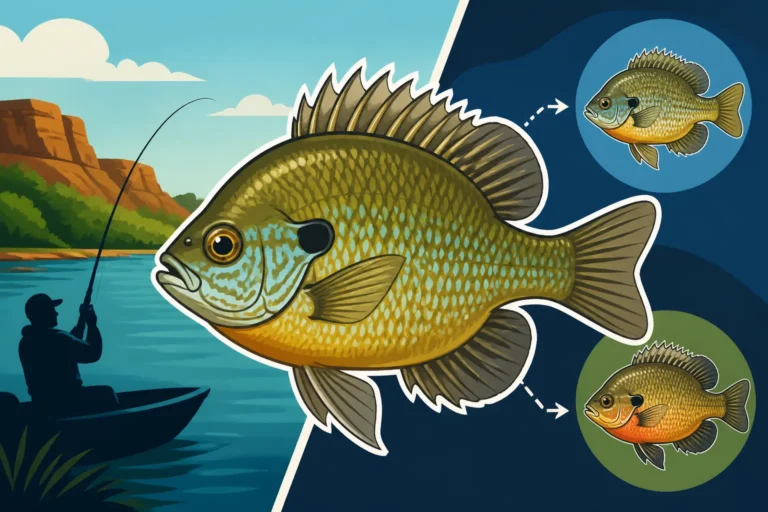
The absolute best time to catch bedding bluegill in Oklahoma generally kicks off in late spring, usually around May, and can continue in waves well into the summer, sometimes even through August. The primary trigger for bluegill to start bedding is water temperature. They really get active when the water consistently hits the 70-degree Fahrenheit mark. Think about those beautiful, sunny days after a string of warm nights – that's often when they decide it's time.
However, it's not just about a single temperature threshold. Bluegill often spawn during or just after the full moon cycles in spring and early summer. It's almost like they get a lunar signal that tells them, "Alright, time to get to work!" So, while you're keeping an eye on your water thermometer, also glance at your calendar for those full moon phases. They aren't as picky as some other species that have a very tight spawning window; bluegill will actually move into beds in waves, with different groups spawning over several weeks or even months. This means you often have multiple opportunities throughout the warm season. This extended period is fantastic for anglers because it means you don't have to hit a tiny, perfect window to find them. Knowing How Water Temperature Affects Fish Feeding Habits can certainly help you anticipate their movements.
Ideal Water Conditions for Bluegill Beds
Once the water temperature is right, bluegill seek out specific areas to create their nests. They're not just going to drop eggs anywhere! They're looking for prime real estate, typically in shallow water, anywhere from just a foot or two deep down to five or six feet.
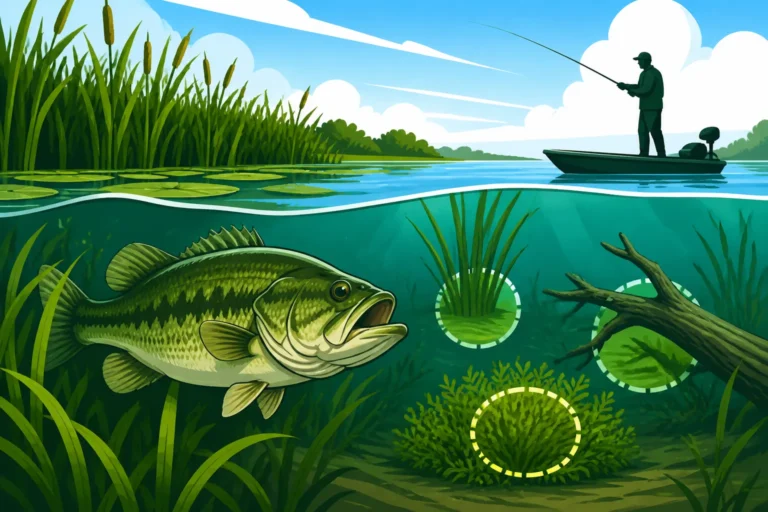
They prefer hard bottom areas like sand, gravel, or even shell beds. These firmer substrates provide a good base for their nests and help keep the eggs clean. You’ll often find these beds clustered together, sometimes dozens of them, creating a "colony" of nests. Think about a golf course with lots of divots – that’s what a bluegill bed looks like, just underwater. These fish also love to position their beds near some kind of cover, whether it's submerged stumps, docks, cattail edges, lily pads, or even just a slight drop-off. This cover offers them a sense of security from predators and provides a place for the fry to hide once they hatch. Look for these conditions in protected coves, along gentle sloping banks, or even in shallow pockets in larger reservoirs. Small ponds and community lakes in Oklahoma are also prime locations for discovering these easily visible spawning grounds.
Locating Bluegill Beds: Your Secret Weapon
Finding those elusive (or sometimes not-so-elusive) bluegill beds is a huge part of the fun. It’s like a treasure hunt, and once you know what to look for, you’ll start seeing them everywhere.
Visual Cues and Shallow Water Exploration
When the water is clear, your eyes are your best tools. Bluegill beds are distinctive. They are circular depressions, often about the size of a dinner plate (sometimes larger, sometimes smaller), cleared out by the male bluegill fanning his tail to remove debris. These nests will often be grouped together, sometimes so close that their edges almost touch. When you see one, chances are there are many more nearby.
To effectively spot them, especially on sunny days, a good pair of polarized sunglasses is indispensable. They cut through the glare on the water's surface, allowing you to peer beneath and see the subtle contours of the bottom. Approach likely areas very quietly, either by slowly paddling a kayak or canoe, or by using your trolling motor on a very low setting if you're in a boat. If you're bank fishing, walk slowly along the shoreline, looking into the shallows. Any sudden movements or loud noises can spook the fish, causing them to temporarily leave their beds. Take your time, observe, and let your eyes do the work. Remember, bluegill guarding their beds are often territorial and can be seen darting around, defending their space from perceived threats. This aggressive behavior makes them easier to spot and also more willing to strike.
Using Technology and Local Knowledge
While visual observation is paramount for bedding bluegill, especially in clear, shallow waters, technology can sometimes give you a hint, and local knowledge is always invaluable. For deeper beds, or in slightly stained water, a basic fish finder might show you some bottom changes or concentrations of fish in shallow areas. However, for those classic, dinner-plate shaped nests, your eyes are still king.
Where technology truly falls short, local insight shines. Don't be shy about striking up a conversation with folks at local bait shops near the lakes you plan to fish. They are often treasure troves of information, knowing general timings and popular bluegill hotspots. Other experienced anglers at the boat ramp or along the bank can also offer pointers. While they might not give you their exact secret spot, they can often confirm that the bluegill are indeed bedding in the area, or tell you which coves or sections of a lake are usually productive during the spawn. Online fishing forums or local Facebook groups for Oklahoma fishing can also provide general updates on what's biting and where, giving you a head start before you even get to the water. This kind of shared experience can really cut down on your search time.
Top Techniques for Bedding Bluegill
Once you've located a honey hole of bluegill beds, it's time to put your angling skills to the test. These fish are often eager to bite, but a refined approach will significantly increase your success.
Light Tackle and Stealthy Approaches
Fishing for bedding bluegill is all about finesse and presentation. You don't need heavy gear; in fact, ultralight or light spinning tackle is ideal. A lightweight rod, perhaps 5 to 6 feet long with a fast action tip, paired with a small spinning reel spooled with 4 to 6-pound test monofilament or fluorocarbon line, is perfect. This setup allows for precise, soft casts and lets you really feel every nibble and head shake from these spirited fighters. Using light line is crucial because bluegill, especially on beds in clear water, can be line-shy. They’re protecting their eggs, but they’re not stupid.
Stealth cannot be overstated when approaching active beds. If you're in a boat, use your trolling motor sparingly and at its lowest setting, or better yet, use a paddle or push pole to get into position. If bank fishing, move slowly and keep a low profile. Avoid casting a shadow directly over the beds. The goal is to present your bait as naturally as possible without alerting the fish to your presence. A gentle, accurate cast that lands your bait softly near or just inside the bed is far more effective than a noisy splash. Remember, you're trying to fool a fish that's literally staring at your bait as it drops.
Best Baits and Lures for Bedding Bluegill
Bluegill are not overly picky eaters, especially when they're aggressively protecting their nests. However, some baits and lures consistently outperform others.
Live Bait:
- Worms: A classic for a reason. Small pieces of a red worm or a nightcrawler on a tiny hook are irresistible to bluegill.
- Crickets: Another fantastic choice. Their natural wiggling action on the surface or just below drives bluegill wild.
- Waxworms/Mealworms: These small grubs are perfect for small panfish mouths and can be very effective.
- Small Minnows: While not typically the first choice for bluegill, very small minnows can attract larger bluegill.
Artificial Lures:
- Tiny Jigs: Micro jigs, usually 1/32 to 1/64 ounce, tipped with a small plastic grub, tube, or hair tail are deadly. Colors like white, chartreuse, pink, and black are often winners. You can find a fantastic selection of these small jigs and plastics on Amazon.
- Small Spinners: Tiny inline spinners with a single hook can be effective, especially when retrieved slowly near the beds.
- Flies: For fly anglers, small poppers, sponge spiders, or wet flies like a tiny Wolly Bugger can produce explosive strikes.
When considering your options, checking out Best Bait for Bluegill in Oklahoma Ponds can give you even more specific ideas that have worked for local anglers. You might also find some great tips for beginners on Best Bluegill Bait for Beginners.
Presenting Your Bait Effectively
How you present your bait is often as important as the bait itself. For bedding bluegill, a subtle and precise presentation is usually best.
- Under a Bobber: This is perhaps the most common and effective method. Use a small, sensitive bobber (a slip bobber is great for adjusting depth quickly). Set your depth so your bait hangs just above the bed or right in the middle of it. The bobber keeps your bait in the strike zone and signals even the lightest bite. A gentle twitch can give your bait some enticing action.
- Tight-Lining: If you're feeling adventurous or the bluegill are particularly aggressive, you can fish without a bobber. Simply cast your small jig or live bait onto the bed and let it sink slowly. Watch your line carefully for any twitch or pause – that's a bite! This method works well for very shallow beds where a bobber might spook the fish.
- Sight Fishing: This is where those polarized sunglasses really come into play. If you can clearly see the beds and the fish, you can literally cast your bait right in front of a bluegill's nose. Watch how they react. If they ignore it, try a different bait or a more subtle presentation. If they flare their gills or chase it, you're in business. This direct engagement is incredibly exciting and effective.
No matter the technique, aim for a soft, accurate cast. A noisy splash can send an entire bed of bluegill scattering. Gentle drops and patient retrieves are the keys to consistent success. For those just starting out, Best Fishing Techniques for Beginners offers valuable universal advice that translates well to bluegill fishing.
Ethical Considerations and Conservation
While bluegill are plentiful and fun to catch, especially during the spawn, it's our responsibility as anglers to practice good conservation habits.
Catch and Release vs. Keeping Your Catch
Bedding bluegill are incredibly vulnerable. They are focused on protecting their nests and can be easily caught. This makes them fantastic targets for a fun day of fishing, but it also means it's very easy to overharvest them. Catching and keeping too many fish from a single bed can significantly impact the local bluegill population, disrupting the spawning cycle and reducing future generations.
We definitely encourage taking home a mess of panfish for a delicious meal – there’s nothing quite like fresh fried bluegill! However, consider selective harvest. Take only what you and your family will realistically eat. If you find a particularly productive bed, maybe keep a few of the larger males (which are often the ones on the beds) and release the rest. Or, fish a bed for a short period, then move on to another area to spread out the pressure. Remember to always check the current Oklahoma's Bag Limit Rules by Species for bluegill and other panfish. While bluegill typically don't have super strict individual size limits like bass, adhering to the daily bag limit is crucial for sustaining the fishery. Teaching kids these habits early, perhaps by taking them on a Best Beginner Fish for Kids Just Starting Out trip, instills a lifelong appreciation for conservation.
| Fish Species | Typical Spawning Temp (F) | Preferred Depth (Feet) | Preferred Substrate | Vulnerability During Spawn |
|---|---|---|---|---|
| Bluegill | 68-75 | 1-6 | Sand, Gravel, Shell | High (Very Aggressive) |
| Largemouth | 60-70 | 2-10 | Gravel, Hard Mud | Moderate |
| Crappie | 55-65 | 2-10 | Gravel, Mud, Brush | Moderate |
| Channel Cat | 70-80 | 5-20 | Cavities, Holes | Low (Less Aggressive) |
Protecting Bluegill Habitats
Our actions on the water can have a lasting impact on fish populations and their environments. When you're fishing for bedding bluegill, be mindful of their spawning grounds. Avoid disturbing the nests unnecessarily. This means trying not to wade directly through active beds, which can damage eggs or stress the fish. If you're in a boat, be cautious with your prop wash or trolling motor, especially in very shallow areas where beds are present. Excessive wake or prop wash can stir up silt and cover eggs, or even displace the fish from their nests.
Maintaining the integrity of shoreline cover, such as lily pads, cattails, or submerged brush, is also important. These areas provide critical sanctuary for adult bluegill and nurseries for newly hatched fry. By practicing responsible angling, such as proper catch-and-release techniques and respecting their natural environment, we ensure that bluegill populations remain healthy and continue to provide fantastic fishing opportunities for years to come. Many of these habits are relevant whether you're fishing from a boat or exploring Best Bank Fishing Spots Setup Tips at your local pond. You might also want to think about What Fish Can You Catch Year-round in Local Ponds to spread your fishing pressure throughout the year.
The thrill of finding those bluegill beds, seeing the fish guard their nests, and feeling that sharp tug on your ultralight rod is an experience that keeps us coming back. By understanding their patterns, using the right techniques, and always practicing responsible angling, you're not just ensuring a great day of fishing for yourself, but helping to preserve this wonderful resource for future generations of Oklahoma anglers.
Disclaimer
This article is for general informational purposes only and does not constitute professional advice. Laws, prices and regulations vary by location and change over time. Consult a qualified professional for guidance on your specific situation.