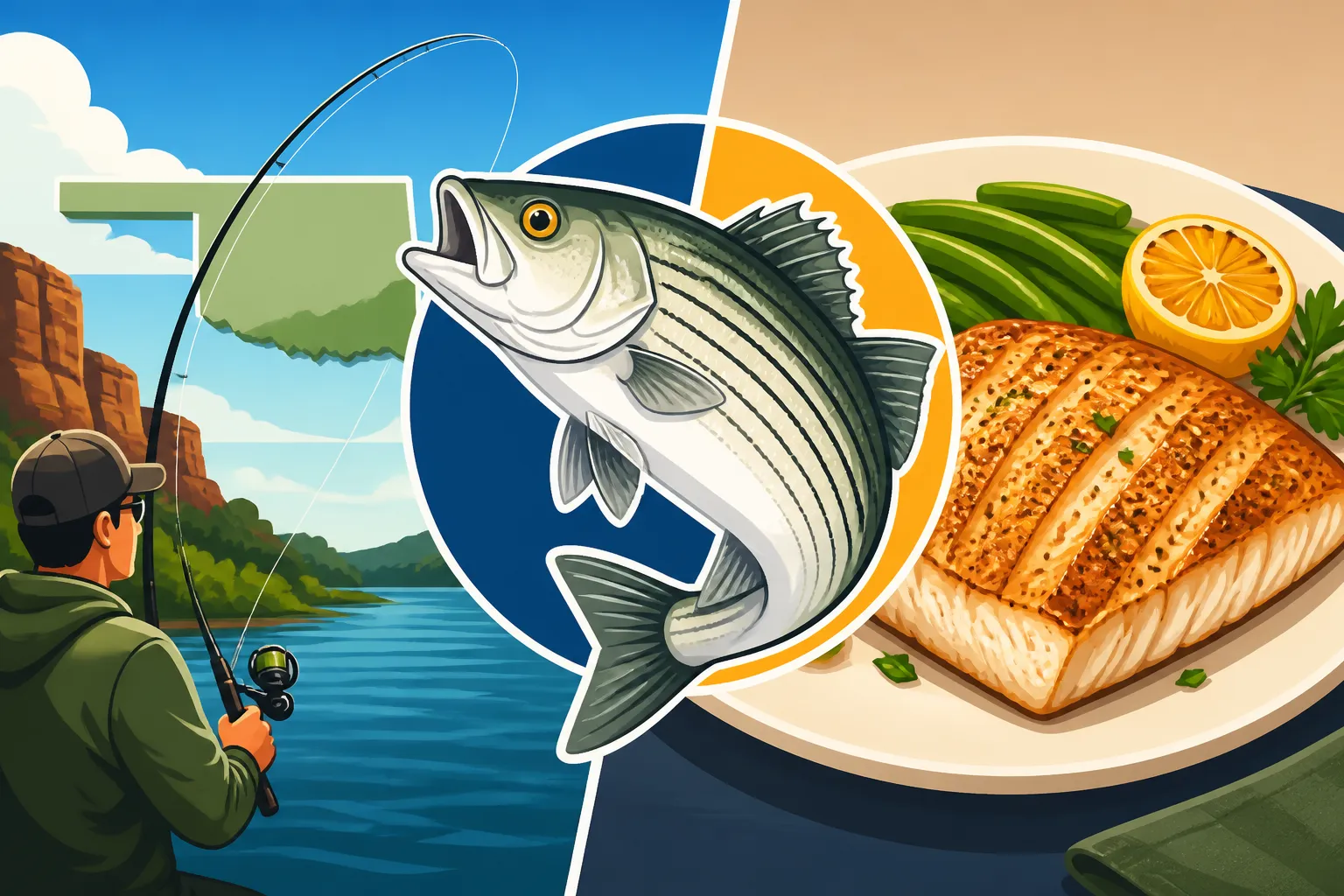
Is Striped Bass Good to Eat?
There's a common misconception that landlocked striped bass, like the mighty ones we pull from Oklahoma's premier reservoirs, might not taste as good as their ocean-dwelling cousins. You might be wondering if that hard fight on the end of your line translates into a less-than-stellar meal, or if they're even worth the effort to clean and cook. Let me tell you, if handled correctly from the moment they hit the deck, Oklahoma's striped bass can be an absolutely delicious table fare, rivaling many saltwater species. This guide will walk you through what makes them so good and how to ensure your next striper dinner is a triumph.
The Oklahoma Striped Bass Experience: A Culinary Gem
For many anglers, the thrill of catching a striped bass in Oklahoma, especially on a lake like Texoma, is matched only by the anticipation of a delicious meal. These powerful fish offer both a challenging fight and a rewarding culinary experience, provided you know how to bring out their best flavors.
Taste Profile of Oklahoma Stripers
So, what exactly does a Lake Texoma striper taste like? Generally, you can expect a firm, flaky white meat with a mild, slightly sweet, and non-fishy flavor. It's often compared to snapper or even swordfish, though usually a bit more tender than the latter. The flavor profile can be influenced by a few factors, but overall, it's a very palatable fish that even those who are usually hesitant about "fishy" tastes tend to enjoy. The meat holds up well to various cooking methods, which is a huge bonus for versatility in the kitchen.
What distinguishes our Oklahoma stripers, particularly those from Lake Texoma, is their consistent diet. These fish are predators, often feasting on shad and other baitfish in the nutrient-rich waters of our reservoirs. This consistent, high-protein diet contributes significantly to their firm flesh and clean taste. Unlike some bottom feeders, stripers are active hunters in open water, which tends to keep their meat cleaner and less prone to undesirable flavors. You'll find that the meat isn't oily in an unpleasant way; rather, it has just enough fat content to keep it moist and flavorful.
Why Oklahoma Stripers are a Unique Catch
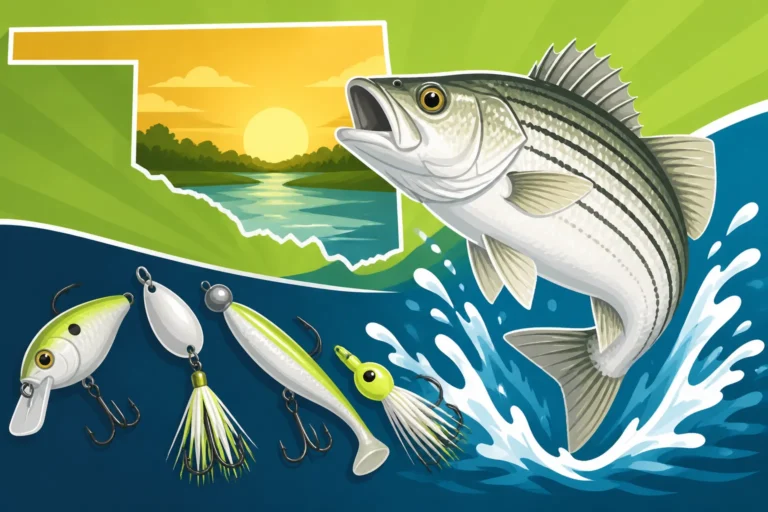
Fishing for striped bass in Oklahoma is a truly unique adventure. Unlike most states where stripers are purely a saltwater species, here in Oklahoma, we have thriving landlocked populations, primarily in Lake Texoma, but also in Keystone Lake, Lake Eufaula, and others. These fish adapt incredibly well to freshwater environments, growing to impressive sizes and providing an incredible angling challenge. The fight they put up is legendary, often involving long runs and powerful head shakes that will test your gear and your resolve. You can learn more about these fascinating fish in our guide Oklahoma's Striped Bass: An Introduced Species Guide.
The uniqueness extends to the table. Because they live in freshwater, some anglers report a slightly different, perhaps even milder, flavor compared to their ocean counterparts, without the lingering "briny" taste that some saltwater fish can have. This makes them incredibly appealing to a wider audience. When you catch an Oklahoma striper, you're not just getting a meal; you're savoring a piece of a truly remarkable conservation success story. The experience from the hook-set to the plate is pure Oklahoma fishing at its finest, offering a taste that's distinctly ours.
Factors Affecting Taste and Quality
Even the best-tasting fish can be ruined if not handled properly. When it comes to striped bass, a few critical steps from the moment you reel them in to the time they hit your cooler can make all the difference between a good meal and a truly exceptional one.
Diet and Water Quality Impact
The old adage "you are what you eat" holds true for fish, and striped bass are no exception. The primary diet of Oklahoma's landlocked stripers, especially those in prime fisheries like Lake Texoma, consists largely of threadfin and gizzard shad. This natural, abundant food source is rich in protein and healthy fats, which directly translates to the clean, firm, and flavorful meat that anglers prize. A fish with a diverse and healthy diet tends to have better-tasting flesh. This is why when you're targeting stripers, you're usually finding them in areas where these baitfish are plentiful, ensuring they're well-fed.
Water quality also plays a significant role. Oklahoma's larger reservoirs, particularly those managed for fisheries, generally boast good water quality. Clean, well-oxygenated water helps fish thrive and prevents their flesh from absorbing off-flavors that can occur in stagnant or polluted environments. While major issues are rare in our big fishing lakes, it's always a good practice to be aware of any local advisories that might pop up, especially after heavy rains or in specific coves. Thankfully, the vast majority of the time, our striped bass are swimming in excellent conditions, contributing to their prime culinary state. For tips on where to find these quality fish, check out Where to Catch Striped Bass in Oklahoma.
Proper Handling from Catch to Cooler
The moment a striped bass comes out of the water, its quality for the table begins to diminish. To preserve that mild, fresh flavor, immediate and proper handling is crucial. The first step is to dispatch the fish quickly and humanely. A swift blow to the head or a process called "ikejime" (a Japanese method that paralyzes the fish and minimizes stress) can reduce the buildup of lactic acid in the muscles, which can otherwise lead to tougher, less flavorful meat. This immediate action also prevents the fish from thrashing around, bruising its flesh.
Once dispatched, it's vital to get the fish on ice as quickly as possible. A good quality cooler, pre-chilled and packed with plenty of ice, is your best friend. Don't just throw the fish on top of a few cubes; submerging it completely in an ice-water slurry works even better to rapidly drop its core temperature. This slows down bacterial growth and enzymatic reactions that degrade the meat. Think of your cooler as a portable refrigerator for your catch. Even a short trip back to the boat ramp can negatively impact quality if the fish isn't properly chilled. Many serious anglers even keep a smaller cooler specifically for this purpose in their boat.
Bleeding and Icing for Best Flavor
This step is a game-changer for many species, and striped bass are no exception: bleeding your fish. When a fish struggles, blood gets pumped into the muscles. If this blood isn't removed, it can oxidize and impart a strong, "fishy" or metallic taste to the fillets. To bleed a striped bass, make a quick cut behind the pectoral fins, severing the main artery. You'll see a rush of blood, and it's best to do this while the fish is still in the water or placed over the side of the boat in a livewell for a few minutes to allow the blood to drain completely.
After bleeding, rinse the fish thoroughly and immediately get it onto that ice-water slurry we talked about. This combination of bleeding and rapid chilling locks in freshness and flavor. Some anglers even take it a step further and gut the fish before putting it on ice, especially on longer trips or particularly warm days, as this removes organs that can contribute to spoilage. While gutting on the boat might not always be practical, bleeding and icing are non-negotiable for achieving the best possible table fare from your Oklahoma striped bass. Investing in a good cooler, like those found readily on Amazon, is one of the best investments an angler can make for their culinary enjoyment.
Preparing Your Catch: From Fillet to Fork
You've done the hard work of catching and properly handling your striped bass. Now comes the exciting part: turning that fresh catch into a magnificent meal. The versatility of striped bass meat means you have a wide array of cooking options.
Cleaning and Filleting Your Striped Bass
Cleaning a striped bass effectively is key to maximizing your yield and ensuring a boneless, skinless fillet ready for cooking. Stripers have tough scales, so a sturdy, sharp filleting knife is essential. Many anglers prefer a flexible blade around 7-9 inches for this task. You can find excellent filleting knives on Amazon that will make this process much smoother. Start by laying the fish on its side on a clean cutting board. Make a cut behind the gill plate and pectoral fin, down to the backbone. Then, turn your knife parallel to the backbone and run it down the length of the fish, separating the fillet from the rib cage. Repeat on the other side.
Once you have the two main fillets, you'll need to remove the rib bones and the skin. To remove the rib bones, simply cut them out in a V-shape. For skinning, lay the fillet skin-side down, hold the tail end firmly, and make a small incision to separate a piece of skin from the meat. Then, angle your knife slightly down towards the skin and, using a sawing motion, work the blade between the meat and the skin, pulling the skin taut as you go. You'll be left with beautiful, clean fillets. Remember that stripers often have a "red meat" or "bloodline" strip along the lateral line. While not harmful, many prefer to trim this away as it can have a stronger, oilier flavor.
Popular Cooking Methods for Stripers
The firm, white flesh of striped bass lends itself well to nearly any cooking method. Here are some of the most popular and delicious ways to prepare it:
- Grilling: This is a fan favorite, especially for larger fillets. A simple seasoning of salt, pepper, garlic powder, and a squeeze of lemon juice is often all you need. You can grill directly on grates, in a fish basket, or wrapped in foil with some vegetables. The high heat gives a nice sear and keeps the inside flaky and moist.
- Baking/Roasting: Perfect for a hands-off approach. Place fillets on a baking sheet, drizzle with olive oil, herbs (dill, parsley, thyme work wonderfully), and lemon slices. Bake at 375-400°F (190-200°C) until cooked through. This method keeps the fish incredibly tender.
- Pan-Searing: For a crispy exterior, pan-searing is fantastic. Heat a cast-iron or heavy-bottomed skillet with a little oil or butter over medium-high heat. Sear the fillets for 3-5 minutes per side, depending on thickness, until golden brown.
- Frying: While some might say frying is best for "lesser" fish, a perfectly fried striper fillet is hard to beat. A light dredge in seasoned flour, cornmeal, or a beer batter creates a delightful crunch. Just be careful not to overcook, as this can dry out the fish.
- Blackening: A spicy, flavorful option! Coat fillets generously in blackening seasoning and sear in a super-hot cast-iron skillet, preferably outdoors due to the smoke.
- Fish Tacos: Cut cooked striper into flakes or strips and serve in warm tortillas with slaw, avocado, and a spicy crema for an incredible meal.
Recipe Ideas and Flavor Pairings
Striped bass is a blank canvas for flavors. Its mild taste means it pairs well with a variety of herbs, spices, and sauces. Here are a few ideas to get your culinary creativity flowing:
For a classic, light approach, try baking your fillets with lemon slices, a pat of butter, and fresh dill. This simple combination highlights the natural sweetness of the fish. If you're feeling a bit more adventurous, consider a Mediterranean-inspired dish: grill your striper with cherry tomatoes, Kalamata olives, capers, and a splash of white wine. The tangy, briny flavors complement the fish beautifully.
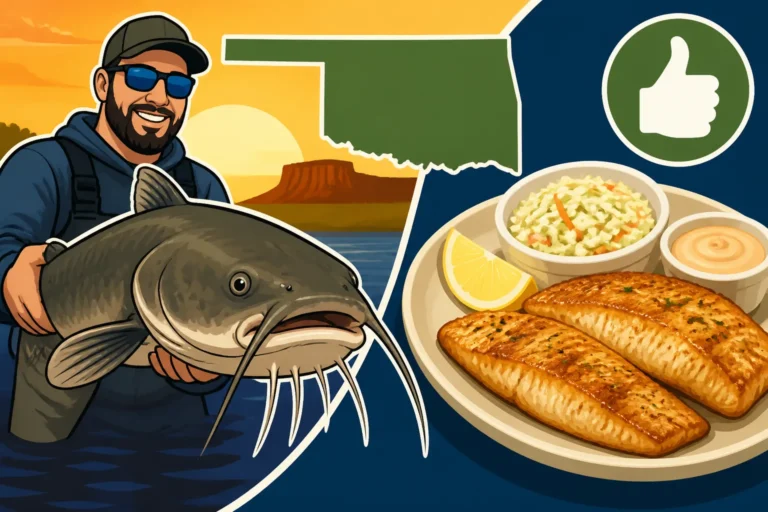
Many Oklahoma anglers love a good blackened striper sandwich. The spice from the blackening seasoning provides a fantastic kick, often mellowed by a cool coleslaw or a creamy remoulade. Don't forget, you can also use striped bass in ceviche, fish curries, or even simple fish and chips. Its firm texture holds up well in soups and stews too. For those interested in expanding their fish recipe repertoire, searching online for "mild white fish recipes" will yield a treasure trove of ideas that can be adapted for your Oklahoma striper.
| Cooking Method | Best For | Flavor Profile | Tips for Success |
|---|---|---|---|
| Grilling | Larger fillets, outdoor cooking | Smoky, tender, slight char | Use a fish basket to prevent sticking; don't overcook. |
| Pan-Searing | Quick meals, crispy skin (if kept on) | Rich, buttery, golden crust | Get pan very hot; use high smoke point oil. |
| Baking/Roasting | Hands-off, delicate textures | Moist, flaky, infused with herbs | Add vegetables to the pan; cover with foil for extra moisture. |
| Frying | Classic comfort food, crunchy | Crispy exterior, tender interior | Use a light batter/breading; fry in batches to maintain oil temp. |
| Blackening | Spicy, bold flavors | Pungent, smoky, fiery | Use well-ventilated area; press seasoning firmly onto fish. |
Safety and Consumption Considerations
While Oklahoma striped bass are generally safe and delicious to eat, it's always smart to be mindful of general food safety and any local advisories that might be in place. This ensures you're enjoying your catch in the healthiest way possible.
General Advisories and Local Guidelines
When it comes to consuming any wild-caught fish, including striped bass, it’s always a good idea to stay informed about any consumption advisories issued by local authorities. The Oklahoma Department of Wildlife Conservation (ODWC) regularly monitors fish populations and water quality in our reservoirs. While striped bass are generally considered a clean fish, larger, older fish can accumulate more of certain compounds over time. For instance, mercury can be a concern in some long-lived predatory fish, regardless of species or location.
It's crucial to check the most current ODWC fishing regulations and consumption advisories before you head out or plan your meal. These advisories are put in place for public health and typically offer guidance on how often to consume certain species or from specific bodies of water, especially for vulnerable populations like pregnant women or young children. These guidelines are usually found on the ODWC's official website and are regularly updated, so make it a habit to glance at them. This isn't unique to Oklahoma; responsible anglers everywhere check local guidelines.
Storing Your Fillets Safely
Once you've cleaned and filleted your striped bass, proper storage is paramount to maintaining its quality and safety. Fresh fish is perishable, and even a few hours at the wrong temperature can compromise its integrity. The best immediate storage is to place your fillets in a Ziploc bag or airtight container, submerged in ice in your refrigerator. This keeps them super cold, ideally between 32-34°F (0-1°C), which is colder than most standard refrigerator compartments achieve alone. Consume fresh fillets within 1-2 days.
For longer storage, freezing is your best option. To prevent freezer burn and preserve texture, I highly recommend using a vacuum sealer. These devices, widely available on Amazon, remove all the air from around your fillets, which is the main culprit behind ice crystals and dry, flavorless fish. If you don't have a vacuum sealer, wrap individual fillets tightly in plastic wrap, then again in aluminum foil, and place them in a freezer bag, squeezing out as much air as possible. Properly frozen striped bass can last 6-12 months, though for optimal taste, try to eat them within 3-6 months. Remember to thaw frozen fish slowly in the refrigerator overnight before cooking for the best results.
Disclaimer
This article is for general informational purposes only and does not constitute professional advice. Laws, prices and regulations vary by location and change over time. Consult a qualified professional for guidance on your specific situation.