Why Striped Bass Are Not Native to Oklahoma
Many anglers hitting the waters of Oklahoma often marvel at the powerful fight of a striped bass, but sometimes there's a lingering question: are these incredible game fish native to our state? The truth might surprise some, as striped bass, while a beloved and highly sought-after species here, actually aren't indigenous to Oklahoma. This guide will dive deep into why striped bass found their way into our reservoirs, how they've thrived, and what this means for the ecosystem and your fishing experiences.
Understanding Native Versus Introduced Species
When we talk about fish species, the distinction between "native" and "introduced" is pretty crucial, especially for the health and balance of an ecosystem. A lot of folks might assume if a fish is common and healthy in a waterway, it must have always been there. But that's not always the case, and with striped bass in Oklahoma, it's a prime example.
What Does "Native" Really Mean?
A native species, also sometimes called an indigenous species, is one that occurs naturally in a particular region without human introduction. These species have evolved over millennia within their specific environment, adapting to the climate, food sources, predators, and other organisms around them. They're part of the original biological fabric of a place, playing an integral role in the natural food webs and ecological processes. Think about our beloved largemouth bass or channel catfish; these fish have been calling Oklahoma home for countless generations, evolving right alongside our rivers and lakes. Their presence helps define the unique ecological character of our waterways.
The Role of Introduced or Non-Native Species
Introduced species, on the other hand, are those that have been moved by human activity, intentionally or unintentionally, to an area where they don't naturally occur. These can sometimes be called "exotic" or "non-native." The reasons for introduction vary wildly. Sometimes it's accidental, like hitchhiking on boats or through connecting waterways. More often, especially with game fish, it's a deliberate effort by wildlife agencies to enhance fishing opportunities, control other species, or fill an ecological niche. The introduction of striped bass into Oklahoma falls squarely into this intentional category, driven by a desire to create a world-class sport fishery in our large reservoirs. While the intention is often good, these introductions can sometimes have unforeseen impacts, both positive and negative, on the existing native populations and the overall aquatic environment.
The Journey of Striped Bass to Oklahoma Waters
The story of how striped bass came to Oklahoma is a fascinating tale of human intervention and ecological engineering. These powerful, ocean-going fish certainly didn't swim up the Mississippi River and into our landlocked state on their own! Their presence is a testament to careful planning and extensive stocking programs.
Where Striped Bass Naturally Call Home
Originally, striped bass ( Morone saxatilis) are an anadromous species, meaning they spend most of their lives in saltwater, typically in the coastal waters along the Atlantic Ocean from Canada down to Florida, and also in the Gulf of Mexico. They migrate into freshwater rivers to spawn, similar to salmon. This natural life cycle is a far cry from the vast, landlocked freshwater reservoirs we have here in Oklahoma. This fundamental difference in their natural habitat highlights why their thriving presence in places like Lake Texoma is such a remarkable achievement. They are built for the currents and vastness of the ocean, returning to specific river systems year after year, a journey completely different from navigating a reservoir created by a dam.
Why Oklahoma Introduced Striped Bass
So, if they're saltwater fish, why bring them to Oklahoma? The answer lies in the incredible potential of our massive reservoirs, particularly Lake Texoma. In the mid-20th century, wildlife agencies, including the Oklahoma Department of Wildlife Conservation (ODWC) and their Texas counterparts, saw these large impoundments as ideal places to introduce a powerful, fast-growing game fish that could withstand warmer waters and utilize the abundant forage fish, especially gizzard shad. The idea was to create a trophy fishery, giving anglers a new and exciting challenge, and to help manage populations of baitfish.
The first successful introduction of striped bass into a freshwater lake in the United States happened at Santee Cooper Reservoir in South Carolina in the 1940s. Seeing this success, Oklahoma and Texas began their own efforts in Lake Texoma in the late 1960s and early 1970s. The hope was that these fish would adapt to a purely freshwater existence, which, to everyone's delight, they did! How Striped Bass Came to Oklahoma: An Introduced Species is a really interesting read if you want to dive deeper into the historical specifics.
Early Stocking Efforts and Successes
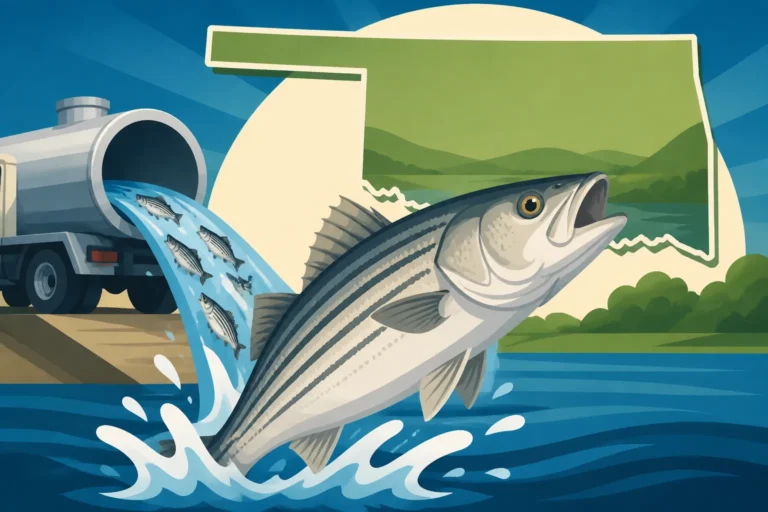
The initial stocking efforts at Lake Texoma involved transporting juvenile striped bass from coastal hatcheries. It wasn't an overnight success, but with persistent efforts and the right environmental conditions, these introduced stripers began to not only survive but thrive. What surprised many was their ability to establish a self-sustaining population, particularly in Lake Texoma. Unlike many other landlocked striped bass fisheries that require continuous stocking, Lake Texoma's unique blend of deep, cool water, abundant shad, and inflowing rivers like the Red and Washita provided the perfect conditions for natural reproduction. This natural spawn is what truly cemented Lake Texoma's reputation as a world-class striped bass fishery. Lake Texoma's Striped Bass Fishery in Oklahoma is a testament to this success story.
Ecological Impact and Management of Striped Bass
The introduction of any non-native species, no matter how well-intentioned, inevitably leads to changes in the local ecosystem. Striped bass in Oklahoma are no exception, and their presence has led to both benefits and considerations for management.
Integrating into the Food Web
Striped bass are voracious predators. Their diet in Oklahoma reservoirs consists primarily of gizzard shad and other baitfish. When they were introduced, they essentially filled a vacant niche as a large, open-water predator. This helped control baitfish populations, which can sometimes become overabundant and outcompete other species for resources. Because stripers tend to inhabit open water and deeper, cooler parts of the lake, they generally don't directly compete with native largemouth or smallmouth bass for habitat. They often share a similar diet, but their preferred environments and hunting methods allow them to coexist without major detriment to native populations. However, ongoing monitoring by the ODWC is crucial to ensure this balance remains healthy.
Unique Challenges of a Landlocked Species
While Lake Texoma is famous for its self-sustaining striped bass population, other Oklahoma reservoirs, like Keystone Lake and Lake Eufaula, also boast robust striper fisheries, though these often rely on consistent stocking by the ODWC. Maintaining these fisheries comes with its own set of challenges. Agencies must monitor water quality, particularly dissolved oxygen levels in the deeper, cooler waters that stripers prefer, especially during hot summer months. They also need to manage forage fish populations to ensure there's enough food to support these large predatory fish. This active management is a significant difference compared to native species that naturally regulate their own populations within the ecosystem.
Oklahoma Department of Wildlife Conservation's Role
The ODWC plays a pivotal role in managing striped bass populations across the state. They conduct regular surveys to assess fish health, growth rates, and reproductive success. Based on this data, they determine stocking numbers for reservoirs that can't sustain a natural spawn. They also set and enforce Striped Bass Rules and Limits in Oklahoma to ensure the fishery remains healthy and productive for future generations of anglers. These regulations might include bag limits, size limits, and even tackle restrictions in certain areas. It's a constant balancing act between providing exciting fishing opportunities and safeguarding the ecological integrity of our state's waterways.
What This Means for Anglers
For those of us who love to cast a line in Oklahoma, the non-native status of striped bass doesn't make them any less exciting to catch. In fact, understanding their journey and characteristics can actually help you become a more successful angler.
Fishing for Oklahoma's "Adopted" Stripers
Fishing for striped bass in Oklahoma is a truly unique experience. Their powerful runs and impressive size make them a prime target for many anglers. Knowing they are an introduced species helps us appreciate the effort that went into creating these fisheries and understanding why they are found in certain types of lakes. For instance, you'll generally find them in large, deep reservoirs with ample cool water and a strong shad population, like Lake Texoma, Keystone Lake, or Kaw Lake.
Anglers often need specialized gear to tackle these hard-fighting fish. A robust medium-heavy to heavy action rod with a strong reel spooled with braided line is often preferred, especially when trolling or casting large baits in open water. If you're looking to stock up on the right equipment, you can find a wide array of specialized striper fishing gear, from powerful rods to durable reels and a variety of lures, on platforms like Amazon.
Techniques and Seasonal Patterns
Because stripers are accustomed to vast, open-water environments, successful techniques often involve covering a lot of water. Trolling with large crankbaits, swimbaits, or live bait like shad is incredibly popular, especially on immense bodies of water such as Lake Texoma. When the stripers are schooling and actively feeding on shad near the surface, casting topwater lures or throwing spoons can provide exhilarating action. Understanding Striped Bass Fishing Techniques for Oklahoma's Lake Texoma can dramatically improve your chances of success.
Their behavior also changes with the seasons. In warmer months, they'll often retreat to deeper, cooler waters, making deep-water trolling or fishing at dawn and dusk critical. In spring and fall, as water temperatures become more favorable, they might be found shallower or in the middle of open water chasing baitfish. How Striped Bass Fishing Changes Through the Seasons at Lake Texoma, Oklahoma further illustrates these dynamic patterns.
Respecting the Resource
Even though striped bass are not native, they are a vital and cherished part of Oklahoma's angling landscape. As responsible anglers, it's our job to respect the regulations set by the ODWC. Adhering to bag limits and size restrictions ensures that these exciting fisheries remain productive for years to come. Whether you're planning a trip to specifically target these majestic fish or just happen to hook into one while fishing for something else, understanding their story adds another layer of appreciation to the experience.
For those interested in the bigger picture of what makes a fish "native" versus "introduced," or want to hone their skills for species like the striped bass, there are plenty of resources. Checking out guides on Oklahoma's Striped Bass: An Introduced Species Guide or even learning to differentiate them from other species like White Bass vs Striped Bass: How to Tell Them Apart can make you a more informed and effective angler. The world of Oklahoma fishing is rich and varied, and the story of the striped bass is just one fascinating chapter in it.
Comparative Overview: Native vs. Introduced Fish Considerations
To help summarize some of the key differences and implications when considering native versus introduced fish species like the striped bass in Oklahoma, here's a quick table.
| Feature / Aspect | Native Species (e.g., Largemouth Bass, Channel Catfish) | Introduced Species (e.g., Striped Bass in Oklahoma) |
|---|---|---|
| Origin in Ecosystem | Evolved naturally within the specific region | Brought into the region by human activity |
| Natural Habitat | Historically present in current waterways | Original habitat typically coastal saltwater/estuaries |
| Primary Reason for Presence | Natural evolution and colonization | Intentional stocking for sport or ecological management |
| Ecological Role | Integral part of the original food web and balance | Fills new niche, may compete or enhance existing balance |
| Management Focus | Conservation of existing populations and habitat | Stocking programs, monitoring for ecological impact |
| Reproduction | Typically self-sustaining without human intervention | May be self-sustaining (Texoma) or require stocking (others) |
| Angler Perception | Traditional, well-understood targets | Exciting, trophy-potential, often requiring specialized gear |
| Considerations | Preserve habitat, understand natural cycles | Adhere to specific regulations, appreciate unique fishery |
Disclaimer
This article is for general informational purposes only and does not constitute professional advice. Laws, prices and regulations vary by location and change over time. Consult a qualified professional for guidance on your specific situation.