Is Flathead Catfish Good to Eat?
It’s a common question among Oklahoma anglers, especially if you’ve just landed a big one: is that flathead catfish actually good to eat? There’s a lot of chatter out on the lakes about different catfish species and their culinary value, and it can be hard to sift through all the opinions. This guide aims to clear up the confusion and dive deep into what makes flathead catfish a prized catch for the dinner table, offering practical advice on preparing and cooking this incredible fish.
The Unique Flavor Profile of Flathead Catfish
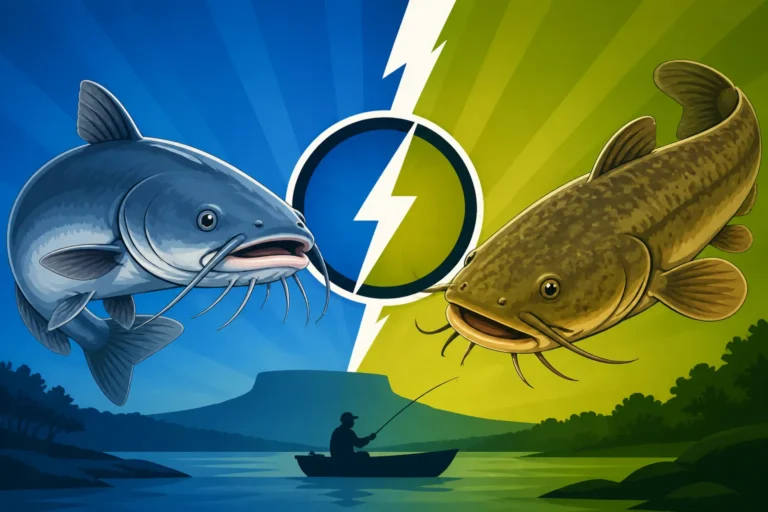
When you talk about flathead catfish, you're not just talking about any old bottom feeder. These fish have a distinctly different flavor and texture compared to their channel and blue catfish cousins. Many anglers consider flathead to be superior table fare, and for good reason. They're often found in clear, flowing waters or in deep structure, and their diet of primarily live fish contributes significantly to their clean, mild taste.
Factors Influencing Taste and Texture
The taste of a flathead catfish isn't just about the species; several factors play a huge role in how delicious that fillet will be. First and foremost is their diet. Flatheads are opportunistic predators, often feasting on smaller fish, crawfish, and other natural forage. This natural, protein-rich diet, as opposed to scavenging, results in a much cleaner, less "muddy" flavor that some associate with other bottom-dwelling fish.
Another critical factor is the water quality of the lake or river where the fish was caught. Flatheads from clear, well-oxygenated waters, like the deeper sections of Grand Lake O' the Cherokees or Tenkiller Ferry Lake, tend to have a sweeter, milder flavor than those from shallower, warmer, or murkier environments. Lastly, size matters, but not always in the way you might think. While a huge flathead can be an impressive catch, many experienced anglers agree that smaller to mid-sized flatheads, say in the 5 to 15-pound range, often have the best texture and flavor. The meat tends to be firmer and less oily than a massive trophy fish.
Comparing Flathead to Other Catfish Species
If you've eaten channel catfish or blue catfish, you'll immediately notice the difference with a flathead. Channel catfish, while popular, can sometimes have a slightly stronger, more "fishy" taste, especially larger ones, and their flesh can be a bit softer. Blue catfish tend to have a good, mild flavor, particularly the smaller ones, but still generally present a coarser flake than a flathead.
Flathead catfish, on the other hand, are renowned for their firm, flaky, white meat. It's often compared to other popular white fish like cod or snapper due to its mildness and lack of a strong "fishy" odor or taste. This makes them incredibly versatile in the kitchen, appealing even to those who aren't usually big fans of catfish. When you get a flathead that's been properly cared for and cooked, it's truly a delight. Understanding these differences can really elevate your experience, whether you're trying to How to Identify a Flathead Catfish or just curious about what's for dinner.
| Feature | Flathead Catfish | Channel Catfish | Blue Catfish |
|---|---|---|---|
| Flavor | Mild, clean, sometimes sweet | Mild to medium, slightly fishy | Mild, often described as sweetish |
| Texture | Firm, flaky, white meat | Softer, can be flaky | Firm to moderate, good flake |
| Diet Impact | Primarily live fish, cleaner taste | Varied diet, can be earthier | Varied, but often fish-heavy |
| Best Size | 5-15 lbs for table fare | 1-5 lbs for table fare | 5-20 lbs for table fare |
Cleaning and Preparing Flathead for the Table
Alright, so you've landed a beautiful flathead, maybe after a night out using your Best Bait for Flathead Catfish at Night. Now comes the crucial step to ensure it tastes as good as possible: proper cleaning and preparation. This isn't just about making it easier to cook; it's about preserving the delicate flavor and texture of the fish. A poorly cleaned fish, no matter the species, is rarely a culinary success.
Best Practices for Field Dressing
The moment you catch a flathead you intend to eat, start thinking about field dressing. The quicker you can get the fish chilled and, ideally, bled, the better. Bleeding the fish immediately after catching it helps to remove any residual blood from the meat, which can contribute to a stronger, more "fishy" flavor. A quick cut behind the gills and letting it bleed out in a cooler of ice water for a few minutes can make a world of difference.
Once bled, get your flathead on ice. A full cooler of ice is your best friend. This rapid chilling not only keeps the meat fresh but also firms it up, making the filleting process much easier later on. Many serious anglers swear by this method, especially when you're out on the water for hours. Don't just throw it in a warm bucket; treat that fish like the prized meal it's about to become! You can always check Oklahoma's Catfish Fishing Rules and Limits before you head out to ensure you're compliant.
Filleting and Skinning Techniques
Filleting a flathead takes a bit of practice, especially if you're used to smaller fish. Their thick skin and robust bone structure require a sharp, sturdy fillet knife. If you're looking for a good one, you can find excellent options on Amazon that make this job much easier. Start by making a cut behind the pectoral fin, down to the backbone. Then, turn the knife and run it along the backbone towards the tail, keeping the blade close to the bone to maximize your yield.
Skinning a flathead is also a distinct process. Unlike channel catfish, which are often skinned whole before filleting, flatheads are typically filleted first, and then the skin is removed from the fillet. Make a small cut at the tail end of the fillet, separating a small piece of skin from the meat. Grip the skin firmly with pliers and slide your knife blade between the skin and the meat, holding the knife at a slight downward angle. Pull the skin towards you while gently sawing with the knife, keeping the blade flat against the skin to avoid losing any precious meat. This technique ensures you get a clean, skinless fillet ready for cooking.
Popular Cooking Methods for Flathead Catfish
Now for the fun part: cooking your flathead! Because of its firm, mild, white flesh, flathead catfish is incredibly versatile. You can prepare it in countless ways, but some methods truly highlight its best qualities. Whether you're planning a quiet family dinner or a big cookout, there's a flathead recipe that's sure to be a hit. After all, if you're going to put in the effort to learn about Channel Catfish vs Blue Catfish vs Flathead Catfish in Oklahoma and Catfish Species You'll Find in Oklahoma, you might as well enjoy the fruits of your labor!
Frying and Blackening: Southern Classics
You can't talk about cooking catfish without mentioning frying! It's a Southern staple for a reason, and flathead catfish excels when fried. Its firm flesh holds up beautifully to the breading, resulting in a crispy exterior and a tender, flaky interior. A simple cornmeal-based breading, seasoned with salt, pepper, garlic powder, and paprika, is often all you need. Fry in hot oil until golden brown, and you'll have a dish that will make even the most hesitant seafood eaters ask for seconds.
Blackening is another fantastic method, especially for those who enjoy a bit of spice and a rich, savory crust. This technique involves coating the fillets in a blend of spices (often Cajun or Creole seasoning) and cooking them in a screaming hot, cast-iron skillet with a touch of butter. The high heat quickly sears the outside, creating a dark, flavorful crust while keeping the inside moist and tender. Serve it with some dirty rice or a fresh salad, and you've got a meal that's bursting with flavor. Many seasoned anglers who know their way around various Catfish Bottom Fishing Techniques also know their way around a skillet.
Grilling and Baking: Healthier Alternatives
If you're looking for lighter options, flathead catfish is also excellent when grilled or baked. Grilling adds a lovely smoky flavor and those appealing char marks, while baking offers a hands-off approach that’s perfect for a weeknight meal. For grilling, brush your fillets with olive oil, season well, and place them directly on medium-hot grates. Cook for a few minutes per side, until the fish flakes easily with a fork. It’s a great way to enjoy the natural flavor of the fish without heavy breading.
Baking is perhaps the easiest method. Simply place your seasoned fillets on a baking sheet, maybe with some lemon slices and fresh herbs, and bake at around 400°F (200°C) for 12-15 minutes, or until cooked through. This method keeps the fish incredibly moist and allows the natural flavors of the flathead to shine. You can also bake it "en papillote" (in parchment paper) with vegetables and a splash of white wine for an elegant, low-mess meal. It's a versatile fish that adapts well to nearly any culinary approach, making it a favorite among those who enjoy Jug Fishing for Catfish or Trotline Fishing for Catfish as much as they love to eat their catch. Don't forget to check out Is Blue Catfish Good to Eat? for more comparison!
Maximizing Your Flathead Catfish Culinary Experience
Beyond just cooking, there are little tips and tricks that can truly elevate your flathead catfish experience. From how you season it to how you store leftovers, paying attention to these details can make a significant difference. After all the effort of catching and cleaning, you want to ensure every bite is as delicious as possible.
Seasoning and Spice Pairings
Because flathead catfish has such a mild, clean flavor, it's a fantastic canvas for a wide array of seasonings. You can go simple with just salt, pepper, and a squeeze of lemon, which truly lets the fish's natural taste come through. For a little more flair, consider using common herbs like dill, parsley, thyme, or oregano. A sprinkle of paprika adds color and a subtle smokiness, while garlic and onion powder are always welcome additions.
If you like a bit of a kick, Cajun or Creole spice blends are practically made for catfish. These robust mixes often include cayenne pepper, paprika, garlic powder, onion powder, and other savory spices that create a vibrant flavor profile without overpowering the fish. Think about flavors you'd enjoy with chicken or pork, and many of those same seasonings will work beautifully with flathead. You can even find specialized fish seasoning blends on Amazon that take the guesswork out of creating the perfect flavor.
Safe Handling and Storage
Proper food safety is paramount, especially with fresh fish. Once your flathead is cleaned, if you're not cooking it immediately, make sure it's stored correctly. Fresh fillets should be kept in the coldest part of your refrigerator, ideally on a bed of ice in a sealed container, and consumed within 1-2 days. Don't let those beautiful fillets go to waste!
For longer storage, freezing is your best option. To prevent freezer burn and maintain quality, pat the fillets dry, wrap them tightly in plastic wrap or vacuum seal them, and then place them in a freezer bag. Some folks even like to freeze them in water to create an ice glaze that helps protect the fish. Properly frozen flathead can last for several months. When you're ready to cook, thaw the fillets slowly in the refrigerator overnight. This careful handling ensures that the firm, white meat retains its excellent texture and flavor, ready for your next culinary creation. And remember, keep an eye on those How Big Do Blue Catfish Get in Oklahoma and Best Catfish Fishing Spots in Oklahoma when planning your next trip!
Disclaimer
This article is for general informational purposes only and does not constitute professional advice. Laws, prices and regulations vary by location and change over time. Consult a qualified professional for guidance on your specific situation.