Pre-Spawn Bass Fishing Techniques
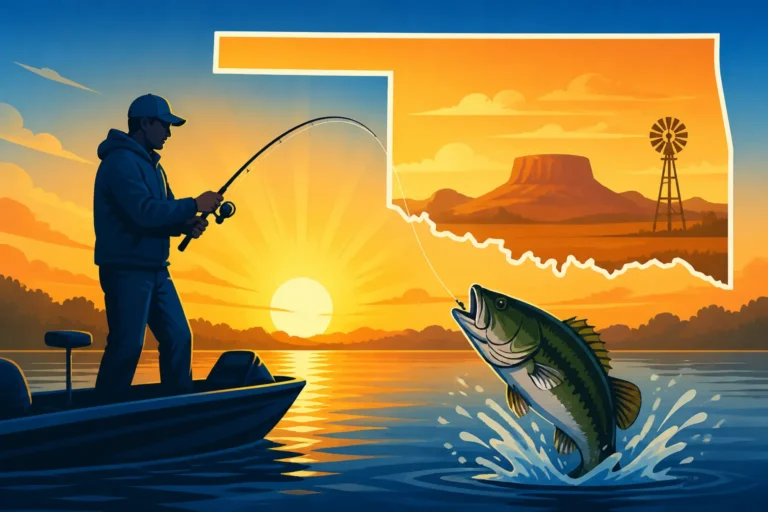
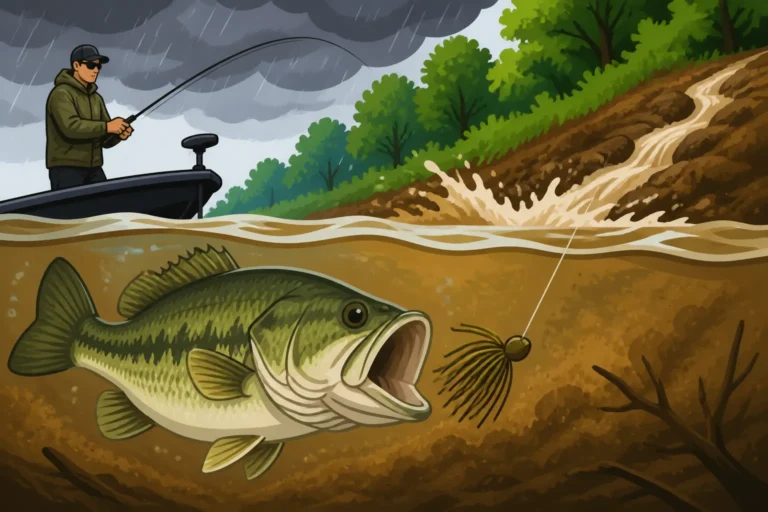
There's nothing quite as frustrating as hitting the water in early spring, knowing those big bass are starting to move, but just not being able to pinpoint where they are or what they want to eat. It's that tricky pre-spawn period in Oklahoma when fish aren't fully committed to the beds yet, making them both a challenge and a massive opportunity for trophy catches. This comprehensive guide will equip you with the knowledge, techniques, and gear selections you need to decode this elusive phase and consistently put more bass in your boat or on the bank.
Understanding the Pre-Spawn Phase in Oklahoma
The pre-spawn period is arguably one of the most exciting — and at times, perplexing — phases for bass fishing enthusiasts in Oklahoma. It’s that sweet spot right after winter's chill begins to fade, but before the chaos and intensity of the actual spawn. Bass are on the move, fueled by instinct, looking to fatten up and prepare for the energy-intensive act of spawning.
The Biological Urge: Why Bass Move Shallow
Think of bass in the pre-spawn as athletes preparing for a marathon. They're not quite at the starting line, but they're actively training and fueling up. Their biological clock is ticking, and as water temperatures begin their slow, steady climb, typically into the 50 to 60-degree Fahrenheit range, a powerful urge compels them. This urge isn't just about finding food; it's about staging, moving from their deeper wintering haunts towards the shallower, warmer areas where they'll eventually build their nests. They're seeking out areas that offer both warmer water and close proximity to spawning flats.
This behavior isn't uniform across all of Oklahoma's diverse bodies of water. On massive reservoirs like Lake Eufaula, known for its expansive shallow flats and standing timber, bass might stage in the deeper creek channels adjacent to those flats. Meanwhile, on a clearer, rockier lake like Grand Lake O' the Cherokees, you might find them staging on main lake points or bluff ends that absorb sunlight and warm up quickly, providing easy access to deeper water if a cold front pushes through. The physiological changes happening within the bass are preparing them for reproduction, meaning they're often aggressive feeders trying to pack on calories. If you can intercept them during this high-energy feeding window, you're in for some fantastic action.
Water Temperature is Key: Locating Bass
When it comes to pre-spawn bass, water temperature isn't just a factor; it's the factor. It dictates everything from their metabolic rate to their location. As the sun beats down on those chilly spring mornings, certain areas of a lake will warm up faster than others. North-facing banks, protected coves, and shallow flats with dark bottom composition (like mud or rock) act like solar panels, absorbing heat more efficiently. These are the bass magnets.
Anglers often get frustrated endlessly casting into cold water. Understanding how water temperature affects bass spawning in Oklahoma is crucial. Bass will hold in deeper water during the coldest parts of the pre-spawn, gradually moving shallower as the temperature stabilizes and rises. They're often found "staging" in transition areas – not quite on the beds, but not in their deep wintering holes either. These staging areas are typically adjacent to known spawning flats. Using a reliable depth finder with a temperature gauge is an absolute game-changer here. Pay attention to even small temperature differences, say a half-degree rise in a specific cove; that can be enough to concentrate a school of hungry bass. They'll follow these temperature highways, moving in and out of shallower water based on weather patterns, retreating to deeper, more stable temperatures when a cold front inevitably arrives.
Identifying Pre-Spawn Structures
Pre-spawn bass are creatures of comfort and convenience. They're looking for structures that offer them safety, warmth, and easy access to both food and their eventual spawning grounds. It's a strategic move, and knowing which structures to focus on will drastically improve your success. Main lake points and secondary points are absolute classics. These allow bass to move up and feed when conditions are right, and quickly retreat to deeper water off the point if conditions worsen. Think of them as rest stops on their journey.
Creek channels, especially where they intersect with shallower flats or make sharp bends, act as underwater highways. Bass will travel these channels and stage along their edges, particularly near any cover like timber or rock piles. Humps and ledges, those subtle rises and drops in the lakebed, provide excellent ambush points and staging areas in open water. Even seemingly insignificant rocky banks that face the sun can be key. These rocks absorb warmth, radiating it into the water and creating a comfortable zone for bass to congregate. On lakes like Fort Gibson or Keystone, these features are abundant. Pay close attention to how the structure lays out relative to potential spawning pockets. Bass will often position themselves on the "warm side" of a structure, or on the downwind side where baitfish might be pushed.
Top Lures and Baits for Oklahoma Pre-Spawn Bass
The pre-spawn period demands a versatile approach when it comes to lure selection. Bass can be aggressive one moment, chasing down a fast-moving bait, and lethargic the next, requiring a slow, methodical presentation. Having a diverse tackle box and knowing when to switch gears is paramount.
Reaction Baits: Covering Water and Triggering Strikes
When the water temperatures are steadily climbing, and bass are feeling more active, reaction baits are your bread and butter for covering vast amounts of water and eliciting those instinctual, aggressive strikes. These baits are designed to irritate and provoke bass into biting, even if they're not actively feeding. Spinnerbaits are classics for a reason. Their flashing blades and thumping vibration are irresistible in stained or moderately clear water. Opt for tandem willow leaf blades for clearer water or a combination of willow and Colorado blades for more thump and flash in murky conditions. Chartreuse and white skirts are perennial favorites in Oklahoma, but don't shy away from natural baitfish patterns on clearer days.
Lipless crankbaits, like a Strike King Red Eye Shad or a Bill Lewis Rat-L-Trap (easily found on Amazon), are fantastic for covering shallow to medium depths quickly. Their aggressive rattle and tight wobble mimic fleeing baitfish, making them deadly when retrieved with a "yo-yo" retrieve – letting them fall, ripping them up, and repeating. Squarebill crankbaits, designed to deflect off cover without snagging, are perfect for bouncing off timber, rocks, and stumps in shallow staging areas. Remember to experiment with retrieve speeds; sometimes a fast, erratic retrieve triggers a chase, while other times a slightly slower, steadier pace is more effective.
Slow-Moving Baits: When Bass are Finicky
There will be days, especially after a cold front or when temperatures are just starting to creep up, that bass are less inclined to chase. This is when slow-moving baits shine, allowing you to present a tantalizing meal right in front of a hesitant fish. Jigs, in all their variations, are incredibly effective. A football jig dragged along a rocky bottom or a swim jig skirted through sparse cover can tempt even the most finicky bass. Pair them with a craw or creature bait trailer for added bulk and action. A black and blue jig is a staple, but don't hesitate to try green pumpkin or brown.
Bladed jigs, often called ChatterBaits, offer a unique combination of flash and vibration that's less aggressive than a spinnerbait but more provocative than a standard jig. They excel when retrieved slowly near bottom structures or through submerged vegetation. Jerkbaits are another excellent choice for slow presentations. Their erratic darting action on a retrieve, followed by a long pause, can be irresistible. The key with jerkbaits is the pause; let it sit, tantalize, and wait for that rod-bending strike. Models from brands like Megabass or Lucky Craft are popular, but many affordable options on Amazon can also do the trick. The colder the water, generally, the longer your pause should be.
Soft Plastics: Finesse and Power
Soft plastics offer unparalleled versatility, allowing for both power fishing and finesse presentations depending on the scenario. The Texas rig is a staple for a reason, providing a weedless setup perfect for pitching and flipping into heavy cover like submerged timber or brush piles, which are common in lakes such as Lake Eufaula. Using creature baits, plastic worms, or even large craw imitations on a Texas rig with an appropriately weighted bullet sinker allows you to penetrate cover and present a meal directly to a hiding bass.
For a more subtle approach, the shaky head jig is fantastic. It's a finesse technique where a small worm or creature bait is rigged on a jig head designed to stand up on the bottom, mimicking a foraging baitfish or crawfish. It's deadly when bass are pressured or sluggish. Swimbaits, particularly paddle tail versions, can be rigged weedless on a weighted hook or on a jig head. They offer a realistic profile and action, excellent for targeting bass suspended near structure or cruising the edges of flats. For more detailed insights, check out our guide on how to fish a Texas rig for bass. Experiment with different colors – green pumpkin, junebug, and watermelon seed are consistently productive in Oklahoma waters.
Essential Techniques for Pre-Spawn Success
Successfully navigating the pre-spawn period isn't just about throwing the right lure; it's about how you throw it and where. Precision, patience, and adaptability are your best allies during this transitional phase.
Fan Casting and Target Identification
When you're trying to locate those staging bass, simply casting randomly won't cut it. Fan casting is a systematic approach to covering an area thoroughly. Imagine your boat at the center of a clock face. Start by casting to 12 o'clock, then 1 o'clock, 2 o'clock, and so on, until you've covered a wide arc. This ensures you're presenting your lure to every potential hiding spot or travel lane within a given area. Don't just retrieve in a straight line; think about how your lure interacts with the bottom and any cover.
While fan casting, you're also actively identifying targets. This means paying attention to subtle depth changes on your electronics, noticing isolated stumps or rock piles, or observing changes in bottom composition from hard to soft. These subtle cues are often the difference between an empty livewell and a banner day. Mark these spots on your GPS. Bass will often relate to specific, isolated pieces of cover or a small patch of warmer water. It's like finding a needle in a haystack, but with a systematic approach, you're more likely to stumble upon that concentration of fish. Our guide on Fish Finder Features That Matter Most on Oklahoma Reservoirs can help you get the most out of your electronics for this task.
Varying Retrieval Speeds and Pauses
Bass in the pre-spawn are notorious for their finicky behavior. One day they might smash a fast-moving crankbait, and the next they'll only nibble at a slowly dragged jig. This unpredictability means you must vary your retrieval speeds and incorporate pauses. With reaction baits like spinnerbaits or lipless crankbaits, start with a moderate retrieve. If that doesn't produce, speed it up to trigger a reaction strike, or slow it down to a crawl. The key is to experiment until you find what the fish want that day.
For slow-moving baits such as jigs and jerkbaits, the pause is often more important than the retrieve itself. When jigging, let your bait hit the bottom, lift it a foot or two, and then let it fall on a slack line, watching for any twitch in your line – that's often a bite. With jerkbaits, the duration of the pause is critical. In colder water (low 50s), pauses of 5-10 seconds or even longer might be necessary. As the water warms, you can shorten those pauses. Sometimes, bass will follow a lure but only strike when it appears to be escaping or dying during a pause. Don't be afraid to count those pauses in your head to replicate successful patterns.
Fishing the Conditions: Water Clarity and Weather
Oklahoma weather can be notoriously unpredictable in spring, and bass fishing success often hinges on your ability to adapt to changing conditions. Water clarity plays a huge role in lure selection and presentation. In clear water, common in lakes like Broken Bow, bass rely heavily on sight. This calls for more natural colors – green pumpkin, watermelon, browns – and a more subtle approach. Finesse techniques and smaller profiles often out-produce aggressive presentations. Fluorocarbon line is also a good choice for clear water due to its low visibility.
Conversely, in stained or muddy water (which you might find after spring rains, particularly in the northern reaches of Grand Lake), bass rely more on vibration and scent. Brighter colors like chartreuse, white, or firetiger, along with baits that produce a lot of thump (spinnerbaits with Colorado blades, lipless crankbaits), become much more effective. Your retrieve can often be faster and more aggressive.
Weather fronts also have a significant impact. A stable, warming trend usually means more active fish, and you can get away with faster retrieves and more aggressive baits. However, a sudden cold front can shut bass down almost instantly. When this happens, bass often retreat to deeper, more stable water and become lethargic. You'll need to slow down your presentation dramatically, opting for jigs, shaky heads, or painfully slow jerkbait retrieves with extended pauses. Understanding these nuances will help you make smarter decisions on the water, regardless of what Mother Nature throws your way.
Mastering Specific Oklahoma Pre-Spawn Scenarios
Oklahoma's diverse topography means you'll encounter a variety of structures during the pre-spawn. Knowing how to approach each one will give you a significant edge.
Fishing Rocky Banks and Bluff Ends
Rocky banks and bluff ends are classic pre-spawn staging areas, particularly on lakes with clear to moderately stained water. Why? Rocks absorb and radiate heat from the sun faster than mud, creating warmer pockets of water. Bluffs, with their sheer drop-offs, offer bass quick access to deep water should a cold front roll through, providing both comfort and security. On lakes like Tenkiller Ferry Lake or even the rocky sections of Lake Murray, these are prime targets.
When fishing these areas, start by throwing reaction baits like medium-diving crankbaits that can be bounced off the rocks, mimicking a crawfish or baitfish. Spinnerbaits retrieved parallel to the bank can also draw aggressive strikes. If bass are sluggish, switch to a football jig or a shaky head. Drag these baits slowly along the bottom, feeling for subtle changes in rock size or crevices. Pay close attention to any current breaks or small points that jut out from the main bluff line – these are often congregation zones for bass. Flipping a jig into small pockets or against submerged rocks can also be incredibly effective.
Targeting Creek Channels and Main Lake Points
Creek channels are the aquatic highways bass use to navigate from their wintering areas to their spawning grounds. Main lake points, especially those with an adjacent creek channel, serve as critical staging areas. Bass will often hold on the sides of these channels or on the deeper breaks of the points, waiting for the optimal time to move into shallower water.
To effectively fish these areas, start by locating the main creek channel with your electronics. Look for channel bends, intersections with smaller ditches, or areas where the channel swings close to a main lake point. Deep-diving crankbaits are excellent for covering the depths along these channels, especially if you can get them to "grind" the bottom. Carolina rigs, consisting of a heavy weight, a swivel, a leader, and a soft plastic bait (like a lizard or worm), are fantastic for slowly dragging across channel edges and points, providing a subtle presentation. Jigs fished slowly along the channel breaks can also pick off larger, hesitant bass. Remember to focus on the transitions – where the channel edge meets a flat, or where a point drops off into deeper water. These are often the most productive zones.
Timber and Laydowns: Hidden Havens
Oklahoma is famous for its abundance of standing timber and laydowns, particularly in lakes like Lake Eufaula and Fort Gibson Lake. These submerged forests and fallen trees provide bass with essential cover, ambush points, and thermal regulation. During pre-spawn, bass will often congregate around the deeper sections of these timber stands, moving shallower as conditions improve.
Fishing timber effectively requires precision and a good understanding of how bass relate to cover. Flipping and pitching techniques are your best friends here. Use a heavy-action rod (many anglers choose a Best Rod for Largemouth Bass Fishing of 7 to 7.5 feet, medium-heavy to heavy power) paired with stout line (braid is ideal for cutting through cover) to pitch jigs or Texas-rigged creature baits into the densest parts of the timber. Let the bait fall vertically, feeling for the thump of a bite on the retrieve. Pay attention to the "trunk" of standing timber, as bass will often hold tight to it. For laydowns, focus on the thickest branches and the point where the trunk meets the bank. These areas offer the most protection and the best ambush opportunities. Don't be afraid to get right up next to the cover, but always be prepared for a strong fight once you hook a fish in these challenging spots.
Gear and Equipment for Optimal Pre-Spawn Fishing
Having the right tools for the job can make a world of difference during the pre-spawn. From your rod and reel setup to your electronics, every piece of gear plays a role in maximizing your success.
Rod, Reel, and Line Selection
The pre-spawn period demands versatility in your rod and reel combos. You'll be throwing a range of baits, from heavy jigs to light jerkbaits, and each requires a specific setup to maximize performance and effectiveness. For pitching and flipping jigs or Texas rigs into heavy cover, a medium-heavy to heavy power casting rod, typically 7 to 7.5 feet in length, is ideal. This gives you the backbone to wrestle big bass out of timber and the sensitivity to feel subtle bites. Pair this with a high-speed baitcasting reel (7.1:1 or higher) for quick line pickup after a strike.
For throwing reaction baits like spinnerbaits and crankbaits, a medium-heavy fast-action rod will offer enough power for long casts and hooksets, while still providing some flexibility for the treble hooks. A moderate retrieve ratio baitcasting reel (6.4:1 to 7.1:1) is generally a good all-around choice. When it comes to line, fluorocarbon is a favorite for many pre-spawn techniques due to its low visibility, sensitivity, and good abrasion resistance, especially when fishing around rocks. However, for heavy timber or thick brush, braided line (30-65 lb test) is often preferred for its strength and ability to cut through vegetation. For finesse techniques like shaky heads, a spinning setup with lighter fluorocarbon or monofilament line is often the best choice.
Electronics and Mapping
Modern marine electronics are indispensable for pre-spawn bass fishing in Oklahoma. They allow you to virtually "see" underwater, locating those crucial staging areas and individual pieces of cover that hold bass. A good fish finder with down imaging and side imaging capabilities is a game-changer. Down imaging provides a detailed, photographic-like view directly beneath your boat, helping you identify submerged timber, rock piles, and even baitfish schools.
Side imaging expands your view dramatically, allowing you to scan wide areas to either side of your boat and locate brush piles, creek channels, and humps without having to drive directly over them. This is incredibly efficient for covering water and finding those key staging spots. GPS mapping is equally important. Use your mapping unit to mark waypoints for promising structures, temperature breaks, or areas where you've caught fish. This allows you to return to productive spots quickly and efficiently, especially when navigating large reservoirs like Lake Texoma. Understanding your Fish Finder Features That Matter Most on Oklahoma Reservoirs will give you a distinct advantage.
Essential Accessories
Beyond your rods, reels, and electronics, a few key accessories can significantly enhance your pre-spawn fishing experience. Polarized sunglasses are absolutely non-negotiable. They cut through the glare on the water, allowing you to spot subtle changes in bottom composition, isolated cover, or even cruising bass in shallower staging areas. When bass are visually keying in on baits, these glasses give you a significant advantage. Brands like Costa Del Mar or Oakley offer excellent quality, but even affordable options from Amazon can provide adequate glare reduction.
Keeping your tackle organized is also crucial. A well-stocked tackle management system ensures you can quickly switch between different lure types and colors based on changing conditions. Having pre-rigged rods for different techniques also saves valuable time on the water. Finally, don't forget a sturdy landing net and a measuring board. Not only do these help ensure safe handling of your catch, but they're also essential for adhering to Oklahoma's Bass Fishing Rules and Limits, which often include specific size and bag limits for bass.
| Lure Type | Ideal Water Temp (°F) | Best Conditions | Retrieval Style | Target Depth (Feet) |
|---|---|---|---|---|
| Lipless Crankbait | 50-60 | Stained/Clear, Wind | Yo-yo, erratic retrieve, steady burn | 3-10 |
| Spinnerbait | 50-65 | Stained/Moderate Clarity, Cover | Slow roll, steady retrieve, deflecting off cover | 2-15 |
| Jerkbait | 45-58 | Clear water, calm to choppy | Twitch-twitch-pause, long pauses | 4-12 |
| Jig (Football/Swim) | 48-62 | Clear/Stained, Bottom contact, Cover | Drag, hop, pitch/flip into cover | 5-25 |
| Texas Rig | 52-65 | Heavy Cover (timber, brush), pitching/flipping | Slow drag, twitch, lift-drop, focus on individual cover | 3-20 |
Seasonal Strategy for Oklahoma Pre-Spawn Bass
Successfully targeting pre-spawn bass requires not just an understanding of techniques, but also a strategic approach that evolves with the calendar. The early pre-spawn period is different from the late pre-spawn, and your tactics need to reflect that. Our guide to Oklahoma Fishing Seasons: A Month-by-Month Guide provides a broader overview, but let's dive into the specifics for bass.
Early Pre-Spawn: Transition from Winter
The early pre-spawn typically kicks off when water temperatures start to consistently creep into the upper 40s and low 50s. Bass are still relatively lethargic and often holding in deeper staging areas adjacent to their wintering grounds. This is a tough time for many anglers because the fish aren't fully committed to moving shallow yet.
Your strategy here should focus on slow, deliberate presentations. Deep-diving crankbaits that can grind the bottom of creek channels, football jigs dragged meticulously over humps and points, and slow-rolled spinnerbaits are excellent choices. Don't be afraid to fish vertical presentations, too, using spoons or jigging baits if you can locate schools of bass suspended in deeper water. Look for the warmest water available – those north-facing, protected coves are your best bet. Even a slight rise in temperature can draw a few big fish in. Patience is key; you might not get many bites, but the ones you do get can often be quality fish.
Mid Pre-Spawn: Aggressive Feeding
As water temperatures climb into the mid-50s and approach the low 60s, you'll enter the prime window for aggressive pre-spawn feeding. This is when bass are most actively "bulking up" for the spawn. They've moved shallower into secondary points, coves, and the edges of flats, often in 5-15 feet of water, but they're still not locked onto beds.
This is the time to really lean into reaction baits. Lipless crankbaits ripped through grass beds, squarebill crankbaits bounced off stumps, and spinnerbaits retrieved at various speeds will cover water effectively and trigger powerful strikes. Jerkbaits with moderate pauses can also be deadly, especially in clearer water. Don't forget your power-fishing soft plastics like Texas-rigged creatures or big plastic worms pitched into cover. The bass are often concentrated in these areas, making this one of the most productive times of the year to catch numbers and size. Keep an eye on the wind; a good ripple on the water can help position bass and make them less wary.
Late Pre-Spawn: On the Edge of the Spawn
The late pre-spawn period is characterized by water temperatures consistently in the high 50s and low 60s, with bass almost ready to move onto the beds. They might even be "cruising" the shallows, checking out potential nesting sites. This phase can be tricky because bass are easily spooked and might not be actively feeding as aggressively as in the mid-pre-spawn.
Finesse techniques often become more important here. Weightless wacky worms or Neko rigs pitched around shallow cover, shaky heads worked slowly, and smaller swimbaits can entice those hesitant fish. However, don't rule out a big jig or a creature bait pitched into heavy cover, as larger females might still be holding tight to structure just off the spawning flats. Pay close attention to current. Even a slight current can position bass on the down-current side of cover, waiting for an easy meal. This is also when bass become extremely sensitive to sudden weather changes; a cold front can send them scurrying back to deeper water in a heartbeat, making them much harder to catch.
Table: Pre-Spawn Bass Behavior by Water Temperature
| Water Temperature (°F) | Bass Behavior | Key Locations | Preferred Lure Types |
|---|---|---|---|
| 45-50 | Deep, lethargic, occasional feeding bursts | Deep creek channels, main lake points, steep bluffs | Jigs, deep crankbaits, spoons, slow-rolled spinnerbaits |
| 50-55 | Moving shallower, staging, moderate feeding | Secondary points, channel bends, rocky transitions | Lipless crankbaits, spinnerbaits, jigs, jerkbaits, Texas rigs |
| 55-60 | Aggressive feeding, actively staging for spawn | Coves, shallow flats adjacent to deep water, timber | Squarebills, bladed jigs, Texas rigs, swimbaits, jerkbaits |
| 60-65 | Nearing spawn, cruising flats, sometimes finicky | Shallow pockets, visible cover, spawning beds | Weightless worms, shaky heads, small jigs, slow swimbaits |
Disclaimer
Please remember that fishing regulations, including bag limits and size restrictions, can change. Always consult the official Oklahoma Department of Wildlife Conservation (ODWC) regulations before heading out on the water. This guide is for informational purposes and should not be considered legal advice.