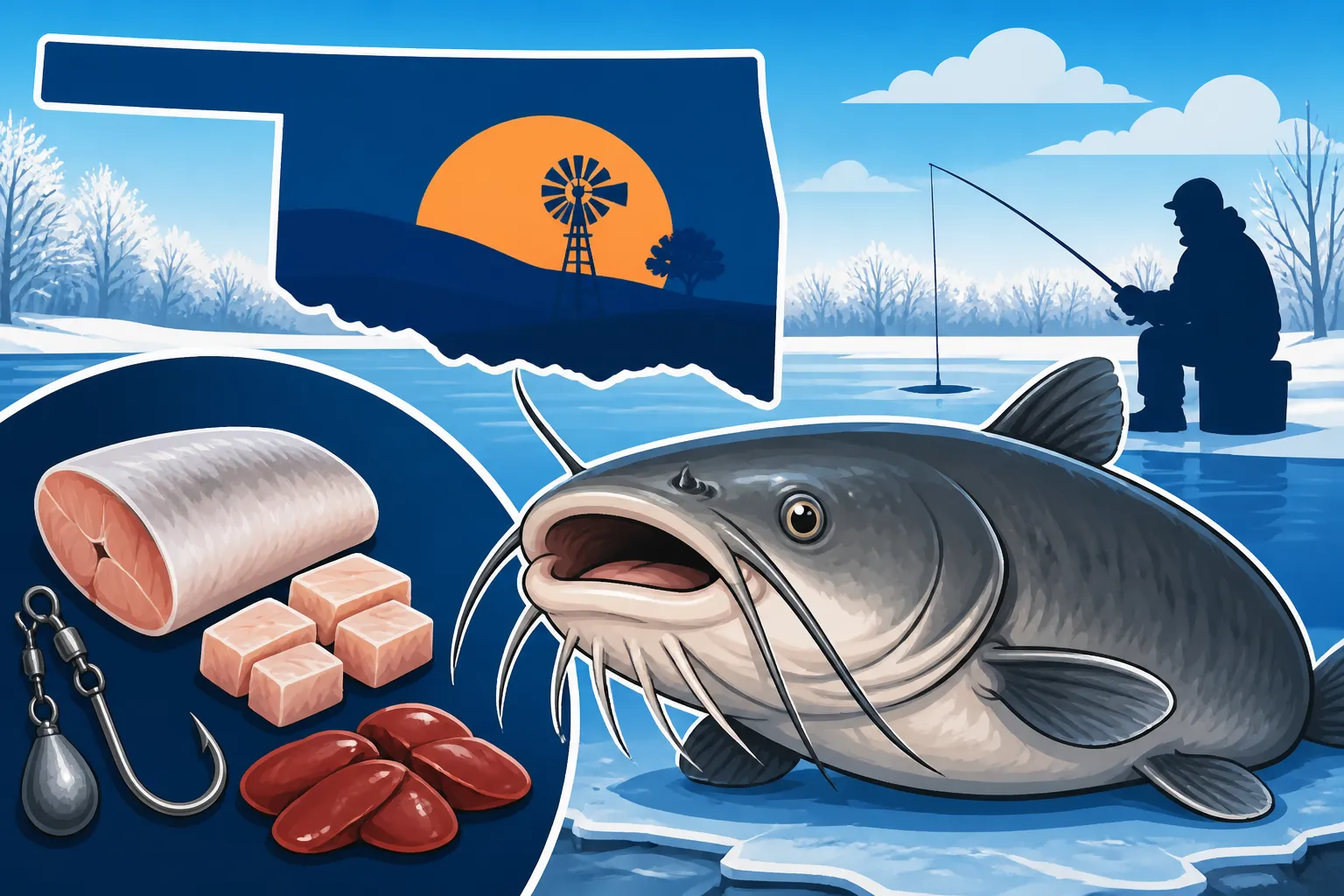
Best Catfish Bait for Winter Fishing
If you've ever tried to chase those whiskered warriors in the depths of an Oklahoma winter, you know it can be a frustrating, bone-chilling endeavor. The fish seem to vanish, and the bites become so subtle you'd swear it was just your imagination. This guide is here to shed light on exactly how to coax those sluggish winter catfish into biting, focusing on the best baits and techniques to make your cold-weather efforts worthwhile.
The Unique Challenge of Winter Catfishing in Oklahoma
Winter fishing for catfish in Oklahoma isn't like those glorious summer days when they'll hit just about anything. The mercury drops, the water temperatures plummet, and everything in the underwater world slows down considerably. Understanding this shift is the first step to successful winter catfishing. It's not about giving up; it's about adapting.
How Water Temperature Affects Catfish Behavior
When the water gets cold, a catfish's metabolism slows down dramatically. Think of it like a bear going into hibernation – they're not fully asleep, but they're certainly not running marathons. This means they're less active, expend less energy, and therefore, don't need to eat as frequently or as aggressively. They'll move much slower, often congregating in specific areas where conditions are more stable and comfortable. Instead of cruising vast stretches of water, they'll hunker down, conserving energy. Your bait needs to be presented right in front of them, enticing them with minimal effort on their part.
The colder temperatures also mean catfish are often found deeper than in warmer months. They seek out areas where the water temperature is more stable, usually in the deepest parts of lakes or in slow-moving, deep holes in rivers. This isn't just a guess; it's a physiological response to their environment. Your prime spots from summer might be completely barren in winter.
Finding Winter Catfish in Oklahoma Lakes and Rivers
Locating catfish in winter is arguably more critical than in any other season. They're not going to chase your bait; you have to bring your bait to them. On our big Oklahoma reservoirs, like Lake Eufaula or Lake Texoma, catfish will often gravitate towards deep creek channels, river bends, or steep breaks where they can find stable temperatures and access to food sources without expending much energy. Look for areas with a sudden drop-off, especially near submerged timber or rock piles that offer cover.
In rivers, finding those deep, slow-moving holes or eddies just out of the main current is key. Areas downstream from dams can also be productive, as the churning water might create slightly warmer conditions or concentrate baitfish. Remember, the goal is to find where the catfish are conserving energy, not where they're actively feeding in a frenzy. Using a good fish finder to locate these deep-water structures and even identify schools of baitfish or larger fish can make a huge difference.
Top Catfish Baits for Cold Water Success
When the water turns cold, scent and presentation become paramount. Catfish might be sluggish, but their sense of smell is still incredibly powerful. You need baits that leak scent effectively and can be presented in a way that minimizes effort for the fish.
Natural Baits That Shine in Winter
For many seasoned Oklahoma anglers, natural baits are the undisputed champions when it comes to cold-water catfishing. They offer the authentic scent and texture that even the most lethargic catfish can't resist.
Cut Bait: Scent is King
When we talk about cut bait, we're talking about fresh, oily fish pieces that release a strong scent trail in the water. Shad, skipjack, and even small sunfish or carp cut into chunks are fantastic choices. For winter, however, you generally want smaller pieces than you might use in summer. A two-inch chunk of fresh cut bait might be more appealing to a slow-moving catfish than a huge fillet. The key is freshness; the more potent the smell, the better. You can often find frozen shad at local bait shops, but if you can catch your own fresh bait, it's always superior.
The oils and blood from cut bait disperse in the cold water, creating a scent plume that can draw in catfish from a distance, even when they're not actively hunting. Make sure your cut bait is kept cold until you're ready to use it, and replace it periodically if you're not getting bites, as the scent will eventually wash out. This is a tactic many use for Best Cut Bait for Catfish Fishing year-round, but it's especially effective in winter.
Live Bait: A Slow, Tempting Meal
While cut bait relies on scent, live bait offers a different kind of appeal: subtle movement. Small live minnows, shiners, or even small bluegill can be incredibly effective. The key here is to keep them alive and let them do the work. Hook them lightly through the back or lips so they can swim naturally. This gentle movement might be just enough to trigger a strike from a cold, sedentary catfish.
The struggle with live bait in winter is keeping them lively in the cold water. Using an aerated bait bucket is essential. A slow-moving live bait looks like an easy, high-protein meal to a catfish that's trying to conserve energy. This approach works particularly well for species like flathead catfish, which often prefer live prey.
Worms and Nightcrawlers: The Classics Endure
You might think of worms as a warm-weather bait, but don't discount them for winter catfishing. Large nightcrawlers, either whole or in chunks, can still tempt catfish. They offer a natural scent and a wriggling presentation that can be very attractive. They're also readily available at most gas stations and bait shops, making them a convenient option.
While they might not have the powerful oil slick of cut bait, their natural scent can be enough. Plus, they're durable and stay on the hook well, even with light bites. If you're fishing in smaller ponds or less aggressive waterways, a simple worm can often surprise you with its effectiveness.
Prepared Baits and Scents for Winter Angling
While natural baits often steal the show in cold water, there are some prepared options and enhancers that can give you an edge.
Dough Baits and Stink Baits: Potent, but Precise
Some dough baits and commercial stink baits are designed with incredibly strong, pungent odors. While they tend to work best in warmer water, a highly potent, well-formulated option might still draw a strike in winter if presented directly to the fish. The key is finding one with an intense, long-lasting scent. Some anglers swear by specific commercial brands found on Amazon that boast extra strong formulations for deep water.
The downside is that they can be messy, and their effectiveness can be hit-or-miss depending on the exact water temperature and the catfish's mood. If you do use them, consider small, compact baits that won't wash off the hook too quickly.
Scent Enhancers: Boosting Your Bait's Appeal
Scent enhancers are liquid or gel additives that you can apply to your natural baits, lures, or even prepared baits. These can be a game-changer in cold water. They amplify the scent of your primary bait, creating a stronger, more irresistible trail. Look for fish-attractant sprays or dips that are oil-based, as they tend to disperse better in cold water.
You can douse your cut bait in a potent fish oil or gel before casting, or even inject it directly into the baitfish. This extra boost can be crucial when catfish are relying heavily on their sense of smell due to reduced visibility and sluggishness. It's like giving your already good bait an extra megaphone for the cold-water depths.
Presenting Your Winter Catfish Bait Effectively
Even the best bait won't work if it's not presented properly. In winter, this means getting your bait to the fish, keeping it there, and being incredibly sensitive to light bites.
Rigging Strategies for Deeper Water
When catfish are holding deep, your rigging needs to be designed for maximum sensitivity and to keep the bait exactly where the fish are.
Slip Sinker Rigs: The Sensitive Choice
The slip sinker rig, also known as a Carolina rig for catfish, is a fantastic choice for winter. It involves a weight that can slide freely on your main line, above a swivel, and then a leader with your hook. This setup allows the line to pass through the sinker, so when a catfish takes the bait, it doesn't immediately feel the resistance of the weight. This is crucial for those super light, finicky winter bites. You might even feel a subtle "tick" or just a bit of slack in the line.
To set up a How to Rig a Slip Sinker for Catfish, thread a slip sinker onto your main line, tie on a sturdy barrel swivel, then attach a monofilament or fluorocarbon leader (typically 12-24 inches) to the other end of the swivel, and finally, your hook. This rig is especially effective for How to Bottom Fish for Catfish in deeper channels or holes.
Three-Way Swivel Rigs: Stable and Effective
Another excellent option for deeper, slower water is the three-way swivel rig. This rig uses a three-way swivel, with one eye tied to your main line, another to a short leader with a weight, and the third to a longer leader with your hook and bait. This keeps your bait slightly off the bottom, preventing it from getting lost in muck or snags, while the weight holds it in place. It offers good sensitivity and keeps your bait right in the strike zone.
Bottom Rigging: Simple and Direct
Sometimes, the simplest approach is best. A basic bottom rig with a weight fixed just above the hook or a small bell sinker at the very end with a snelled hook above it can be effective. This puts your bait directly on the bottom where those sluggish catfish are often resting. Just be mindful of snags if you're fishing in areas with a lot of debris.
Slow and Steady: The Winter Catfish Retrieval
Forget power reeling or active jigging. Winter catfishing is all about patience and subtlety.
Minimal Movement, Long Pauses
Once your bait is deployed, leave it. Seriously, resist the urge to constantly check or retrieve. A winter catfish isn't going to chase. They want an easy meal placed right in front of their face. Cast to your target area, let your rig settle, and then leave it there for extended periods. Sometimes, a bite won't come for 20, 30, or even 45 minutes. These long pauses are crucial.
If you absolutely must move your bait, do it slowly. A very slight lift and drop, just enough to reposition it a few inches, can sometimes trigger a strike, but often, less is more.
The Importance of Feel for Light Bites
Winter catfish bites are often incredibly subtle. You won't get those aggressive tugs you feel in summer. Instead, you might notice a slight twitch of the rod tip, a gentle tap, or even just a feeling of "heaviness" on the line. Sometimes, the line will simply go slack as the fish picks up the bait and moves towards you.
Because of this, using a sensitive rod and having a direct connection to your bait is important. Braided line can offer more sensitivity than monofilament, allowing you to feel those faint indications. Keep your rod tip pointed towards the water, allowing you to see and feel any slight movement.
Anchoring Up for Precision
For boat anglers, precise boat positioning is critical. How to Anchor Up for Catfish Fishing properly will ensure your bait stays in the most productive zone. Using two anchors (one off the bow, one off the stern) can help you hold your position perfectly, even in light current or wind. This allows you to fan-cast multiple lines to cover a wider area of the deep hole or channel you're targeting.
Gear and Techniques for a Successful Winter Trip
Beyond bait and presentation, preparing yourself and having the right mindset are equally important for enjoying winter catfishing.
Essential Cold Weather Gear for Anglers
Let's be real, winter fishing means cold hands and feet if you're not prepared. The discomfort can quickly ruin a potentially great day on the water. Investing in good cold-weather gear is non-negotiable for Winter Catfishing Techniques in Oklahoma.
Start with layers. A good base layer of thermal underwear, a warm mid-layer fleece or wool, and a waterproof, windproof outer shell are essential. Don't forget insulated boots, thick wool socks, a warm hat, and waterproof gloves or mittens. Hand warmers and a thermos filled with hot coffee, tea, or soup can make a world of difference in keeping your spirits up and your body warm. You can find excellent quality thermal clothing on Amazon to keep you comfortable during those long waits.
Patience and Persistence: The Winter Angler's Mindset
Winter catfishing is not for the faint of heart. The bites will be fewer, and you'll spend a lot of time waiting. But the reward can be substantial. Often, the largest catfish are caught in the colder months because they're less active and easier to target once found.
Embrace the quiet solitude of winter fishing. There are usually fewer people on the water, and the scenery can be breathtaking. Don't get discouraged by long lulls; they are par for the course. Focus on your presentation, stay warm, and trust that if you've done your homework on locating the fish and using the right bait, a heavy bend in your rod is just a matter of time. Remember to also check Oklahoma's Catfish Fishing Rules and Limits before heading out, as regulations can sometimes change by season or specific body of water.
| Bait Type | Effectiveness in Winter | Scent Strength | Availability | Cost Range | Best For (Species/Conditions) |
|---|---|---|---|---|---|
| Fresh Cut Shad | High | Very High | Moderate | Low-Medium | Blue, Channel (deep, slow) |
| Live Minnows/Shiners | High | Low-Moderate | High | Medium | Flathead, Channel (subtle) |
| Nightcrawlers | Moderate-High | Moderate | Very High | Low | Channel (all conditions) |
| Prepared Stink Bait | Moderate | Very High | High | Low-Medium | Channel (when scent is key) |
| Shrimp (cut/whole) | Moderate-High | High | Very High | Medium-High | Channel, Blue (general) |
This table provides a quick overview, but remember that local conditions and catfish preferences can vary. What works wonders one day might get ignored the next. However, generally, for How to Catch Blue Catfish in Deep Water, fresh cut bait is hard to beat. If you're targeting a mixed bag of Channel Catfish vs Blue Catfish vs Flathead Catfish in Oklahoma, a combination of live and cut bait might be your best bet.
Disclaimer
This article is for general informational purposes only and does not constitute professional advice. Laws, prices and regulations vary by location and change over time. Consult a qualified professional for guidance on your specific situation.