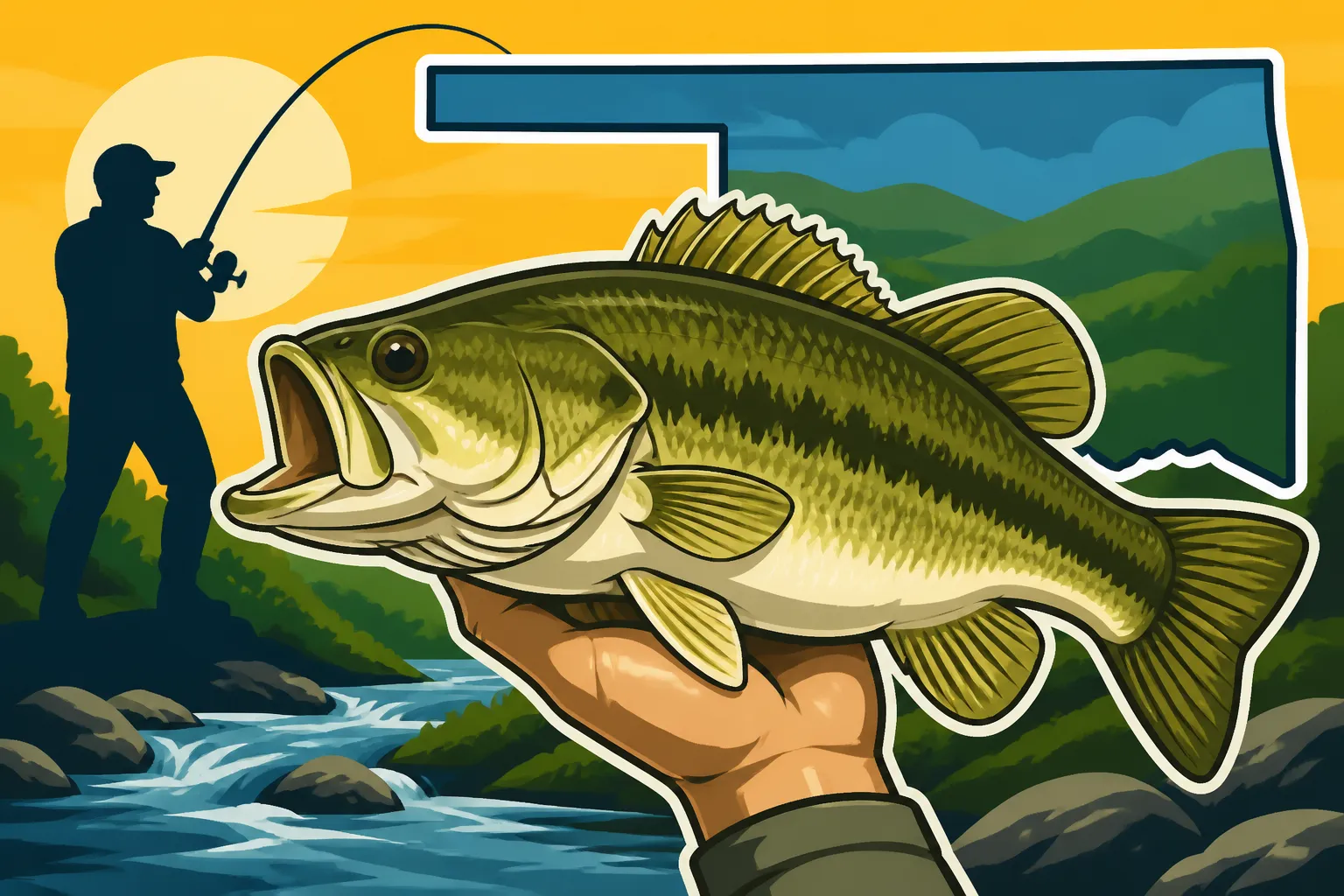
The 14-Inch Minimum for River and Stream Bass
It can be incredibly confusing to keep track of all the different fishing regulations in Oklahoma, especially when they change depending on whether you're casting your line into a sprawling reservoir or a winding river. One rule that often trips up even seasoned anglers is the specific size limit for black bass—largemouth, smallmouth, and spotted bass—caught in Oklahoma's rivers and streams. This guide is here to untangle that particular knot, explaining why the 14-inch minimum exists for these moving waters and what it means for your next fishing adventure.
Why River and Stream Bass Limits Are Different
You might have heard about the 14-inch length limit for bass in some lakes, or perhaps the statewide six-bass daily limit. But when you switch gears and head to a river or stream, the rules sometimes shift, and it’s not just to make things complicated, I promise! There's a solid biological reason behind these distinct regulations, aimed at protecting these unique fish populations.
Understanding the Biological Rationale
Think about it: lakes are typically stable environments. They have vast areas, consistent depths, and often plenty of cover for fish to grow and hide. Rivers and streams, however, are a different beast. They're dynamic, constantly changing with water flow, rainfall, and sediment movement. Fish populations in these moving waters can be more susceptible to environmental changes and fishing pressure. The Oklahoma Department of Wildlife Conservation (ODWC) meticulously studies these populations to determine the best management strategies. They’ve found that a specific size limit, like the 14-inch minimum for river and stream bass, helps ensure that enough fish reach maturity and reproduce before they're harvested. This is crucial for maintaining healthy, self-sustaining populations in these more sensitive habitats. It’s all about balance – letting enough young fish make it to adulthood so they can keep the fishery thriving for future generations.
This proactive management is a big part of what makes fishing in Oklahoma so special. The state invests a lot in understanding its waterways and fish, and these nuanced rules are a direct result of that commitment. It might seem like an extra detail to remember, but it’s really about protecting the very resource we all love to enjoy. These efforts are part of the broader framework of Oklahoma's Bass Fishing Rules and Limits.
The Impact of Habitat Differences
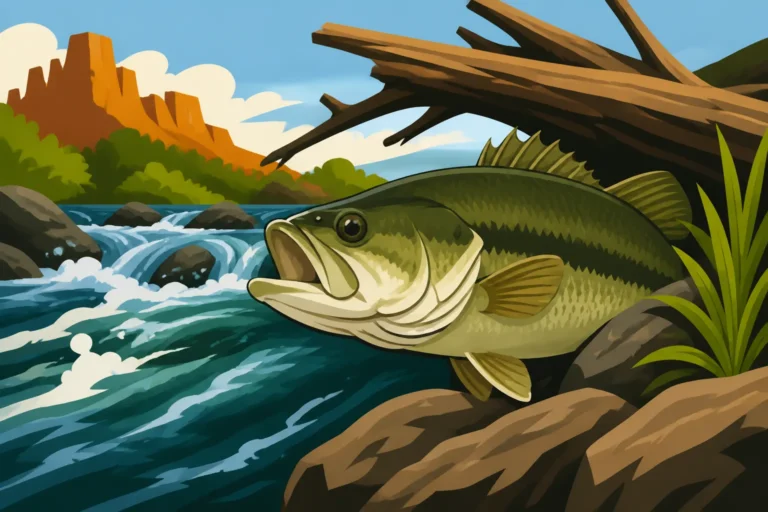
The very nature of rivers and streams means bass live a different life than their lake-dwelling cousins. Rivers often have stronger currents, which can make it harder for smaller fish to find refuge and conserve energy. They might have less abundant, but more specific, types of cover – think log jams, undercut banks, or boulders – compared to the expansive weed beds or submerged timber of a reservoir. This difference in habitat can affect growth rates and survival. A bass that grows to 14 inches in a river might have faced more challenges and expended more energy than a bass of the same size in a lake.
Because of these unique conditions, river and stream bass populations can sometimes be more fragile. They might not rebound as quickly from overfishing if too many smaller, immature fish are removed. The 14-inch minimum acts as a safeguard, ensuring that most fish have had at least one or two spawning cycles before they become legal to keep. It’s a way of acknowledging that a 12-inch bass in a fast-flowing creek might be a completely different biological commodity than a 12-inch bass in a massive lake like Eufaula or Texoma. This understanding helps us grasp Why River Bass Limits Differ From Lake Limits in Oklahoma.
Protecting Smaller, More Vulnerable Populations
When you're out fishing a smaller tributary or a stretch of river, it's easy to see why those populations might be more vulnerable. They often have less overall habitat, making them easier to target. A high harvest rate on undersized fish in these areas could quickly deplete the stock, making it harder for anglers to find fish in the future. The 14-inch minimum helps to counteract this by promoting catch-and-release for the younger, more abundant fish, giving them a chance to grow into larger, more reproductively mature adults.
This rule encourages responsible angling, asking us to think beyond just filling the cooler and to consider the long-term health of the fishery. It’s particularly important for species like smallmouth bass, which often inhabit clearer, rockier rivers and streams and can be slower growing in some environments. By letting those smaller fish go, we're investing in a future where there are still plenty of strong, healthy bass for everyone to enjoy. It's about respecting the resilience, yet also the vulnerability, of these specific bass populations.
Decoding the 14-Inch Minimum Rule
So, you're on the water, you've hooked into a nice bass, and now you're wondering, "Is this one a keeper?" The 14-inch minimum for rivers and streams is pretty straightforward once you understand what it applies to and how to measure. But there are a couple of crucial nuances, especially concerning smallmouth bass, that every angler needs to know.
What "Black Bass" Means in this Context
When the ODWC talks about "black bass" in the context of river and stream regulations, they're referring specifically to largemouth, smallmouth, and spotted bass. These are the three primary species of black bass found in Oklahoma's waters that are prized by anglers for their fighting spirit and sporting value. The 14-inch minimum length applies collectively to all of these species when caught in designated river and stream habitats, not just one type.
This means if you're pulling a feisty smallmouth from the Illinois River, or a chunky spotted bass from a clear creek in southeastern Oklahoma, that 14-inch rule is in effect. It's a blanket regulation for the black bass family in these specific water bodies. Understanding how to differentiate between them is key, as even slight variations can impact how you approach fishing. For instance, knowing How to Identify a Largemouth Bass is a good starting point. However, always double-check the current ODWC fishing regulations pamphlet or website for the exact boundaries and specific river sections where these rules apply, as boundaries can sometimes be quite specific and exceptions might exist for certain unique waterways.
Measuring Your Catch Accurately
Getting an accurate measurement is absolutely vital when you're on the water, especially when there's a minimum length limit. An honest mistake can still lead to a fine, so it's always best to be precise. For Oklahoma's length limits, you measure the fish from the tip of its snout (with the mouth closed) to the very end of the tail (with the tail compressed, or squeezed together, to give the longest possible measurement).
Many anglers keep a small, durable measuring board or a flexible tape measure in their tackle box, often with a bump board end to ensure the snout is at the zero mark. When you catch a bass that feels close to that 14-inch mark, lay it gently on the ruler. Pinch the tail to get the maximum length. If it’s even a hair under, it goes back in the water. No "eyeballing" allowed! This isn't just about avoiding a citation; it's about respecting the regulation that helps sustain the fishery. You can find reliable measuring tapes or bump boards on platforms like Amazon, ensuring you have the right tool for accurate measurement on the water.
Here’s a quick reference for common black bass length limits in Oklahoma:
| Fish Species | Water Type | Minimum Length | Daily Bag Limit | Specific Notes |
|---|---|---|---|---|
| Largemouth Bass | Rivers/Streams | 14 inches | 6 combined* | One smallmouth bass over 16 inches daily. |
| Smallmouth Bass | Rivers/Streams | 14 inches | 6 combined* | Only one smallmouth bass a day, regardless of length, when caught in rivers/streams. |
| Spotted Bass | Rivers/Streams | 14 inches | 6 combined* | No specific restrictions beyond the 14-inch minimum and combined daily limit. |
| All Black Bass | Most Lakes | 14 inches (often) | 6 combined* | Many lakes have a 14-inch minimum, but some have slot limits or other specific rules. |
| All Black Bass | Statewide | – | 6 combined* | No statewide minimum, but lake/river-specific rules apply. One 16-inch+ bass often allowed. |
| *Combined bag limit for largemouth, smallmouth, and spotted bass. Always check the current ODWC regulations for specific waters, as rules can change and exceptions exist. For instance, there's The One 16-Inch Bass Rule Anglers Miss on some larger lake systems. |
The "Only One Smallmouth Bass" Exception
Now, here’s a rule within a rule that causes a bit of head-scratching sometimes: for smallmouth bass specifically, when caught in rivers and streams, you're generally allowed to keep only one smallmouth bass per day. This is a crucial distinction that goes beyond the 14-inch minimum. It means that even if you catch multiple smallmouth bass over 14 inches, you can only keep one of them. The rest, even if they're well over the minimum, must be released.
This particular regulation is a testament to the ODWC's careful management of smallmouth populations, which are often less numerous and can be more localized in their riverine habitats. Smallmouth bass are highly sought after for their fierce fights and beauty, and this restriction helps to reduce harvest pressure on them, ensuring their long-term viability in Oklahoma's rivers. So, while you might have a six-fish combined limit for black bass, if you're fishing a river, that smallmouth limit is effectively capped at one for the day. This is a very important detail often missed, so make sure you're aware of the Only One Smallmouth Bass a Day in Oklahoma Rivers rule when targeting these bronzebacks. It's a rule that speaks to the specific challenges and slower growth rates of smallmouth in these waters.
Practical Implications for Anglers on the Water
Understanding the regulations is one thing; putting them into practice while you're actually fishing is another. River and stream fishing for bass can be incredibly rewarding, but it often requires a different approach than lake fishing, both in terms of gear and mindset. Navigating these waters means being prepared for specific challenges and knowing what to expect if you encounter a game warden.
Gear Considerations for River Bass Fishing
Fishing in rivers and streams, especially those with current, often calls for a slightly different setup than what you might use on a wide-open reservoir. Lighter tackle can be more enjoyable for the typically smaller (but feistier!) river bass, but you still need enough backbone to handle potential current and to quickly land a fish you intend to release. A medium-light to medium power spinning rod, around 6'6" to 7' long, paired with a 2500 or 3000 series reel spooled with 8-10 pound fluorocarbon or monofilament line, is a versatile choice. This setup gives you good casting distance for tight spots and enough power for those unexpected larger fish. For those looking for quality gear, brands like St. Croix for rods or Shimano for reels are often highly recommended and available through retailers like Amazon.
Lures also change. Instead of massive crankbaits or oversized jigs, think smaller profile baits that mimic common river forage like crayfish, minnows, or smaller baitfish. Small finesse jigs, tube baits, Ned rigs, smaller crankbaits with tight wiggles, and lightweight spinnerbaits or inline spinners can be incredibly effective. Consider bringing a small, lightweight net for easy landing and release, especially important when practicing catch and release on undersized fish. Always make sure your hooks are sharp to minimize fish stress.
Navigating Common Misconceptions
One of the biggest pitfalls for anglers is assuming that lake rules apply universally. The 14-inch river and stream minimum is a prime example of where statewide or lake-specific rules diverge. Many anglers are familiar with the 14-inch minimum for bass that applies to numerous Oklahoma lakes, or perhaps a 16-inch minimum on others. It’s easy to get complacent and think “bass rule is bass rule.” But overlooking the specific river and stream regulations can land you in trouble.
Another misconception is believing that if a river flows into a large lake, the lake’s rules automatically apply to the river. This isn't always the case. The ODWC often defines clear boundaries for where riverine regulations end and reservoir rules begin. These transition zones can be tricky, so it’s always best to consult the current regulations pamphlet or map for the specific body of water you're fishing. Don't be shy about asking local bait shop owners or fellow anglers; most are happy to share their knowledge and help you avoid a misstep. This is why it’s critical to understand Do River Bass Rules Apply to Lakes Too?.
What Happens if You Don't Follow the Rules
Ignorance of the law is never an excuse, especially when it comes to fishing regulations. Game wardens are out there to protect Oklahoma’s natural resources, and they take their job seriously. Getting caught with an undersized bass, or more than the daily limit in a river or stream, can result in significant penalties.
A common scenario: you're fishing a river, catch a 13-inch largemouth, and think "it's just an inch under." You put it in your cooler. A game warden checks your cooler, measures the fish, and now you're facing a citation. Fines can range from a couple of hundred dollars to much more, depending on the severity of the violation and if it's a repeat offense. Additionally, your fishing license could be suspended or revoked, and your fishing gear might even be confiscated. It's a real bummer, and it’s completely avoidable by simply knowing and following the rules. It's truly better to release a fish you're unsure about than to risk the consequences. Understanding Penalties for Fishing Without a License in Oklahoma can give you a broader idea of the seriousness with which these regulations are enforced.
Best Practices for Catch-and-Release and Ethical Angling
Since the 14-inch minimum for river and stream bass means you'll likely be releasing a lot of fish, especially those feisty smaller ones, it’s paramount to practice responsible catch-and-release techniques. Ethical angling isn't just about following the rules; it's about minimizing your impact and ensuring the fish you release have the best possible chance of survival and future growth.
Minimizing Stress on Undersized Fish
The goal when releasing an undersized fish is to get it back into the water quickly and with as little trauma as possible. This starts from the moment you hook it. Try to use appropriate tackle that allows you to land the fish relatively quickly, rather than excessively prolonging the fight, which can exhaust the fish. When handling, avoid touching the fish’s gills or eyes, and try to keep it wet as much as possible. A quick photo, if you must, is fine, but don’t keep the fish out of water for extended periods.
If the fish has swallowed the hook, don't try to rip it out. Instead, use needle-nose pliers or a de-hooking tool to gently back the hook out. If the hook is deeply embedded and removing it would cause more damage, it's often better to simply cut the line as close to the hook as possible. Modern hooks will often rust out, or the fish's digestive system may break them down. Wet your hands before handling fish to avoid removing their protective slime coat, which is their first line of defense against disease. These small actions make a huge difference in the fish's survival rate.
Reporting Violations and Protecting Our Resources
As responsible anglers, we're all stewards of Oklahoma's fisheries. This means not only adhering to the regulations ourselves but also being aware of potential violations and knowing how to report them. While nobody wants to be a "nark," witnessing blatant or repeated violations of fishing limits or illegal fishing methods can severely damage fish populations and the overall quality of our fishing experiences.
If you observe someone violating fishing regulations, especially something like keeping multiple undersized bass or exceeding daily limits, you can report it to the Oklahoma Game Wardens. The ODWC has a dedicated poaching hotline (the Operation Game Thief program) and online reporting options. When reporting, try to gather as much information as possible without putting yourself at risk: specific location, description of individuals, vehicle information (license plate if possible), type of violation, and time. Your actions help protect the very resources that draw us to the water, ensuring that Oklahoma's rivers and streams continue to be fantastic places to fish for years to come.
Disclaimer
Please note that fishing regulations are subject to change. While this guide aims to provide accurate and up-to-date information, it is always the angler's responsibility to consult the current Oklahoma Fishing and Hunting Regulations issued by the Oklahoma Department of Wildlife Conservation before heading out on the water.