What to Check Before Launching a Boat at an Oklahoma Ramp
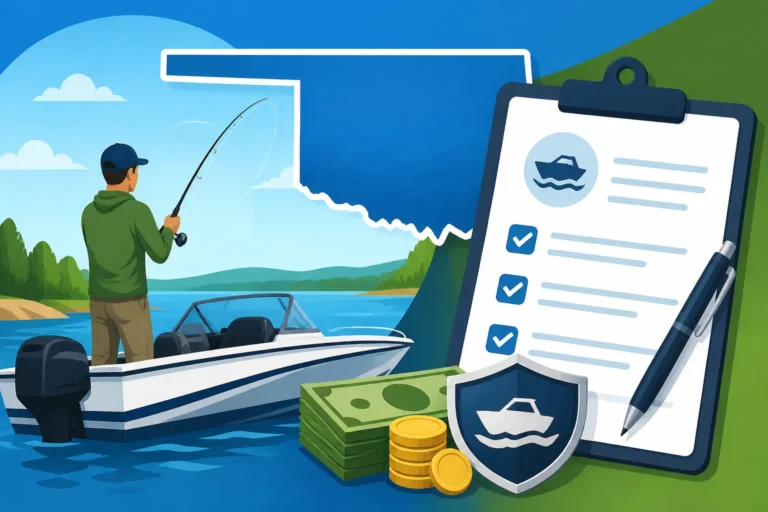
There’s nothing quite like the excitement of an Oklahoma fishing trip, the promise of a big bass, a feisty crappie, or a monster blue cat shimmering on the horizon. But that excitement can turn into a nightmare faster than you can say "fish on" if you're not prepared at the boat ramp. Forgetting a crucial step before launching your boat can lead to anything from a mild inconvenience to a truly embarrassing (and expensive) disaster. This guide is all about giving you a solid, stress-free checklist to follow, ensuring your time on the water starts perfectly every single time.
The Pre-Launch Checklist: Your First Line of Defense
Before you even think about backing down that ramp, a thorough inspection of your trailer and boat's exterior is non-negotiable. Think of this as your mission briefing before the big adventure. It's about catching potential problems in the comfort of your driveway or the lake parking lot, far away from the impatient glares of other anglers waiting to launch.
Trailer Essentials: Don't Leave Home Without Them
Your boat trailer is the unsung hero of your fishing rig, but it’s often the most neglected. A breakdown on the highway or a malfunction at the ramp can ruin your day before it even begins.
First up, those tires. Seriously, give them a good once-over. Are they properly inflated? Check your sidewall for the recommended PSI and use a gauge. Under-inflated tires can overheat, leading to blowouts on the highway, especially on those long hauls to Lake Texoma or Grand Lake. Look at the tread too – uneven wear can signal alignment issues, and bald spots are just asking for trouble. Don't forget your spare tire! Is it there? Is it inflated? Do you have the right tools to change it? It’s astonishing how many folks realize their spare is flat after they've had a flat. Speaking of tires, a quick check of the lug nuts for tightness is never a bad idea. Heat and vibration can loosen them over time.
Next, the lights. This is a big one for road safety and avoiding tickets. Hook up your trailer lights to your tow vehicle and walk around. Turn on your running lights, hit the brakes, and activate your turn signals. Do they all work? Are they bright and clear, or are they dim and flickering? Corrosion in the connectors is a common culprit for light issues. A little dielectric grease can go a long way in preventing future headaches. There's nothing worse than getting pulled over by a game warden or state trooper for a burnt-out taillight when you're just minutes from casting a line.
The coupler that connects your trailer to your hitch ball needs to be secure and locked. Wiggle it to make sure there's no play. The safety chains should be crossed under the coupler and securely attached to your tow vehicle's frame. This is a critical safety measure in case the coupler ever fails. Imagine your boat and trailer breaking free on I-35 – that's a scenario no one wants to contemplate.
Don't overlook the winch strap or cable and its hook. Is it frayed, rusty, or otherwise damaged? This is what holds your boat securely to the front of the trailer. If it snaps, your boat could slide right off the front when you hit the brakes or, worse, become a hazard during an emergency stop. Test the winch mechanism to ensure it operates smoothly.
Finally, the wheel bearings. This might seem like overkill, but it's important. After a long drive, briefly touch the hubs of your trailer wheels. If one is significantly hotter than the others, it could indicate a bearing issue. A failing bearing can seize up, leaving you stranded on the side of the road with a smoking wheel. Carrying a spare hub assembly or at least a bearing buddy kit can be a lifesaver for those who travel frequently.
Boat Exterior: A Quick Visual Walk-Around
With the trailer sorted, let's turn our attention to the star of the show – your boat. A quick visual inspection can prevent common and often embarrassing ramp mistakes.
Start with the hull condition. Give your boat's bottom a once-over. Are there any new dents, scrapes, or gouges that could indicate a leak? Pay particular attention around the transom and any through-hull fittings. While a small scrape might not sink you, a new crack could slowly take on water, leading to a much shorter and less enjoyable day.
Now, for the single most important item on this entire checklist: the drain plug. I cannot emphasize this enough. If you forget your drain plug, your boat will take on water, and you will have a bad day. It’s a rite of passage for many new boaters, but it doesn't have to be yours. Make it a habit: as you're doing your walk-around, visibly grab the drain plug, confirm it's in place, and give it a snug twist. Some people even tie a bright ribbon to their steering wheel that says "DRAIN PLUG!" as a visual reminder. Don't be "that guy" at the ramp holding up the line while your boat slowly fills with water.
Next, the transom straps. These are the straps that secure the back of your boat to the trailer. They're essential for safe transport, but they absolutely must be removed before you back down the ramp. Forgetting these means your boat will stay firmly attached to the trailer, even as you try to float it off. This can damage your boat, your trailer, and severely frustrate other anglers. Remove them, coil them up, and put them in a dry storage compartment.
Check the bow strap or safety chain at the front of the boat. It should be securely attached and snug, preventing your boat from sliding back during transport. Just like the transom straps, this will need to be unclipped right before you launch, but not before.
Finally, if you have a bimini top or any boat covers, decide if you need them up or off. Leaving a bimini top up during transport can put undue stress on the frame. If you're going to use it, deploy it once the boat is in the water and safely away from the ramp. Any travel covers should be removed and stowed away. Nothing screams amateur hour like trying to wrestle a boat cover off while you're half-submerged at the ramp.
Inside the Boat: Safety and Functionality First
Once the exterior is checked, it's time to hop in and make sure everything is good to go inside. This covers everything from your engine's health to having the right safety gear on board.
Engine and Fuel: Ready for Action
Your engine is the heart of your boat. Without it, you're just drifting, and that’s not exactly ideal when you're trying to find those prime Best Bass Fishing Spots on Grand Lake O' the Cherokees, Oklahoma.
Start with your fuel level. It sounds simple, but running out of gas miles from the ramp is a truly frustrating experience. Give that gauge a look. If it's low, make a mental note (or actual note) to fill up at the marina. Better yet, fill up your boat before you leave home. Also, check for any fuel leaks or the smell of gas, which could indicate a more serious problem.
For outboards and inboards, a quick check of oil and other fluid levels is a good practice. Consult your owner's manual for recommended checks. Low oil can quickly lead to engine damage.
Your battery needs to be fully charged and all connections clean and tight. Corrosion on battery terminals can prevent your engine from starting or cause intermittent electrical issues. Give them a wiggle to ensure they're secure. Having a portable jump starter or a spare battery can be a real day-saver.
The bilge pump is your boat's last line of defense against taking on water. Give it a quick test. Turn it on and listen to it run. If you have an automatic bilge, ensure it cycles properly. You might even pour a small amount of water into the bilge area to see it activate and pump.
For those with outboard motors, the primer bulb (if you have one) should be squeezed until firm. This pushes fuel to the engine, ensuring an easier start. Many a frustrated angler has cranked their motor endlessly only to realize they forgot this simple step.
Safety Gear: Required and Recommended
Safety isn't just a suggestion; it's a requirement. The Oklahoma boating regulations are there to protect everyone on the water. A quick check of your safety gear will not only keep you legal but, more importantly, keep you safe.
Life jackets are paramount. Ensure you have enough for every person on board, and that they are U.S. Coast Guard approved and in good, serviceable condition (no rips, tears, or broken straps). If you have kids on board, make sure they have properly fitting life jackets, and remember the rules for Life Jacket Rules for Kids 12 and Under on Oklahoma Boats. It’s a smart move to have passengers try on their life jackets before leaving the dock, especially if they are unfamiliar with the specific vests on your boat. You can find a good selection of quality life jackets at stores like Bass Pro Shops or online at Amazon.
You also need a Type IV throwable device, like a buoyant cushion or ring, especially if your boat is 16 feet or longer. This isn't something you wear but something you throw to someone who has fallen overboard. Make sure it's readily accessible and not buried under a pile of tackle. Type IV Throwable Device Rules for Boats 16 Feet and Longer can provide more specific details.
A fire extinguisher is another must-have. Check that it's charged (the needle should be in the green zone) and easily accessible, not tucked away in a locked compartment. Do You Need a Fire Extinguisher on a Boat in Oklahoma? is a good resource to confirm specific requirements for your vessel size.
Don't forget a working horn or whistle. In an emergency, this is your way to signal other boaters. A simple air horn or an electronic horn wired to your boat's system will do the trick.
If you plan to be out after dark or in rough weather, distress signals like visual distress signals (flares or an orange flag) are also important.
Finally, a well-stocked first aid kit is always a good idea. Small cuts, scrapes, or hooks in fingers happen, and being prepared means you can deal with minor issues quickly. Best First Aid Kit for a Fishing Boat will give you ideas on what to include.
Electronics and Accessories: Power Up and Check
Modern fishing relies heavily on electronics. Making sure they're ready to go before you hit the water saves you precious fishing time.
Your fish finder and GPS unit are often central to finding those elusive fish. Power them on to ensure they boot up correctly. If you have an external transducer, make sure it's deployed and not still tucked up on the transom. Check your mapping to ensure it’s loading properly. Fish Finder Features That Matter Most on Oklahoma Reservoirs can help you understand what to look for in your electronics.
If you plan to be on the water after dusk, your navigation lights and anchor light must be functional. Turn them on briefly to confirm all bulbs are working. Again, a simple walk-around while they are on will suffice.
The livewell is crucial for keeping your catch healthy, especially if you're participating in a tournament. Test the pump to ensure it fills and recirculates water. Also, double-check that the drain plug for your livewell is securely in place to prevent water from just draining out.
Last but not least, ensure your marine radio is working if you have one, and your cell phone is fully charged. While a cell phone isn't a substitute for a marine radio, it's a vital backup. Having a portable charger on board is a smart move. Check out Best Marine Radio for Fishing on Big Reservoirs for tips on marine communication.
At the Ramp: The Final Walkthrough
You've made it to the lake, navigated the parking lot, and found a spot. Now, the real ramp etiquette comes into play. Being considerate and efficient at the ramp not only earns you goodwill from fellow anglers but also reduces your stress.
The Staging Area: Being Prepared, Not a Problem
This is where many people go wrong. Don't pull straight onto the ramp and then start doing all your prep work. That's a surefire way to annoy everyone else waiting in line. The goal is to get your boat from the trailer into the water as quickly and smoothly as possible.
Pull over to a designated staging area or simply out of the main flow of traffic. This is where you'll do your final, critical checks. This includes removing those transom straps that you checked earlier. Stow them away. Attach your dock lines to the bow and stern cleats. This makes it easy to guide your boat once it's off the trailer. If your boat has an outboard, raise your motor slightly to prevent hitting the ramp bottom or the prop on concrete. And, yes, one last, final, absolutely crucial check: plug in the drain plug. Seriously, I know I said it already, but it's that important. A quick double-check here can save you from immediate embarrassment.
If it's safe and practical, and the ramp area allows, have passengers board the boat in the staging area. This reduces the number of people scrambling onto the boat at the courtesy dock, which can be unstable and crowded.
Backing Down: Smooth and Steady Wins the Race
Backing a boat trailer can be intimidating, especially with an audience. Remember, practice makes perfect. Find an empty parking lot and practice backing up with your trailer. The key is small, slow steering corrections.
If you have a crew, communication with your crew is vital. Establish hand signals or clear verbal cues. One person can be the "spotter" at the back of the boat, guiding the driver down the ramp. Just make sure the spotter stays visible and safe.
Always be aware of your surroundings and other ramp users. Look out for swimmers, other boaters, and people fishing from the bank. Boat Ramp Etiquette at Busy Oklahoma Lakes is a fantastic resource to ensure you're being a good neighbor at the launch. Don't rush, but be efficient. The faster you can get your boat off the ramp, the happier everyone will be.
Launching: Into the Water We Go
You're backed down, the trailer tires are kissing the water, and it’s almost time for your boat to float free.
Once the boat is sufficiently submerged, unclip the bow safety chain or strap. This is the last thing holding your boat to the trailer.
Gently lower your boat into the water. Sometimes a slight bump of the brakes will help it slide off. If you’re lucky, it might float right off the bunks.
Once the boat is floating, if you're the one driving, start your motor. Listen to it purr, and check to make sure water is coming out of the tell-tale (the little stream of water indicating your engine is cooling). This confirms your water pump is working.
Finally, move away quickly to the courtesy dock or a safe anchoring spot. Don't linger on the ramp. Get your tow vehicle parked, and then you can finish loading gear, organizing tackle, and getting ready to fish.
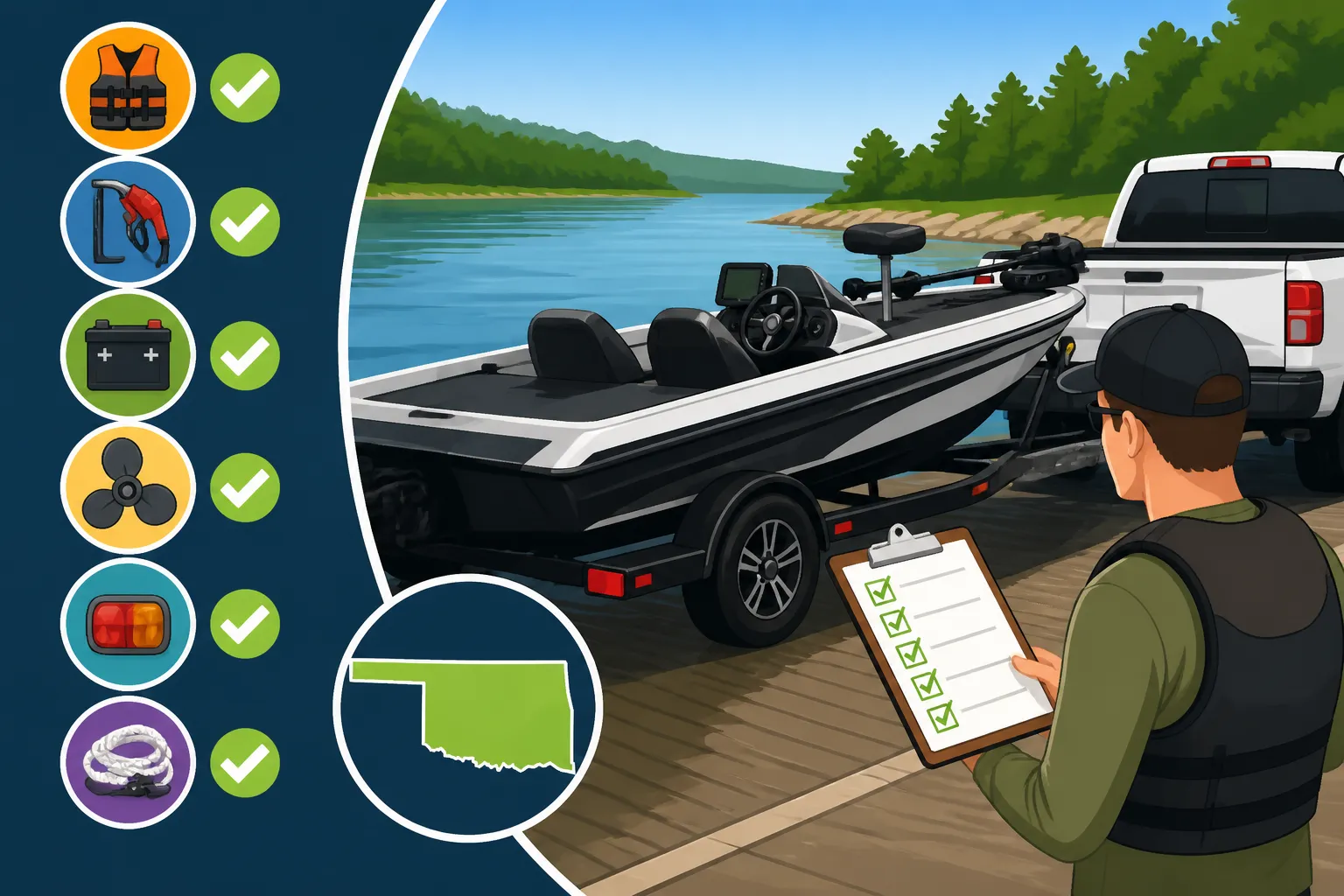
| Pre-Launch Checklist Item | Status | Notes |
|---|---|---|
| Trailer | ||
| Tire Pressure & Tread | Checked | Spare accessible & inflated |
| Trailer Lights | Checked | Brake, turn, running lights |
| Coupler & Safety Chains | Secured | Locked to hitch, chains crossed |
| Winch Strap/Cable | OK | No fraying, hook secure |
| Wheel Bearings | Cool | No excessive heat after travel |
| Boat Exterior | ||
| Hull Condition | OK | No visible leaks or damage |
| Drain Plug | IN | CRITICAL! |
| Transom Straps | Removed | Stowed away |
| Bow Safety Chain/Strap | Secured | Ready for unclip at water |
| Bimini/Covers | Stowed | |
| Boat Interior | ||
| Fuel Level | Full | Enough for trip |
| Engine Oil/Fluids | OK | As per manual |
| Battery Charge/Connections | OK | Clean, tight, fully charged |
| Bilge Pump | Tested | Working, auto cycle (if applicable) |
| Primer Bulb (Outboard) | Firm | Primed fuel line |
| Safety Gear | ||
| Life Jackets (all on board) | OK | USCG approved, correct sizes, condition |
| Throwable Device | OK | Easily accessible |
| Fire Extinguisher | Charged | Accessible, needle in green |
| Horn/Whistle | Working | Loud and clear |
| First Aid Kit | Stocked | For minor emergencies |
| Electronics/Acc. | ||
| Fish Finder/GPS | Tested | Powered on, transducer deployed |
| Navigation/Anchor Lights | Tested | Working bulbs |
| Livewell | Tested | Pump working, drain plugged |
| Radio/Phone | Charged | Functional, backup power |
Making this checklist a habit will transform your launch experience from a potential source of anxiety into a smooth, efficient start to a fantastic day of fishing. Happy angling!
Disclaimer
This article is for general informational purposes only and does not constitute professional advice. Laws, prices and regulations vary by location and change over time. Consult a qualified professional for guidance on your specific situation.