Bank Fishing Access on the Mountain Fork River Arm
Finding good bank fishing access on a river arm like the Mountain Fork can feel like trying to solve a puzzle, especially with so much private land and dense wilderness. It's a real headache when you're just looking for a peaceful spot to cast a line without trespassing or navigating overgrown trails. This guide is dedicated to helping you pinpoint those elusive bank fishing spots on the Mountain Fork River Arm, offering practical advice and specific locations to make your next trip a success.
Understanding the Mountain Fork River Arm for Bank Anglers
The Mountain Fork River, particularly its arm feeding into Broken Bow Lake, is an angler's paradise, but it's also famous for its rugged beauty and sometimes challenging access. Unlike big, open reservoirs where you can often pull up to countless coves, the river arm is more intimate, with steep banks, dense forestry, and a mix of public and private lands. This unique character means that while the fishing can be exceptional, you need a different approach than you might be used to.
The River's Nature and Its Challenges
Imagine a pristine, flowing river, often with a swift current and clear, cold water – that's the lower Mountain Fork River below the Broken Bow dam, managed as a trout fishery. Above the dam, the river arm broadens as it flows into Broken Bow Lake, changing its character significantly. Here, you'll find a mix of slower pools, faster runs, and pockets of rocky shoreline interspersed with thick timber. This section is less about trout and more about warm water species, offering a different kind of challenge and reward. The biggest hurdle for bank anglers is often the terrain itself. Steep inclines, rocky outcrops, and dense vegetation can make simply getting to the water's edge a mini-expedition. Plus, figuring out where public land ends and private land begins isn't always obvious, leading to a lot of frustration for those of us who just want to fish legally.
Why Public Access Points Are Gold
Because of these challenges, knowing the specific public access points is absolutely vital. These aren't always sprawling parks with paved pathways. Sometimes, "public access" might mean a small, well-worn path off a gravel road, or a designated area within a state park. These spots are your best bet for a legal and relatively easier entry point to the water. They save you the headache of bushwhacking through dense undergrowth or, worse, inadvertently crossing onto private property. For many, a simple, clear path to the water's edge is what makes a fishing trip relaxing instead of an obstacle course. If you're planning a trip to the region, remember that platforms like FishingBooker can sometimes connect you with local guides who are intimately familiar with these hard-to-find public access points, providing invaluable local knowledge for your outing.
Key Public Access Points for Bank Fishing
While the Mountain Fork River Arm can be tricky, there are several well-known and lesser-known spots that offer legitimate bank fishing opportunities. These range from established parks to more secluded pull-offs.
Beavers Bend State Park
Beavers Bend State Park is probably the most well-known and accessible area for anyone looking to fish the Mountain Fork River. The park sprawls along the river and the northern end of Broken Bow Lake, offering numerous points where you can get down to the water. It’s particularly popular for its designated trout fishing areas on the lower Mountain Fork below the dam, but the river arm within and around the park's upper reaches also provides excellent bank fishing for other species.
Within Beavers Bend, you'll find various campgrounds and picnic areas, many of which have river access. Look for spots near the nature center, the Forest Heritage Center, and the various bridge crossings. These areas often have trails or slightly sloped banks that make getting your gear to the water much easier than in undeveloped areas. While you might encounter more people here, especially on weekends, the sheer length of the riverfront within the park means you can usually find a quiet stretch to call your own. Remember to check for specific fishing zone regulations, especially if you're targeting trout, as there are catch-and-release and artificial-lure-only sections. Anglers often find this area listed in comprehensive guides like the "Broken Bow Lake Fishing Guide on the Mountain Fork River".
The Lower Mountain Fork River Trout Areas
If your target is trout, the lower Mountain Fork River, immediately below the Broken Bow Lake dam, is the place to be. This section of the river is managed specifically as a year-round trout fishery by the Oklahoma Department of Wildlife Conservation (ODWC). While it's technically separate from the "river arm" that feeds the lake, it's a vital part of the overall Mountain Fork experience and offers some of the best bank fishing for trout in the state.
Access points here are plentiful and generally well-marked. Look for designated public fishing areas and access points along Highway 259A. Popular spots include areas near the "Spillway Creek" area, the various bridges, and pull-offs along the scenic drive. Many of these spots have ample parking and relatively easy walks to the water. Keep in mind, this area can get crowded, especially during trout stockings and on weekends. It's crucial to be aware of the special regulations that apply here, which can include specific bait restrictions, catch limits, and even length limits. This is where understanding "Oklahoma's Trout Fishing: Rainbow and Brown Trout" truly comes into play. You can also find great advice on "Rainbow Trout vs Brown Trout: How to Tell Them Apart" to better identify your catch.
More Secluded Spots and Roadside Access
Beyond the main state park, there are often smaller, less-advertised access points along county roads and less-traveled routes that cross or run near the Mountain Fork River Arm. These spots might not have paved parking or amenities, but they can offer a more solitary fishing experience.
One strategy is to study maps, particularly topographical maps or satellite imagery, to identify public road easements that cross or dead-end near the river. Sometimes a county road might have a small bridge crossing the river or a tributary, and these areas can provide limited bank access. Always be respectful of private property boundaries and look for clear signs of public access or unposted areas. Remember that just because there isn't a "no trespassing" sign doesn't automatically mean it's public. When in doubt, it's best to move on to a clearly marked public area. For a multi-day trip, consulting a local guide found on a platform like FishingBooker could unveil some of these lesser-known, truly serene fishing spots that are a bit off the beaten path, but still legal and accessible. They often have the local intel on how to find these gems.
Tips for Successful Bank Fishing on the Mountain Fork River
Bank fishing on the Mountain Fork River Arm requires a bit of strategy and preparation. It's not just about finding a spot, but about making the most of it.
Essential Gear for Bank Anglers
When you're fishing from the bank, especially in a river environment with varying terrain, having the right gear is paramount. You won't have the luxury of a boat, so portability and efficiency are key.
- Rods and Reels: A medium-light to medium action spinning rod, around 6.5 to 7 feet, is incredibly versatile for bank fishing here. It's long enough for decent casts but not so long that it's cumbersome in brushy areas. Pair it with a reliable 2500 or 3000 size spinning reel spooled with 6-10 lb test monofilament or fluorocarbon. If you're targeting trout in the lower river, a lighter action rod with 4-6 lb line is ideal. For those bigger bass or catfish in the upper arm, a slightly heavier setup might be warranted. You can find more specific recommendations in guides like "Best Rods for Oklahoma Largemouth Bass".
- Tackle Box: Think minimalist. A small backpack or shoulder bag with essential lures, baits, and tools is better than a bulky tackle box. Include a variety of jigs (crappie jigs, small marabou jigs for trout), spinners, small crankbaits, soft plastics (worms, creature baits), and some basic hooks, weights, and bobbers. Live bait like worms or crickets can be extremely effective for panfish and trout.
- Comfort and Safety: Waders can be a game-changer, especially in the trout sections where wading is common. Even if you don't plan to wade deep, they keep you dry when getting to the water's edge. A good pair of waterproof boots is a must. Bring insect repellent, sunscreen, plenty of water, and snacks. A small folding chair or cushion can make long waits more comfortable. And don't forget a first-aid kit – those riverbanks can be slippery! For more detailed advice, check out "Best Waders for Bank Fishing in Oklahoma".
Reading the Water and Targeting Species
Bank fishing requires a keen eye for reading the water. You're looking for structure and changes in current that attract fish.
- Structure: Look for fallen trees, submerged rocks, eddies, and seams where fast water meets slow water. Fish often hold behind these structures to ambush prey or rest from the current. On the river arm flowing into Broken Bow Lake, focus on pockets of deeper water, transitions from rocky to sandy bottoms, and areas where feeder creeks enter the main river.
- Current: In the faster-flowing sections (especially the lower trout fishery), trout will often sit just out of the main current, waiting for food to drift by. Cast upstream and let your bait or lure drift naturally down into these holding areas. For species like bass or crappie in the slower sections, target points, humps, and brush piles.
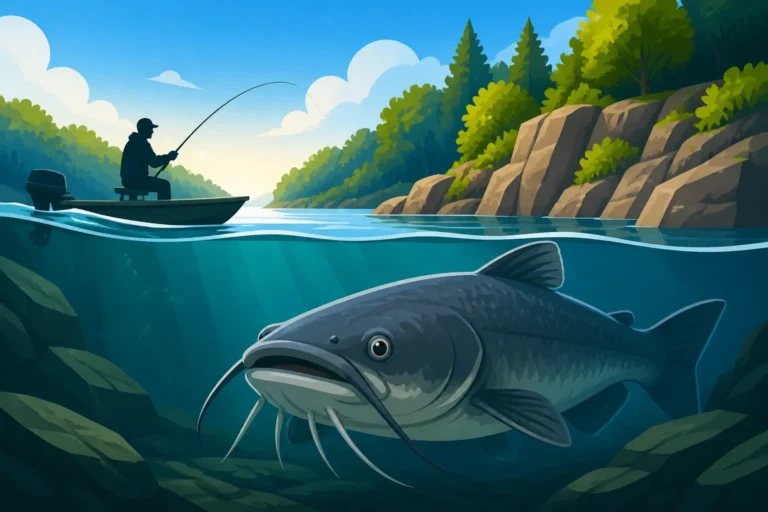
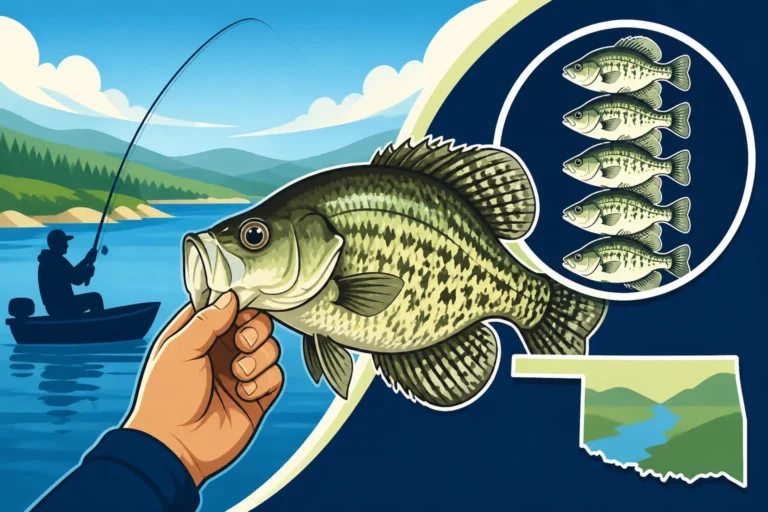
- Target Species: The Mountain Fork River Arm offers a diverse fishery. In the colder, lower sections, rainbow and brown trout are the stars. Further upstream, as the river approaches Broken Bow Lake, you'll find more largemouth bass, smallmouth bass, spotted bass, channel catfish, bluegill, and various sunfish. Knowing what you're targeting helps you choose the right bait and technique. For example, if you're going after catfish, you'll likely be bottom fishing with cut bait or stink baits. If it's bass, artificial lures like crankbaits or soft plastics will be your go-to. Thinking about a wider variety of species can lead you to helpful information such as "Best Fishing Spots in Eastern Oklahoma", which often includes tips for multiple fish types.
Bank Fishing Access Points and Target Species
| Access Point Type | Common Target Species | Best Techniques for Bank Anglers | Notes on Access |
|---|---|---|---|
| Beavers Bend State Park | Bass, Crappie, Catfish, Sunfish | Spinners, Jigs, Live Bait, Bottom Rigs | Easy, established trails, can be crowded. |
| Lower Mtn. Fork Trout Area | Rainbow Trout, Brown Trout | Fly Fishing, Spinners, PowerBait | Good access, specific regulations, wading common. |
| Roadside Pull-offs | Bass, Catfish, Sunfish | Live Bait, Jigs, Worms | Variable access, less crowded, requires scouting. |
| Bridge Crossings | Bass, Catfish, Sunfish | Live Bait, Jigs, Spinners | Limited access, often rocky/steep banks. |
Regulations and Respecting the Environment
Before you even think about casting a line, understanding and adhering to Oklahoma's fishing regulations is not just important, it's absolutely crucial. These rules are in place to protect the fishery and ensure everyone has a chance to enjoy the beautiful waters of the Mountain Fork.
Understanding Oklahoma Fishing License Requirements
First and foremost, you need a valid Oklahoma fishing license. There are different types available, including annual resident, annual non-resident, and various short-term options. Don't assume you're exempt! Even if you're just visiting for a day, you'll likely need a license. There are specific exemptions for children under a certain age and for residents over 65 (who might qualify for a Senior Lifetime License), but it's always best to verify your specific situation with the Oklahoma Department of Wildlife Conservation (ODWC). Ignoring this simple step can lead to hefty fines and a ruined day. For comprehensive details, be sure to read "Oklahoma Fishing License Requirements in Oklahoma" and "Do Kids Need a Fishing License in Oklahoma?".
The cost and duration vary, so pick the one that fits your trip. You can usually purchase licenses online through the ODWC website, at local sporting goods stores, or even at some convenience stores in the Broken Bow area. Having your license readily available, either a physical copy or on your phone, is essential, as game wardens frequently patrol these popular fishing areas.
Specific Regulations for the Mountain Fork River
Beyond the general statewide regulations, the Mountain Fork River, particularly the trout management area below the dam, has very specific rules that you absolutely must follow. These are often posted prominently at access points, but it's your responsibility to know them beforehand.
These special regulations can include:
- Size and Bag Limits: How many fish you can keep and what their minimum or maximum lengths are. For trout, some sections are catch-and-release only, or have specific slot limits.
- Bait Restrictions: Certain areas, especially for trout, might be restricted to artificial lures only, or artificial flies only. Using live bait in these zones is a violation.
- Barbless Hooks: Some areas might require the use of barbless hooks to minimize harm to fish, particularly in catch-and-release zones.
These rules are designed to maintain a healthy and robust fishery, especially for sensitive species like trout. Ignoring them not only harms the fish population but can also result in significant penalties. It's a good practice to consult the current Oklahoma Fishing Regulations Guide, available on the ODWC website, before every trip. This guide also covers broader topics like "Fishing Regulations You Need to Know in Oklahoma", which applies to all waters.
Leave No Trace Principles
When you're enjoying the natural beauty of the Mountain Fork River, it's paramount to practice "Leave No Trace" principles. This means minimizing your impact on the environment and leaving it as pristine as, or even more pristine than, you found it.
- Pack It In, Pack It Out: Everything you bring with you – bait containers, empty water bottles, snack wrappers, fishing line – must go home with you. Don't leave trash on the banks or in the water. This isn't just about aesthetics; discarded fishing line can be lethal to wildlife.
- Respect Wildlife and Vegetation: Avoid trampling fragile plants along the riverbanks. Give wildlife its space. If you encounter snakes or other creatures, observe them from a distance.
- Be a Responsible Angler: If you're releasing fish, do so quickly and carefully, minimizing their time out of water. Use proper catch-and-release techniques to ensure their survival. If you clean your catch, do so away from the immediate fishing area and dispose of entrails responsibly, not in the river or on the bank.
- Respect Other Anglers: The Mountain Fork can get popular. Give other anglers plenty of space, avoid loud noises, and be courteous.
By following these guidelines, you not only ensure your own enjoyment but also help preserve the Mountain Fork River Arm as a cherished fishing destination for generations to come.
Disclaimer
All information provided in this guide is for general informational purposes only and is subject to change. Fishing regulations, license requirements, and access points can vary and be updated by the Oklahoma Department of Wildlife Conservation (ODWC) or local authorities. Always consult the most current official Oklahoma Fishing Regulations Guide and local signage before engaging in any fishing activities. Adherence to all applicable laws and regulations is the sole responsibility of the individual angler.