Trout Fishing in Oklahoma: Rainbow and Brown Trout
For many folks who think of Oklahoma, images of sprawling lakes teeming with bass, crappie, and catfish often come to mind. But nestled within the red dirt state are some truly surprising, and utterly delightful, trout fishing opportunities. This guide will walk you through everything you need to know to successfully chase rainbow and brown trout in Oklahoma, from understanding where they live to the best gear and techniques for bringing them to net.
The Unexpected Joy of Trout Fishing in Oklahoma
You might be scratching your head, thinking, "Trout in Oklahoma? Really?" Yes, absolutely! It's a question I've heard countless times from visiting anglers and even some long-time residents. Oklahoma isn't exactly famous for its mountain streams, but thanks to dedicated stocking programs, the Sooner State offers some fantastic, and often overlooked, trout fishing. It's a special kind of magic to be casting for cold-water species when you know the next lake over is boiling with warm-water fish.
Oklahoma's Trout Program: A Winter Wonderland
The existence of trout in Oklahoma isn't a fluke; it's a carefully managed program designed to provide unique angling experiences. The Oklahoma Department of Wildlife Conservation (ODWC) actively stocks certain tailwaters and designated areas, primarily with rainbow trout, and in some special locations, with brown trout. These programs typically kick into high gear as the water temperatures drop, turning what might otherwise be a slower season for many anglers into a vibrant, active time on the water. It’s a brilliant way to extend the fishing season and introduce a different challenge to anglers accustomed to chasing bass or catfish. Imagine bundling up on a crisp winter morning, steam rising off the water, and feeling that distinctive tug of a feisty trout on your line – it’s a truly invigorating experience that breaks up the winter doldrums.
Why Trout Are Unique in the Sooner State
Trout are cold-water fish, meaning they thrive in cooler temperatures and oxygen-rich environments. This makes their presence in a generally warm state like Oklahoma quite special. The stocked areas are primarily tailwaters below large reservoirs, where water released from the dam comes from deep within the lake, maintaining a consistently cool temperature ideal for trout survival. This creates unique microclimates that mimic true mountain streams, even though you might be surrounded by very different terrain. The challenge of adapting your techniques from typical warm-water fishing to these more delicate, wary fish adds a whole new dimension to your angling skills. Plus, the serene beauty of these designated trout waters often feels like stepping into a different state entirely, offering a peaceful escape right here in Oklahoma.
Understanding Oklahoma's Trout Species
When you're targeting trout in Oklahoma, you'll primarily encounter two species: Rainbow Trout and Brown Trout. While they share some similarities, understanding their individual characteristics, habits, and preferences can significantly improve your chances of success. Each species offers a distinct challenge and reward for the dedicated angler.
Rainbow Trout: The Colorful and Eager Biters
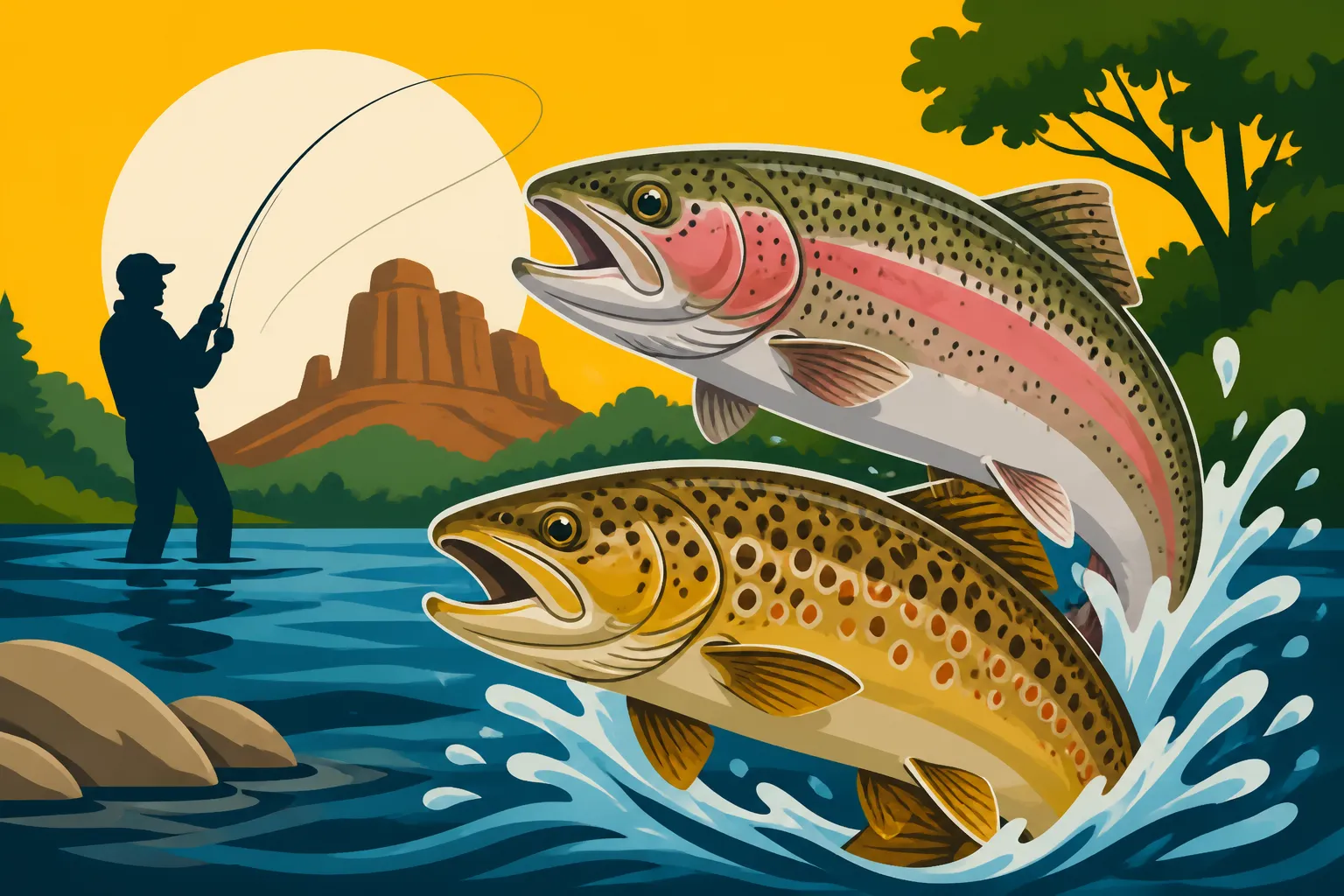
Rainbow trout are, by far, the most commonly stocked trout in Oklahoma. They are named for the distinctive broad, reddish-pink band that runs horizontally along their sides, especially prominent during spawning. These fish are generally known for being quite aggressive and willing to strike a variety of baits and lures, making them a popular target for anglers of all skill levels, including beginners. They're excellent fighters, often putting on an acrobatic show with jumps and strong runs once hooked.
In Oklahoma, you'll find rainbow trout in almost all of the state's designated trout waters, particularly in the seasonal programs. They typically don't grow as large as brown trout in these stocked environments, but they provide consistent action. Their diet is varied, including insects, small crustaceans, and other aquatic invertebrates, which makes them susceptible to both natural baits and artificial imitations. If you're looking for consistent action and a good fight, the rainbow trout is your go-to in Oklahoma. Learning Best Bait for Rainbow Trout in Oklahoma can significantly increase your catch rate.
Brown Trout: The Elusive and Wary Hunters
Brown trout are the more elusive and challenging of the two species you'll find in Oklahoma, primarily established in a few specific locations where conditions allow them to thrive year-round. They are identifiable by their brownish-gold bodies, often covered in dark spots with lighter halos, and sometimes reddish spots. Unlike rainbows, brown trout tend to be much warier and more nocturnal, making them a prize for experienced anglers. They can also grow to much larger sizes, often reaching trophy proportions, which further fuels the passion of those who pursue them.
Because they are less frequently stocked and harder to catch, landing a brown trout in Oklahoma is often considered a significant achievement. They prefer slightly colder water and more structured habitats than rainbows. Their diet tends to include larger prey as they grow, such as baitfish and even small rodents, which means different presentations might be required to entice a strike. If you're looking for a serious challenge and the potential for a truly memorable catch, dedicating time to understanding and targeting brown trout is a rewarding endeavor. Is brown trout good to eat? Is Brown Trout Good to Eat? discusses their table fare.
Distinguishing Between Rainbow and Brown Trout
At a glance, especially for a novice angler, telling the difference between a rainbow and a brown trout might seem tricky, but there are several key features to look for. Beyond the general coloration, pay attention to the spots and tail.
Rainbow trout typically have small, distinct black spots scattered over their entire body, including their dorsal fin and tail fin. Their tails are usually lightly forked. The famous "rainbow" stripe is often the most defining characteristic.
Brown trout, on the other hand, have fewer spots, and these spots are usually larger, dark, and often surrounded by a light "halo." They might also have red or orange spots on their sides. A crucial identifier is often their tail, which is usually square or only very slightly forked, and typically has few to no spots. Additionally, the adipose fin (the small, fleshy fin between the dorsal and tail fins) of a brown trout often has an orange tint, while a rainbow's is usually clear or grey. Understanding these differences, as explored in Rainbow Trout vs Brown Trout: How to Tell Them Apart, will help you properly identify your catch and ensure you're following any species-specific regulations.
| Feature | Rainbow Trout | Brown Trout |
|---|---|---|
| Coloration | Silvery to olive green; distinct pink/red stripe | Brownish-gold to olive; lighter belly |
| Spots | Numerous small black spots on body, dorsal, tail | Larger, dark spots with halos; sometimes red/orange spots |
| Tail Fin | Slightly forked; typically spotted | Square or very slightly forked; few to no spots |
| Mouth | Mouth usually doesn't extend past the eye | Mouth often extends past the eye |
| Adipose Fin | Clear or gray | Often has an orange tint |
| Behavior | Generally more aggressive, prone to jumping | More wary, often nocturnal, strong fighters |
Prime Trout Fishing Locations in Oklahoma
Oklahoma might not be Colorado or Arkansas when it comes to trout streams, but it holds its own with several fantastic locations. These spots are primarily tailwaters below large dams, offering the consistent cool water temperatures that trout demand. Knowing where to go is half the battle when planning your trout adventure in the Sooner State. You’ll find some of the Best Fishing Spots in Oklahoma right here in these trout programs.
Designated Trout Areas: Year-Round and Seasonal Opportunities
The ODWC manages several designated trout areas across the state. These programs fall into two main categories: year-round fisheries and seasonal fisheries. The year-round spots offer consistent action, while the seasonal areas provide exciting opportunities, typically from fall through spring, before water temperatures rise too high for trout survival. Checking the ODWC website for current stocking schedules is always a smart move before heading out.
One of the most popular and productive year-round trout fisheries is the Lower Mountain Fork River. However, several other lakes and rivers across the state host seasonal trout stockings, turning ordinary warm-water destinations into temporary trout havens. These seasonal opportunities are often close to larger population centers, making them accessible for a quick day trip without a long drive. Where to Catch Stocked Trout in Winter covers many of these excellent cold-weather options.
The Blue River Public Fishing and Hunting Area
The Blue River Public Fishing and Hunting Area, located near Tishomingo, is a fantastic destination for trout anglers, especially during the colder months when it receives regular stockings of rainbow trout. This picturesque area truly feels like a hidden gem, with clear, flowing water, rocky bottoms, and plenty of access for bank anglers and waders alike. It's an intensely popular spot, and for good reason—the natural beauty combined with the active trout fishing creates a truly memorable experience.
Anglers here often find success using small inline spinners, spoons, artificial worms, and powerbait. Fly fishermen also do very well, matching the hatch or using various nymph and streamer patterns. The Blue River offers a relatively intimate trout fishing experience, as it's a smaller stream compared to some of the larger tailwaters. Because of its popularity, you’ll often see a friendly community of anglers sharing tips and enjoying the peace of the river.
Lower Mountain Fork River: A Premier Trout Destination
If there's one place in Oklahoma that feels like a true mountain trout stream, it's the Lower Mountain Fork River below Broken Bow Lake, specifically within Beaver's Bend State Park. This is Oklahoma's only truly year-round, self-sustaining trout fishery that holds both rainbow and brown trout, thanks to the consistent cold water releases from the dam. The river winds through stunning, rocky terrain, with deep pools, riffles, and runs that are perfect trout habitat. It's a favorite among fly fishermen, who often wade its crystal-clear waters in pursuit of wary browns and feisty rainbows.
The Lower Mountain Fork has special regulations, including barbless hook-only sections and specific catch limits, to protect its unique fishery. It's a place where you can spend an entire weekend, or even a week, immersed in the beauty of southeastern Oklahoma while enjoying some of the best trout fishing the state has to offer. For those serious about trout, this river is a must-visit, offering a genuine challenge and the chance for trophy fish.
Other Stocked Locations: Seasonal Surprises
Beyond the year-round mainstays, several other lakes and rivers receive seasonal trout stockings, primarily from November through March. These locations provide excellent, accessible trout fishing close to many urban areas. Examples include Lake Watonga, Lake Carl Etling, and parts of the Illinois River. These programs are fantastic for introducing new anglers to trout fishing or for experienced anglers looking for a quick fix during the winter months.
It's important to remember that these are put-and-take fisheries, meaning the trout are stocked for anglers to harvest. While catch-and-release is always an option, the primary purpose is to provide fishing enjoyment and a meal. Always check the ODWC's current stocking schedule and regulations for these seasonal locations, as they can vary from year to year. These seasonal opportunities highlight Oklahoma's commitment to diverse fishing experiences, making trout accessible even for those who might not live near the primary cold-water rivers.
Essential Gear for Oklahoma Trout Fishing
Getting ready for a trout trip means having the right tools for the job. Unlike battling a monster catfish, trout fishing often calls for a more refined approach with lighter tackle. Having the correct gear will not only make your experience more enjoyable but also significantly increase your chances of success.
Rods, Reels, and Line for Light Tackle
For most Oklahoma trout fishing, especially for rainbow trout in stocked waters, light to ultralight spinning gear is your best friend. A good setup will allow you to cast small lures and baits effectively while still having enough backbone to handle a fighting fish.
- Rods: Look for spinning rods in the 5 to 7-foot range, with an ultralight or light action. This sensitivity will help you detect subtle bites and feel the action of small lures. A fast or moderate-fast action will give you good casting distance and hook-setting power. Brands like Ugly Stik or St. Croix offer reliable options that won't break the bank and can be easily found online, including on Amazon.
- Reels: Pair your rod with a small spinning reel, typically in the 1000 or 2000 size class. It should balance well with your chosen rod. Smooth drag is crucial for preventing line breaks when a trout makes a sudden run. Many popular brands offer excellent reels in this size.
- Line: When it comes to line, lighter is almost always better for trout. 4-6 pound test monofilament or fluorocarbon is generally ideal. Monofilament offers good knot strength and some stretch, while fluorocarbon is nearly invisible in the water and more abrasion-resistant. Some anglers prefer a braided main line with a fluorocarbon leader for maximum sensitivity and strength, but for most situations, a straight 4-pound test fluorocarbon will do just fine.
Lures and Baits: What Works Best
Trout have a varied diet, and what they prefer can change based on the location, time of day, and water conditions. Having a versatile selection of lures and baits is key.
- Artificial Baits: PowerBait, in its various forms (dough, nuggets, or worms), is a staple for stocked rainbow trout. Different colors can be effective, but chartreuse, white, and rainbow glitter are often top performers. Marinated corn is also a classic, particularly for hatchery fish. These baits are typically fished on a small hook with a light sinker, allowing them to drift naturally or sit on the bottom.
- Spinners and Spoons: Small inline spinners (like Rooster Tails or Mepps) and tiny casting spoons (such as Kastmasters or Little Cleos) are incredibly effective. Sizes ranging from 1/16 oz to 1/8 oz are usually perfect. The flash and vibration mimic small baitfish or aquatic insects, triggering aggressive strikes. Having a variety of blade colors (silver, gold, copper) and body colors can make a big difference. You can find a wide assortment of these on Amazon.
- Jigs: Micro jigs, often tipped with a small plastic grub, tube, or even a piece of live bait, can be deadly for trout. Sizes from 1/32 oz to 1/8 oz are common. Pink, white, black, and olive are good colors to start with.
- Live Bait: Where allowed, live bait like small red worms, mealworms, or crickets can be irresistible to trout. Fish these under a bobber or on a very light bottom rig. Always check regulations regarding live bait, as some trout areas might have restrictions.
Fly Fishing Essentials: A Different Approach
For many, fly fishing is the quintessential way to chase trout, offering an engaging and often more challenging experience. If you're looking to delve into the art of the long rod, here's what you'll need:
- Fly Rod and Reel: A 3-weight to 5-weight fly rod, typically 7.5 to 9 feet long, is versatile for Oklahoma trout. Pair it with a matching fly reel with a smooth drag system. While not always necessary for the smaller stocked rainbows, a good drag is essential if you hook into a larger brown trout.
- Fly Line: A weight-forward floating fly line is a great all-around choice. You might also consider a sink-tip line for getting flies deeper in faster currents or deeper pools.
- Leaders and Tippet: You'll need tapered leaders, typically 7.5 to 9 feet long, with a breaking strength of 4x to 6x. Carry extra spools of fluorocarbon tippet in various sizes (4x, 5x, 6x) to match your leader and the size of your flies.
- Flies: This is where it gets fun (and sometimes overwhelming!). For Oklahoma, a good selection would include:
- Nymphs: Pheasant Tail Nymphs, Hare's Ear Nymphs, Prince Nymphs, Zebra Midges. These imitate aquatic insect larvae and pupae.
- Dry Flies: Elk Hair Caddis, Adams, Parachute Adams. These imitate adult insects on the surface.
- Streamers: Woolly Buggers (black, olive, brown) are incredibly versatile and effective, imitating baitfish or larger insects. Clouser Minnows can also work wonders.
- Eggs/Attractors: Glo-Bugs or other egg patterns can be very effective, especially for freshly stocked fish or during cooler water periods.
- Waders and Boots: For most designated trout areas, especially the Lower Mountain Fork and Blue River, waders are indispensable for accessing prime fishing spots and getting better drifts. Chest waders are preferred for deeper water, while hip waders might suffice in shallower sections. Get comfortable wading boots with good grip.
- Accessories: Don't forget a small net (rubberized mesh is gentle on fish), nippers for cutting line, forceps for removing hooks, a small fly box, and a vest or pack to carry it all. A good pair of polarized sunglasses is also vital for spotting fish and structure, and you can find a quality pair on Amazon.
This comprehensive gear list will ensure you're well-prepared for any trout fishing scenario you might encounter in Oklahoma, whether you prefer spinning or fly fishing.
Effective Techniques for Catching Oklahoma Trout
Once you have your gear sorted, it's time to talk tactics. Trout, especially brown trout, can be notoriously finicky, so having a range of techniques in your arsenal will pay dividends. The approach you take will often depend on the specific water you're fishing and the trout species you're targeting. For beginners, exploring Best Fishing Techniques for Beginners can provide a solid foundation.
Spin Fishing Strategies
Spin fishing is perhaps the most common and accessible way to catch trout in Oklahoma. It's versatile and allows for both bait and lure presentations.
- Bait Fishing (Still Fishing): This is often the easiest method, especially for freshly stocked rainbow trout. Rig your PowerBait or live bait on a small hook (size 10-14, often a treble hook for PowerBait) with a very light split shot or a sliding sinker, perhaps 12-18 inches above the hook. Cast into a slow-moving pool or eddy and let your bait drift or settle on the bottom. Trout often pick up the bait gently, so watch your line for any subtle movement or your rod tip for a slight bend. Sometimes a small bobber can help detect these light bites, especially if you're fishing with children.
- Lure Presentation (Casting and Retrieving): For spinners and spoons, the key is a consistent retrieve. Cast upstream or across the current and retrieve just fast enough to get the lure's blade spinning or spoon wobbling. This mimics a fleeing baitfish or insect. Experiment with retrieve speeds and pauses. In faster water, a slightly slower retrieve might be necessary to keep the lure in the strike zone. In slower, deeper pools, you might let the lure sink a bit before starting your retrieve, counting it down to target different depths. Varying your retrieve is crucial; trout often hit on a change of pace.
- Drifting Jigs or Artificial Worms: Small jigs or artificial worms (like Berkley Gulp! Trout Worms) can be fished effectively by casting them upstream and letting them drift naturally with the current, much like a fly fisherman would nymph. Keep just enough tension on your line to feel a bite, but not so much that you impede the natural drift. This "dead-drifting" technique can be incredibly effective, especially for more wary fish.
Fly Fishing Techniques for Different Conditions
Fly fishing offers a nuanced approach, allowing you to present highly realistic imitations of a trout's natural food. Mastering a few key techniques will open up a whole new world of trout angling.
- Nymphing: This is often the most productive fly fishing technique for trout, as they feed primarily below the surface. You'll typically use a weighted nymph pattern, often with a strike indicator (a small bobber-like device) placed on your leader. Cast upstream and let the nymph drift naturally with the current, mending your line to eliminate drag. The goal is a "dead drift," where the fly moves at the same speed as the water. Watch your strike indicator for any dip, pause, or hesitation—that's often a bite. In deeper water, you might use a "Euro nymphing" or "tightline nymphing" approach, which foregoes the strike indicator for direct line contact and feeling the subtle takes.
- Dry Fly Fishing: The most visually exciting form of fly fishing, dry fly fishing involves presenting a fly that floats on the surface, imitating an adult insect. This works best when trout are actively rising (eating insects off the surface). The key is a delicate cast that lands the fly softly, followed by a perfect dead drift. Any drag on the line will make your fly move unnaturally and spook the fish. This technique requires patience and precise presentations, but seeing a trout rise to your perfectly presented fly is an unmatched thrill.
- Streamer Fishing: When trout are aggressive or targeting larger prey, streamer fishing can be highly effective. Streamers imitate baitfish, leeches, or larger aquatic insects. Cast your streamer across or downstream and retrieve it with short strips, mimicking the movement of prey. Vary your retrieve speed and add pauses. This technique often provokes more aggressive strikes and can be particularly effective for larger brown trout. Woolly Buggers are a classic streamer that works nearly everywhere, and you can pick up a selection on Amazon.
Bank Fishing vs. Wading for Trout
The choice between bank fishing and wading often depends on the specific location and your personal preference. Both have their advantages and disadvantages in Oklahoma's trout waters.
- Bank Fishing: Many of Oklahoma's stocked trout areas, especially the seasonal programs, offer excellent bank access. This is ideal for beginners, families, or those who prefer to stay dry. Bank fishing allows you to cover considerable ground without getting wet, and you can easily set up chairs and gear for a comfortable day. The downside is that popular bank access points can become crowded, and you might not be able to reach the prime holding water in the middle of a stream or deep pockets on the opposite bank. Using longer rods and making accurate casts can help overcome some of these limitations.
- Wading: For spots like the Lower Mountain Fork River and the Blue River, wading is often the most effective way to fish. It allows you to position yourself directly in the current, access untouched runs, and get better angles for presentation. Wading also offers a more immersive experience, connecting you directly with the water. However, it requires appropriate gear (waders, boots) and an understanding of river safety. Always be aware of strong currents, slippery rocks, and deep holes. A wading staff can provide extra stability. For serious trout anglers, the ability to wade opens up far more opportunities and makes it easier to execute delicate fly fishing presentations.
By understanding and practicing these various techniques, you'll be well on your way to consistent success in Oklahoma's surprising and delightful trout fisheries.
Trout Fishing Regulations and Conservation
Just like with any other fishing in Oklahoma, there are specific rules and regulations that apply to trout fishing. These aren't just arbitrary guidelines; they're in place to manage the resource, ensure fair chase, and protect the unique ecosystems that support these cold-water species. Ignoring these rules can lead to fines, so it's always worth a quick review before your trip. For a broader understanding, refer to Fishing Regulations You Need to Know in Oklahoma.
Oklahoma's Trout Regulations: Limits and Special Rules
Every angler, regardless of whether they're after bass, crappie, or trout, needs a valid Oklahoma fishing license. You can find more details on Oklahoma Fishing License Costs and Types and How to Get a Fishing License in Oklahoma. Beyond the general license, specific trout regulations vary depending on the body of water.
- Daily Bag and Possession Limits: These limits define how many trout you can keep per day and how many you can have in your possession. For general trout waters, the daily limit is often quite generous, especially in put-and-take fisheries. However, in sensitive areas like the Lower Mountain Fork River, the limits can be much stricter, and there might be size restrictions or specific slot limits (e.g., only one fish over a certain length). Always check the current ODWC fishing regulations guide for the specific body of water you plan to fish.
- Gear Restrictions: Some trout areas, particularly catch-and-release sections or those with significant brown trout populations, might have gear restrictions. The most common restriction is "artificial lures only" or "barbless hooks only." Barbless hooks minimize harm to fish, making catch-and-release more successful. Ensure your hooks are indeed barbless, either by purchasing them that way or by crimping down the barbs with a pair of pliers.
- Designated Areas and Seasons: As discussed, some areas are year-round trout fisheries, while others are seasonal. Knowing these distinctions is crucial. Fishing for trout outside of the designated season in a seasonal area could result in a citation. The ODWC works hard to communicate these details through their website and physical signs at access points.
Always consult the latest Oklahoma Fishing Guide from the ODWC. It's available online and at most license vendors. This guide provides the most up-to-date information on limits, special regulations, and designated areas, ensuring you're fishing legally and responsibly.
Catch and Release Practices
While many stocked trout are destined for the dinner table, practicing proper catch and release is vital, especially when targeting larger, wilder brown trout or in designated catch-and-release areas. The goal is to minimize stress and injury to the fish, giving it the best chance of survival.
- Handle Fish Gently: Avoid touching the fish with dry hands, as this can remove their protective slime layer, making them susceptible to disease. Wet your hands thoroughly before handling.
- Minimize Air Exposure: Keep the fish in the water as much as possible. If you must remove it for a quick photo, do so quickly and return it to the water immediately.
- Use Barbless Hooks: As mentioned, barbless hooks make hook removal much easier and faster, reducing stress on the fish.
- Use a Net: A rubberized landing net helps to subdue the fish quickly and safely, without stripping off slime or damaging fins.
- Remove Hooks Quickly: Use forceps or pliers to quickly and carefully remove the hook. If the hook is deeply swallowed, it's often best to cut the line as close to the hook as possible rather than tearing the fish's gills.
- Revive the Fish: Hold the fish gently in the water, facing upstream, allowing water to flow over its gills. Move it slowly back and forth until it regains its strength and can swim away on its own. Don't simply toss it back; ensure it's vigorous enough to survive.
Practicing these methods ensures that the trout population remains healthy and that future generations of anglers can enjoy the same excellent fishing opportunities.
Protecting Oklahoma's Trout Fishery
Trout fisheries in Oklahoma are a precious resource, requiring conscious effort from all anglers to protect them. This goes beyond just following regulations; it's about being a good steward of the environment.
- Respect the Habitat: Stay on designated trails and access points to avoid disturbing riparian vegetation, which is crucial for stream health and preventing erosion.
- Pack It In, Pack It Out: Leave no trace. Take all your trash, including discarded fishing line and bait containers, with you. Litter degrades the natural beauty of these areas and can harm wildlife.
- Prevent Invasive Species: If you move between different bodies of water, make sure to clean your boots, waders, and gear to prevent the spread of aquatic invasive species, which can devastate delicate trout ecosystems.
- Report Violations: If you witness someone violating fishing regulations or harming the environment, report it to the Oklahoma Game Wardens. Protecting these fisheries is a shared responsibility.
By adhering to regulations and adopting a conservation-minded approach, we can all contribute to the long-term health and enjoyment of Oklahoma's unique trout fishing opportunities.
Seasonal Considerations for Trout Anglers
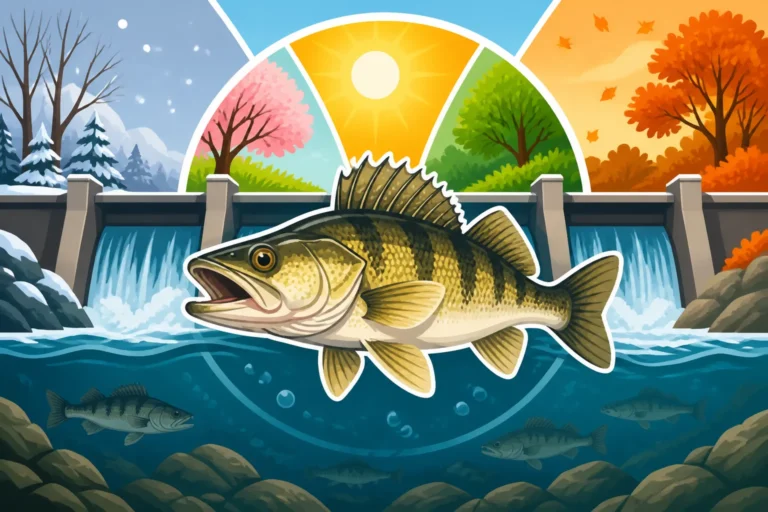
Understanding the seasonal patterns for trout fishing in Oklahoma is key to maximizing your success. While some locations offer year-round trout opportunities, the state's generally warm climate means that different times of the year present unique challenges and advantages. Oklahoma Fishing Seasons: A Month-by-Month Guide provides a broader overview of the state's fishing calendar, but let's dive into trout specifically.
Winter: The Peak Season
Winter is, without a doubt, the prime time for trout fishing in Oklahoma. As air temperatures drop, the water temperatures in the designated trout waters become ideal for these cold-loving fish.
- Abundant Stocking: This is when the ODWC carries out the majority of its seasonal trout stockings, meaning there are plenty of fresh fish to target. Many of the state's seasonal trout parks and tailwaters come alive with regular infusions of rainbow trout.
- Active Fish: Cooler water often means trout are more active and feeding throughout the day, as they don't have to contend with heat stress. This can lead to fantastic catch rates.
- Less Crowding (sometimes): While some popular spots can still be busy, the colder weather might deter some fair-weather anglers, leaving you with more elbow room.
- Techniques: Winter fishing often favors bait fishing (PowerBait, corn, worms) for stocked rainbows, but small inline spinners and jigs can also be very effective. For fly anglers, nymphing becomes the go-to technique, as insect activity is largely subsurface. Streamer fishing can also be productive for larger, more aggressive trout. Best Time of Year to Catch Trout After Stocking often falls within these colder months.
- Gear: Layering clothing is essential. You'll want waterproof outer layers, thermal underwear, and warm socks. Hand warmers can be a lifesaver.
Spring and Fall: Transitional Periods
Spring and fall offer excellent, though sometimes more variable, trout fishing in Oklahoma. These are transitional periods where water temperatures can fluctuate.
- Spring: As the weather warms, trout in year-round fisheries remain active, and seasonal programs may still be winding down. The warming water can sometimes trigger more aggressive feeding behavior. However, as summer approaches, some seasonal areas may see trout populations decline as temperatures become too high for their survival. Spring also brings out more natural insect hatches, which can mean good dry fly opportunities for fly anglers.
- Fall: Similar to spring, fall sees cooling water temperatures, making trout more comfortable and active. This is when seasonal stocking programs typically begin to ramp up, bringing fresh fish into various locations. The crisp autumn air and changing foliage make for incredibly scenic fishing trips. Trout are often feeding heavily to prepare for winter, making them receptive to a variety of presentations.
- Techniques: In both spring and fall, you can often employ a wider range of techniques. Bait and lures remain effective, but fly fishing can really shine as aquatic insect activity increases. Be prepared to adapt to changing water levels and clarity, which can be influenced by seasonal rains.
- Gear: Layering is still important, as mornings can be chilly and afternoons can warm up considerably. Sun protection (hat, sunglasses) is also wise during these seasons.
Summer Challenges and Opportunities
Summer is generally the toughest time for trout fishing in Oklahoma due to high water temperatures. However, it's not impossible, especially in the state's year-round cold-water fisheries.
- Limited Locations: The Lower Mountain Fork River is your primary option for consistent trout fishing during the summer months, as its tailwater releases maintain cold temperatures. Other seasonal areas typically do not hold trout during this time.
- Early Mornings/Late Evenings: Even in the Lower Mountain Fork, trout might be less active during the heat of the day. Targeting early mornings or late evenings when water temperatures are at their coolest can significantly improve your chances.
- Deep Water: Trout will seek out the coldest water available, which often means deeper pools and faster currents that are more oxygenated. Adjust your techniques to target these deeper holding areas.
- Techniques: Nymphing and streamer fishing are often the most effective fly fishing techniques in summer, getting flies down to where the fish are holding. For spin anglers, small, fast-retrieved lures can sometimes trigger a reactionary strike.
- Fish Stress: Be extra mindful of catch and release practices during the summer. Even if the water is cold enough for trout, the warmer air temperatures can still stress fish during handling. Release them quickly and carefully.
By understanding these seasonal nuances, you can plan your Oklahoma trout fishing adventures for the best possible success and enjoyment, making sure you're always fishing when and where the trout are most likely to bite.
Planning Your Oklahoma Trout Fishing Adventure
A successful trout fishing trip is about more than just showing up with a rod and reel. A little bit of planning can go a long way in ensuring a memorable and productive outing. From essential checklists to knowing where to find local advice, being prepared makes all the difference.
Pre-Trip Checklist
Before you head out, having a solid checklist can save you from forgotten gear and unnecessary headaches. This list covers the basics for a productive day on the water:
- Valid Fishing License: This is non-negotiable. Ensure your Fishing License Requirements in Oklahoma are met and that your license is current. Keep it easily accessible.
- Fishing Rod and Reel: Chosen for trout, as discussed in the gear section (light/ultralight spinning or appropriate fly rod).
- Appropriate Line: Spooled on your reel, with extra leader/tippet if fly fishing.
- Tackle Box/Fly Box: Filled with a variety of baits and lures, including PowerBait, spinners, jigs, and your chosen flies. Don't forget small weights, bobbers, and extra hooks (especially barbless if required).
- Waders and Wading Boots (if wading): Check for leaks beforehand!
- Landing Net: Essential for safely landing and releasing fish.
- Pliers/Forceps: For hook removal.
- Line Clippers: For quick and clean line cuts.
- Sun Protection: Hat, polarized sunglasses (helps you see fish and protect your eyes), sunscreen.
- Insect Repellent: Depending on the season and location.
- Water and Snacks: Stay hydrated and fueled throughout the day.
- First Aid Kit: For any minor cuts or scrapes.
- Cooler with Ice: If you plan to keep your catch.
- Camera: To capture those beautiful trout and scenic views.
- Map/GPS: Even if you think you know the area, cell service can be spotty.
- ODWC Regulations Guide: The current year's version, either printed or downloaded to your phone.
Going through this checklist helps ensure you're fully equipped for a fantastic day of trout fishing in Oklahoma.
Finding Local Resources and Guides
While this guide provides a solid foundation, local knowledge is invaluable. Conditions on the water can change daily, and what worked last week might not work today.
- Local Bait and Tackle Shops: These are goldmines of information. Shop owners and employees usually know what's biting, what baits/flies are working best, and recent water conditions. Don't be shy about asking for advice; they're usually happy to share. They can also point you to current hot spots or recent stocking information.
- Fishing Forums and Social Media Groups: Online communities dedicated to Oklahoma fishing can provide real-time reports and tips from fellow anglers. Just be mindful that not all information online is always accurate or current.
- Fishing Guides: For an immersive experience, especially on challenging waters like the Lower Mountain Fork River, consider hiring a local fishing guide. They can teach you specific techniques, put you on fish quickly, and provide insights into the nuances of the fishery. A guide's expertise can dramatically shorten your learning curve and increase your chances of catching quality fish. They often supply all necessary gear and can tailor the trip to your skill level.
- ODWC Website: The Oklahoma Department of Wildlife Conservation's website is an official source for stocking schedules, regulations, and public access points. It's often the first place to check for official updates.
Leveraging these resources ensures you're going into your trip with the most current and relevant information, greatly enhancing your chances of success.
Making the Most of Your Trout Trip
Beyond gear and techniques, a few general tips can help you get the most enjoyment out of your Oklahoma trout fishing adventure:
- Go Early or Late: Trout are often most active during the cooler parts of the day, especially at dawn and dusk. Arriving early can also help you secure a prime fishing spot, particularly in popular areas.
- Be Patient and Persistent: Trout can be finicky. If one lure or bait isn't working, try another. If one spot isn't producing, move to another. Don't be afraid to experiment with different depths, retrieve speeds, and presentation styles.
- Observe and Adapt: Pay attention to the water. Are there any insect hatches? Are fish rising? Are they holding in faster runs or deeper pools? What are other successful anglers doing? Let the conditions and the fish tell you what's working.
- Enjoy the Scenery: Oklahoma's trout waters are often incredibly scenic, particularly the Lower Mountain Fork and Blue River areas. Take a moment to appreciate the natural beauty around you. It's part of the experience!
- Bring a Buddy: Fishing with a friend or family member is always more fun. You can share tips, celebrate catches, and create lasting memories. It also adds an extra layer of safety, especially if you're wading.
Trout fishing in Oklahoma is a unique and rewarding experience that offers a different challenge than traditional warm-water angling. By preparing thoughtfully, understanding the species and regulations, and approaching the water with patience and an open mind, you're sure to have a fantastic time chasing these beautiful fish in the heart of the Sooner State.
Disclaimer
This article is for general informational purposes only and does not constitute professional advice. Laws, prices and regulations vary by location and change over time. Consult a qualified professional for guidance on your specific situation.