How Big Do Blue Catfish Get in Oklahoma
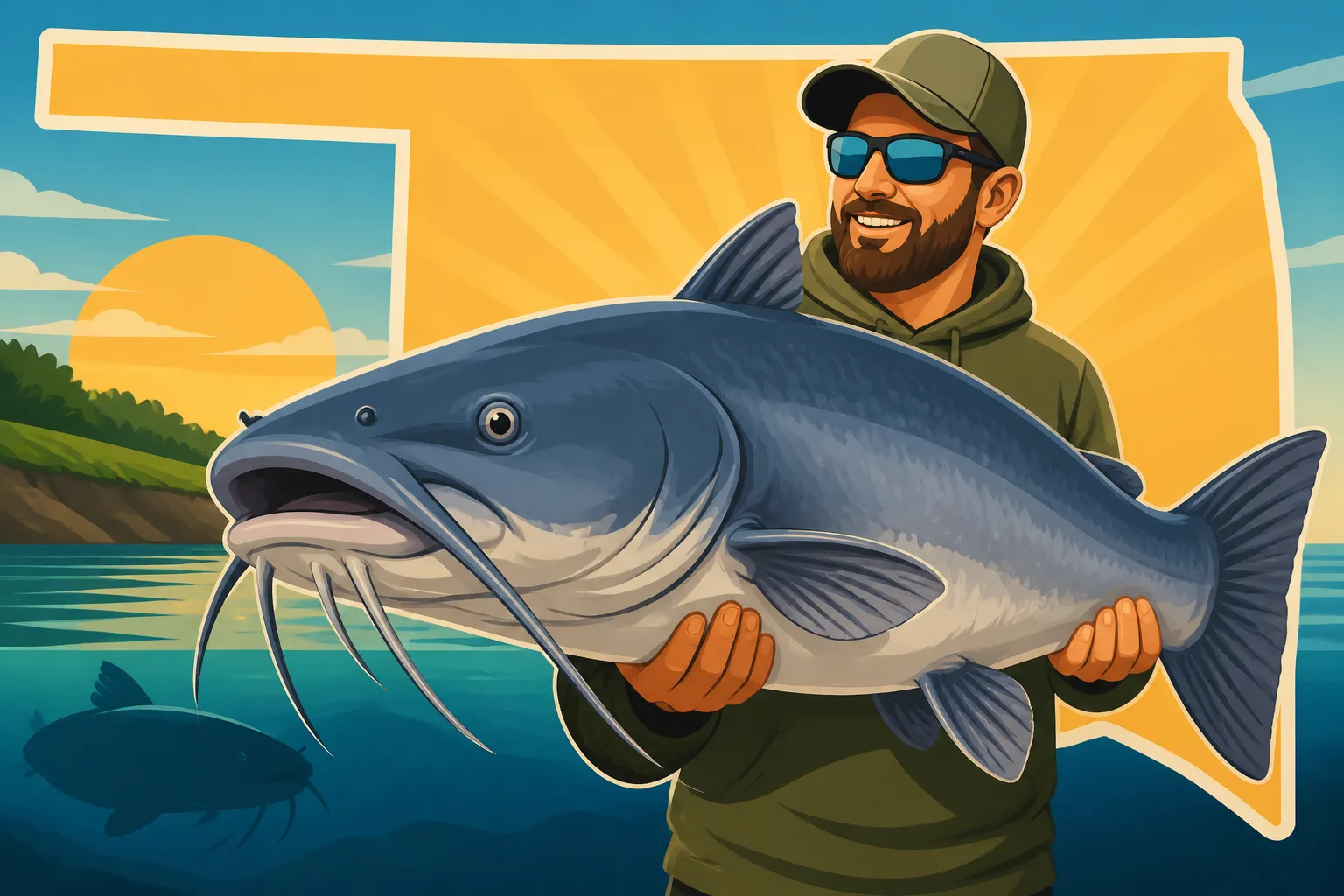
There's a special thrill that comes with chasing trophy fish, and in Oklahoma, that pursuit often leads to the magnificent blue catfish. Anglers often wonder just how truly immense these whiskered giants can become in our local waters. This guide dives deep into the factors that contribute to the impressive size of blue catfish across the Sooner State, exploring their growth potential and where you might hook into one of these freshwater monsters.
The Potential for Giants: Blue Catfish Growth in Oklahoma Waters
When you're out on an Oklahoma lake or river, you're not just casting a line; you're entering an ecosystem perfectly suited for growing some truly massive fish. The blue catfish, in particular, thrives here, transforming from a small fry into a potential behemoth that can test the limits of your tackle and your patience. It's a testament to the richness of our state's waterways that these fish reach such incredible dimensions.
What Makes Oklahoma a Blue Catfish Paradise?
Oklahoma's expansive and diverse aquatic environments provide an ideal nursery and feeding ground for blue catfish. We're talking about massive reservoirs like Lake Texoma, Lake Eufaula, and Grand Lake O' the Cherokees, which offer vast expanses of deep, oxygenated water. These big lakes, often fed by major river systems, bring in a constant influx of nutrients and, most importantly, an abundance of forage fish.
Blue catfish are primarily piscivorous, meaning they love to eat other fish. Our lakes are teeming with shad, particularly gizzard shad and threadfin shad, which serve as the primary fuel for these catfish to pack on pounds. When a blue catfish has an unlimited buffet of high-protein forage, combined with ample space to roam and minimal fishing pressure in certain areas, its growth potential is truly astounding. It's like a finely tuned machine with a constant supply of premium fuel.
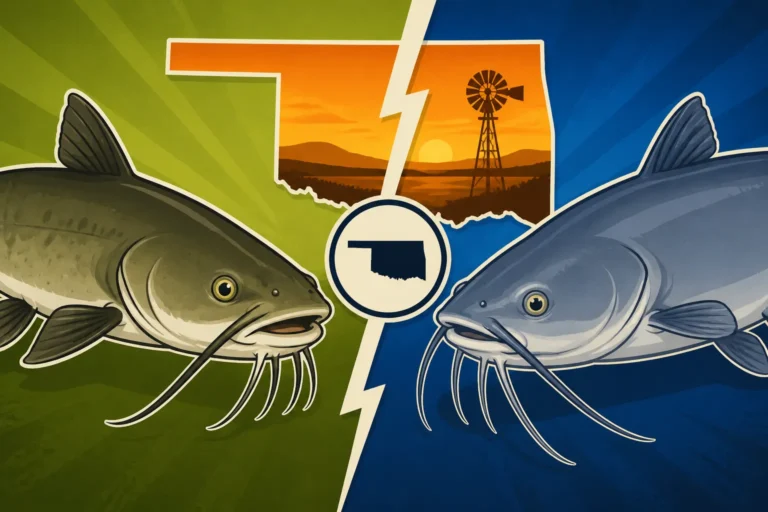
Beyond the sheer size of the lakes, the structure within them plays a huge role. Deep river channels, submerged timber, rock piles, and ledges provide both excellent ambush points and protective cover for blue catfish. These features create a complex underwater landscape where these powerful fish can hide, hunt, and conserve energy, all contributing to their overall health and substantial growth. Catfish Species You'll Find in Oklahoma offers a great overview of the different types you might encounter.
Understanding Blue Catfish Growth Rates
Blue catfish are known for their relatively fast growth rate, especially in their early years, and their impressive longevity. While a channel catfish might reach a decent size, a blue catfish can simply outgrow it year after year. The rate at which they grow depends on a few key factors: genetics, food availability, and environmental conditions.
In optimal conditions, with a rich food source and stable water temperatures, a blue catfish can add several pounds each year. Think about a young blue catfish finding a consistent school of shad; it's going to grow much faster than one in a less productive environment. This rapid early growth is what sets the stage for the true giants we occasionally see pulled from our lakes. Their metabolism is designed to process food efficiently and turn it into muscle and mass.
As blue catfish age, their growth might slow down a bit in terms of length, but they continue to add weight, becoming thicker and more robust. This is why some of the truly enormous specimens are also very old fish. They've simply had more time to grow, feed, and survive, accumulating incredible size over decades. How Fast Do Blue Catfish Grow in Oklahoma Waters delves deeper into the specifics of their development.
Oklahoma's Record Holders and Trophy Waters
The proof of Oklahoma's ability to produce gargantuan blue catfish lies in the state record books and the countless stories whispered among local anglers. These fish aren't just big; they're the stuff of legends, drawing dedicated fishermen from all over.
The State Record Blue Catfish: A Testament to Oklahoma's Potential
Oklahoma proudly boasts a state record blue catfish that truly exemplifies the species' potential in our waters. While I can't provide the exact weight or when it was caught, imagine a fish so massive it would be difficult for one person to lift. This record stands as a beacon, signaling to all anglers that our lakes and rivers harbor genuine giants. It's not just a fluke; it's a reflection of a healthy, thriving ecosystem capable of supporting fish of such incredible proportions.
When a fish of that magnitude is landed, it sends ripples of excitement through the angling community. It confirms that the combination of abundant forage, vast habitat, and good management practices can lead to truly world-class fishing opportunities right here in Oklahoma. Catching a blue catfish even a fraction of that size is a memory that lasts a lifetime, a true angling accomplishment that few ever experience.
These record-setting fish aren't found just anywhere; they typically come from our largest, deepest reservoirs, which have the carrying capacity to support such apex predators. These are the fish that have managed to avoid nets and hooks for many, many years, growing steadily into their colossal forms. It’s a testament to their survival instincts as much as it is to their environment.
Lakes Known for Producing Monster Blue Catfish
If you're dreaming of tangling with a true monster blue catfish, there are a few places in Oklahoma that consistently make headlines for producing giants. These lakes aren't just big; they have the right mix of depth, structure, and forage to nurture massive blues.
Lake Texoma, straddling the Oklahoma-Texas border, is arguably the most famous. Its sheer size, deep river channels from the Red and Washita Rivers, and incredible shad population make it a prime hunting ground. Texoma is legendary for its blue catfish, with anglers regularly pulling out fish well over fifty pounds, and even pushing the triple-digit mark. Its vastness means there are always new areas to explore and deep holes where big fish can hide. Lake Texoma Fishing Guide for Oklahoma Anglers provides an in-depth look at this incredible fishery.
Another powerhouse is Lake Eufaula, Oklahoma's largest lake by surface area. With its sprawling timber, numerous creek channels, and rich bottom structure, Eufaula provides endless cover and feeding opportunities for blue catfish. Anglers here often report incredible catches, proving that Eufaula's nutrient-rich waters are a haven for trophy blues. While perhaps better known for bass and crappie by some, its catfish fishery is second to none. Lake Eufaula: Oklahoma's Gentle Giant for Bass and Crappie can tell you more about this impressive body of water.
Grand Lake O' the Cherokees in northeast Oklahoma also deserves a spot on this list. Known for its clear waters in some areas and expansive depths in others, Grand Lake supports a healthy blue catfish population. The confluence of the Neosho and Spring Rivers provides continuous flow and nutrients, creating an ideal habitat for large blues to thrive. Many local anglers will tell you stories of the tremendous fights these fish put up in Grand Lake's vast open waters. Discover more about this lake here: Grand Lake O' the Cherokees Bass Fishing Guide.
Factors Influencing Blue Catfish Size and Weight
Catching a blue catfish that makes your arms ache and your reel scream is no accident. It’s the result of a complex interplay of environmental factors that allow these fish to reach their impressive size. Understanding these elements is key to appreciating the potential that Oklahoma’s waters hold.
The Role of Forage and Diet
Blue catfish are voracious eaters, and their diet is perhaps the single most crucial factor in determining how big they ultimately get. They are opportunistic predators with a remarkable metabolism that allows them to convert food into body mass efficiently. The more abundant and readily available their preferred food sources are, the faster and larger they will grow.
Their primary food source across most Oklahoma reservoirs is shad – specifically gizzard shad and threadfin shad. These baitfish are plentiful in our large lakes, forming massive schools that blue catfish can easily target. A blue catfish will spend its days hunting these schools, gorging itself whenever possible. Beyond shad, they'll also consume smaller fish like sunfish, crawfish, mussels, and even aquatic insects, especially when they are younger. However, it's the high-fat, high-protein content of shad that truly fuels their growth into monsters.
Imagine a vast reservoir with endless schools of shad; this is a blue catfish's dream buffet. The ability to find and consume large quantities of high-quality forage without expending excessive energy is what allows them to accumulate weight quickly. Without this consistent and rich food supply, even a blue catfish with great genetics wouldn't reach its full potential. Knowing what they eat can also inform your bait choices when you're targeting big fish. For more on bait, see Best Bait for Catfish in Oklahoma Lakes and Rivers.
Water Quality, Habitat, and Depth
Beyond a plentiful pantry, blue catfish need a healthy home. Optimal water quality is paramount for their growth and survival. They prefer well-oxygenated water, which is why you often find them in areas with good current or deep, cool sections of large lakes where oxygen levels remain stable. Polluted or stagnant water can stress fish, impacting their feeding habits and overall health, thus hindering their growth.
Habitat structure provides both protection and hunting grounds. Deep river channels, steep ledges, humps, and submerged timber offer excellent cover for large blue catfish. These features allow them to ambush prey, hide from predators (especially when young), and find comfortable holding patterns at various depths throughout the year. A lake with diverse underwater topography provides more opportunities for big blues to establish their territories and thrive.
Depth is also a significant factor. While blue catfish can be found in shallower waters, particularly during feeding frenzies or certain seasons, the truly massive specimens often reside in deeper parts of the lakes or in the main river channels. These deeper areas offer stable temperatures, often better oxygen, and a sense of security for older, larger fish. They can retreat to these depths when conditions are unfavorable in shallower areas, ensuring their long-term survival and continued growth.
Age and Genetics: The Unseen Drivers of Size
While forage and habitat are crucial, the ultimate size a blue catfish can achieve is also determined by its age and its genetic predisposition. Not every blue catfish in a lake will grow to be a record-breaker, much like not every person will be an Olympic athlete. There's a genetic lottery at play.
Older fish are, by their very nature, larger fish. It takes many years for a blue catfish to reach trophy proportions. Some of the true giants are estimated to be several decades old, having survived countless seasons and evaded numerous anglers. Their sheer age allows them to accumulate the weight and length that make them so impressive. A fish that has lived a long, healthy life in a good environment simply has more time to grow.
Genetics play a subtle but important role. Within any population, there will be individuals that are genetically wired to grow faster and larger than their counterparts, given the same environmental conditions. These are the fish with the "big fish genes" that allow them to process food more efficiently or simply have a larger growth potential encoded in their DNA. While we can't influence the genetics of wild fish, it's an underlying factor that contributes to the presence of true monsters in a fishery. It's a combination of nature and nurture, where the right environment allows strong genetics to truly shine.
Strategies for Targeting Large Blue Catfish
If your goal is to land one of Oklahoma's monster blue catfish, you'll need to adjust your approach from casual fishing to a more targeted strategy. These giants aren't always easy to fool, and they require specialized gear, specific techniques, and a hefty dose of patience.
Best Baits and Rigs for Trophy Blues
When you're chasing truly large blue catfish, forget the small worms and dough baits. These fish are predators, and they prefer big, meaty offerings. The undisputed champion bait for trophy blue catfish is fresh cut bait. Shad, whether gizzard or threadfin, are king, as they mimic the blue cat's natural diet. Cut up a fresh shad into chunks, or use a whole smaller shad if you're feeling adventurous. Other effective cut baits include carp, drum, or even buffalo. The stronger the scent, the better!
Your rigging needs to be robust enough to handle a fish that could easily weigh more than you do. You'll want heavy-duty mono or braided line, typically 30-80 pound test, depending on the conditions and the size of fish you expect. A Carolina rig is a popular choice, consisting of an egg sinker (often 2-8 ounces or more, to hold bottom in current or wind), a heavy-duty swivel, a leader (2-4 feet of stout mono or fluorocarbon), and a large circle hook. Circle hooks are essential not only for better hook-ups but also for ensuring the fish is hooked in the corner of the mouth, making catch-and-release much safer for the fish.
Don't skimp on your tackle. A strong, long catfishing rod (7-10 feet, heavy or extra-heavy action) paired with a robust baitcasting or spinning reel capable of holding a lot of heavy line is crucial. Many anglers find quality gear on sites like Amazon before heading out. Remember, you're not just casting; you're often lobbing heavy weights and then battling powerful fish that will try to take every inch of line you've got. For a full breakdown of what you'll need, check out Best Gear for Catfish Fishing in Oklahoma.
Locating Big Blue Catfish: Structure and Seasonality
Finding blue catfish, especially the big ones, often comes down to understanding their habitat preferences and seasonal movements. They love structure, current, and deep water. Start by focusing on the main river channels within large reservoirs. These channels, often identifiable on mapping or sonar, provide natural highways and holding areas for catfish. Look for bends in the channel, submerged humps, ledges, and drop-offs where the channel meets a flat. These are prime ambush points.
Current is another key factor. Blue catfish will often position themselves just out of the main current flow, waiting for food to be swept by. Below dams can also be a hotspot, but be mindful of regulations and safety. Using a quality fish finder with side-imaging or down-imaging capabilities can be invaluable for pinpointing these underwater structures and even marking schools of baitfish and the larger predatory blues below them.
Seasonality also plays a role in their location. In warmer months, blue catfish might spread out more, but still often relate to deeper structure during the day, moving shallower at night to feed. In colder months, like those described in Winter Catfishing Techniques in Oklahoma, they tend to congregate in deep holes within river channels, often in massive schools, becoming a bit more predictable but sometimes less active. Adjusting your location and depth based on the season is crucial for consistent success.
Patience and Persistence: The Keys to a Trophy Catch
Let's be real: catching a monster blue catfish isn't usually a quick affair. It often requires significant patience and persistence. These are wise, old fish, and they don't always bite instantly. You might need to soak your baits for hours in a prime location before getting a strike. It's not uncommon for dedicated catfishermen to spend an entire day, or even a night, waiting for that one special bite.
Setting up multiple rods with different bait presentations or at varying depths can increase your odds. Many anglers use rod holders and set their rods out, allowing them to cover a wider area or present baits in different ways. This multi-rod approach can be highly effective, but always ensure you're adhering to Oklahoma's regulations regarding the number of lines you can fish simultaneously.
The payoff for this patience is immense. When that rod finally bends over, and your reel starts screaming, all those hours of waiting vanish in a rush of adrenaline. The fight from a truly large blue catfish is legendary – powerful, sustained runs that test your gear and your muscles. It's this challenge and the potential for such a magnificent catch that keeps anglers coming back, hour after hour, year after year, in pursuit of that Oklahoma blue catfish of a lifetime.
Conservation and Responsible Angling
With the thrill of catching a giant blue catfish comes the responsibility of ensuring the health of our fisheries for future generations. Oklahoma has implemented specific rules and recommendations to manage these incredible fish, allowing anglers to enjoy them while promoting their long-term sustainability.
Understanding Oklahoma's Catfish Regulations
Before you even cast a line, it's absolutely vital to be familiar with Oklahoma's fishing regulations, especially when targeting blue catfish. These rules are in place to protect the fishery and ensure that these magnificent fish continue to thrive. Key aspects include daily bag limits and size restrictions, which can sometimes vary by specific body of water.
For instance, Oklahoma has a general statewide daily bag limit for forked-tail catfish (which includes blue and channel catfish) that anglers need to adhere to. Crucially, there's often a specific rule regarding the retention of larger blue catfish. You might be allowed to keep a certain number of catfish in total, but often only one of those can be over a specific length, such as 30 inches. This "one over 30" rule is designed to protect the largest, most valuable breeding fish and is critical for maintaining healthy populations of trophy-sized blues. Ignoring these rules can result in penalties, so always check the latest regulations before you head out. Oklahoma's Catfish Fishing Rules and Limits and The 30-Inch Blue Catfish Rule in Oklahoma are excellent resources for understanding these specifics.
While catching a trophy is a dream, many dedicated blue catfish anglers practice catch-and-release for the largest fish. These older, bigger fish are vital for reproduction and contribute significantly to the genetic strength of the population. Keeping smaller, eater-sized catfish (within legal limits, of course) for the dinner table while carefully releasing the giants ensures that the next generation of anglers can also experience the thrill of a lifetime catch.
Handling and Releasing Large Catfish Safely
Successfully landing a huge blue catfish is only half the battle; knowing how to handle and release it safely is equally important for the fish's survival. A large catfish can be heavy, powerful, and deceptively difficult to manage, but proper technique can minimize stress and injury to the fish.
Firstly, use appropriate landing gear. A large, rubberized landing net is ideal, as it supports the fish's entire body, prevents damage to its fins and slime coat, and won't tangle hooks as easily as nylon nets. Avoid dragging large fish onto rocky banks or boat decks without proper support, as this can cause internal injuries. If you're planning to lift the fish for a quick photo, always support its belly with one hand while holding its jaw (carefully, using a grip tool or a gloved hand) with the other. Avoid lifting by the jaw alone, as this can severely damage its internal organs and spine.
Work quickly and efficiently. Keep the fish in the water as much as possible, especially if you're taking photos. The longer a fish is out of the water, the more stressed it becomes. If the fish appears sluggish before release, hold it gently by the tail and jaw in the water, facing into any current, allowing water to flow over its gills until it regains strength and swims off on its own. Releasing a fish properly is the ultimate act of conservation, ensuring that magnificent specimen can live to fight another day and contribute to future generations of blue catfish in Oklahoma. You can even find specialized catfish gloves on Amazon to protect both you and the fish during handling.
Conclusion
The pursuit of giant blue catfish in Oklahoma is a thrilling endeavor, driven by the knowledge that our waters hold truly enormous specimens. From the state record holders that inspire awe to the vast, rich environments of lakes like Texoma, Eufaula, and Grand Lake, everything is aligned for these fish to reach incredible sizes. By understanding their growth factors, honing your targeting strategies, and embracing responsible angling practices, you’re not just chasing a fish; you're engaging with a vital part of Oklahoma's natural heritage. So, gear up, be patient, and get ready for the fight of a lifetime – because in Oklahoma, blue catfish truly do get big.
Disclaimer
This article is for general informational purposes only and does not constitute professional advice. Laws, prices and regulations vary by location and change over time. Consult a qualified professional for guidance on your specific situation.