Is Crappie Good to Eat?
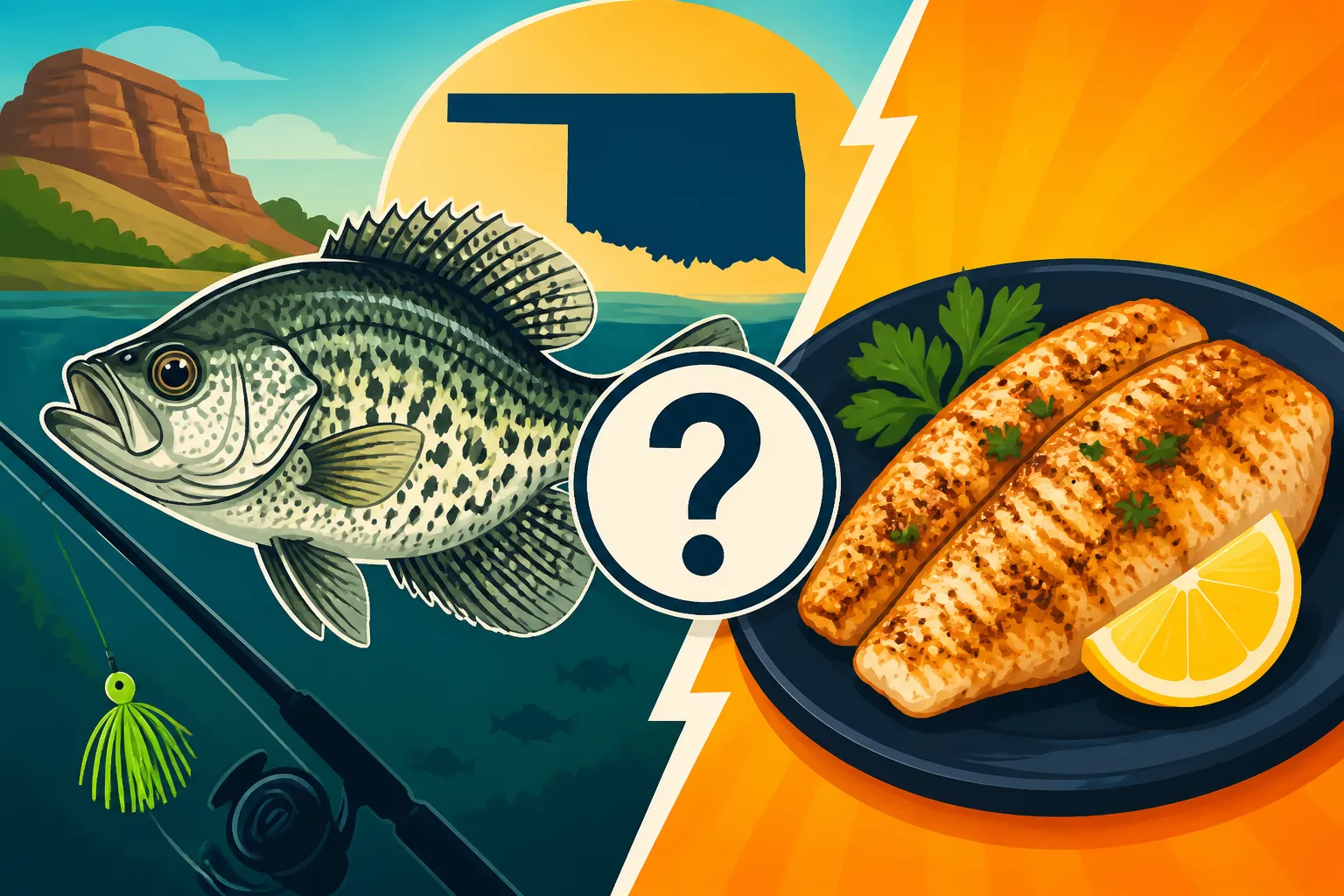
One of the most common questions I get from fellow anglers, especially those new to chasing panfish in Oklahoma, isn't about the best bait or secret spots, but rather, "Is crappie even good to eat?" It's a fair question, especially if you're used to the stronger flavors of catfish or even some bass. But let me tell you, when handled right, crappie is a phenomenal table fish, and this guide is all about helping you unlock that delicious potential from the moment it leaves the water to when it hits your plate.
The Unassuming Deliciousness of Oklahoma Crappie
Crappie, whether you're pulling a chunky black crappie from the submerged timber of Grand Lake or a feisty white crappie from Lake Eufaula, often gets overlooked in favor of its larger game fish cousins. But for those in the know, crappie holds a special place in the hearts (and stomachs) of Oklahoma anglers. They're often hailed for their delicate flavor and tender, flaky texture that can rival some of the most sought-after white fish.
Why Crappie is a Top Table Fish
Crappie boasts a mild, sweet flavor that’s not overly "fishy," making it a fantastic choice even for those who are usually hesitant about eating fish. Its flesh is white, lean, and incredibly tender when cooked properly, flaking apart beautifully on your fork. This delicate nature means it's incredibly versatile in the kitchen, absorbing flavors from marinades and seasonings without being overpowered. You'll find that Crappie Fishing in Oklahoma: Black and White Crappie often leads to some of the most rewarding meals.
Many folks describe crappie as having a clean taste, especially when caught from clear, cool waters. It's truly a testament to how good freshwater fish can be. Compare it to some other panfish, and crappie consistently comes out on top for its superior texture and subtle taste. It’s why so many anglers specifically target them not just for the thrill of the catch, but for the promise of a delicious dinner.
Understanding the Flavor Profile
The flavor of crappie can vary slightly depending on a few factors, much like any other fish. The water quality of where it was caught plays a huge role; fish from murky, warm waters might have a slightly earthier taste compared to those from pristine, cold reservoirs. The fish's diet also contributes, as does its size. Generally, smaller to medium-sized crappie (those in the 9-12 inch range) tend to have the most desirable flavor and texture – not too bony, not too tough. You'll want to be familiar with Oklahoma Statewide Crappie Bag Limit and specific lake limits to ensure you're keeping fish within the legal and tasty range.
Think of crappie's flavor as a blank canvas. It’s not robust like salmon or gamey like some wild trout. Instead, its mildness allows you to really play with different spices and cooking methods without competing with the fish itself. This versatility is one of its greatest strengths as a table fish, making it a favorite for many Oklahoma families who enjoy preparing their catch in a variety of ways.
From Water to Plate: Essential Crappie Preparation
The journey from a lively crappie in the lake to a delectable meal on your plate is a crucial one. How you handle your catch immediately after it's hooked, and how meticulously you prepare it for cooking, directly impacts its final flavor and texture. Skipping these vital steps is often the reason some people might say they don't like crappie, when in reality, they just haven't experienced it prepared correctly.
Immediate Care and Handling
The moment a crappie comes out of the water, its quality for the dinner table begins to decline. To preserve that fresh, clean taste and firm texture, it’s absolutely critical to get your crappie on ice as quickly as possible. Don't just toss them in a bucket of warm water; a cooler full of ice is your best friend. This rapid cooling slows down spoilage and rigor mortis, which keeps the flesh firm and prevents that undesirable "muddy" taste sometimes associated with freshwater fish. If you're out on the water for a while, consider bleeding your crappie right after the catch by cutting a gill arch. This can further enhance the flavor by removing blood from the muscle tissue.
When you're out for a full day of fishing, especially during the warmer months when Crappie Fishing Techniques and Seasonal Patterns in Oklahoma might have you out during peak heat, having a good quality cooler packed with plenty of ice is non-negotiable. Don't just throw a few cubes in; you want a true ice bath that keeps the fish chilled down to around 35-40 degrees Fahrenheit. This diligent care on the water is the first and arguably most important step in ensuring a delicious meal later on.
Cleaning and Filleting Crappie
Once you’re back home and ready to process your catch, proper cleaning and filleting are next on the agenda. Start by rinsing the fish thoroughly to remove any dirt or slime. Then, it's time to fillet. While some people like to scale and gut small crappie and cook them whole, filleting yields boneless, skinless portions that are incredibly easy and enjoyable to eat. A sharp fillet knife is your most important tool here. You'll want to make a cut behind the gill plate down to the backbone, turn the blade flat, and slide it along the backbone towards the tail, separating the fillet. Repeat on the other side.
After removing the fillets, you'll need to skin them. Lay the fillet skin-side down, hold the tail end firmly, and work your knife between the flesh and the skin, pushing the skin away from the fillet. Any remaining pin bones can be removed with a pair of fish pliers or needle-nose pliers, or by making a small V-cut. Rinse the finished fillets under cold water, pat them dry, and they're ready for cooking or freezing. Taking the time to do a clean job here means every bite will be pure, unadulterated crappie goodness. You might even want to check out some good filleting knives available on Amazon to make the job easier.
Cooking Crappie: Popular Methods for Peak Flavor
The versatility of crappie means you have a wide array of cooking options at your fingertips, each bringing out different aspects of its delicate flavor and tender texture. From classic Southern-fried fish to lighter, healthier preparations, there's a method to suit every palate and occasion. The key is not to overcook it, as crappie can dry out quickly due to its lean nature.
Classic Pan-Frying or Deep-Frying
When most people think of eating crappie, pan-frying or deep-frying is often the first thing that comes to mind, and for good reason! This method creates a wonderfully crispy exterior while keeping the inside moist and flaky. For pan-frying, simply dredge your crappie fillets in seasoned cornmeal or a flour-based breading, then fry in a shallow layer of hot oil (like peanut, canola, or vegetable oil) until golden brown and cooked through. For deep-frying, a similar breading is used, but the fillets are submerged in hotter oil for a shorter period.
A common setup for frying involves a three-stage dredging station: first, a bowl with seasoned flour or a fish fry mix; second, an egg wash (beaten eggs with a splash of milk or water); and third, more seasoned flour or cornmeal. This ensures a thick, crispy crust. Serve your fried crappie with a squeeze of lemon, a dollop of tartar sauce, and some fresh coleslaw, and you’ll understand why this is a time-honored tradition in Oklahoma fishing camps and homes. It’s also often a highlight of family gatherings after a successful trip to one of the Best Crappie Lakes in Oklahoma.
Baking or Broiling for a Lighter Touch
If you're looking for a healthier alternative to frying, or simply prefer a lighter meal, baking or broiling crappie fillets can be incredibly delicious. These methods allow the natural sweetness of the fish to shine through, especially when paired with fresh herbs, citrus, and a hint of butter or olive oil. For baking, preheat your oven to around 400°F (200°C), place seasoned fillets on a baking sheet, and bake for 10-15 minutes, or until the fish flakes easily with a fork.
Broiling offers a similar result but with a bit more crispness on top. Simply place your seasoned fillets under a preheated broiler for 5-7 minutes, keeping a close eye on them to prevent burning. You can enhance the flavor further by adding a vibrant topping like a pesto crust, a sprinkle of breadcrumbs mixed with parmesan, or a simple lemon-herb butter. This approach is fantastic for showcasing the delicate texture of crappie without masking it under a heavy crust, making it a great option for those who are watching their calorie intake or prefer a cleaner taste.
Grilling and Other Creative Preparations
Grilling crappie might seem challenging due to its delicate nature, but with the right technique, it’s absolutely worth it. The key is to either use a fish basket or wrap the fillets in foil packets with vegetables and seasonings. For direct grilling, make sure your grates are very clean and well-oiled to prevent sticking. A medium-high heat for a few minutes per side is usually sufficient. Foil packets are more forgiving: simply place your seasoned crappie fillets with a pat of butter, lemon slices, and herbs inside a foil pouch and grill until cooked through.
Beyond these common methods, crappie can also be excellent in fish tacos, pan-seared and topped with a fresh salsa, or even used in a delicate fish stew. Some adventurous cooks even smoke crappie for a unique flavor. Don't be afraid to experiment with different rubs and marinades. For example, a simple blend of paprika, garlic powder, onion powder, and a touch of cayenne can elevate crappie to new heights. You can find a vast array of seasonings and cooking gadgets to help with these preparations on Amazon, ensuring you have everything you need for a culinary adventure.
Here’s a quick comparison of popular crappie cooking methods:
| Cooking Method | Prep Time | Cook Time | Texture Profile | Flavor Profile | Best For |
|---|---|---|---|---|---|
| Pan-Frying | Moderate | ~5-8 min | Crispy exterior, flaky interior | Rich, savory | Classic fish fry, sandwiches |
| Deep-Frying | Moderate | ~2-4 min | Very crispy crust, tender interior | Rich, savory, indulgent | Large batches, fish and chips |
| Baking | Low | ~10-15 min | Moist, tender, delicate | Mild, natural, infused | Healthier options, casseroles |
| Broiling | Low | ~5-7 min | Slightly browned top, moist interior | Mild, fresh | Quick meals, light preparations |
| Grilling (Foil) | Moderate | ~10-15 min | Steamed, moist, infused | Smoky, aromatic | Outdoor cooking, camping |
| Grilling (Direct) | Moderate/High | ~4-6 min | Slightly charred, firm | Smoky, clean | Experienced grillers, firming fish |
Nutritional Benefits of Adding Crappie to Your Diet
Beyond its fantastic taste, crappie offers a range of impressive nutritional benefits that make it a smart addition to any healthy diet. As a lean white fish, it's packed with protein and essential nutrients while being low in fat, making it an excellent choice for health-conscious individuals and families. For anglers who enjoy eating what they catch, crappie is truly a gift from Oklahoma's waters.
Lean Protein Powerhouse
Crappie is an excellent source of lean protein, which is vital for muscle repair, growth, and overall bodily function. A typical serving of crappie can provide a significant portion of your daily protein needs without adding excess calories or unhealthy fats. This makes it a great choice for athletes, those trying to manage their weight, or anyone looking to incorporate more wholesome protein sources into their meals. In fact, many professional and recreational anglers rely on fish like crappie to fuel their active lifestyles.
Unlike some fattier cuts of meat, crappie is easily digestible, meaning your body can process and utilize its protein efficiently. So, next time you're considering what to cook after reeling in a How Many Crappie You Can Keep in Oklahoma limit, remember that you're not just getting a delicious meal, but also a powerhouse of muscle-building goodness. This lean protein also helps you feel fuller for longer, which can be a real benefit if you're trying to control your appetite.
Rich in Essential Vitamins and Minerals
Crappie isn't just about protein; it's also a good source of several important vitamins and minerals that contribute to overall health. It typically contains B vitamins, particularly B12 and B6, which are crucial for energy metabolism, nerve function, and red blood cell formation. It also provides minerals like phosphorus, selenium, and potassium. Selenium acts as an antioxidant, helping to protect your cells from damage, while phosphorus is essential for strong bones and teeth.
While not as high in omega-3 fatty acids as some cold-water fatty fish like salmon, crappie still offers some beneficial healthy fats. It's truly a well-rounded food that supports various bodily functions. Incorporating fish like crappie into your regular diet, especially fresh from the lake, is a delicious way to boost your nutrient intake. When you're thinking about the health benefits, it really makes those early mornings spent mastering Crappie Jigging Techniques even more worthwhile.
Maximizing Flavor: Best Practices for Catching and Storage
To ensure you're always getting the best possible flavor from your crappie, it's not just about cooking methods; it starts with how you catch and handle them. Even the freshest fish can taste off if it's not cared for properly from the moment it leaves the water. Think of it as a quality control process that begins with your fishing trip itself.
Targeting Healthy Fish
The health of the fish you catch directly impacts its taste. Generally, crappie caught from clean, well-oxygenated waters with a healthy food supply will taste better than those from stagnant or polluted environments. When fishing in Oklahoma, stick to reputable lakes and rivers. While Stricter Crappie Limits at Six Oklahoma Lakes often mean healthy populations, it also implies careful management to maintain fish quality.
It's also worth noting that very large, older fish can sometimes develop a tougher texture or a slightly stronger flavor. Many anglers agree that medium-sized crappie (often called "slabs") are the absolute best for eating, offering that perfect balance of meatiness and delicate flavor. Pay attention to the conditions of the water you're fishing and aim for healthy, vibrant fish that show no signs of distress or disease. This selective approach will lead to a better culinary experience.
Proper Storage and Freezing
If you're not going to eat your crappie fillets immediately, proper storage is paramount to maintaining their quality. Fresh fillets can be stored in the refrigerator in an airtight container for 1-2 days. For longer storage, freezing is the way to go. The best method for freezing crappie fillets is to vacuum seal them, if you have the equipment. This removes all air, preventing freezer burn and preserving the fish's quality for several months.
If you don't have a vacuum sealer, you can use freezer bags, but try to press out as much air as possible before sealing. Another popular method for white fish like crappie is to freeze them in water. Place your fillets in a freezer-safe container or bag, then cover them completely with water before freezing. This creates an ice barrier that protects the fish from air. Whichever method you choose, make sure to label your packages with the date, so you always know what's fresh. You can find freezer bags and containers of all sorts for this purpose on sites like Amazon, ensuring your catch stays as delicious as possible.
Addressing Common Concerns About Eating Crappie
Even with all the praise for crappie's flavor, some anglers (or their dining companions) might still have reservations. It's important to address these concerns head-on, from potential contaminants to misconceptions about "fishy" tastes. Understanding these points can help you enjoy your crappie with greater confidence and enthusiasm.
Mercury and Contaminant Concerns
Like all fish, crappie can accumulate mercury and other environmental contaminants. However, as a general rule, smaller, shorter-lived fish like crappie tend to have lower levels of mercury than larger, predatory fish that live longer and consume more mercury-laden prey. The Oklahoma Department of Wildlife Conservation (ODWC) and the Oklahoma Department of Environmental Quality (ODEQ) periodically issue consumption advisories for specific bodies of water if contaminant levels are a concern.
It's always a good idea to check for current advisories for the particular lake or river where you're fishing. For most people, enjoying crappie in moderation from well-managed Oklahoma waters is perfectly safe and healthy. If you’re fishing regularly, varying your catch to include different species and fishing spots can also be a good practice. What Fish Are Safe to Eat From Oklahoma Waters? is a great resource if you have further concerns about specific locations.
Overcoming the "Fishy" Stigma
The "fishy" taste is often a major deterrent for people, and it’s usually due to improper handling, poor quality fish, or incorrect cooking. As we've discussed, getting your crappie on ice immediately, bleeding it, and proper cleaning are your first lines of defense against any off-flavors. Freshness is key! If a crappie has been sitting out in the sun or in warm water, it will develop that unpleasant taste far more quickly.
When cooking, avoiding overcooking is crucial, as this can dry out the lean flesh and intensify any residual fishy notes. Also, don't be shy with seasonings. Marinades, citrus juices (lemon, lime), and herbs can beautifully complement crappie's mild flavor and further minimize any "fishy" perception. Many people who claim they don't like fish have simply never had it prepared well. Give them a perfectly fried, fresh crappie fillet, and you might just convert them! Sometimes a simple trick like soaking fillets in milk for an hour before cooking can also draw out any stronger flavors, resulting in an even milder taste profile.
Disclaimer
This article is for general informational purposes only and does not constitute professional advice. Laws, prices and regulations vary by location and change over time. Consult a qualified professional for guidance on your specific situation.