Do Oklahoma Catfish Anglers Prefer Channel or Blue Catfish?
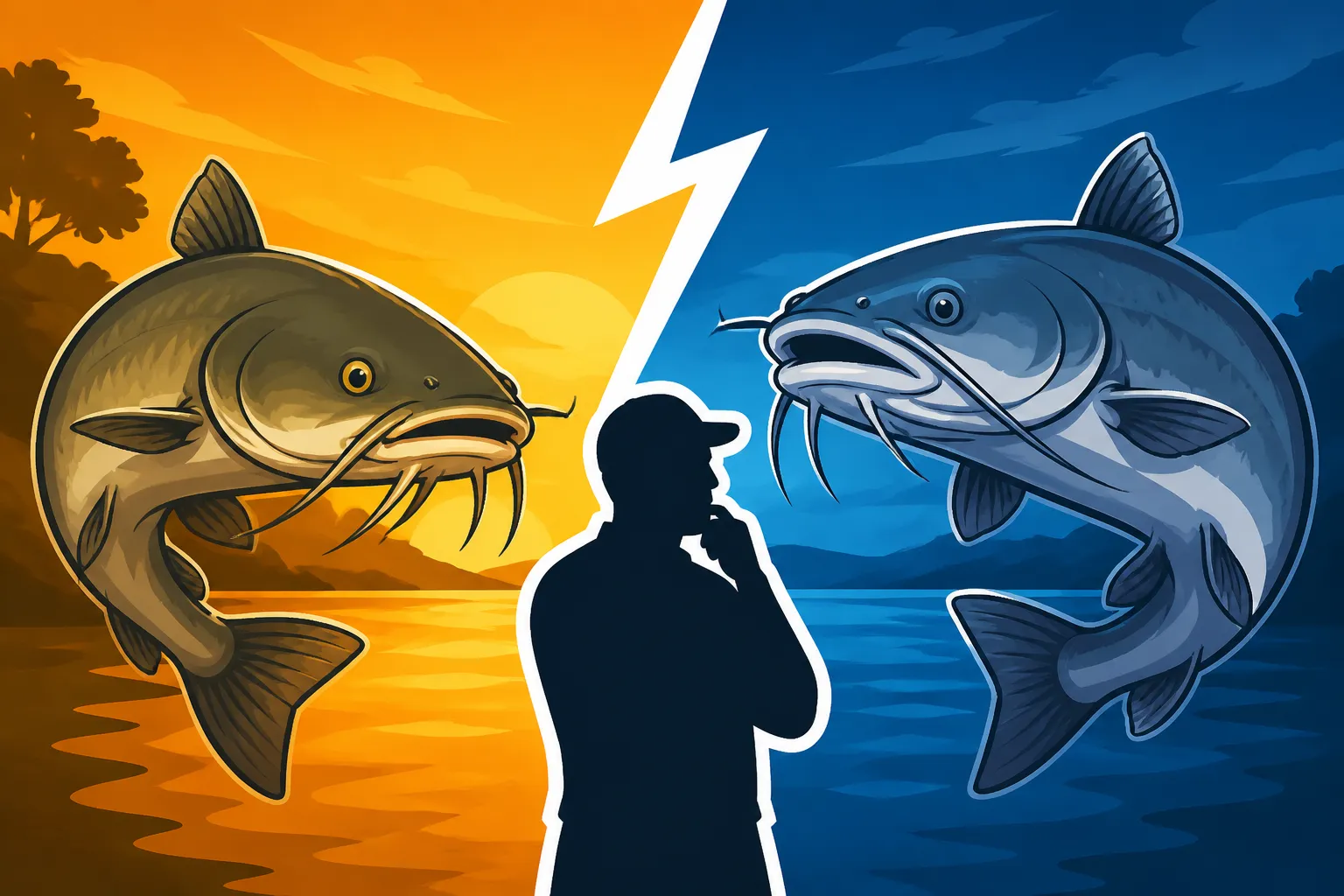
When it comes to pursuing catfish in Oklahoma, many anglers find themselves at a crossroads, pondering the age-old question: which species reigns supreme in the hearts of local fishermen – the tenacious channel cat or the formidable blue cat? It's a common dilemma, rooted in the unique characteristics and angling experiences each offers. This guide will dive deep into the preferences, techniques, and delicious debates surrounding Oklahoma's two most popular forked-tail catfish, helping you understand why anglers lean one way or another, or often, both!
Understanding Oklahoma's Catfish Culture: A Tale of Two Species
Oklahoma is truly a catfisherman's paradise, boasting an abundance of both channel and blue catfish across its diverse waterways. While they share the "catfish" moniker, the experience of targeting each can be wonderfully different, leading to varied passions among the angling community. Understanding these differences is key to appreciating why an angler might prefer one over the other.
The Ubiquitous Channel Catfish: A Familiar Friend
The channel catfish is often the first catfish many Oklahomans encounter, making it a nostalgic favorite for countless anglers. They're widespread, found in almost every pond, creek, river, and reservoir across the state, making them incredibly accessible. You don't always need a fancy boat or specialized gear to get into a good channel cat bite. A simple rod and reel, some worms or cut bait, and a comfortable spot on the bank are often all it takes.
These feisty fish are known for their spirited fights, even at smaller sizes, providing consistent action that can be particularly rewarding for beginners or families fishing together. Their average size tends to be in the 1-5 pound range, though trophy channel cats reaching into the teens are certainly not uncommon in prime waters. For many, the channel cat represents the pure, unadulterated joy of fishing, a reliable catch that almost always guarantees a fun day out.
The Mighty Blue Catfish: A Trophy Hunter's Dream
Then there's the blue catfish, a species that whispers promises of brute strength and colossal size. These magnificent fish are the heavyweights of Oklahoma's catfish world, drawing a different kind of angler – one often seeking a true battle. While channel cats are plentiful in smaller waters, blue catfish really shine in the state's larger reservoirs and river systems, like Lake Texoma, Lake Eufaula, and the Arkansas River.
Blue cats are known for their sheer power and stamina. Hook into a 30-pounder, or even a 50-plus pound specimen, and you're in for a fight that will test your tackle, your strength, and your resolve. For the dedicated trophy hunter, the pursuit of a giant blue catfish is an obsession, a quest for that once-in-a-lifetime catch that makes all the hours on the water worthwhile. The satisfaction of landing a truly massive blue cat is an experience that few other freshwater fish can rival, cementing their status as a premier sportfish.
Diving Deeper into Angler Preferences: Why Choose One Over the Other?
The choice between targeting channel catfish and blue catfish often boils down to a blend of practical considerations and personal fishing philosophies. While some anglers happily pursue both, many develop a strong affinity for one species over the other, shaping their entire catfishing approach.
Accessibility and Fishing Experience: Who's Easier to Catch?
When we talk about accessibility, channel catfish often come out on top for casual anglers. They're truly the everyman's fish. You can find them in smaller farm ponds, neighborhood lakes, and quiet river bends – places easily reached by car, making them ideal for a spontaneous afternoon trip. A simple bait and bobber setup, or a basic bottom rig, is usually all you need. You'll often hear tales of kids catching their first fish, a feisty channel cat, right off the dock.
Blue catfish, on the other hand, often require a bit more effort and specialized knowledge. While they can be caught from the bank in certain river systems, the biggest blues typically lurk in deeper, open water areas of large reservoirs. This often means needing a boat, specialized electronics to find underwater structure, and a willingness to explore vast stretches of water. The learning curve for consistent blue cat success can be steeper, demanding patience and a more strategic approach. If you're wondering how to distinguish them, take a look at Channel Catfish vs Blue Catfish: How to Tell Them Apart for helpful tips.
Size, Fight, and Trophy Potential: The Thrill Factor
Here's where the blue catfish truly pulls ahead for many dedicated anglers. There's an undeniable allure to the sheer size and power of a trophy blue cat. While a 10-pound channel cat is an impressive catch, a 10-pound blue cat is often just a warm-up act. Blue catfish regularly reach 30, 40, 50 pounds, and even much larger in Oklahoma's prime waters. The state record How Big Do Blue Catfish Get in Oklahoma is a testament to their incredible growth potential.
The fight from a large blue catfish is a different beast entirely. It's a deep, powerful tug-of-war, often involving long runs and stubborn resistance. Anglers describe it as a true test of strength and endurance. Channel catfish, while spirited, tend to be more acrobatic with quicker bursts. For those who live for the adrenaline rush of a heavy bend in the rod and the thrill of landing a monster fish, blue catfish are the undisputed champions.
Table Fare and Culinary Considerations: What Tastes Best?
The debate over which catfish tastes better is as old as fishing itself, and opinions vary wildly. Generally, most anglers agree that smaller, younger fish of any species tend to have a milder, more delicate flavor.
Channel catfish are widely regarded for their mild, flaky white meat. They are fantastic pan-fried, grilled, or used in classic fish fries. Because they are so common and often harvested at smaller sizes, they are a staple on many Oklahoma dinner tables. Their widespread availability and excellent taste make them a popular choice for those fishing primarily for a meal.
Blue catfish also offer excellent table fare, especially smaller individuals (under 10-15 pounds). Their meat is firm, white, and can be quite delicious. However, some anglers report that very large blue catfish can have a stronger, fishier flavor or tougher texture, especially those taken from warmer waters. This isn't a universal truth, as preparation and immediate care of the catch play a huge role. Still, for consistency in flavor and texture, many anglers prefer the taste of a channel cat or a smaller blue cat. If you're curious about specific culinary aspects, exploring Is Blue Catfish Good to Eat? can offer more insights.
Gear and Techniques: Tailoring Your Approach for Each Species
The shift in angler preference between channel and blue catfish is often mirrored in the evolution of their gear and techniques. What works well for one might be completely inadequate for the other, highlighting the distinct challenges and rewards each species presents.
Channel Catfish: Versatile and Approachable Setups
For channel catfish, versatility is key. Since they can be found in a wide array of habitats, from small ponds to large lakes, anglers often use medium-action spinning or baitcasting setups. A rod in the 6-7 foot range with a moderate bend is perfect for casting baits and handling the spirited fights of channel cats. Line strength typically ranges from 10-20 pound test monofilament or fluorocarbon, though braided line is increasingly popular for its sensitivity and strength-to-diameter ratio.
When it comes to bait, channel cats aren't particularly picky, which adds to their appeal. Classic options include nightcrawlers, chicken livers, shrimp, hot dogs, and a variety of prepared "stink baits." These are all readily available, and you can often find great deals on a selection of them on sites like Amazon for your tackle box. For bank anglers, a simple slip-sinker rig or a Carolina rig placed near submerged cover or channel drop-offs works wonders. Best Bait for Channel Catfish After a Rainstorm might offer some specific insights for post-rain fishing. The beauty of channel cat fishing is its simplicity; it's a fantastic way to introduce new anglers to the sport without needing an extensive gear investment.
Blue Catfish: Heavy Duty for the Heavyweights
Targeting blue catfish, especially the really big ones, requires a significant upgrade in your gear. This is where you bring out the heavy artillery. Robust, long, heavy-action rods (7-9 feet or more) paired with large, high-capacity baitcasting reels are essential. You'll need reels that can handle massive amounts of strong line, often 30-80 pound braided line, sometimes even heavier, with a leader of equally stout monofilament or fluorocarbon. The drag system on your reel must be smooth and powerful enough to withstand sustained runs from a fish that could easily weigh more than your toddler.
Baits for blue catfish are almost exclusively cut bait, typically fresh shad, perch, sunfish, or carp. They want a big, smelly meal. These baits are usually fished on heavy bottom rigs, often with 8-16 ounce sinkers (or even heavier in strong currents) to hold them in place in deep channels or river bends. Tactics also expand beyond simple rod and reel. Techniques like Trotline Fishing for Catfish and Jug Fishing for Catfish are popular and highly effective for covering large areas and targeting big blues, though they require specific regulations and careful setup. When preparing for serious blue cat fishing, checking Amazon for heavy-duty circle hooks, strong swivels, and a robust rod holder is always a good idea. Finding the right gear ensures you're ready for the battle these giants will bring.
The Verdict: It's Not Always an Either/Or Situation
The question of whether Oklahoma catfish anglers prefer channel or blue catfish often doesn't have a simple, singular answer. The truth is, many anglers enjoy both, adapting their pursuit based on their goals for a particular fishing trip, the waters they're fishing, and even the time of year.
Diverse Fisheries and Changing Preferences
Oklahoma's diverse aquatic environments play a huge role in shaping angler preferences. In smaller ponds, local community lakes, and calmer river stretches, channel catfish are king. They offer consistent action, are relatively easy to catch, and provide excellent table fare. For a casual outing, a family trip, or just some relaxing bank fishing, channel cats are hard to beat. The state's Oklahoma Forked-Tail Catfish Bag Limit of 15 fish per day, encompassing both channel and blue catfish combined, often means an angler can easily fill a cooler with a good mix of channels from these more accessible spots.
However, when anglers head to the massive reservoirs like Lake Texoma, Lake Eufaula, or Grand Lake, or target the larger river systems, the allure of the blue catfish often takes precedence. These are the waters where monster blues live, and the challenge of hunting them becomes the main draw. It's a different kind of fishing – often more strategic, more physically demanding, and focused on fewer, but much larger, fish. Oklahoma's Catfish Rules for Blue and Channel Combined means you're often managing your limit with an eye towards both species you might encounter. Some days, it's about the fight; other days, it's about putting fish on the grill.
The Joy of Catfishing: Community and Tradition
Ultimately, the choice between channel and blue catfish is a personal one, reflective of what an angler seeks from their time on the water. Some prefer the consistent bites and culinary rewards of channel cats, while others are driven by the thrill of the chase and the immense power of blue cats. What unites all Oklahoma catfish anglers, though, is a shared passion for these incredible fish and the rich tradition of catfishing itself.
From riverside fish fries to late-night jugging trips, catfishing fosters a strong sense of community and provides endless opportunities for making memories. Whether you're pulling in a feisty channel cat on a worm or battling a behemoth blue with heavy tackle, the joy of the bend in the rod and the camaraderie with fellow anglers remains the same. So, while the debate over which species is "preferred" might continue, the truth is, Oklahoma is blessed with an abundance of both, ensuring that every catfisherman can find their own kind of perfect day on the water. And that, my friends, is something to celebrate.
| Catfish Species | Typical Size Range | Key Angler Draw | Preferred Habitat | Common Fishing Methods |
|---|---|---|---|---|
| Channel Catfish | 1-10 lbs (up to 20) | Accessibility, Consistent Action, Good Table Fare | Ponds, Creeks, Smaller Rivers, Reservoirs | Bank fishing, Bait & Bobber, Bottom Rigs |
| Blue Catfish | 5-50+ lbs | Trophy Size, Powerful Fight | Large Reservoirs, Major River Channels | Boat Fishing, Deep Dropping, Trotlines, Jug Fishing |
Disclaimer
This article is for general informational purposes only and does not constitute professional advice. Laws, prices and regulations vary by location and change over time. Consult a qualified professional for guidance on your specific situation.