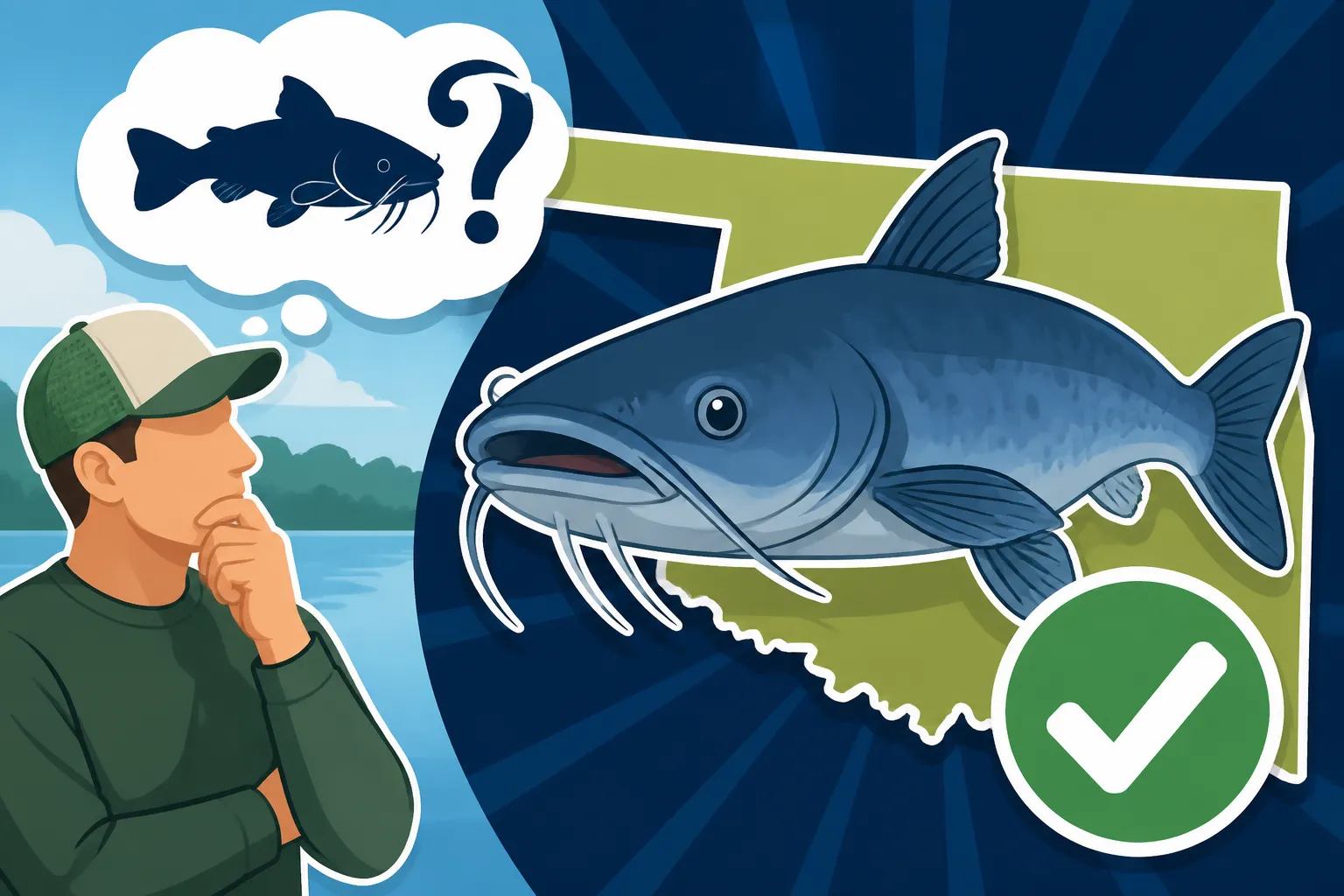
Can You Keep a 30-inch Blue Catfish in Oklahoma?
There's often a bit of a head-scratcher when it comes to keeping those impressive, giant blue catfish you reel in from Oklahoma's waters. Many anglers, myself included, have stood on the bank, tape measure in hand, wondering exactly how the state's regulations apply to a big blue cat that pushes past the two-and-a-half-foot mark. This guide is here to untangle the specifics of the 30-inch blue catfish rule, so you can confidently know what to do with that potential trophy catch.
Understanding Oklahoma's Catfish Regulations
Oklahoma is renowned for its incredible catfish fishing, boasting healthy populations of channel, blue, and flathead catfish. While flatheads have their own set of rules, the "forked-tail" catfish, which include both channel and blue catfish, share a statewide daily creel limit. This is where things can get a little tricky for new anglers or those who aren't regularly reviewing the official regulations.
The Statewide Daily Limit for Forked-Tail Catfish
First, let's talk about the overall picture. For channel and blue catfish combined, the statewide daily bag limit in Oklahoma is 15 fish. This means that, in most public waters across the state, you can keep a combination of up to 15 channel and blue catfish in a 24-hour period. It's not 15 channel and 15 blue; it’s a total of 15 "forked-tail" catfish. This regulation is designed to help maintain healthy fish populations while still allowing anglers a generous harvest for a good old-fashioned fish fry. You might catch 10 channel cats and 5 blue cats, or 15 channel cats, or 15 blue cats, as long as the total doesn't exceed 15. This blanket limit simplifies things for many anglers who are just out for a relaxing day of catching. For a deeper dive, check out Forked-Tail Catfish Limits in Oklahoma.
This combined limit is a common source of confusion, especially when you're used to species-specific limits for other game fish like bass or crappie. However, for catfish, the Oklahoma Department of Wildlife Conservation (ODWC) groups them to manage the overall pressure on these popular species. It's a pragmatic approach that generally works well for the diverse range of waters we have, from the smallest farm pond to our largest reservoirs. Always remember to count both species when tallying your daily take to stay compliant.
The Specific 30-Inch Blue Catfish Rule
Now, here's the crucial detail that this article is all about: within that 15-fish daily limit for forked-tail catfish, only one blue catfish over 30 inches in length may be kept. This specific regulation is a vital component of Oklahoma's trophy fish management strategy, specifically targeting those magnificent, large blue catfish that truly test your tackle and your patience. The 30-Inch Blue Catfish Exception Explained is a great resource if you want to read more about this specific rule.
This rule doesn't mean you can't catch more than one blue catfish over 30 inches; it simply means you can only retain one as part of your daily bag. So, if you're lucky enough to hook into two blue cats that measure 32 and 35 inches respectively, you would need to choose one to keep and release the other. This measure is put in place to protect the older, larger spawning fish, allowing them to continue contributing to the population and ensuring future generations of trophy-sized blue catfish for all anglers. It’s a conservation effort that benefits everyone who loves chasing big cats.
What the 30-Inch Blue Catfish Rule Really Means
Interpreting fishing regulations can sometimes feel like solving a puzzle, especially when there are specific exceptions like the 30-inch blue catfish rule. It’s important to understand the practical implications of this rule when you're out on the water, so you can make informed decisions about your catch.
How to Interpret the "One Fish Over 30 Inches"
Let's break down what "only one blue catfish over 30 inches" truly means in a real-world fishing scenario. Imagine you're out on Lake Texoma, a true blue cat paradise. You've had an incredible day, and you've already boated five blue catfish under 30 inches and two robust blue cats that easily tape out at 33 and 36 inches. According to the rule, you can keep one of those larger fish. The other one, no matter how much it makes your arm ache, needs to be gently released back into the water. This applies even if you haven't hit your total 15-fish forked-tail limit yet. The single 30-inch-plus blue catfish limit stands firm.
This scenario highlights the importance of having a reliable measuring device on your boat or with you if you're bank fishing. Don't eyeball it when it comes to those border-line fish. A simple, sturdy bump board or a flexible tape measure can save you from a potential violation. It’s a small piece of gear, easily found on Amazon or at your local tackle shop, that makes a big difference in ensuring you're fishing legally and responsibly.
Mixing Blue and Channel Catfish in Your Limit
The rule specifically targets blue catfish, not channel catfish. This is a key distinction. While both are "forked-tail" catfish and contribute to your overall 15-fish daily limit, the 30-inch size restriction only applies to the blue variety. So, if you catch 14 channel catfish and one 31-inch blue catfish, you're perfectly within the regulations. The channel catfish don't have an upper size limit you need to worry about for retention within the daily creel.
Consider this: you've been targeting channel catfish and have 10 nice ones in your livewell, all under 25 inches. Then, you hook into a monster blue cat that measures 34 inches. You can absolutely keep that one 34-inch blue cat, bringing your total to 11 forked-tail catfish, with only one over 30 inches (the blue cat). If you then caught a second blue cat at 32 inches, you would need to release it, even though your total catch is still well under 15. This specific protection for large blue catfish is detailed in Why Only One Blue Catfish Over 30 Inches Counts. This nuanced approach means you need to be aware of the species you're catching, especially when they start getting into that "trophy" class.
Why Oklahoma Protects its Trophy Blue Catfish
Oklahoma’s decision to implement a one-fish-over-30-inches rule for blue catfish isn't arbitrary. It’s a calculated strategy rooted in sound fisheries science and a desire to ensure that the state remains a premier destination for catching truly massive blue cats. This protection benefits both the fish population and the anglers who pursue them.
Conservation and Management Goals
The primary goal behind the 30-inch blue catfish rule is conservation, specifically for managing the trophy potential of the species. Large blue catfish are the prime spawners within their population. They've survived countless challenges, grown to impressive sizes, and are essential for reproducing strong, healthy offspring. By limiting anglers to keeping only one over this significant size, the Oklahoma Department of Wildlife Conservation ensures that a robust number of these valuable breeders remain in the water to continue their role in the ecosystem. This approach helps to prevent overharvesting of the largest, most genetically superior fish, maintaining a healthy age and size structure within the blue catfish population.
Think of it like this: if every angler could keep every giant blue cat they caught, it wouldn't take long before the number of true monsters in our lakes and rivers would dwindle significantly. This rule is a long-term investment in the quality of Oklahoma fishing. It's about sustainability, guaranteeing that future generations of anglers will also have the chance to experience the thrill of battling a genuine heavyweight. It's a testament to the state's commitment to maintaining top-tier fisheries, as highlighted in Oklahoma's Catfish Fishing Rules and Limits.
The Thrill of Catching a Giant Blue Cat
For many anglers, the pursuit of a giant blue catfish isn't just about filling a cooler; it's about the challenge, the fight, and the sheer awe of holding a truly massive fish. The 30-inch rule enhances this experience by ensuring that these trophy fish are present in our waters. Knowing that a 40, 50, or even 80-pound blue cat might be lurking beneath the surface adds an incredible element of excitement to every cast. When you finally hook into one of these giants, the battle is unforgettable, often involving long runs, powerful headshakes, and a test of both your gear and your angling skill.
While you can only keep one over 30 inches, the act of catching and releasing these magnificent creatures is a reward in itself. Many dedicated trophy catfish anglers practice catch and release for all but their allowed single large fish, or even for all of them, understanding that these big blues are more valuable as breeding stock and future catches than as a one-time meal. This rule fosters a culture of respect for these incredible fish, promoting a more sporting approach to trophy fishing. It's about safeguarding those epic encounters that create lasting memories on the water.
Practical Tips for Catfish Anglers in Oklahoma
Fishing for blue catfish in Oklahoma is an incredibly rewarding experience, especially with the chance to hook into some truly massive fish. To make the most of your trips and ensure you're always on the right side of the law, a few practical considerations go a long way.
Always Check Current Regulations
Fishing regulations, while generally stable, can sometimes change. New studies, conservation efforts, or shifts in fish populations might lead the Oklahoma Department of Wildlife Conservation to adjust bag limits, size restrictions, or even specific rules for certain bodies of water. This is why it's absolutely crucial to always check the most current regulations before you head out, especially if it's been a while since your last trip or if you're visiting a new lake or river. While the 30-inch blue catfish rule has been a cornerstone for some time, staying informed is always the best practice.
A quick visit to the ODWC's official website or picking up a copy of the latest Oklahoma Fishing Guide (available at most sporting goods stores or places where you buy a license) will give you the most up-to-date information. Ignorance of the law is never an excuse, and encountering a game warden who finds you with an illegal catch can lead to fines and even confiscation of your gear. Nobody wants that to spoil a perfectly good fishing day. For instance, violating bag limits can lead to serious Penalties for Fishing Without a License in Oklahoma, though in this case, it's about fishing with too many fish or the wrong size.
Gearing Up for Big Blues
When you're targeting blue catfish that have the potential to exceed 30 inches, your standard crappie rod simply won't cut it. These fish are powerful, and they demand tackle that can stand up to their incredible strength and endurance. Investing in appropriate gear isn't just about landing the fish; it's also about ensuring the fish is brought to the boat efficiently for a healthy release if you decide not to keep it.
You'll want a heavy-action rod, typically 7 to 9 feet long, paired with a stout baitcasting reel capable of holding a substantial amount of line, usually 30-to-80 pound test mono or braid. A heavy leader of fluorocarbon or monofilament will provide abrasion resistance against rough bottom structures and the cat's sandpaper-like mouth. Circle hooks are highly recommended, as they greatly increase the chances of a hook-up in the corner of the fish's mouth, making for an easier and safer release compared to J-hooks that can be swallowed. Look for reliable brands on Amazon or at your local tackle shop for quality gear that won't let you down when that trophy blue bites. Don't forget a large, rubberized landing net or a quality pair of grip tools for safely handling these big fish. Having the right tools, like a proper bump board for measuring, is crucial for correctly applying the 30-inch rule. Many anglers also find heavy-duty rod holders essential for bank fishing when using multiple lines with big bait. For more on what to use, check out Best Bait for Catfish in Oklahoma Lakes and Rivers.
Here's a quick overview of Oklahoma's forked-tail catfish limits:
| Species | Daily Bag Limit (Statewide) | Size Restrictions | Notes |
|---|---|---|---|
| Blue Catfish | 15 total forked-tail fish | Only ONE blue catfish over 30 inches may be kept | Contributes to the combined 15-fish forked-tail limit. |
| Channel Catfish | 15 total forked-tail fish | No size limit | Contributes to the combined 15-fish forked-tail limit. |
| Combined Forked-Tail* | 15 total | Only 1 Blue Catfish over 30 inches within that 15 | *Forked-Tail refers to Blue and Channel Catfish combined. |
Disclaimer
This article is for general informational purposes only and does not constitute professional advice. Laws, prices and regulations vary by location and change over time. Consult a qualified professional for guidance on your specific situation.