Best Rivers and Streams for Channel Catfish
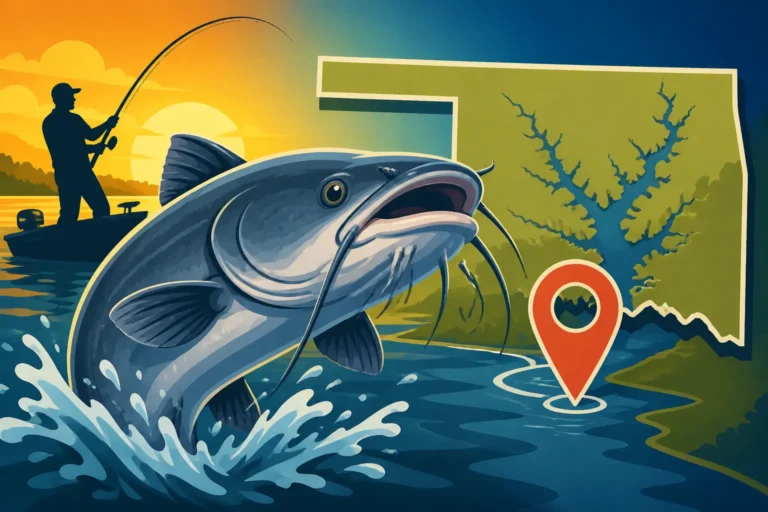
There’s nothing quite like the tug of a channel catfish on your line, especially when you’re fishing in the flowing waters of an Oklahoma river or stream. While many anglers flock to our big reservoirs, often overlooking the dynamic, ever-changing environment of our rivers and streams, they're missing out on some of the most consistent and exciting channel catfishing opportunities. This guide is dedicated to helping you discover those overlooked gems, understand why flowing water is a catfish haven, and equip you with the knowledge to make your next river catfishing trip a success.
The Unique Appeal of River and Stream Catfishing
When people think of fishing in Oklahoma, their minds often jump straight to the vast expanses of Lake Texoma, Eufaula, or Grand Lake. And don't get me wrong, those lakes are fantastic! But there's a whole different world of angling waiting in our rivers and streams, especially when it comes to chasing channel catfish. The current, the natural structure, and the constant flow of nutrients create an ecosystem that these whiskered bottom-dwellers absolutely thrive in. It's a more primal, often more challenging, but incredibly rewarding experience that every angler should try.
Constant Food Delivery and Oxygenation
Imagine a conveyor belt constantly bringing food right to your dinner table. That's essentially what the current does for channel catfish in a river. Unlike lakes where fish might have to search more actively, rivers deliver a steady stream of insects, small fish, and decaying organic matter right to the catfish's preferred ambush points. This constant buffet means less effort for the fish to feed, making them more predictable and often more willing to bite. Beyond food, the moving water also provides superior oxygenation compared to stagnant lake coves, especially during the hot Oklahoma summers when oxygen levels can drop in still waters. Healthy, well-oxygenated water equals active, hungry fish.
Structure That Holds Fish
Rivers are naturally full of structure that acts as prime real estate for channel catfish. We're talking about log jams, fallen trees, undercut banks, rock piles, and deep holes scoured out by the current. These features aren't just for show; they provide crucial cover from predators, breaks from the strong current where fish can rest without expending too much energy, and ambush points for them to dart out and grab passing food. Learning to "read" the river and identify these key structures is a skill that will dramatically improve your success. A sharp bend in the river, for instance, often has a deep hole on the outside bend where the current has carved out the bottom, providing a perfect holding spot for larger catfish.
The Thrill of the Fight in Current
Catching a fish in a river often feels like a different ballgame compared to still water. When a channel catfish bites in a strong current, it immediately uses that current to its advantage, making for a much more intense and challenging fight. A 2-pound channel cat in a river can fight with the vigor of a 4-pounder in a lake. You'll feel every head shake, every surge against the flow, and every desperate attempt to dive back into cover. This added challenge is a huge part of the appeal for many river anglers, pushing their gear and their skills to the limit.
Top Oklahoma Rivers and Streams for Channel Catfish
Oklahoma is blessed with a fantastic network of rivers and streams, each offering unique opportunities for channel catfish. From the mighty, border-defining rivers to the smaller, more intimate creeks, there's a spot for every angler.
The Red River: A Borderland Catfish Hotspot
Stretching across Oklahoma's southern border, the Red River is a legendary waterway known for its diverse fishery, and channel catfish are certainly a significant part of that. Its vastness means there are countless miles of prime habitat. The Red River is typically wide, with a slower, meandering current in many sections, but also features deeper channels and oxbows where catfish love to hang out. The river's muddy nature often keeps bait fish and other forage stirred up, making for excellent catfishing conditions.
Access points can vary, from established boat ramps in areas like Lake Texoma's tailwaters (though that's technically a lake environment, the river upstream and downstream offer classic river fishing) to more rustic points where you might need to find public land or gain landowner permission. Focus your efforts around deep bends, feeder creek mouths, and any visible structure like large log piles. The channel catfish here can reach impressive sizes, making it a favorite for those seeking a true river challenge. For those curious about the bigger cousins, the Red River also holds significant populations of Blue Catfish vs Flathead Catfish: Key Differences.
The Arkansas River System: Navigable Waters and Tributaries
The Arkansas River, cutting a path through eastern Oklahoma, is another incredible resource for channel catfish. As a navigable waterway, it features locks and dams, which create varied current conditions and deep pools that are magnets for catfish. The main stem itself offers robust channel catfishing, especially in areas below the dams where the outflow concentrates fish and food. Look for current breaks along the bank, rip-rap (rock lining the banks) that provides cover, and scour holes near bridge pilings.
But the Arkansas River system isn't just about the main river; its numerous tributaries, like the Verdigris River, Grand River, Neosho River, and Illinois River, also hold fantastic channel cat populations. These smaller rivers often have clearer water and different flow characteristics, requiring a slight adjustment in tactics but offering equally rewarding fishing. For example, the Grand River, before it feeds into Grand Lake O' the Cherokees, has excellent spots. Many of these tributary rivers offer abundant bank fishing opportunities, which is perfect for those who prefer to stay on solid ground.
Smaller Rivers and Creeks: Hidden Gems for Bank Anglers
Don't underestimate the potential of Oklahoma's smaller rivers and even larger creeks. While they might not yield the massive blue catfish or flatheads found in the biggest rivers, they are absolutely phenomenal for consistent action with channel catfish. These waterways often offer a more intimate fishing experience, with less boat traffic and a greater sense of connection to nature.
Consider places like the Blue River, known for its clear, spring-fed waters, which can hold surprising numbers of channel cats in its deeper pools. Or the Caney River in northeastern Oklahoma, which offers some fantastic bank fishing for channel cats, especially after a good rain when the water gets a little stained and the fish become more active. Look for slower moving pools, eddies behind submerged rocks or logs, and deep bends. These smaller waters are often perfect for a casual afternoon trip with a simple How to Rig a Slip Sinker for Catfish and a bucket of bait. Always remember to respect private property boundaries when exploring these smaller, often less-trafficked areas.
| River/Stream Name | Typical Size of Channel Cats | Accessibility | Common Bait | Best For |
|---|---|---|---|---|
| Red River | 2-10 lbs (trophies possible) | Moderate (boat/bank) | Cut bait, worms, stink bait | Serious anglers, boaters |
| Arkansas River | 1-8 lbs | Good (boat ramps, bank) | Cut bait, prepared bait | Variety of anglers |
| Verdigris River | 1-5 lbs | Good (bank access) | Worms, chicken liver | Bank anglers, easy access |
| Grand River | 1-6 lbs | Moderate (boat/bank) | Worms, shad, prepared bait | Mixed methods |
| Blue River | 1-4 lbs | Good (bank access) | Worms, small cut bait | Walk-in anglers, clear water |
| Caney River | 1-5 lbs | Good (bank access) | Chicken liver, shad | Casual trips, stained water |
Essential Techniques and Gear for River Catfishing
Successfully targeting channel catfish in rivers and streams requires a bit of a different approach than lake fishing. The current is your biggest factor, and understanding how to work with it, rather than against it, is key.
Bait Selection and Rigging for Current
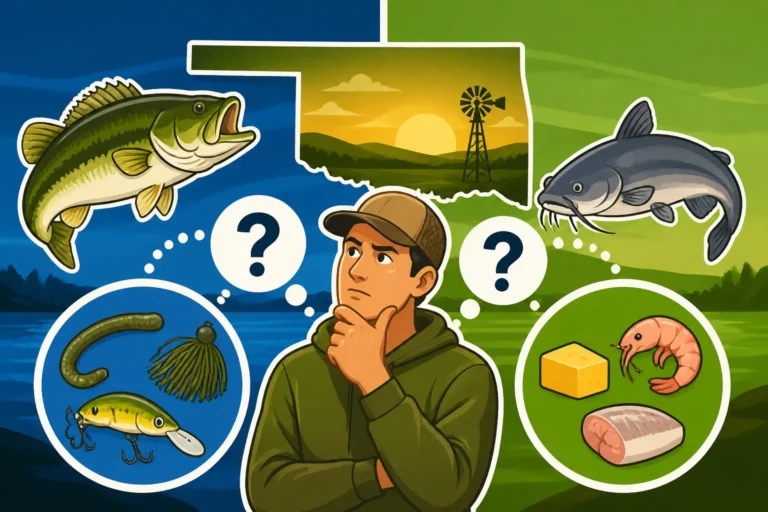
Channel catfish are opportunistic feeders, so a variety of baits can work. However, in moving water, some baits hold up better and distribute their scent more effectively.
- Cut Bait: Shad, sunfish, or even carp cut into chunks are fantastic. The scent trail they release in the current is irresistible. For heavier currents, make sure your cut bait is secured firmly to your hook.
- Prepared Baits (Stink Baits): These are classic for a reason. Their strong odor disperses well in the current, drawing catfish from a distance. Consider using a sponge bait or a treble hook specifically designed to hold stink bait firmly. You can find a huge variety of these options on Amazon.
- Worms: Good old nightcrawlers or large earthworms are always a reliable choice, especially in smaller streams or clearer waters. Thread them onto the hook to prevent them from washing off too easily.
- Chicken Livers: A time-tested favorite. The soft texture releases scent quickly, but it also means they can come off easily in strong current. Use a bait thread or mesh to secure them. For more specific advice, check out Best Bait for Channel Catfish After a Rainstorm.
When it comes to rigging, the most important thing is to keep your bait on the bottom and prevent it from washing downstream too quickly. A slip sinker rig is a go-to for river catfishing. This setup uses a weight that slides freely on your main line above a swivel, with your leader and hook below. This allows the fish to pick up the bait and run without feeling the resistance of the sinker. For heavier currents, you might need a heavier sinker or even a pyramid sinker to help your bait stay put. In areas with a lot of snags, a three-way swivel rig with a lighter dropper line for your sinker can be helpful, as you'll only lose the sinker if it gets snagged.
Reading the Water for Catfish Hotspots
River fishing is all about understanding the flow. Channel catfish prefer to expend minimal energy while waiting for food, so they'll often be found in current breaks or areas where the flow is slightly slower.
- Eddies: These are pockets of still or slow-moving water, often found behind large rocks, log jams, or on the inside bends of a river. Fish hold here, waiting for food to be swept past the current break.
- Seams: The line where fast water meets slow water is a prime feeding lane. Cast your bait so it settles along this seam, where fish can easily dart out into the current to grab a meal.
- Deep Holes: As mentioned earlier, current often carves out deeper sections, especially on the outside bends of a river or below rapids. These are natural congregating spots for catfish.
- Undercut Banks and Overhanging Vegetation: These areas provide excellent shade, cover, and a steady supply of terrestrial insects falling into the water, making them prime spots, especially in smaller streams. Where to Catch Channel Catfish from the Bank often focuses on these easily accessible spots.
Gear Up for River Action
Your gear needs to be robust enough to handle both the fish and the current.
- Rods and Reels: A medium-heavy to heavy action rod, usually 7 to 9 feet long, paired with a sturdy baitcasting or spinning reel, is ideal. You need the backbone to cast heavy weights and to muscle fish out of strong currents or snags. Look for durable graphite or composite rods.
- Line: Opt for strong monofilament or braided line. 15-30 lb test monofilament is a good all-around choice for shock absorption, while braided line (30-65 lb test) offers superior strength and sensitivity, especially important when fishing deep or in heavy cover.
- Hooks: Circle hooks are highly recommended for catfishing. They are designed to hook fish in the corner of the mouth, reducing gut hooking and making release easier if you're practicing catch and release. Sizes from 2/0 to 6/0 are common for channel cats, depending on bait size.
- Sinker Variety: Keep an assortment of sinker types (egg, pyramid, no-roll) and weights (from 1/2 oz to 4 oz or more) to adapt to different current speeds and depths. You can usually find a great selection of these on Amazon to build out your tackle box. For a complete overview, see Best Gear for Catfish Fishing in Oklahoma.
Navigating Regulations and Access Points
Before you even think about casting a line, it's crucial to understand the rules and where you're legally allowed to fish. Respecting regulations and landowners is paramount for ensuring sustainable fishing for everyone.
Understanding Oklahoma's Catfish Regulations
Oklahoma has general statewide regulations for channel catfish, but it's always wise to double-check the latest guide from the Oklahoma Department of Wildlife Conservation (ODWC) for any specific changes or local exceptions. Generally, the statewide daily bag limit for forked-tail catfish (which includes channel cats) is 15 fish. There isn't typically a size limit for channel catfish in most waters, though some specific lakes or management areas might have unique rules. However, it's critical to know that blue catfish, a close cousin, does have specific length restrictions, particularly the one 30-inch blue catfish rule. Make sure you know how to tell the difference! If you're unsure, our guide on Channel Catfish vs Blue Catfish: How to Tell Them Apart can help. For all the specifics, always refer to Oklahoma's Catfish Fishing Rules and Limits.
Public Access and Bank Fishing Opportunities
Oklahoma offers numerous public access points to its rivers and streams. State parks, Wildlife Management Areas (WMAs), and areas managed by the U.S. Army Corps of Engineers often provide excellent bank access or boat ramps. Bridge crossings over rivers can also be popular, but always be mindful of parking regulations and safety when fishing near roadways.
Many smaller towns and rural communities also have local parks or undeveloped areas along rivers that can offer great opportunities. Websites and apps from the ODWC can be invaluable resources for identifying these public access points. For those who prefer to keep their feet on solid ground, bank fishing in rivers offers a fantastic, low-cost way to get out and enjoy the sport.
The Importance of Private Land Respect
Many miles of Oklahoma's rivers and streams flow through private property. It is absolutely essential to know that fishing from the bank of a river that crosses private land without permission is trespassing, even if the riverbed itself is considered public. Always seek permission from landowners before accessing private property. A simple knock on the door, a polite request, and a promise to leave no trace can often open up some incredible, unpressured fishing spots. Being a respectful angler goes a long, long way in maintaining good relationships with landowners and preserving access for future generations.
As you head out, remember that the experience of fishing our beautiful Oklahoma rivers and streams is just as important as the catch itself. Enjoy the scenery, the sounds of nature, and the unique challenge that flowing water brings to your angling adventure. Good luck, and tight lines!
Disclaimer
This article is for general informational purposes only and does not constitute professional advice. Laws, prices and regulations vary by location and change over time. Consult a qualified professional for guidance on your specific situation.