How Big Do Walleye Get in Oklahoma
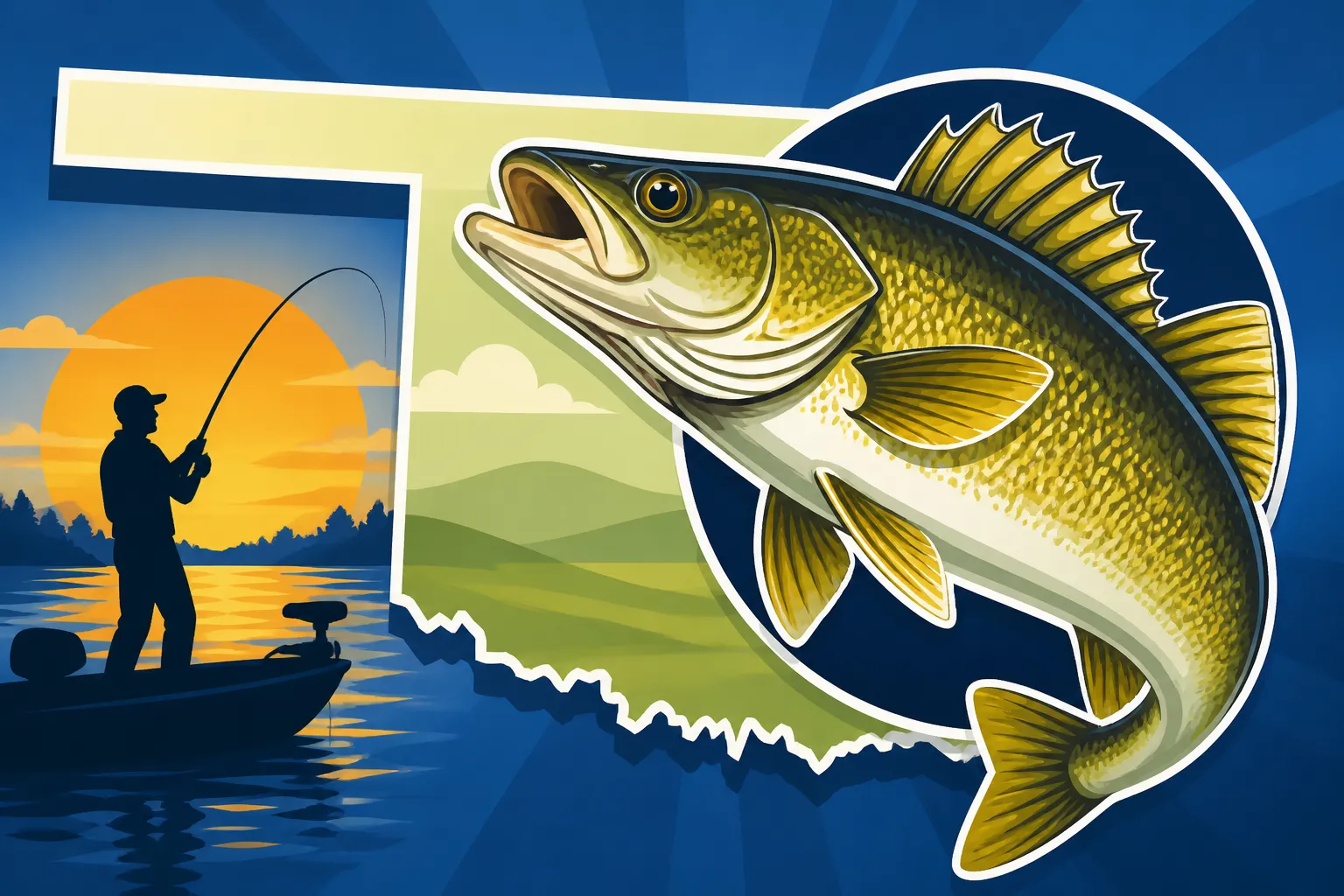
It's an age-old question for many Oklahoma anglers, often whispered around campfires or debated on the water: just how big do walleye truly get in our lakes? You dream of that monster catch, the one that makes your arms ache and your reel scream, but sometimes it feels like walleye in Oklahoma are either elusive or just… average. This guide is here to unravel the mystery, setting realistic expectations while also fueling those dreams of a truly epic walleye.
Understanding the Walleye in Oklahoma Waters
Before we dive into the numbers, it's important to understand the walleye itself. These fish are absolute predators, known for their keen eyesight in low light, which gives them a huge advantage during dawn, dusk, and even night fishing sessions. While they might not get as big as, say, a true trophy blue catfish, a large walleye is still an incredible fight and a fantastic meal. Oklahoma's waters, especially our clear, rocky reservoirs, provide some excellent habitat for them.
What Makes a Walleye Thrive in Oklahoma?
Walleye are native to many parts of North America, and while Oklahoma is on the southern edge of their natural range, our lake systems have been successfully stocked and managed to maintain healthy populations. They absolutely love cooler, clear water, and deep rocky structures where they can ambush baitfish. Think about the big, deep reservoirs like Canton Lake, Lake Tenkiller, or Kaw Lake – these are prime walleye territory. The abundance of gizzard shad and other forage fish in these lakes provides the essential food source they need to grow. Water quality, dissolved oxygen levels, and the presence of suitable spawning habitat all play crucial roles in how well a walleye population thrives and, consequently, how large individual fish can grow. When conditions are just right, with a stable food supply and good cover, walleye can really pack on the pounds.
Identifying a Walleye vs. Its Cousins
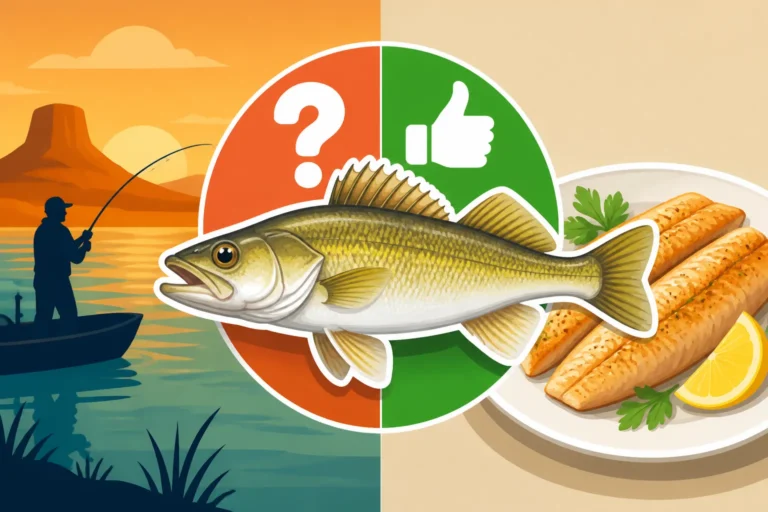
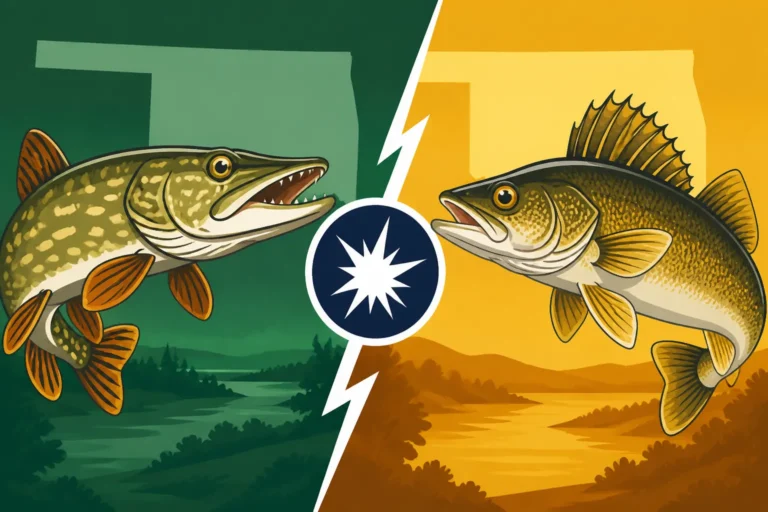
It's easy to confuse a walleye with its close relatives, the sauger and saugeye, especially when they're not fully grown. However, discerning these differences is key, not just for identification but also because sometimes regulations can vary slightly. Walleye typically have a large, opaque eye (hence the name "walleye"), a dark spot on the lower lobe of their tail fin, and five or more distinct dark saddles or bars across their back. They also lack the distinct spots on their dorsal fin that a sauger will usually have.
Sauger, on the other hand, usually have distinct spots on their spiny dorsal fin and tend to be a bit more slender. Saugeye, often a hybrid of the two, can be tricky. They might have faint spots on their dorsal fin, or a less defined tail spot than a pure walleye. Learning these subtle differences, perhaps by comparing photos or even checking out detailed fish identification guides available on Amazon, can really help confirm your catch. It's not just about bragging rights; it's about respecting the species and adhering to any specific regulations. You'd be surprised how often anglers accidentally misidentify them, especially when they're similar in size. For more on this, you can check out Walleye, Sauger and Saugeye: Oklahoma's Cousin Fish.
Average vs. Trophy Walleye Sizes in Oklahoma
Now for the exciting part – how big can they really get? While state records capture the extreme end of the spectrum, it's more helpful for the everyday angler to understand what a "good" walleye looks like and what a "trophy" walleye might entail.
The Typical Oklahoma Walleye
Most Oklahoma anglers who regularly target walleye will tell you that a typical keeper fish ranges anywhere from 16 to 22 inches. These are healthy, robust fish that offer a good fight and make for excellent table fare. A walleye in this size range usually weighs between 2 and 4 pounds, sometimes a bit more depending on its girth and the time of year. For many, catching a limit of these consistent fighters is a fantastic day on the water.
These average-sized walleye are often found in good numbers in well-managed reservoirs like Fort Supply, Lake Hefner, and Oologah Lake. They're often schooling up, making them a fun target once you locate them. While they might not be headline-grabbers, they represent the bread and butter of walleye fishing in the state. Don't underestimate the thrill of landing a solid 20-incher; it's a testament to your angling skill and the health of the fishery.
Chasing the Trophy: What Defines a Big Walleye Here?
When we talk about a "trophy" walleye in Oklahoma, we're generally moving into the 24-inch plus range. A walleye of 24 to 28 inches is a truly exceptional catch, often weighing between 6 to 10 pounds, or even more. These are the fish that require patience, persistence, and often a bit of luck. They tend to be older, wiser, and much more elusive. Catching a walleye over 10 pounds is a significant achievement in Oklahoma and something many dedicated walleye anglers spend years trying to accomplish.
The Oklahoma state record walleye stands at an impressive 12 pounds, 13 ounces. That's a massive fish, pushing the upper limits of what the species can achieve here. While breaking the state record might be a long shot for most of us, knowing it exists proves that our waters have the potential to grow truly gargantuan walleye. These larger fish often inhabit deeper parts of the lake, around significant structure, and are masters at avoiding anglers. Targeting them often means employing different techniques and baits than you might use for their smaller counterparts. For insights into seasonal patterns that might increase your chances, check out Oklahoma Fishing Seasons: A Month-by-Month Guide.
Here's a quick look at the size categories:
| Walleye Size Category | Typical Length (Inches) | Average Weight (Pounds) | Description |
|---|---|---|---|
| Small/Young | < 15 | < 1.5 | Still growing, often released. |
| Keeper/Average | 16 – 22 | 2 – 4 | Common, good eating size, solid fight. |
| Large | 22 – 26 | 4 – 8 | Excellent catch, getting into "trophy" territory. |
| Trophy | 26+ | 8+ | Rare, challenging catch, potential state record contender. |
Factors That Influence Walleye Growth
Why do some walleye grow to behemoth sizes while others seem to stay smaller? It's a complex interplay of environmental conditions, genetics, and food availability. Understanding these factors can help you target areas more likely to hold larger fish.
Food Availability and Diet
This is perhaps the most critical factor. Walleye are opportunistic predators, and their growth directly correlates with the abundance and quality of their food source. In Oklahoma, gizzard shad are a primary forage fish, but walleye will also feast on other baitfish like minnows, small sunfish, and even juvenile game fish. Lakes with a stable and abundant population of these baitfish tend to produce larger walleye.
Think about a lake that experiences consistent baitfish booms – the walleye there have a steady buffet. Conversely, in lakes where forage populations fluctuate due to environmental factors or over-predation, walleye growth can be stunted. They spend more energy hunting for less food, which means less energy for growth. This is why a keen understanding of the local ecosystem, including baitfish patterns, is invaluable for any angler hoping to land a big walleye. Sometimes, researching local fishing reports or talking to bait shop owners can give you clues about the health of the forage base.
Water Quality and Habitat Structure
Clean, well-oxygenated water is essential for walleye health and growth. Pollution, excessive turbidity, or low dissolved oxygen can stress fish, reducing their feeding efficiency and overall growth rate. Additionally, walleye need specific habitats for different life stages: spawning grounds (often rocky shoals or river gravel beds), nursery areas for juveniles, and deeper, structured areas with plenty of cover for adults to hunt and hide.
Lakes with diverse underwater structures – rocky points, submerged timber, humps, ledges, and channels – offer more opportunities for walleye to find optimal feeding and resting areas. These structures break up current, provide ambush points, and often hold baitfish. A lake that has undergone significant changes, such as increased siltation or loss of critical habitat, might see a decline in both the number and size of its walleye population. This is why conservation efforts and responsible land management around our reservoirs are so important for keeping our fisheries healthy and productive.
Genetics and Age
Just like people, some fish are simply genetically predisposed to grow larger and faster than others. While difficult to quantify for individual fish, a population with a strong genetic lineage for size can lead to more trophy potential. This is often enhanced through thoughtful stocking programs by the Oklahoma Department of Wildlife Conservation, which aims to introduce healthy, viable fish into the system.
Age also plays a massive role. A 10-pound walleye isn't just born that way; it's a fish that has survived many seasons, outsmarted countless predators (and anglers), and consistently found enough food to continue growing. Older fish, particularly females, are generally the largest in the population. Protecting these older, larger fish through responsible catch-and-release practices on bigger specimens can help ensure they continue to contribute their strong genetics to future generations of walleye. Remember, it takes years for a walleye to reach trophy size, making each big catch a true testament to its resilience.
Strategies for Catching Larger Walleye in Oklahoma
If you're serious about catching that personal best walleye in Oklahoma, you'll need to adapt your approach. Targeting larger fish often requires different techniques, locations, and even patience than simply catching a limit of smaller ones.
Location, Location, Location: Where Big Walleye Hide
Big walleye are often found in deeper, cooler parts of reservoirs, especially around distinct underwater structures. Look for areas with a combination of depth, cover, and proximity to baitfish schools. Key spots include:
- Deep Ledges and Drop-offs: Walleye love to sit on the edge of these structures, waiting for baitfish to swim by. They'll use their low-light vision to their advantage here.
- Rocky Humps and Reefs: Submerged rock piles or gravel beds are prime ambush points and can also attract baitfish looking for cover.
- Main Lake Points: Points extending into the main lake, especially those with rock or gravel, can be conveyor belts for baitfish, and thus, walleye.
- River Channels and Creek Mouths: Where old river or creek channels wind through a lake, they create highways that walleye use to move and feed. The mouths of creeks can also wash in food, attracting bait.
- Dam Areas: Below dams, where current is present and water is cooler, can be excellent spots, particularly for species like sauger and saugeye, but walleye often congregate there too.
Finding these spots often means relying on good sonar or fish finders, which are fantastic tools for identifying subtle changes in bottom contour and locating schools of baitfish. Many anglers even invest in high-quality maps or GPS units to mark these productive areas. You might even find some excellent, region-specific guides on Amazon that highlight prime walleye structures. For more specific location ideas, check out Best Walleye Fishing Spots in Oklahoma.
Techniques and Baits for Trophy Walleye
Larger walleye can be pickier, so a refined approach is often necessary. Here are some techniques and baits that tend to entice bigger fish:
- Trolling: This is a highly effective method, especially on large reservoirs. Using crankbaits, spinner rigs, or even live bait rigs (like bottom bouncers with worms or minnows) at specific depths can cover a lot of water and put your lure directly in front of a big walleye. Match your lure size and color to the prevalent baitfish in the lake. Deep-diving crankbaits are excellent for hitting those deeper ledges.
- Jigging: Vertical jigging with heavy jigs (1/2 oz or more) tipped with a minnow or soft plastic can be deadly when you've located a school of walleye on structure. The key is to keep your bait close to the bottom and impart a subtle, lifelike action. Blade baits can also be incredibly effective for jigging.
- Live Bait Rigs: For really finicky fish, nothing beats live bait. A larger shiner, chub, or even a leeches (if available) presented on a slip-sinker rig or a slow-trolled bottom bouncer can be irresistible to a big walleye. Fished near structure, these natural presentations often draw strikes when artificials fail.
- Night Fishing: Remember that walleye have excellent night vision. Many trophy walleye are caught after dark, when they move shallower to feed under the cover of darkness. Trolling crankbaits or casting stickbaits around lighted docks or shallow points can be highly productive. For more on this, consider reading Summer Night Fishing Techniques in Oklahoma.
The key is often presentation. Big walleye are cautious. They've seen it all. Subtle movements, matching the hatch with your lure selection, and fishing during peak low-light hours can dramatically increase your odds. Don't be afraid to experiment with different speeds, depths, and colors until you find what triggers a bite.
Protecting Oklahoma's Walleye Population for Future Generations
Catching a trophy walleye is exhilarating, but it's equally important to consider the future of our fisheries. Responsible angling practices ensure that these magnificent fish continue to thrive for years to come.
Practicing Catch and Release for Large Fish
While walleye are known for being excellent eating, consider practicing catch and release, especially for those truly large, older fish. These bigger fish are vital breeders, contributing significantly to the genetic health and overall population stability of the fishery. A 10-pound walleye has likely spawned many times and has proven its ability to survive and grow large. Allowing it to return to the water can help ensure more big walleye for you and others in the future.
If you do decide to release a large walleye, do so with care. Minimize handling time, use proper fish-friendly tools like rubber nets and de-hooking tools, and support the fish horizontally if you need to take a quick photo. Deep-hooked fish, or those caught in very deep water (causing barotrauma), might have a lower survival rate, but even then, careful handling can make a difference. Every fish released responsibly is an investment in the future of Oklahoma fishing. Learn more about general regulations in Fishing Regulations You Need to Know in Oklahoma.
Understanding and Respecting Regulations
The Oklahoma Department of Wildlife Conservation (ODWC) sets specific regulations, including daily bag limits and length limits, for walleye and other species. These regulations are designed to manage fish populations sustainably, ensuring that enough fish are left to reproduce and grow. It's crucial for every angler to know and follow these rules. For example, some lakes might have a minimum length limit, meaning you can't keep walleye smaller than a certain size, or slot limits where only fish within a specific size range can be kept.
Before you head out, always check the current Oklahoma Fishing Guide. Regulations can change, and being informed is your responsibility as an angler. Ignoring these rules not only risks fines and penalties, but it also harms the very resource we all cherish. Supporting conservation efforts and buying your fishing license are also critical ways to contribute to healthy fish populations. Remember, every angler plays a part in maintaining the quality of fishing in Oklahoma.
Conclusion
So, how big do walleye get in Oklahoma? The answer is that while many anglers will consistently catch respectable 16 to 22-inch fish, the potential for a true trophy – a walleye stretching 26 inches or more and weighing 8 to 10 pounds – absolutely exists in our waters. These giants are not everyday catches, but they are out there, waiting for the dedicated angler who understands their habits, knows where to look, and applies the right techniques.
Chasing that monster walleye is part of the thrill of fishing, a blend of skill, patience, and a little bit of luck. But beyond the pursuit of size, remember the joy of being on the water, the challenge of the hunt, and the responsibility we all share in protecting these incredible fish. Whether you're targeting a plate-sized keeper or a state record contender, Oklahoma's walleye fisheries offer a rewarding experience for every angler.
Disclaimer
This article is for general informational purposes only and does not constitute professional advice. Laws, prices and regulations vary by location and change over time. Consult a qualified professional for guidance on your specific situation.