Walleye, Sauger and Saugeye: Oklahoma’s Cousin Fish
You’ve just reeled in a fish in Oklahoma, and it’s long, slender, and has those unmistakable spiny fins – but wait, is it a walleye, a sauger, or one of those hybrid saugeye? This common dilemma frustrates many anglers who are trying to adhere to regulations or simply want to know what they’ve caught. This comprehensive guide will help you understand the distinct characteristics, preferred habitats, and best fishing techniques for each of these fascinating "cousin fish" found in Oklahoma waters, ensuring you can confidently identify and target them.
What Are Walleye, Sauger, and Saugeye?
Oklahoma's waters are home to a trio of fascinating fish that often get mistaken for one another: the walleye, the sauger, and their hybrid offspring, the saugeye. While they share a family resemblance, each has unique traits, behaviors, and preferred environments that make them distinct and exciting targets for anglers. Understanding these differences is the first step to successful fishing and proper identification.
The Walleye: A Prized Oklahoma Catch
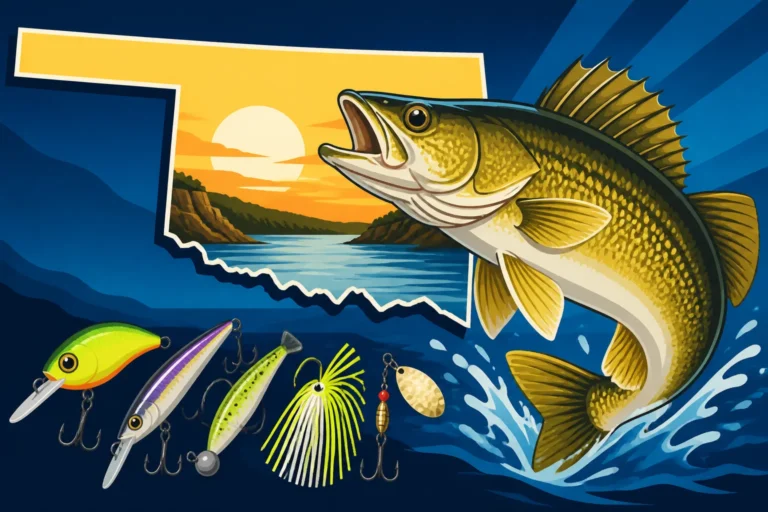
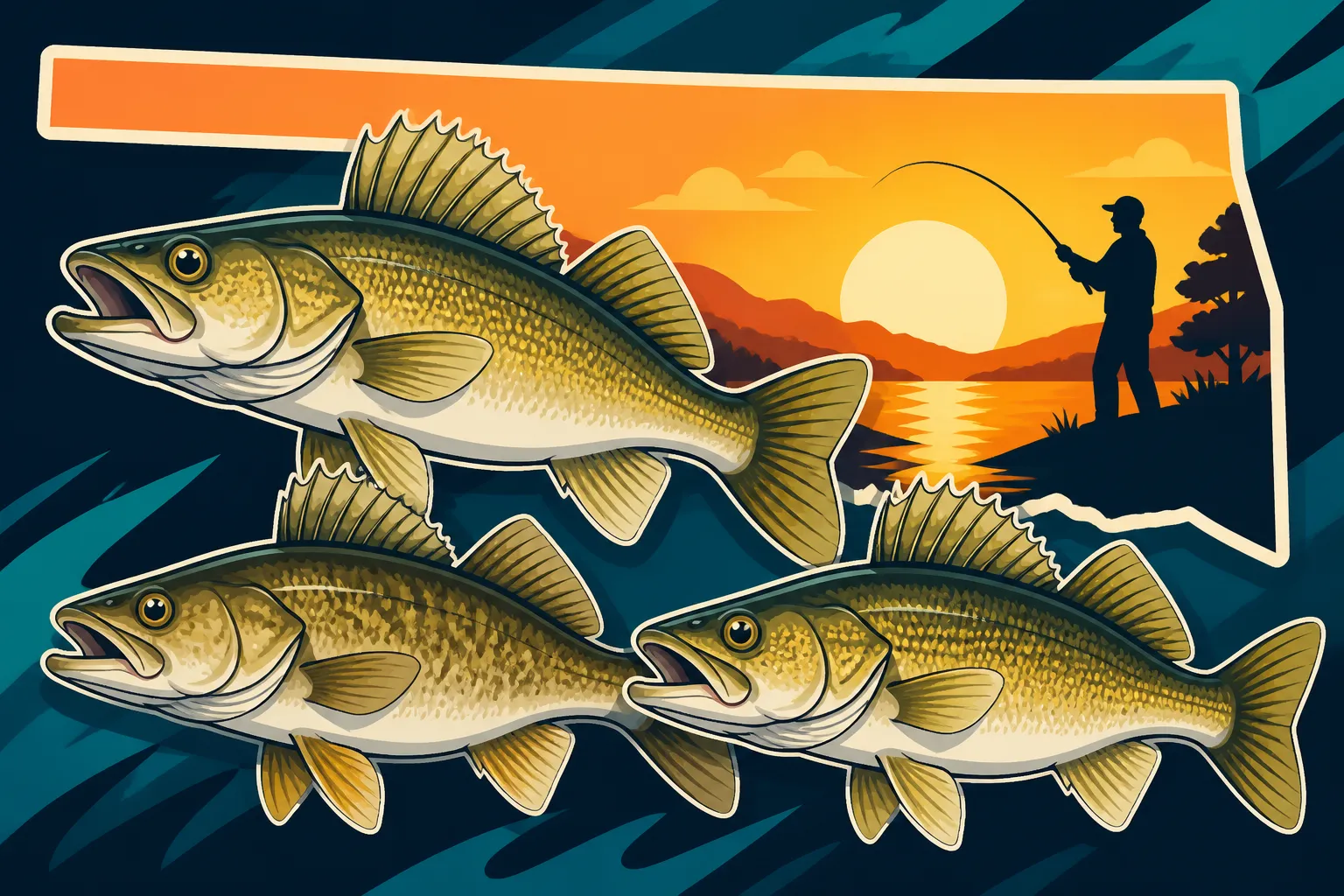
The walleye, Sander vitreus, is arguably the most sought-after of these three, particularly for its delicious, flaky white meat. In Oklahoma, walleye are primarily found in our larger reservoirs, where they thrive in deeper, cooler waters. They're known for their elusive nature and often require anglers to employ specific techniques to coax them into biting. Picture a sleek, olive-colored fish with a distinct white tip on the lower lobe of its tail fin, large, pearlescent eyes that reflect light (giving them their name), and a formidable set of canine teeth. These adaptations allow them to see and hunt effectively in low-light conditions, making dawn, dusk, and even night fishing particularly productive for them. Many Oklahoma anglers dream of catching a trophy walleye, and for good reason – they offer a challenging fight and a rewarding meal.
The Sauger: Smaller, Spottier Cousin
Then we have the sauger, Sander canadensis, often considered the walleye's smaller, more riverine cousin. While not as large or widespread as walleye in Oklahoma, sauger are still a fantastic sportfish, especially in specific river systems, particularly below dams where they find the current and rocky structure they prefer. Their appearance is similar to a walleye, but they generally have a more slender body, and their coloration tends to be more bronze or yellowish-brown, often with distinct dark blotches or saddle patterns along their sides. The most telling feature, however, is on their dorsal fin. Unlike the walleye, the sauger's spiny dorsal fin is almost always covered in obvious, dark spots, without any clear white patch on the lower tail fin. They are scrappy fighters for their size and provide excellent table fare, though they might not reach the sheer size of a large walleye. Many anglers specifically target sauger below tailraces, knowing they're in for a good fight.
The Saugeye: A Hybrid of Two Worlds
The third member of this aquatic family is the saugeye, a fascinating hybrid cross between a female walleye and a male sauger. These fish, Sander vitreus x Sander canadensis, were intentionally stocked in many Oklahoma lakes to combine the best traits of both parent species: the growth potential and popularity of the walleye with the hardiness and adaptability of the sauger, especially in slightly warmer or murkier waters where pure walleye might struggle. Saugeye can often be difficult to distinguish from their parents, as they tend to exhibit a mix of characteristics. They often have the dark blotches of a sauger, but typically with some faint spotting on the dorsal fin, not as pronounced as a sauger, and sometimes a hint of the white tail tip of a walleye, though usually not as bright. They grow faster than sauger and are more tolerant of a wider range of water conditions than walleye, making them a fantastic catch in several Oklahoma reservoirs. They are a real testament to nature's (and human's) ability to create something new and exciting. You can usually find them in lakes that are regularly stocked with them, often offering a more consistent bite than their purebred relatives.
Identifying Oklahoma's "Cousin Fish"
Distinguishing between a walleye, a sauger, and a saugeye can sometimes feel like a game of "spot the difference" that requires a keen eye. While they all belong to the perch family and share a general torpedo-shaped body, subtle yet consistent markers can help you confidently identify your catch. Knowing these differences isn't just for bragging rights; it's often crucial for complying with specific bag and length limits that might vary by species in certain waters. Anglers frequently struggle with this, especially when trying to quickly measure and release a fish. This section will break down the key identification points to help you tell these cousin fish apart. For more specific details on telling them apart, check out Walleye vs Sauger: How to Tell Them Apart and Sauger vs Saugeye: Key Differences for Oklahoma Anglers.
Dorsal Fin Differences: The Spot Test
The spiny dorsal fin is often your best friend when it comes to identifying these fish. This is the fin located on their back, closest to their head, which stands up stiffly.
- Walleye: A true walleye typically has a relatively clear spiny dorsal fin. You might see some faint, dusky mottling, but you won't find distinct rows of dark spots. The most definitive characteristic for a walleye is actually on its tail fin: a prominent, milky white tip on the lower lobe of its caudal (tail) fin. This white patch is usually very noticeable and serves as a reliable indicator. Think of it as a white flag.
- Sauger: The sauger is almost universally recognized by the distinct, dark spots arranged in clear rows or bands across its entire spiny dorsal fin. This spotting is usually quite pronounced and covers the membrane between the spines. Additionally, sauger do not have the white tip on the lower lobe of their tail fin that walleye do. Their tail fin will be more uniformly dusky or mottled. So, if you see clear spots on the dorsal fin and no white tail tip, you've likely got a sauger.
- Saugeye: As hybrids, saugeye often display a mix of these traits, which can make them the trickiest to identify. They will usually have some degree of spotting or streaking on their spiny dorsal fin, but it's typically less distinct and often more irregular than the well-defined rows you see on a sauger. It might look more like diffuse blotches or wavy lines rather than crisp spots. Crucially, they may or may not have a faint white tip on the lower tail fin. If present, it's usually not as bright or extensive as a pure walleye's. If you see spotting that isn't quite clear, and maybe a hint of a white tail, it's a strong contender for a saugeye. This intermediate characteristic is what often causes the most confusion for anglers.
Body Shape and Coloration Clues
Beyond the fins, there are other subtle clues in their overall appearance that can help differentiate these species.
- Walleye: Walleye tend to have a more uniform, often olive-green or golden-brown body color, fading to white on their belly. They typically have dark vertical bars or blotches along their sides, but these are often quite faint and can vary depending on the water clarity and habitat. Their body shape is generally robust and deep-bodied, especially as they grow larger. Their eyes are large and have a characteristic pearlescent, "glassy" look due to a reflective layer (tapetum lucidum) that enhances their vision in low light.
- Sauger: Sauger generally have a more slender and cylindrical body compared to the walleye. Their coloration often leans more towards a brassy or yellowish-brown, and the dark blotches or saddle patterns on their sides are usually more distinct and pronounced, resembling tiger stripes. These markings are a reliable feature. Their eyes are also large, but often don't have the same intense pearlescent sheen as a walleye. They're built for life in flowing water, so their streamlined shape makes sense.
- Saugeye: Saugeye often present a combination of coloration and body shape. They might have the more pronounced dark blotches of a sauger, but with the slightly deeper body of a walleye. Their overall color can range widely from a muddy brown to a lighter golden hue. The key here is often the lack of definitive characteristics of either parent. If it's not clearly a walleye (no strong white tail tip, no clear dorsal fin) and not clearly a sauger (dorsal spots aren't super crisp, maybe a faint tail tip), it’s highly likely a saugeye.
Mouth and Teeth Peculiarities
A closer look at the mouth can also offer some distinguishing features, though these are often secondary to the fin and body markings.
- Walleye: Walleye have a moderately large mouth, extending back to about the middle of the eye. They possess prominent canine teeth, which are sharp and can easily puncture skin, so handle with care! These teeth are crucial for grasping their slippery prey.
- Sauger: The mouth of a sauger is generally smaller than that of a walleye, often not extending much beyond the front of the eye. While they also have canine teeth, they are usually less developed and smaller than those found on a walleye. This might reflect their preference for slightly smaller prey items or different hunting strategies in riverine environments.
- Saugeye: Saugeye typically exhibit an intermediate mouth size and tooth development, falling somewhere between their two parent species. Their canine teeth are generally more pronounced than a sauger's but might not be as robust as a full-grown walleye's. Again, it’s about looking for those mixed traits. The combination of mouth size and tooth prominence can be another piece of the puzzle, especially when other features are ambiguous. Always be careful when handling any of these fish, as their teeth are sharp regardless of species.
To quickly summarize, here's a handy table to help you identify these fish on the water:
| Feature | Walleye | Sauger | Saugeye (Hybrid) |
|---|---|---|---|
| Spiny Dorsal Fin | Clear or very faint mottling; no distinct spots | Distinct, dark spots in rows across the fin | Irregular, diffuse spots/blotches; less distinct than sauger |
| Tail Fin | Prominent, milky white tip on lower lobe | No white tip; uniformly dusky/mottled | Faint or absent white tip; not as bright as walleye |
| Body Shape | Robust, deeper body | More slender, cylindrical body | Intermediate; can vary, often deeper than sauger |
| Coloration | Olive-green/golden-brown; faint bars/blotches | Brassy/yellowish-brown; distinct dark saddle blotches | Mixed; can have sauger-like blotches but variable |
| Mouth/Teeth | Larger mouth, prominent canine teeth | Smaller mouth, less prominent canine teeth | Intermediate mouth and teeth development |
| Eyes | Very pearlescent, "glassy" | Less intense pearlescent sheen | Intermediate, variable |
Where to Find Walleye, Sauger, and Saugeye in Oklahoma
Knowing what you're looking for is only half the battle; knowing where to look is just as important. Each of these "cousin fish" has its preferred habitats, dictated by factors like water temperature, clarity, oxygen levels, and available forage. Oklahoma offers a diverse range of aquatic environments, from vast reservoirs to meandering rivers, providing perfect homes for each of these species. Understanding their preferred domains will drastically improve your chances of success. For a general overview of where to find these fish, consider checking Where to Catch Walleye in Oklahoma.
Walleye Hotspots: Reservoirs and Deep Water
Walleye are lovers of large, deep, clear to moderately stained reservoirs. They prefer cooler water temperatures and tend to school up around submerged structures, deep points, humps, ledges, and rocky reefs. In Oklahoma, some of the premier walleye fisheries are found in the northeastern and north-central parts of the state.
- Canton Lake: Located in northwest Oklahoma, Canton Lake is perhaps the state's most famous walleye fishery. It's known for its consistent walleye population and is a popular spot for spring spawning runs. The lake is generally clear, with plenty of deep channels and sandy flats that walleye frequent. Anglers here often target them near the dam or around the numerous submerged humps and old creek beds.
- Kaw Lake: This large reservoir near Ponca City is another excellent walleye destination. Kaw Lake offers extensive deep-water areas, timber, and rocky points, providing ideal habitat. Walleye here can often be found relating to the main river channel and structure along its edges.
- Fort Supply Lake: Another western Oklahoma gem, Fort Supply is smaller than Canton but can still produce good walleye. Like Canton, it's a relatively clear lake and offers good deep-water access.
- Lake Hefner (near Oklahoma City): Though not as renowned as the northern lakes, Hefner offers surprising walleye opportunities, especially for urban anglers. It's shallower but often holds decent numbers.
- Lake Tenkiller: While known for its clear water and diverse fishery, Tenkiller also supports a walleye population, particularly in its deeper, cooler sections. These spots are fantastic for Best Lures for Walleye at Oklahoma Reservoirs.
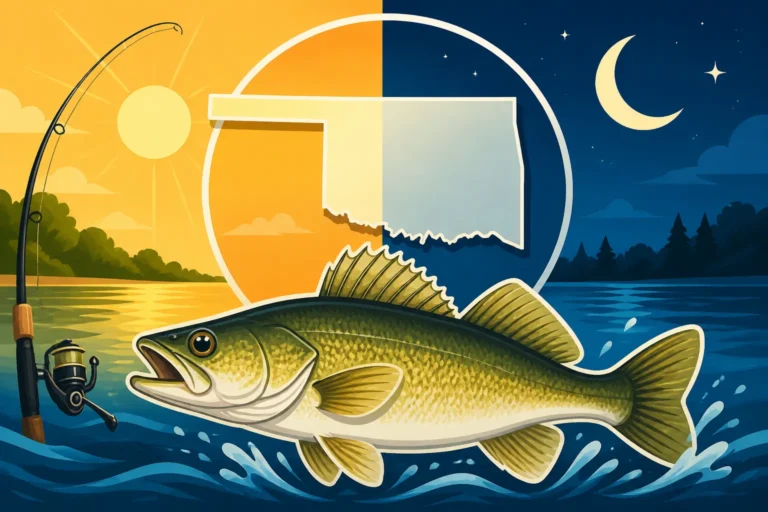
Walleye are often nocturnal or crepuscular (active during twilight hours), so targeting them early morning, late evening, or even at night can be highly productive, especially during warmer months when they retreat to deeper, cooler water during the day.
Sauger Sanctuaries: Rivers Below Dams
Sauger, on the other hand, are much more at home in flowing water, specifically below large dam structures on major rivers. They seek out areas with current, rocky bottoms, and turbulent water, where they can ambush smaller baitfish. The aeration and constant flow below dams create an oxygen-rich environment that sauger love.
- Arkansas River below Keystone Dam: This area is a prime sauger hotspot. The discharge from Keystone Lake creates significant current, attracting baitfish and, consequently, sauger. Anglers frequently fish from the banks or small boats directly below the dam.
- Grand River below Grand Lake (Pensacola Dam): Similarly, the Grand River offers excellent sauger fishing, particularly during periods of generation. The turbulent water and rocky bottom are ideal sauger habitat.
- Illinois River: While more known for trout in some sections, the lower reaches of the Illinois River can hold sauger, especially during cooler months when they move into the river from larger impoundments.
Fishing for sauger often means contending with strong currents and tricky bottom structures. They tend to concentrate in specific "holes" or current breaks, making them a more predictable target once you find their preferred spots. Many experienced anglers will tell you that the best time to find sauger is often Best Time of Year to Catch Sauger Below Dams.
Saugeye's Favorite Haunts: Stocked Lakes
Saugeye are a bit of a wildcard, as their presence is almost entirely dependent on stocking efforts by the state wildlife department. They are specifically introduced into certain lakes to create a robust and often faster-growing fishery than pure walleye might achieve. They tend to tolerate a wider range of water temperatures and turbidities than walleye, making them suitable for many Oklahoma reservoirs that might be marginal for pure walleye.
- Lake Thunderbird (Norman): This is one of Oklahoma's premier saugeye lakes, offering consistent action. Thunderbird's stained water and diverse structure make it an excellent home for saugeye.
- Lake Carl Blackwell (Stillwater): Another fantastic saugeye fishery, popular with central Oklahoma anglers. Blackwell is regularly stocked and provides good bank access.
- Lake Stanley Draper (Oklahoma City): A popular urban fishery that consistently produces saugeye. Its somewhat turbid waters are well-suited for this hybrid.
- Lake Altus-Lugert (Southwest Oklahoma): Offers some good saugeye fishing, particularly in cooler months.
- Lake Wister and Sardis Lake (Southeast Oklahoma): These lakes also receive saugeye stockings and can provide good opportunities, especially if you're looking for a change of pace from bass or crappie.
Saugeye can be found throughout the water column depending on the season and time of day, but they often relate to points, humps, and submerged timber. Since they are stocked to be hardy, they can provide good fishing even when conditions aren't perfect for other species. If you're wondering What Does a Saugeye Look Like, remember they often show a mix of walleye and sauger traits.
Best Techniques for Catching Each Species
Just as walleye, sauger, and saugeye prefer different habitats, they also respond best to distinct fishing techniques. While there's certainly overlap, fine-tuning your approach to each species will significantly increase your success rate. From specific lure choices to retrieve speeds and depths, understanding these nuances is key to filling your cooler or landing that trophy.
Walleye Tactics: Jigging and Trolling
Walleye fishing in Oklahoma typically revolves around two main strategies: jigging and trolling, often paired with live bait or artificials that mimic their preferred forage.
- Jigging: This is a highly effective technique, especially when walleye are concentrated around specific structures like humps, ledges, or deep points. You'll want a sensitive medium-light to medium-action spinning rod (around 6'6" to 7') with 6-10 lb fluorocarbon or braided line with a fluorocarbon leader. Popular jigs include bucktail jigs, hair jigs, and soft plastic paddle tail or grub jigs ranging from 1/8 to 1/2 ounce, depending on depth and wind. Tip your jig with a live minnow or a piece of nightcrawler for added scent and appeal. The key is to present the jig vertically or with short, sharp hops near the bottom, letting it fall back on a semi-slack line. Many anglers use their fish finders to locate schools of walleye or baitfish, then position their boat directly over them. This approach works well in lakes like Canton or Kaw, particularly during cooler water periods when fish are sluggish.
- Trolling: When walleye are scattered over large flats or along deep breaks, trolling is often the most efficient way to cover water and find active fish. Long, slender crankbaits that dive to different depths are popular, matching the size and color of local baitfish. Think shad or perch patterns. Use a sturdy trolling rod with a baitcasting reel spooled with 10-15 lb monofilament or braid. You can troll with planer boards to spread out your lines, or simply run baits directly behind the boat at speeds typically ranging from 1 to 2.5 miles per hour. Lead core line can also be effective for reaching specific depths without heavy weights. This method allows you to present baits precisely in the thermocline or along structure for extended periods. When fishing large bodies of water like Lake Texoma (for other species, but the principle applies) or Kaw Lake, trolling is often the ticket to success.
Remember, walleye are often light biters, so paying close attention to your rod tip is crucial. A "thump" or a slight increase in pressure can be the only indication of a strike.
Sauger Strategies: Bottom Bouncing in Current
Sauger fishing is generally more focused on river environments and the specific challenges presented by current. Bottom bouncing and vertical jigging are the dominant techniques here.
- Bottom Bouncing: This technique is tailor-made for sauger in rivers. You'll use a specific bottom bouncer rig, which consists of a lead weight (often L-shaped) designed to drag along the bottom without snagging too much, connected to a short leader with a hook. Tip the hook with a live minnow, a nightcrawler, or even a small soft plastic bait like a grub. Use a medium-action spinning or baitcasting rod (7-8 feet) with 10-15 lb mono or braid. The idea is to drift or slowly motor upstream or downstream, keeping your bottom bouncer in constant contact with the riverbed. The weight bounces, lifting and dropping your bait, mimicking natural forage. This is incredibly effective below dams, where sauger are concentrated in current breaks and holes.
- Vertical Jigging in Current: Similar to walleye, vertical jigging can be highly effective for sauger, especially when they are schooled tight in deep holes or along distinct current seams. However, you'll often need heavier jigs (1/4 to 3/4 ounce or more) to combat the current and maintain bottom contact. Blade baits, spoons, and heavy jigging Rapalas are excellent choices, mimicking injured baitfish being swept downstream. Use a sensitive rod to detect subtle bites in the turbulent water. Positioning your boat upstream and slowly drifting back, or using a trolling motor to hold your position, allows for precise presentations. Best Time of Year to Catch Sauger Below Dams is often when this technique shines.
Sauger bites can also be subtle, so maintaining a tight line and feeling for any unnatural resistance is key. Strong current makes strikes harder to detect, so a high-modulus graphite rod will be your best friend.
Saugeye Approaches: Adapting to Conditions
Saugeye, being a hybrid, often respond to a broader range of techniques, blending strategies used for both walleye and sauger. Their adaptability makes them a fun target.
- Casting and Retrieving Jigs and Crankbaits: Saugeye are often more aggressive than walleye, especially in the stained water they often inhabit. Casting soft plastic paddle tails, curly-tail grubs, or lipless crankbaits around points, humps, and submerged timber can be very effective. Use a medium-action spinning rod with 8-12 lb line. Vary your retrieve speed and depth until you find what triggers bites. On a lake like Thunderbird, you might find them shallower than walleye during certain times of the day.
- Slip-Bobber Fishing with Live Bait: When saugeye are suspended or relating to subtle cover, a slip-bobber rig with a live minnow or a nightcrawler can be deadly. This allows you to present your bait at a precise depth, keeping it in the strike zone longer. Use a small hook (size 4 or 6) and enough split shot to balance the bobber. This is a great technique for bank anglers or those wanting a more relaxed approach. You can get excellent slip-bobber setups from retailers like Amazon.
- Trolling and Drifting: Like walleye, trolling crankbaits can be productive for covering water in saugeye lakes. They also respond well to drifting live bait (minnows or crawlers) or artificial lures behind a boat, especially over flats or along channel edges. The key is to match the hatch and present baits near the bottom or at the depth where you're seeing baitfish on your sonar.
- Ice Fishing (Where applicable): In colder Oklahoma winters, if the ice is safe, saugeye are excellent targets through the ice. Jigging small spoons, blade baits, or minnow-imitating lures, often tipped with a minnow head, can lead to fast action.
The versatility of saugeye means you can often experiment with different presentations until you dial in what they prefer on any given day. If you're wondering Is Saugeye Good to Eat?, many anglers believe they offer some of the best table fare.
Seasonal Patterns and When to Fish
Understanding the seasonal movements and behaviors of walleye, sauger, and saugeye is crucial for consistent success in Oklahoma. Fish don't just bite randomly; their activity is heavily influenced by water temperature, spawning cycles, and feeding patterns. Knowing when and where they'll be most active through the year will give you a significant advantage. Remember that factors like cold fronts can How Cold Fronts Change Fishing Patterns on Oklahoma Lakes, so always be ready to adapt.
Spring Spawning Runs: Prime Time
Spring is arguably the most anticipated time of year for anglers targeting these species, especially walleye and sauger, as they embark on their annual spawning migrations.
- Walleye: Walleye typically spawn in early spring when water temperatures reach the 40s to low 50s Fahrenheit (around 4-12°C). They prefer to spawn over rocky reefs, gravel beds, or rip-rap shorelines in shallow water, often near current or wave action. In lakes like Canton and Kaw, the shallow rocky areas and wind-swept banks become prime locations. The pre-spawn period, when females are staging and gorging themselves on baitfish, can offer some of the best fishing of the year. After spawning, they'll gradually move to deeper structures to recover and feed. Early morning and late evening bites are particularly strong during this time.
- Sauger: Sauger also spawn in early spring, often slightly earlier than walleye, in similar temperature ranges. Their spawning grounds are almost exclusively in rivers and tributaries, favoring gravel and rocky bottoms with good current. Below dams on the Arkansas or Grand River, sauger will stack up during this period, making them highly accessible for bank anglers. The post-spawn period can also be excellent as they aggressively feed to regain energy. Fishing with jigs and bottom bouncers in these river systems is exceptionally effective.
- Saugeye: While saugeye are sterile and cannot naturally reproduce, their behavior is still influenced by the instincts of their parent species. In spring, they will often mimic the spawning runs of walleye, moving shallower to rocky areas and points in reservoirs, even though they aren't actually reproducing. This makes them highly catchable as they congregate and feed aggressively in these areas. Look for them in similar locations to walleye in stocked lakes like Thunderbird or Carl Blackwell. The spring is arguably the Best Time to Catch Walleye in Oklahoma, and by extension, saugeye.
Summer Deep Water and Night Fishing
As Oklahoma's summers heat up, these fish adapt by seeking cooler, more comfortable water, often leading to changes in fishing tactics.
- Walleye: In summer, walleye retreat to the deeper, cooler sections of reservoirs, often holding near the thermocline (the layer where water temperature changes rapidly). They'll relate to deep humps, submerged islands, channel bends, and main lake points. During the day, they can be found in 20-40 feet of water or deeper. Their low-light vision gives them an advantage at night, making night fishing a hugely popular and effective strategy for summer walleye. Trolling deep-diving crankbaits or jigging spoons around underwater lights at night can be incredibly productive as they move up to feed on baitfish.
- Sauger: Summer sauger in rivers will typically seek out deeper, cooler holes and current breaks. They'll often be less active during the heat of the day but can still be caught by bottom bouncing or vertical jigging in these deeper sanctuaries. Look for them in the scour holes directly below dams or in the deepest sections of river channels where they can find relief from the sun and heat.
- Saugeye: Like walleye, summer saugeye will also move to deeper water in lakes, often congregating around main lake points, roadbeds, and submerged timber. They are also excellent targets for night fishing, especially on lakes where they are heavily stocked. Trolling crankbaits at various depths or casting soft plastics near lights are common and effective tactics. During hot summer days, fishing around dawn and dusk, or completely switching to night fishing, will yield the best results for all three species.
Fall Feeding Frenzies and Winter Patterns
Fall brings a welcome cool-down and a renewed surge of feeding activity, while winter can offer unique opportunities.
- Walleye: Fall is another fantastic time to target walleye. As water temperatures drop, they become highly active, aggressively feeding to build up fat reserves for winter. They'll often move shallower than in summer, frequenting points, humps, and flats where baitfish are abundant. Trolling crankbaits, casting jigs, or using live bait rigs can all be highly effective. The fall bite can be more consistent throughout the day than in summer.
- Sauger: Fall sauger fishing in rivers can be excellent as they become very active feeders. They will often school up in predictable current breaks and deeper runs. Bottom bouncing with minnows or soft plastics, and casting blade baits or heavy jigs, can be very productive. As winter approaches, they'll hold in the deepest, slowest parts of the river.
- Saugeye: Fall saugeye fishing is also outstanding. They will similarly follow baitfish into shallower areas of reservoirs as water cools, often providing incredible action. Look for them on points, flats, and around submerged brush. Crankbaits, jigs, and live bait are all good options.
- Winter: Winter fishing for these species can be challenging but rewarding. Open water walleye, sauger, and saugeye will often hold in deep, stable areas – deep main lake channels, holes in rivers, or near the base of drop-offs. Slow, subtle presentations like vertical jigging with small spoons or blade baits, or slow-trolling deep crankbaits, are often best. If lakes freeze over safely, ice fishing can be excellent, with small jigs and spoons tipped with minnow heads being the go-to baits. Regardless of the species, winter fishing demands patience and precise presentations.
Oklahoma Regulations for Walleye, Sauger, and Saugeye
Navigating fishing regulations in Oklahoma can sometimes feel like trying to solve a puzzle, especially when dealing with similar-looking species like walleye, sauger, and saugeye. The Oklahoma Department of Wildlife Conservation (ODWC) sets specific limits to manage populations and ensure sustainable fishing for future generations. It's not just about what you catch, but how many and how big. Ignorance of the law is never an excuse, so understanding these rules is paramount for any responsible angler. Keep in mind that Oklahoma's Bag Limit Rules by Species can vary greatly.
Understanding Combined Limits
One of the most crucial aspects of fishing for these three species in Oklahoma is the combined daily bag limit. The ODWC often groups walleye, sauger, and saugeye together under a single "walleye/sauger/saugeye" limit. This means that if the statewide daily bag limit is 6 fish, for example, you can catch any combination of walleye, sauger, or saugeye, but your total cannot exceed 6 for that day. This combined limit helps simplify enforcement and accounts for the difficulty many anglers face in distinguishing between them on the fly.
- Example Scenario: If you catch 3 walleye, 2 sauger, and 1 saugeye in a single day, you have reached your combined limit of 6 fish. You cannot keep any more of these three species that day, even if you could tell them all apart perfectly.
- Why it Matters: This combined limit means that even if you're primarily targeting one species, you need to be aware of the other two that might bite and contribute to your overall count. It emphasizes the need for careful identification before you decide to keep a fish, especially if you're approaching your limit.
While the statewide daily bag limit for these species is fairly consistent, always double-check the most current regulations directly from the ODWC website or a fishing guide. Regulations are subject to change, and specific water bodies might have their own unique rules that override statewide limits.
Specific Lake Regulations
Beyond the general statewide limits, many specific lakes and river sections in Oklahoma have their own unique length and bag limits for walleye, sauger, and saugeye. These "special regulations" are put in place by biologists to manage specific fisheries, protect spawning populations, or enhance trophy potential. Ignoring these local rules can lead to hefty fines and loss of fishing privileges.
-
Common Special Regulations:
- Minimum Length Limits: For instance, a lake might have a 14-inch minimum length limit for walleye. This means any walleye you catch shorter than 14 inches must be immediately released, regardless of the overall bag limit. This allows younger fish to grow to maturity and reproduce.
- Protected Slot Limits: Some lakes might employ a "slot limit," where fish within a certain size range (e.g., 18-25 inches) must be released, but fish both smaller and larger than the slot can be kept (with specific rules for each category). This is often used to protect mature breeding fish while allowing harvest of smaller and potential trophy-sized fish.
- Reduced Bag Limits: A particular lake known for its excellent walleye fishing might have a daily bag limit of only 3 or 4 fish, rather than the statewide 6, to prevent overharvest.
-
Where to Check: Before heading out to any specific body of water, it is absolutely essential to consult the current Oklahoma Fishing Regulations Guide. This guide, available online and at most license vendors (like sporting goods stores or even some general retailers), lists all statewide and special regulations by lake. For example, Lake Tenkiller, known for its clear waters, might have different length restrictions for walleye than a lake with stained water and a strong saugeye population.
A good practice is to download or print the relevant section of the regulations for the specific lake you're fishing. Having a physical copy or a digital version readily accessible on your phone will save you a lot of headache and potentially a fine.
Importance of Identification for Legal Compliance
As you can see, precise identification of walleye, sauger, and saugeye is not just for curious anglers – it's a legal requirement. If a lake has a 16-inch minimum length limit for walleye but no limit for sauger, and you mistakenly keep a 14-inch walleye thinking it's a sauger, you've violated the law.
- The "Can't Tell the Difference" Defense: This defense doesn't fly with game wardens. It's the angler's responsibility to correctly identify their catch before retaining it. This is where understanding the dorsal fin spots, tail fin color, and body shape (as outlined in the identification section) becomes critically important.
- Tools for Identification: Beyond visually inspecting the fish, consider carrying a small, clear ruler or measuring tape. If you're unsure about the species, take a quick photo for later comparison with a reliable guide, but only after releasing the fish if it's borderline or below a minimum length limit. If there's any doubt about whether a fish meets a specific length or species regulation, the safest course of action is always to release it unharmed.
Remember, fishing licenses are essential for all anglers over a certain age. Make sure you have your Fishing License Requirements in Oklahoma in order before you even cast a line.
Cooking and Eating Oklahoma's Cousin Fish
After all that hard work of identification and successful angling, the real reward for many is the delicious meal that follows. Walleye, sauger, and saugeye are highly prized table fare, known for their delicate, flaky white meat and mild flavor. They are incredibly versatile in the kitchen, lending themselves well to a variety of cooking methods. If you've never tried them, you're in for a treat! You might have heard anglers debating Is Saugeye Good to Eat?, and the answer is a resounding yes!
The Delicate Flavor of Walleye and Saugeye
Both walleye and saugeye are celebrated for their exceptionally clean, mild, and delicate white flesh. They have very few small bones, making them easy to fillet and a pleasure to eat. Many chefs and home cooks rank them among the top freshwater species for eating quality.
- Taste Profile: Their flavor is often described as subtly sweet, with very little "fishy" taste, which makes them appealing even to those who aren't usually fond of seafood. The meat is firm yet flaky when cooked, with a fine texture.
- Best Cooking Methods:
- Pan-Frying: This is perhaps the most popular way to prepare walleye and saugeye fillets. A simple dredge in seasoned flour, cornmeal, or a mix of both, then pan-fried in butter or a neutral oil until golden brown and flaky, is a classic for a reason. The delicate flavor shines through.
- Baking/Broiling: For a healthier option, baking or broiling fillets with a squeeze of lemon, a pat of butter, and a sprinkle of herbs (dill, parsley, or chives work beautifully) is fantastic. They cook quickly, usually in 10-15 minutes, depending on thickness.
- Grilling: Thicker fillets can be grilled, especially if placed in a grill basket or on foil to prevent them from flaking apart. Marinate briefly in olive oil, lemon, and garlic for a delightful char and flavor.
- Deep Frying: For a crispy, golden treat, deep-fried walleye or saugeye in a light beer batter is hard to beat. Just make sure your oil is at the right temperature (around 350-375°F) for a quick cook and minimal grease absorption.
The key to preserving their delicate flavor is not to overcook them. They are done when the flesh turns opaque and flakes easily with a fork.
Preparing Sauger for the Table
Sauger, while smaller than their walleye and saugeye cousins, offer equally delicious meat. Because they tend to be more slender, their fillets might be thinner, but the quality is still excellent.
- Taste Profile: Sauger meat also boasts a mild, sweet flavor and a flaky texture, very similar to walleye. Some might argue it's even a little sweeter, possibly due to their riverine diet.
- Cooking Considerations: Due to their typically smaller size and thinner fillets, sauger cook even more quickly than walleye or saugeye.
- Pan-Frying: Just like walleye, pan-frying is a fantastic choice for sauger fillets. A light breading will give them a nice crispy exterior.
- Frying Small Pieces: If you have very small sauger fillets, consider cutting them into "fingers" or smaller chunks for quick frying, similar to fish and chips. This also makes them a hit with kids!
- Soups and Stews: The delicate flavor of sauger makes them an excellent addition to fish stews or chowders, where their meat can gently cook and absorb the flavors of the broth and vegetables.
Always handle sauger fillets gently, as they can be more delicate due to their thinness. The quality of the meat means simple preparations often yield the best results.
Tips for Filleting and Cooking
Proper preparation starts with a good fillet, which makes all the difference in the eating experience.
- Sharp Fillet Knife: Invest in a good, sharp fillet knife. A dull knife makes the job harder and more dangerous. You can find excellent options on Amazon.
- Cool the Fish: It's often easier to fillet a fish that has been properly chilled on ice. The flesh will be firmer and less slippery.
- Standard Filleting Technique: Start by making a cut behind the pectoral fin, down to the backbone. Then, turn your knife parallel to the backbone and slice along it, working from head to tail, removing the fillet. Flip the fillet over and carefully remove the skin. Most walleye, sauger, and saugeye fillets are boneless, though you might find a few "pin bones" that can be removed with pliers.
- Rinse and Pat Dry: After filleting, give the fillets a quick rinse under cold water to remove any scales or blood, then pat them thoroughly dry with paper towels. Excess moisture can lead to steaming instead of frying, affecting crispiness.
- Season Simply: With fish this good, often less is more. Salt, black pepper, and maybe a dash of paprika or garlic powder are all you need. You can always add a squeeze of fresh lemon juice after cooking.
- Don't Overcrowd the Pan: When pan-frying, cook in batches if necessary to avoid overcrowding. This ensures the oil temperature stays consistent, leading to a crisper, more evenly cooked fillet.
Enjoying these prized "cousin fish" from Oklahoma's waters is truly one of the greatest pleasures of fishing. With proper identification, adherence to regulations, and a little culinary care, you'll be savoring these delicious catches for years to come.
Disclaimer
This article is for general informational purposes only and does not constitute professional advice. Laws, prices and regulations vary by location and change over time. Consult a qualified professional for guidance on your specific situation.