What Does a Saugeye Look Like
There's nothing quite as frustrating as reeling in a fish and staring at it, scratching your head, wondering "What in the world did I just catch?" Oklahoma waters are full of amazing game fish, and sometimes, telling them apart can feel like trying to solve a riddle, especially when you encounter hybrids. If you've ever pulled a fish out of the water that looks a bit like a walleye but also a little bit like a sauger, chances are you've met a saugeye. This guide is here to unravel the mystery, providing you with a clear, detailed look at what a saugeye looks like, so you can confidently identify your catch and understand the unique characteristics of this popular hybrid.
Understanding the Saugeye: A Hybrid's Story
The saugeye is a fascinating fish because it isn't a naturally occurring species. Instead, it's a "designer" fish, specifically bred by fisheries biologists to combine the best traits of its two parent species: the walleye and the sauger. This intentional cross-breeding is done for several reasons, primarily to create a fish that thrives in certain environments, grows quickly, and offers excellent angling opportunities. It's truly a testament to how fisheries management can enhance our fishing experiences.
The Walleye-Sauger Connection
To truly appreciate the saugeye, we need to first understand its origins. The walleye (Sander vitreus) is a highly prized game fish known for its large size, delicious white flesh, and preference for cooler, clearer waters. They're often found in big lakes and reservoirs, cruising open water. Their cousins, the sauger (Sander canadensis), are typically smaller, prefer slightly murkier, riverine environments, and have distinct spotted fins. Both belong to the perch family, explaining their similar body shapes and characteristics. When you combine the robust growth rate and size potential of a walleye with the hardiness and adaptability of a sauger, you get the saugeye. This hybrid often tolerates a wider range of water conditions than a pure walleye, making it a valuable addition to many Oklahoma fisheries.
Why Hybrids Exist
Fisheries managers don't just create hybrid fish for fun; there are very practical reasons. In Oklahoma, saugeye were introduced to provide a robust game fish that could withstand the varying conditions of our lakes and rivers. Walleye can be sensitive to warmer, turbid waters, while sauger, though hardier, don't always reach trophy sizes. The saugeye inherits a mix of these traits, often growing faster than a sauger and tolerating murkier, warmer water better than a walleye. This makes them an excellent target species for anglers across the state, ensuring healthy populations and exciting fishing action. They’re a successful experiment in boosting local fish populations and providing diverse angling opportunities where pure walleye might struggle.
Key Identification Features of a Saugeye
When you've got a fish on the line and you're trying to figure out if it's a walleye, sauger, or that elusive saugeye, there are several key features to examine. It’s not always obvious at first glance, but once you know what to look for, the differences become much clearer. Think of it like comparing different models of a car from the same manufacturer – subtle but distinct variations. You might even consider picking up a good field guide to Oklahoma fish species, readily available on platforms like Amazon, to have on hand for quick reference.
Body Shape and Coloration
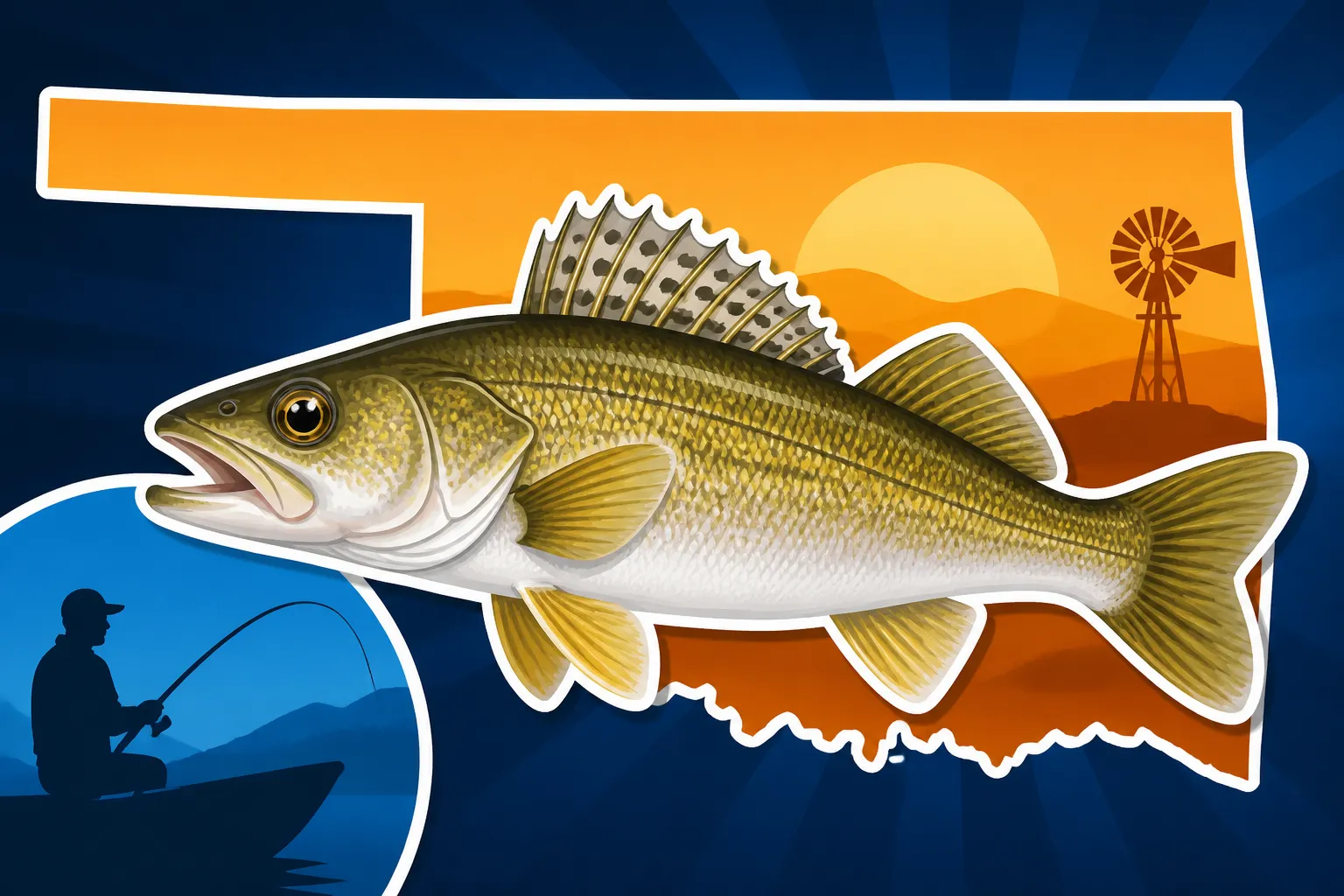
Saugeye generally possess a body shape that's intermediate between a walleye and a sauger. They tend to be more slender than a walleye but can still achieve impressive lengths and weights. Their coloration is also a blend. You'll typically see dark, mottled blotches or saddles along their sides, a trait inherited from the sauger. These blotches might not be as pronounced as on a pure sauger, but they're usually more evident than on a walleye, which often has a more uniform, golden-olive hue. The overall body color can range from a brassy gold to an olive-brown, often with lighter undersides. It’s this blend of mottled patterns on a somewhat walleye-like body that often gives the first clue.
Dorsal Fin Markings
This is arguably the most critical and consistent feature for saugeye identification. Look closely at the spiny dorsal fin (the one closer to the head).
- Walleye typically have a distinct, opaque black blotch at the very rear base of the spiny dorsal fin. The rest of the fin is usually clear or slightly speckled.
- Sauger have very clear, distinct rows of round black spots running across the entire spiny dorsal fin, creating a banded appearance. They lack the single large black blotch of the walleye.
- Saugeye exhibit a blend of these two features. They will have some dark spots or faint bands on the spiny dorsal fin, but critically, they will also have that distinct black blotch at the rear base, much like a walleye. It's the combination of both spots/banding and the black blotch that screams "saugeye." This hybrid characteristic is usually the easiest way to tell them apart once you know what to look for. You can often see these markings even before you land the fish, providing an exciting peek at your potential catch.
Mouth and Teeth
While less obvious than fin markings, the mouth and teeth can also offer clues. All three species (walleye, sauger, saugeye) are predatory and possess sharp, canine-like teeth. However, the size of the mouth and the arrangement of teeth can vary subtly. Walleyes generally have a larger, more pronounced mouth with more robust teeth, suited for eating larger baitfish in open water. Sauger often have a slightly smaller mouth. Saugeye will fall somewhere in between, capable of handling a good-sized meal. For anglers interested in the finer details, examining the roof of the mouth for specific tooth patches can also provide definitive identification, though this often requires a bit more hands-on inspection.
Tail Fin
Another reliable identifier is the lower lobe of the tail fin.
- Walleye typically have a distinct white tip on the lower lobe of their caudal (tail) fin. This white tip is usually quite prominent and easy to spot.
- Sauger generally lack this white tip. Their tail fin will be more uniformly colored, often with some dark spotting.
- Saugeye will also typically lack the prominent white tip on the lower caudal fin. While there might be a very faint lighter edge, it won't be the bright, distinct white that you see on a walleye. This absence of the prominent white tip, combined with the mixed dorsal fin markings, helps solidify the saugeye identification. When you're fishing in waters where both walleye and sauger are present, understanding these nuances is crucial for accurate Which of Oklahoma's Three Cousin Fish Did You Just Catch?.
Comparing Saugeye to its Cousins: Walleye and Sauger
Knowing the individual characteristics is one thing, but seeing them side-by-side or understanding their differences conceptually really drives the point home. This is where many anglers, even seasoned ones, find themselves pausing, especially if they’re used to fishing for one species exclusively. Understanding the variations is key to correctly identifying what's at the end of your line, and it also helps in understanding the nuances of Oklahoma's Walleye, Sauger and Saugeye: Oklahoma's Cousin Fish.
Distinguishing from Walleye
The primary difference between a saugeye and a pure walleye is the dorsal fin and the tail fin. As mentioned, a walleye will have that single, prominent black blotch at the rear base of the spiny dorsal fin, and the rest of the fin will be largely clear. Crucially, a walleye will not have the distinct spots or bars across the entire dorsal fin that a sauger or saugeye possesses. Additionally, the bright white tip on the lower lobe of a walleye's tail fin is almost always present and easily visible. If your fish has definite spots/banding on its dorsal fin and a prominent white tail tip, it's probably not a saugeye. If it has both spots/banding and the black blotch at the dorsal fin's rear base, but no distinct white tail tip, then you've likely got a saugeye.
Distinguishing from Sauger
When comparing a saugeye to a sauger, the distinguishing factors again come down to those fins. A sauger will have very clear, distinct rows of black spots or bands running across its entire spiny dorsal fin. What it won't have is the prominent black blotch at the rear base of the spiny dorsal fin. That blotch is a walleye and saugeye characteristic. Furthermore, sauger typically have a more torpedo-like, slender body compared to the saugeye, and their overall coloration might be a bit darker and more uniformly mottled, especially in turbid waters. The sauger also lacks the prominent white tip on the lower tail fin, just like the saugeye. So, if you see spots across the dorsal fin without the rear black blotch, and no white tail tip, you're looking at a sauger. The saugeye is the one that says, "I have a little bit of both parents on my dorsal fin!" When trying to discern these subtle differences, especially for a new angler, having a laminated fish identification card, which you can easily find on Amazon, can be incredibly helpful when you're out on the water. For more details on these two specific species, check out Walleye vs Sauger: How to Tell Them Apart.
Quick Reference Table: Walleye, Sauger, and Saugeye Identification
To make things even clearer, here's a quick comparison chart of the main identification features:
| Feature | Walleye | Sauger | Saugeye |
|---|---|---|---|
| Spiny Dorsal Fin | Distinct black blotch at rear base; otherwise clear | Rows of distinct dark spots/bands across entire fin; no blotch | Rows of spots/bands AND a black blotch at rear base |
| Lower Tail Fin | Prominent white tip | No prominent white tip | No prominent white tip |
| Body Coloration | Golden-olive, typically uniform | Darker, distinct mottled blotches/saddles | Blend of both; mottled blotches often present |
| Body Shape | More robust, deeper body | More slender, torpedo-like | Intermediate, usually more slender than walleye |
| Habitat Preference | Cooler, clearer, larger lakes/reservoirs | Warmer, murkier, riverine areas | Adaptable to both; often stocked in varying conditions |
Where to Find Saugeye in Oklahoma
Saugeye have been successfully introduced into several Oklahoma lakes and rivers, providing fantastic fishing opportunities. Their hardiness and growth rate make them a great target for anglers looking for a challenging fight and a tasty meal. Knowing where to look for them, and understanding their preferences, can significantly increase your chances of success. They often prefer areas that offer a mix of their parent species' ideal habitats.
Preferred Habitats in Oklahoma
You'll typically find saugeye in larger impoundments and reservoirs across Oklahoma, particularly in waters that might be a bit too warm or turbid for pure walleye to thrive, but still offer good forage. They often congregate around underwater structures like humps, points, submerged timber, and old creek channels. Areas with a mix of rock and gravel bottoms are also prime real estate, as these spots attract the baitfish that saugeye prey upon. During different seasons, their location will shift, often moving shallower in cooler weather and deeper during the summer months. Key locations where saugeye are commonly found include Canton Lake, Lake Fort Supply, and Lake Thunderbird, among others. These lakes offer the right conditions and forage base for saugeye to really flourish. Exploring the specific characteristics of these bodies of water can give you an edge when you are planning your next trip. You can also research Where to Catch Walleye in Oklahoma for overlapping habitats.
Fishing for Saugeye Tips
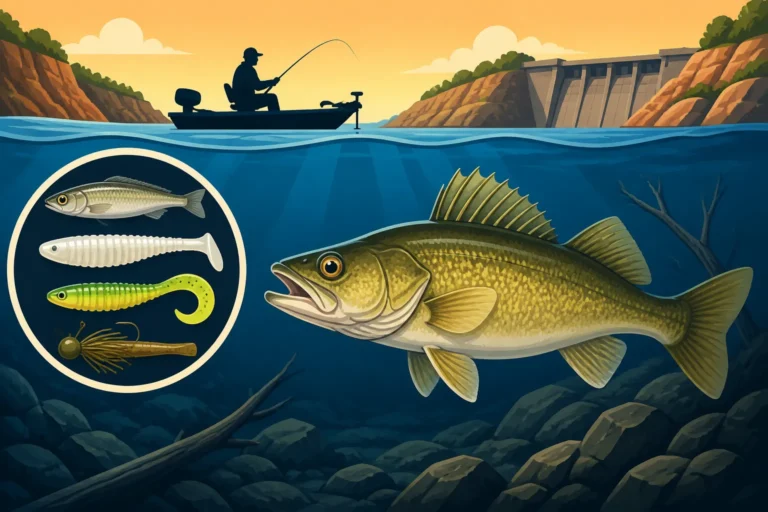
Catching saugeye is a thrilling experience, and many of the techniques used for walleye and sauger will work well for them. Jigs tipped with minnows or soft plastics are incredibly effective, especially when worked slowly along the bottom near structure. Trolling with crankbaits or spinner rigs is another popular method, particularly in open water over deeper flats or along drop-offs. Live bait, such as shiners or shad, suspended under a bobber or on a slip-sinker rig, can also be deadly. Remember that saugeye, like their walleye cousins, are often light-sensitive, so low-light conditions like dawn, dusk, or even night fishing can be incredibly productive. Make sure you're using the right gear; a medium-light to medium action rod with sensitive line can help you detect their subtle bites. For those looking to upgrade their tackle box for walleye and saugeye fishing, sites like Amazon offer a vast selection of appropriate lures and baits. Don't forget to check the local regulations for specific lakes, as bag and size limits can vary for these sought-after fish. Understanding Best Bait for Walleye in Deep Reservoirs can definitely transfer to saugeye.
Disclaimer
This article is for general informational purposes only and does not constitute professional advice. Laws, prices and regulations vary by location and change over time. Consult a qualified professional for guidance on your specific situation.