Is Brown Trout Good to Eat?
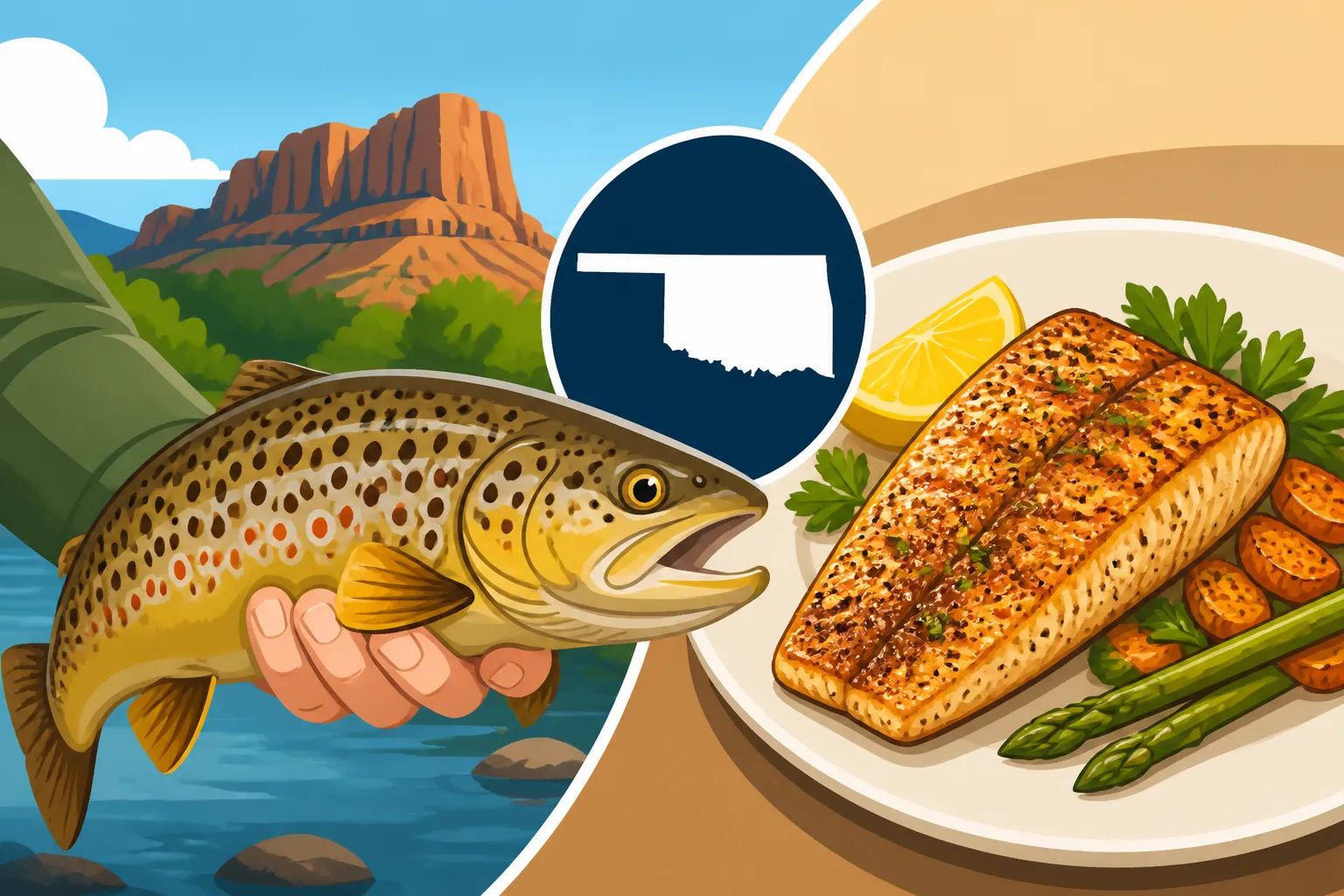
You’ve just pulled a gorgeous brown trout from the clear, cold waters of an Oklahoma stream, its speckled sides shimmering in the sun. It’s a beautiful catch, a testament to your angling skill, and now the big question looms: "Is this brown trout actually good to eat?" It's a completely understandable thought, as the culinary appeal of different fish species can vary wildly, and you want to make sure your efforts translate into a delicious meal. This guide is here to walk you through everything you need to know about preparing and enjoying brown trout, from its unique flavor profile to the best ways to cook it, helping you decide if your next brown trout is destined for the pan or a grateful release.
The Distinctive Flavor and Texture of Brown Trout
Brown trout, often found in the cooler, more pristine waters of Oklahoma, offer a unique culinary experience that sets them apart from many other freshwater fish. Their flavor and texture are highly regarded by many anglers and chefs alike, making them a sought-after species for the dinner table.
A Nuanced Taste Profile
When it comes to flavor, brown trout are typically described as having a mild, delicate taste. Unlike some fish that can be overly "fishy," brown trout tend to possess a cleaner, more refined profile. Many enthusiasts note hints of nuttiness or a subtle earthy undertone, particularly in wild-caught specimens. This nuanced flavor makes them incredibly versatile in the kitchen, allowing them to pair well with a wide range of herbs and spices without being overwhelmed.
Compared to other trout species, brown trout often offer a slightly richer, more pronounced flavor than their rainbow trout cousins. While rainbow trout are generally very mild and accessible, brown trout can have a deeper, more complex taste that some consider superior. This isn't to say rainbow trout aren't delicious – they absolutely are – but if you're looking for a bit more character in your trout, the brown trout often delivers. The exact taste can, of course, be influenced by the trout's diet. Fish feeding primarily on aquatic insects in a pristine, cold-water environment might taste subtly different from those that have been feasting on small minnows in a larger reservoir.
It’s crucial to remember that what constitutes "good to eat" is inherently subjective. However, for those who appreciate a lean, flavorful white fish, brown trout consistently receive high marks. Their natural diet and preferred habitats contribute to a clean, fresh taste that is rarely overpowering, making them a fantastic choice for a wide variety of palates.
Understanding the Texture
Beyond flavor, the texture of brown trout is another significant aspect of its culinary appeal. You'll find that brown trout meat is wonderfully flaky yet firm. It's not at all mushy, and it holds together remarkably well during the cooking process, which is a big plus for presentation and ease of eating. This firm flakiness means it won't disintegrate into a pile of crumbs on your plate, even with delicate handling.
The flesh is notably lean, contributing to its delicate texture and generally lighter mouthfeel. This leanness also means it cooks relatively quickly, so you'll want to keep a close eye on it to avoid overcooking, which can dry out even the best fish. While smaller, pan-sized brown trout (think 10-14 inches) are often praised for their most tender and delicate flesh, larger specimens can still be excellent. Occasionally, a very large, older brown trout might have a slightly coarser texture, but this is less common and generally not a deal-breaker for most anglers.
To ensure you get the best possible texture from your catch, proper handling from the moment you land the fish is paramount. Rapid cooling and careful processing will help maintain that desired firm, flaky consistency, transforming your fresh catch into a truly memorable meal.
Key Factors That Influence Brown Trout's Taste
The flavor of any fish isn't just about the species itself; it's a dynamic equation involving several environmental and handling factors. Brown trout are no exception, and understanding these elements can help you appreciate why one brown trout might taste different from another, and how you can maximize its culinary potential.
Diet and Habitat
One of the most significant influences on a brown trout's flavor is its diet and the quality of its habitat. Brown trout thrive in cold, clean, well-oxygenated water, often found in the tailwaters of Oklahoma's dams or spring-fed streams. In these environments, they typically feed on a diverse range of natural forage, including aquatic insects (like mayflies, caddisflies, and stoneflies), small crustaceans, and even smaller baitfish. This natural, varied diet contributes directly to their clean, delicate, and sometimes earthy flavor profile.
Consider a brown trout caught from a pristine mountain stream, gorging on a hatch of insects. Its flesh will likely have a cleaner, more vibrant taste compared to a fish from a slower-moving river with a less diverse food source. The purity of the water itself plays a huge role; fish from clear, cold, unpolluted waters invariably taste better than those from murky or stagnant environments. Oklahoma's designated trout streams are managed to provide these ideal conditions, ensuring the fish that come from them are of excellent quality. If you're interested in where these trout thrive, our guide to Trout Fishing in Oklahoma: Rainbow and Brown Trout offers more insights into their preferred habitats.
Size and Age of the Fish
Just like with many game animals, the size and age of a brown trout can subtly influence its flavor and texture. Generally, smaller to medium-sized brown trout, often referred to as "pan-sized" (typically 10 to 16 inches), are considered to have the most desirable culinary qualities. Their flesh tends to be the most delicate, tender, and possess the mildest flavor. These younger fish haven't had as much time to develop stronger tastes or tougher muscles, making them ideal for a quick, delicious meal.
As brown trout grow larger and older, their diet might shift to include more fish, and their muscles develop more extensively. While a trophy-sized brown trout is an incredible catch, it might have a slightly stronger, more robust flavor, and its flesh could be a touch firmer or even coarser than a younger fish. This isn't necessarily a negative, as some anglers prefer a more pronounced fish flavor. However, if you're aiming for the most delicate and tender meal, targeting those medium-sized fish is often a good strategy. It's an interesting aspect of fishing; the biggest fish isn't always the best for eating, though it’s certainly the most thrilling to catch!
Immediate Post-Catch Handling
This is perhaps the most critical factor that anglers can directly control to ensure their brown trout tastes fantastic: how you handle it immediately after it's caught. Even the freshest, healthiest fish from the most pristine waters can develop an unpleasant "fishy" taste or poor texture if not handled properly.
The golden rule is to bleed and chill your fish as quickly as possible. When a fish is caught, stress hormones and lactic acid build up in its muscles. Bleeding the fish (by severing a main artery, often near the gills) allows these compounds, along with any lingering blood, to be flushed out, resulting in cleaner-tasting, whiter flesh. After bleeding, getting the fish on ice or into an ice slurry immediately is paramount. This rapid cooling halts bacterial growth and the breakdown of muscle tissue, preserving the delicate flavor and firm texture. Simply tossing a fish into a warm livewell or a dry cooler for hours is a surefire way to compromise its quality. Investing in a good cooler or an insulated stringer from a place like Amazon can make all the difference in bringing home a delicious catch.
Proper gutting soon after the catch is also highly recommended, especially if you won't be cooking the fish within a few hours. Removing the internal organs prevents digestive enzymes from breaking down the flesh from the inside out. A quick rinse, then back on ice, and you're set for a truly delectable meal.
Bringing Brown Trout to Your Dinner Table
So, you've decided to keep your brown trout for dinner. Excellent choice! Now comes the fun part: preparing it for a delicious meal. The good news is that brown trout are incredibly versatile in the kitchen, and their delicate flavor shines through with various cooking methods.
Cleaning and Preparation
Before you get to the cooking, proper cleaning is essential. For most pan-sized brown trout, many anglers choose to cook them whole, which means a simple cleaning process. First, you'll want to scale the fish. While some people prefer not to scale trout, especially if the skin won't be eaten, scaling ensures a cleaner presentation and can prevent scales from getting into your meal. You can use a fish scaler or the back of a knife, scraping against the grain from tail to head, rinsing as you go.
Next comes gutting. Make a shallow cut along the belly from the anal vent up to the gills, being careful not to cut too deeply into the internal organs. Scoop out all the guts, bloodline along the spine, and if you're cooking it whole, remove the gills, which can impart a bitter flavor. Give the cavity a thorough rinse under cold water, making sure it's spotless. Pat the fish dry with paper towels inside and out; this is a small but mighty step that helps ensure crispy skin and better browning when cooked. You'll find a good, sharp filleting knife is indispensable here, and you can always find reliable options on Amazon.
If your brown trout is larger, you might opt to fillet it. This involves carefully cutting the meat away from the backbone, resulting in two boneless fillets. While slightly more involved, filleting is perfect for those who prefer to avoid bones entirely.
Popular Cooking Methods
Brown trout's versatility means you have a plethora of cooking options. Here are some of the most popular and delicious ways to prepare your catch:
- Pan-Frying: This is arguably the most classic and simplest method, especially for whole, pan-sized trout. Heat some butter or olive oil in a skillet over medium-high heat. Season your trout, place it in the hot pan, and cook for 3-5 minutes per side, depending on thickness, until the skin is crispy and the flesh is opaque and flakes easily. A squeeze of lemon at the end is heavenly.
- Baking or Roasting: Perfect for cooking whole trout with minimal fuss. Preheat your oven to around 400°F (200°C). Stuff the cavity with lemon slices, fresh herbs like dill or parsley, and a pat of butter. Place the fish on a baking sheet, drizzle with olive oil, and season the outside. Bake for 12-18 minutes, or until cooked through. This method keeps the fish incredibly moist and allows the aromatic stuffings to infuse their flavor.
- Grilling: For a lovely smoky flavor, grilling is fantastic. Ensure your grill grates are clean and well-oiled to prevent sticking. You can grill whole fish or fillets, perhaps in a fish basket. Cook over medium-high heat for about 4-6 minutes per side. The char from the grill adds a wonderful dimension to the delicate trout flavor.
- Smoking: If you have a smoker, brown trout takes beautifully to a gentle smoke. A light wood like alder or apple works wonderfully, imparting a subtle smokiness that complements the trout's natural richness without overpowering it.
Experimentation is key! You might also try poaching, steaming, or even making trout patties with leftover cooked fish.
Seasoning and Flavor Pairings
Given brown trout's mild and delicate flavor, you really don't need to do much to make it shine. Simple seasoning often yields the best results, allowing the natural taste of the fish to be the star.
Start with the basics: good quality salt and freshly ground black pepper are non-negotiable. From there, fresh lemon is almost universally loved with trout; a squeeze before or after cooking brightens the flavor beautifully. Herbs like fresh dill, parsley, chives, thyme, and rosemary are natural companions. A compound butter (butter mixed with herbs, garlic, and lemon zest) melted over the top as the fish cooks or just before serving is another simple yet incredibly effective way to enhance the flavor.
For a little extra kick, a pinch of paprika, garlic powder, or onion powder can be added. If you're feeling adventurous, try a very light spice rub with a touch of cayenne or chili powder. Just be careful not to overpower the fish. You can even find a wide array of gourmet rubs and spices on Amazon to experiment with. Light sauces, such as a lemon-butter sauce with capers, a delicate white wine reduction, or even a simple vinaigrette, can also elevate your dish without masking the trout's inherent goodness.
Ultimately, the best seasoning is what you enjoy most. Start simple, taste as you go, and let the brown trout's natural deliciousness guide your culinary adventure.
Brown Trout in Comparison to Other Oklahoma Game Fish
Oklahoma is blessed with a diverse array of freshwater fish, and while brown trout hold a special place for many anglers, it's helpful to understand how their culinary attributes compare to other popular species you might encounter.
Brown Trout vs. Rainbow Trout
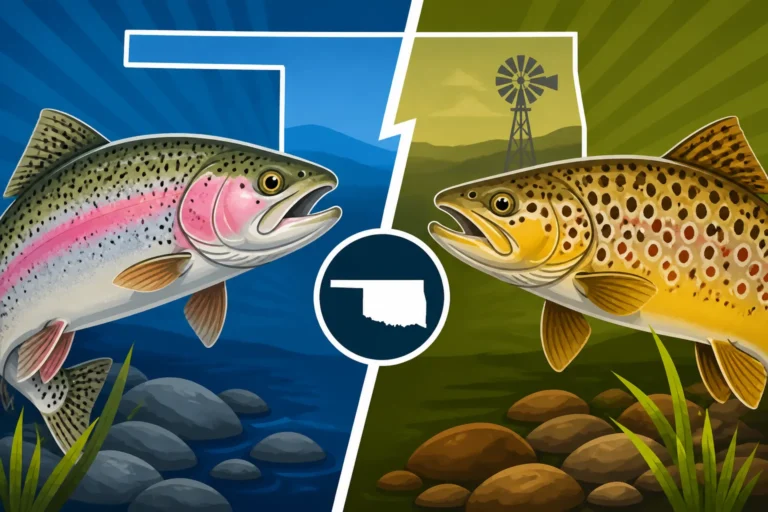
When people talk about trout fishing in Oklahoma, they're usually referring to rainbow trout, which are regularly stocked in designated trout areas. Brown trout are less common but are still found and prized. Culinarily, there's a definite distinction. Many anglers consider brown trout to have a richer, often more "trout-like" flavor compared to rainbow trout. Rainbows tend to be extremely mild, almost universally palatable, especially the stocked varieties. Brown trout, particularly wild ones, can offer a deeper, more earthy or nutty taste that some prefer for its complexity.
In terms of texture, both are generally flaky and tender, but brown trout might occasionally present with a slightly firmer flesh. Again, this can depend heavily on diet and habitat. If you're wondering how to tell the difference between these two beautiful species in the wild, our article Rainbow Trout vs Brown Trout: How to Tell Them Apart offers helpful tips. While you might often find both species in the same waters, such as those where you might Where to Catch Stocked Trout in Winter, their subtle flavor variations can make for an interesting taste test!
Brown Trout vs. Crappie and Bass
Moving beyond trout, let's consider two other incredibly popular Oklahoma table fish: crappie and bass. Crappie (both black and white) are renowned for their exceptionally mild, sweet, and pure white meat. They are incredibly flaky and tender, making them a favorite for pan-frying and deep-frying across the state. In terms of mildness, crappie often wins the crown; if you want a fish that barely tastes like "fish," crappie is a top contender. Brown trout, while still mild, has a more distinct flavor profile – richer and often with those characteristic nutty or earthy notes.
Bass species (largemouth, smallmouth, spotted) generally offer firm, white meat. Their flavor can be quite mild, but also sometimes carries a stronger, earthier taste depending on the water body and their diet. A largemouth bass from a muddy pond might taste different from one caught in a clear, rocky reservoir. Brown trout typically offers a more delicate and less "muddy" flavor than some bass, especially larger ones. Our guides on Oklahoma's Bass Fishing Rules and Limits and Crappie Fishing Rules and Limits in Oklahoma highlight how plentiful these species are, making them common choices for a meal.
Here's a quick comparison of these popular game fish to help you decide:
| Fish Species | Flavor Profile | Texture | Common Cooking Methods | Best Size for Eating |
|---|---|---|---|---|
| Brown Trout | Mild, delicate, often nutty/earthy | Flaky, firm | Pan-fry, bake, grill, smoke | 10-16 inches (pan-size) |
| Rainbow Trout | Mild, slightly less rich than brown | Flaky, tender | Pan-fry, bake, grill, steam | 10-15 inches (pan-size) |
| Black Crappie | Very mild, sweet, white | Very flaky, tender | Pan-fry, deep-fry | 8-12 inches |
| Largemouth Bass | Mild to medium, sometimes earthy | Firm, white | Pan-fry, bake, grill | 12-18 inches |
| Channel Catfish | Mild to medium, can be earthy | Firm, moist | Fried, grilled, baked | 1-5 lbs |
The Verdict: Is Brown Trout Worth Eating?
Without a doubt, brown trout is absolutely worth eating! For most anglers and seafood lovers, it's a truly delicious table fish. Its combination of mild, delicate, often nutty flavor and firm, flaky texture makes it a highly desirable catch for the skillet, oven, or grill. The subtle richness it offers can be a delightful change from ultra-mild fish, providing a more engaging culinary experience without being overpowering.
The key to enjoying brown trout to its fullest really boils down to two things: where it came from and how you treat it after the catch. A healthy, wild brown trout from pristine waters, bled, iced, and cleaned promptly, is a gourmet meal waiting to happen. Don't be shy about trying it if you have the opportunity. Experiment with the various cooking methods and seasonings we've discussed to discover your favorite way to enjoy this fantastic fish.
So, the next time you land a beautiful brown trout in Oklahoma, whether you're targeting Trout Fishing in Oklahoma: Rainbow and Brown Trout or just stumbled upon one in your search for Best Fishing Spots in Oklahoma, consider keeping one for dinner. It's not just a challenging catch, but a culinary delight that many seasoned anglers cherish. Remember to always check local regulations for size and bag limits before you decide to keep any fish.
Disclaimer
This article is for general informational purposes only and does not constitute professional advice. Laws, prices and regulations vary by location and change over time. Consult a qualified professional for guidance on your specific situation.