Best Beginner Fish for Kids Just Starting Out
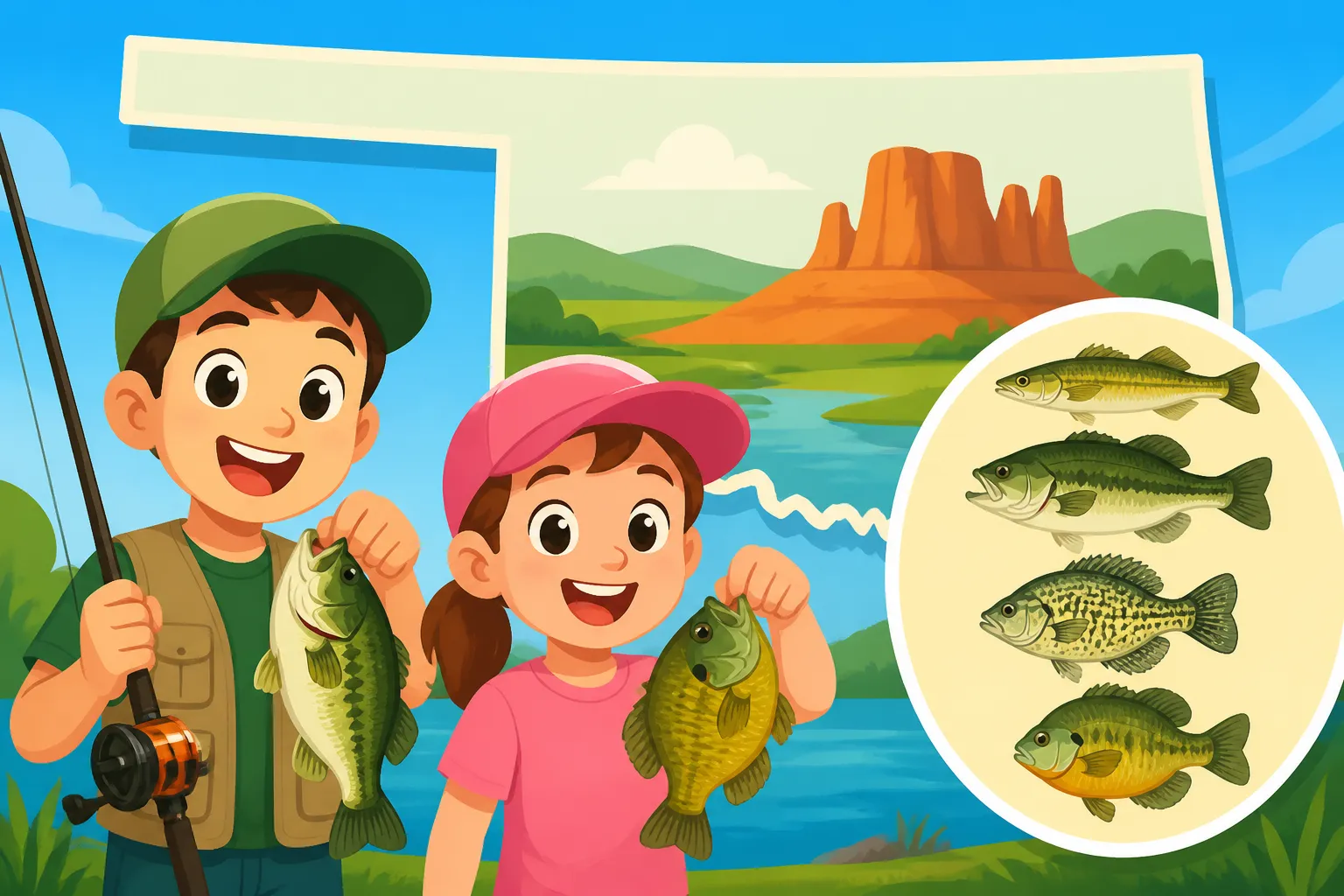
It’s a common scenario for parents and grandparents: you load up the car with tackle boxes and snacks, visions of your little angler reeling in a trophy fish dancing in your head. But often, the reality hits pretty fast – kids have short attention spans, and if they’re not getting bites quickly, that initial excitement can turn into boredom (and whining) within minutes. The secret to a successful first fishing trip, and fostering a lifelong love for the sport, lies in choosing the right fish species. This guide is all about helping you pick the best, most cooperative fish in Oklahoma that will practically guarantee a bend in the rod and a smile on your child's face.
Why Choosing the Right Beginner Fish Matters for Kids
When you're introducing a child to fishing, it's not just about getting a line in the water; it's about crafting an experience that builds confidence and leaves them wanting more. The species you target plays a huge role in that success.
Building Confidence with Early Success
Think about it: an adult can endure hours of no bites, soaking in the peace and quiet. A kid? Not so much. Their definition of a "good time" usually involves immediate gratification. That’s why choosing a fish that bites frequently and aggressively is paramount. Every tug on the line, every splash at the surface, is a victory. It reinforces the idea that fishing is fun, not just a lesson in patience. Imagine your child’s face lighting up when they feel that first significant pull. That instant connection to nature, the excitement of reeling something in, it’s a powerful memory that often sparks a lifelong hobby. If they spend an entire afternoon without a nibble, they’re far more likely to declare fishing "boring" and move on to the next activity. This early success is the foundation upon which future, more challenging fishing adventures can be built.
It’s about making sure their first few encounters with fishing are overwhelmingly positive. We want to avoid those frustrating moments where they're staring blankly at a still bobber for too long. A species known for being prolific and eager to strike keeps their energy levels high and their eyes glued to the water, eagerly anticipating the next bite. This isn't about setting state records on the first go; it's about getting that little hook-set, that reel-crank, and that fish-in-hand moment. It's truly a magical experience for them, and it all starts with a cooperative fish.
Safety and Ease of Handling
Beyond the biting enthusiasm, safety is another huge consideration when fishing with kids. Some fish have sharp teeth, venomous spines, or can be quite slippery and difficult to hold. For a beginner, especially a young one, encountering a fish that's hard to handle can be intimidating, or worse, lead to an injury. You want a fish that, once caught, can be managed relatively easily, both for the child's direct interaction and for your own unhooking process.
Selecting species with smaller mouths, fewer (or no) sharp teeth, and dorsal fins that aren't overly spiny reduces the risk of nicks, cuts, or pokes. This makes the entire catch-and-release or catch-and-keep process much smoother and more enjoyable. It means less stress for you as the supervising adult and a more positive memory for the child. When you can quickly and safely unhook a fish, take a picture, and either release it or put it in the cooler, the momentum of the fun is maintained. No one wants a trip to the emergency room because a blue cat poked a finger, even if those are awesome fish for seasoned anglers. For the little ones, we want ease and safety first and foremost.
Top Oklahoma Fish Species for Young Anglers
Now, let's talk about the real stars of the show! Oklahoma waters are teeming with fish that are perfect for beginners. We'll focus on three main groups that offer a fantastic balance of catchability, fight, and safety for the younger crowd.
Bluegill: The Ultimate Starter Fish
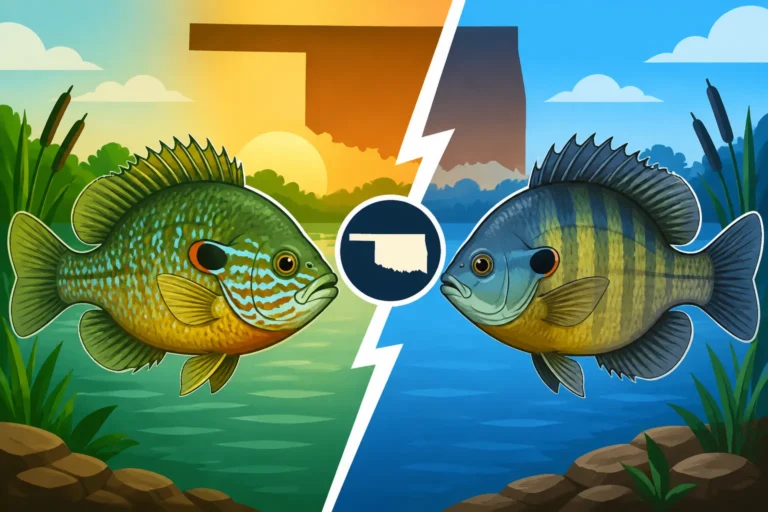
If there's one fish that defines a quintessential childhood fishing experience, it's the bluegill. These little panfish are absolute champions for beginners, and you'll find them almost anywhere there's water in Oklahoma. From small farm ponds to the shallow coves of massive reservoirs like Lake Eufaula or Grand Lake O' the Cherokees, bluegill are abundant and, crucially, very willing to bite. They don't require fancy gear or complex techniques, which makes them perfect for simple bobber fishing.
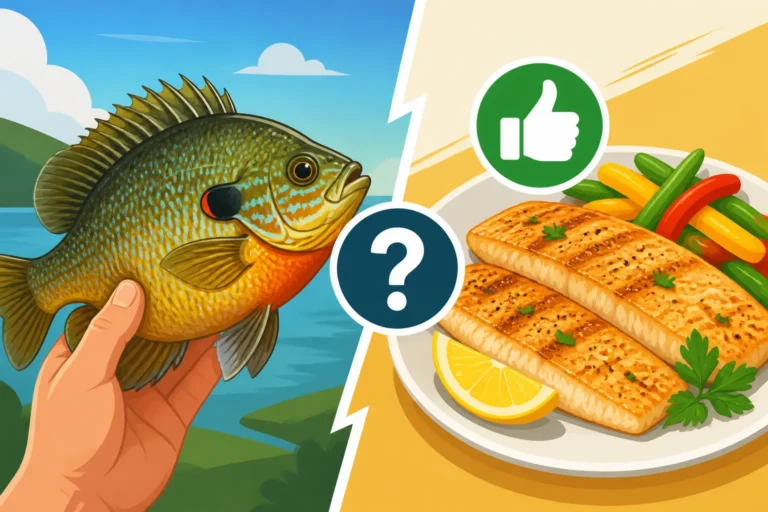
Imagine this: you rig up a small hook with a piece of a worm, cast it out into a sunny patch of water near some lily pads or a submerged brush pile, and almost instantly, that bright red and white bobber starts dancing! Bluegill are notorious for their aggressive strikes, even for their size. While they might not be huge, they put up a spirited fight on light tackle, giving a young angler a real thrill as they reel it in. They have small mouths, so tiny hooks are key, and their spines, while present, are manageable with a little caution. Plus, they’re excellent table fare, so catching a stringer of them for a family fish fry can be a huge motivator. Teaching kids how to catch bluegill is often the first step in a lifelong journey into fishing. You can find out more about these accessible fish in Bluegill Fishing for Beginners.
Channel Catfish: A Rewarding Challenge
For a step up in size and fight, but still maintaining good catchability for beginners, the channel catfish is an excellent choice. These whiskered beauties are common in almost every Oklahoma lake, pond, and river system. What makes them great for kids is their willingness to hit a variety of readily available baits, and they can provide a more substantial battle than a bluegill, leading to a huge sense of accomplishment for a young angler.
While channel cats can grow quite large, even the smaller ones put a good bend in a rod. They love baits like chicken liver, cut bait, or even simple stink baits and dough balls you can find at any tackle shop. You can fish for them effectively from the bank with a simple bottom rig, which means no boat is necessary. This makes it a great option for an afternoon outing at a local community pond or a state park lake. The main thing to teach kids with catfish is caution around their pectoral and dorsal spines, which can deliver a painful poke if not handled properly. However, with a little instruction and supervision, handling a channel cat safely becomes part of the learning process. Landing a channel cat, especially one that pulls some drag, offers a memorable experience and a fantastic photo opportunity. For tips on distinguishing catfish, check out Channel Catfish vs Blue Catfish: How to Tell Them Apart.
White Bass: Action-Packed Schooling Fish
If you want to introduce your child to fast-paced, high-volume action, white bass are your go-to fish in Oklahoma. These aggressive schooling fish can turn an ordinary fishing trip into a frenzied spectacle, especially during their spring spawning runs up rivers and creeks. When you find a school of white bass, it’s not uncommon to catch fish after fish on nearly every cast, and that kind of consistent action is pure gold for keeping kids engaged.
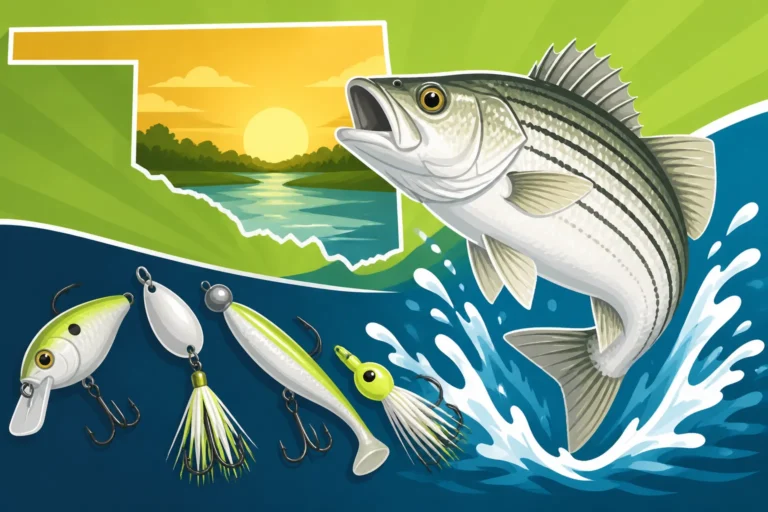
White bass hit hard and fight valiantly for their size, providing excellent sport on light to medium tackle. They readily strike small inline spinners, jigs, or even simply a small piece of cut bait. During the spring, you can often spot them splashing and feeding on the surface, making for an exciting visual experience. They are also incredibly plentiful in many of Oklahoma's larger reservoirs, like Lake Texoma, Keystone Lake, or Fort Gibson Lake, and their runs can last for weeks. Just like bluegill, white bass are fantastic eating, which adds another layer of reward to the fishing trip. Teaching kids to cast a small spinner and retrieve it through a school of actively feeding white bass is an exhilarating lesson in angling. Learn more about their seasonal movements in White Bass Spring Runs in Oklahoma.
Essential Gear and Simple Techniques for Kids
You don’t need to break the bank or get tangled in complicated setups to get kids fishing successfully. Simplicity is key, especially when their attention might be divided between their bobber and a curious dragonfly.
Basic Rod and Reel Setups
For young beginners, a simple, easy-to-use rod and reel combination is paramount. Forget about baitcasters or complex spinning reels with lots of settings. We're looking for user-friendly gear that minimizes tangles and maximizes casting ease. A spincast reel, often called a "push-button" reel, is typically the best starting point. These reels are incredibly forgiving; kids just push a button, cast, and release. They're designed to prevent backlash and bird's nests, which can quickly frustrate a budding angler.
Look for a rod that's appropriate for their size – usually somewhere between 4 to 5 feet long is ideal for a child. A shorter rod is easier for them to manage and cast without hitting themselves or others. You can find fantastic, affordable beginner combos online from retailers like Amazon, or at your local sporting goods store. Many even come pre-spooled with line, which saves you a step. The most important thing is that the rod is light enough for them to hold comfortably for extended periods and the reel is simple enough to operate without constant adult intervention. Starting with a basic setup means less time untangling and more time fishing.
Go-To Baits and Lures
Keeping bait simple and effective is crucial. For bluegill, nothing beats a classic live worm or a small cricket. These natural baits are irresistible to panfish and often result in quick bites. You can buy worms at almost any gas station or bait shop, or even dig them up in your own backyard – a fun activity in itself for kids! A small piece of corn or bread can also work in a pinch for sunfish.
For channel catfish, the bait can be a bit more robust. Chicken liver is a perennial favorite, as is cut bait (small pieces of fish like shad or hot dogs). There are also various commercially prepared "stink baits" that work wonders for catfish. Just be warned, they live up to their name! For white bass, small artificial lures like 1/8 to 1/4 ounce inline spinners (think Rooster Tails or Mepps) or small soft plastic grubs on a jig head are incredibly effective. These require a bit more active casting and retrieving, which can add to the excitement for slightly older kids. The key is to choose baits that are easy to handle and readily accepted by the target species, reducing the wait time between bites. You can stock up on a variety of these baits before your trip, perhaps ordering some beginner bait kits from Amazon to have on hand.
Simple Rigs for Success
Complexity is the enemy of fun when fishing with kids. Simple rigs ensure less time spent tying knots and more time with lines in the water.
- For Bluegill and Panfish: The classic bobber rig is unbeatable. Tie a small hook (size 8 or 10 is good) directly to your line. About 6-12 inches above the hook, crimp on a small split shot weight to help the bait sink, and then attach a slip bobber or a clip-on bobber above that. The bobber's movement is easy for kids to see, and when it dips, they know it's time to set the hook! This visual cue is fantastic for teaching them when to react.
- For Channel Catfish: A basic bottom rig works wonders. Tie a swivel to your main line. To one end of the swivel, attach a leader line (about 12-18 inches long) with a circle hook (sizes 4-6 are common). To the other end of the swivel, tie a heavier mono or fluorocarbon line (about 6 inches) with a pyramid or egg sinker (1/2 to 1 ounce, depending on current and depth). This setup keeps the bait on the bottom where catfish feed.
- For White Bass: Often, just tying a small spinner or jig directly to the main line is all you need. White bass are aggressive enough that they don't usually require complex leaders or weights. Simply cast out and reel in at a steady pace. This active retrieval method can be very engaging for kids who enjoy feeling the lure "working" through the water.
These simple rigs are easy to set up, effective for their target species, and minimize frustration, allowing everyone to focus on the joy of fishing.
Making the Fishing Trip Fun and Memorable
Remember, the goal isn't just to catch fish, it’s to create cherished memories and instill a love for the outdoors. A successful fishing trip with kids often has less to do with the number of fish caught and more to do with the overall experience.
Focus on the Experience, Not Just the Catch
While catching fish is undeniably exciting, it shouldn't be the sole measure of success for a kid's fishing trip. Help them appreciate the entire experience. Talk about the wildlife you see—the soaring birds, the curious ducks, the jumping frogs, or even identifying different types of insects around the water. Teach them about the environment and why it's important to keep our lakes and rivers clean. Let them skip rocks, blow bubbles, or simply run around and explore when the bites slow down. Pack plenty of snacks and drinks, make sure there’s comfortable seating, and bring other activities like a nature journal or a small magnifying glass to keep their minds engaged.
Encourage them to ask questions and be patient with their learning curve. Celebrate every small success, whether it's a perfect cast, correctly identifying a fish species, or even just sitting still and enjoying the quiet for a few minutes. If a trip ends with no fish in the cooler but a happy, engaged child who had fun by the water, then it was a resounding success. That positive feeling is what will make them eager for the next fishing adventure. Sometimes, the best fishing memories are made off the water. If you're looking for great spots, consider Family-Friendly Fishing Spots in Oklahoma.
Safety First on the Water
Safety should always be the top priority, especially when fishing with children. Before you even head out, review basic water safety rules. If you're near open water, especially on a boat or near a drop-off, ensure everyone wears a properly fitted life jacket. The Oklahoma Department of Wildlife Conservation (ODWC) has clear guidelines on Life Jacket Rules for Kids 12 and Under on Oklahoma Boats, so be sure to check those out. Even if you're bank fishing, having life jackets nearby is a good precaution.
Sun protection is crucial: hats, sunglasses, and plenty of sunscreen should be applied generously. Dehydration can quickly ruin a good day, so bring more water than you think you'll need. Teach kids how to handle a hook safely – showing them the "pinching" method when holding a fish to remove the hook, or even just having you do the unhooking for them initially. A small first-aid kit is also a must-have for minor scrapes or punctures. By taking these precautions, you create a safe environment where kids can focus on the fun without unnecessary risks. This thoughtful preparation ensures that the memories you make are happy and worry-free.
Here's a quick comparison of our top beginner fish:
| Fish Species | Typical Size for Beginners | Ease of Catching | Fight on Light Tackle | Common Baits/Lures | Handling Considerations | Best For |
|---|---|---|---|---|---|---|
| Bluegill | 4-8 inches | Very Easy | Moderate | Worms, Crickets, Corn | Minor dorsal spines | High-volume bites, very young |
| Channel Catfish | 12-24 inches | Easy to Moderate | Strong | Chicken Liver, Cut Bait, Stink Bait | Sharp pectoral/dorsal spines | A bigger fight, bank fishing |
| White Bass | 8-14 inches | Easy | Energetic | Small Jigs, Spinners | Minor dorsal spines | Fast action, schooling fish |
This comparison helps visualize which species might be the best fit for your child's age and desired experience. Whether you're aiming for constant action with bluegill or a more substantial tug from a catfish, Oklahoma offers fantastic opportunities to get kids hooked on fishing. Remember to check out resources like Oklahoma Fishing Regulations You Need to Know in Oklahoma before your trip to ensure you're compliant with all local rules. For more general tips, Best Fishing Techniques for Beginners could also be helpful. Ultimately, the joy comes from sharing the experience, and these fish make that joy much easier to find.
Disclaimer
This article is for general informational purposes only and does not constitute professional advice. Laws, prices and regulations vary by location and change over time. Consult a qualified professional for guidance on your specific situation.