Bluegill Fishing for Beginners
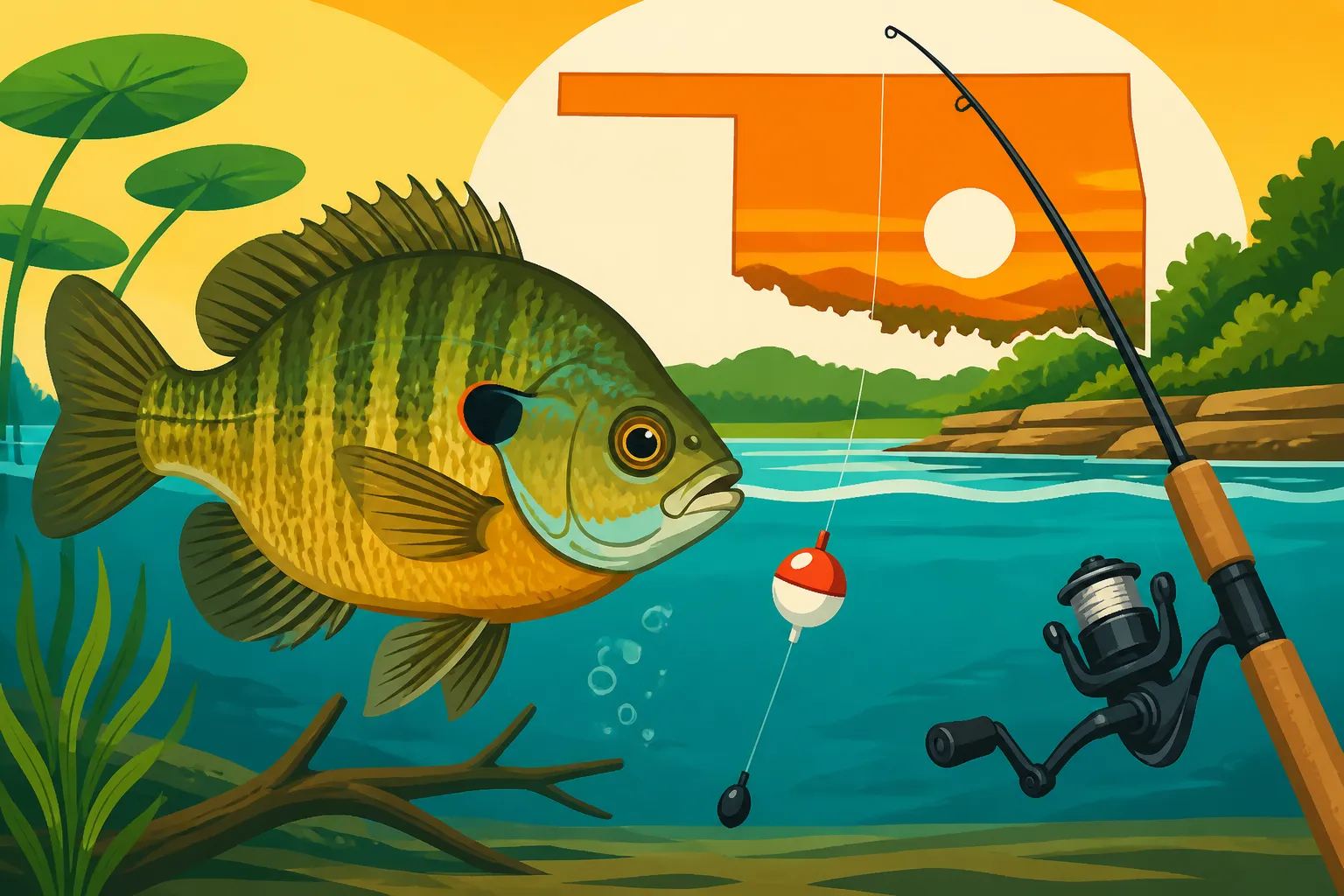
There’s nothing quite like the feeling of that bobber dancing on the water, then slowly, surely, dipping below the surface. For many of us, that first tug on a fishing line came from a bluegill, and for good reason. If you’re just getting started in the wonderful world of angling here in Oklahoma, or looking to introduce someone new to the sport, bluegill fishing is an absolute perfect gateway. They're cooperative, plentiful, and offer consistent action, making for an incredibly encouraging experience that can hook a beginner for life.
Why Bluegill are the Perfect Starting Fish for Oklahoma Anglers
Let's be real, when you're first learning to fish, or teaching a kid, you want action. You don't want to sit for hours waiting for a bite that might never come. That's where bluegill shine. They're not notoriously picky, they're abundant, and they live almost everywhere, making them incredibly accessible for anyone wanting to cast a line without needing a boat or specialized gear. There's a certain magic in seeing a young angler's face light up with their first catch, and bluegill deliver that joy time and time again.
Their Abundance and Accessibility in Oklahoma
One of the biggest frustrations for new anglers is feeling like you need secret spots or expensive equipment to even stand a chance. With bluegill, that just isn't the case. These feisty little sunfish are practically ubiquitous across Oklahoma. You'll find them in nearly every pond, creek, and lake, from the smallest farm pond to the biggest reservoirs. This means you don't have to travel far or have a fancy boat to get in on the action.
Think about it: you could be driving down a county road, spot a small pond, and chances are, it holds bluegill. They thrive in a variety of habitats, making them truly an angler's best friend when accessibility is key. This widespread presence removes a huge barrier for beginners, as the sheer probability of encountering them is high. It’s comforting to know that whether you’re fishing a small local pond or a quiet cove on a larger lake, there’s a good chance you’ll find these eager biters. They are an integral part of the aquatic ecosystem here, providing a food source for larger game fish while also being a rewarding target in their own right. Plus, their robust populations mean you don’t have to worry about overfishing a particular spot; they bounce back quickly.
The Joy of a Consistent Bite for New Anglers
Nothing kills a beginner's enthusiasm faster than a slow day on the water. We've all been there – staring at a still bobber for what feels like an eternity, questioning why we even bother. Bluegill, bless their hearts, are generally not that shy. They are aggressive eaters, especially during warmer months, and are usually willing to investigate most small baits that drift their way. This consistent action is gold for a beginner.
Imagine a child, casting their line for the first time. The anticipation is palpable. If they get a bite within a few minutes, that excitement skyrockets, reinforcing their interest. Even if they miss a few, the fact that they're getting bites keeps them engaged. It's not about catching the biggest fish, it's about the interaction, the learning process, and the sheer fun of feeling something on the end of your line. That steady "tap-tap-pull" is incredibly encouraging and builds confidence, teaching patience while still delivering immediate gratification. They truly help to make fishing feel less like a chore and more like an exciting treasure hunt, ensuring that beginners stay motivated to keep casting. For anyone looking to understand How to Teach a Kid to Fish for Bream, the consistent bite of a bluegill is your greatest teaching tool.
Family-Friendly Fun and Easy Learning
Bluegill fishing isn't just a solo pursuit; it's a fantastic family activity. The simplicity of the techniques and the high catch rates make it ideal for spending quality time outdoors with loved ones. There’s something incredibly bonding about sitting by the water, sharing stories, and helping each other land a fish. It fosters a love for nature and outdoor recreation in a gentle, accessible way.
The learning curve for bluegill fishing is practically flat, which is perfect. You don't need to master complex casting techniques, understand intricate fish finders, or spend hours studying hydrodynamics. A basic rod, a bobber, a hook, and some bait are usually all it takes. This low barrier to entry means that children, grandparents, or anyone with limited fishing experience can jump right in and start catching fish almost immediately. It’s an activity that truly anyone can enjoy, regardless of age or physical ability. Plus, the smaller size of bluegill means less struggle and easier handling, which is a huge bonus when you're trying to get a wiggling fish off a hook with a novice angler. It’s the kind of fishing that creates lasting memories and instills a lifelong appreciation for the outdoors. It perfectly encapsulates why they are considered the Best Beginner Fish for Kids Just Starting Out.
Where to Find Bluegill in Oklahoma Waters
Knowing that bluegill are everywhere is one thing, but knowing where to specifically target them is the key to maximizing your success. While they are indeed widespread, they tend to congregate in certain types of areas that offer them food, cover, and protection from predators. Learning to "read the water" for these features will drastically improve your catch rate.
Ponds and Small Lakes: Prime Bluegill Habitat
If you're looking for bluegill, start small. Farm ponds, city park lakes, and smaller private lakes are often teeming with them. These smaller bodies of water tend to warm up faster in the spring, which kicks off bluegill activity earlier. They also typically have abundant vegetation around the edges, which is exactly what bluegill are looking for.
Look for areas with lily pads, cattails, submerged brush, or even just shallow, muddy banks with some grassy overhang. These spots provide excellent cover for bluegill to hide from larger predators like bass and feed on insects and smaller aquatic life. You'll often find them schooled up in these protected zones. Casting a small bait near the edge of a weed line or alongside a fallen tree can be incredibly productive. Don't overlook smaller public ponds that might seem unassuming; some of the best bluegill fishing can be found in these hidden gems. Always check local regulations for public park ponds, as some might have specific catch limits or rules about live bait. These smaller, contained environments make it much easier for a beginner to understand fish behavior without the overwhelming vastness of a large reservoir.
Reservoir Coves and Shallow Areas
Oklahoma's larger reservoirs, while intimidating at first glance, also offer fantastic bluegill fishing, especially in their shallower coves and protected areas. Think about the quieter sections of lakes like Lake Eufaula or Grand Lake O' the Cherokees – places where the main boat traffic doesn't reach and the water warms up more easily.
In these larger lakes, bluegill will often concentrate in the back of coves, particularly those with brush piles, docks, or rocky banks. Any submerged structure or overhanging trees that provide shade and cover are prime real estate. During the warmer months, they'll push into these shallows to feed and, eventually, to spawn. Focusing your efforts on these less exposed areas will yield much better results than trying to find them in the wide-open main lake. You might be surprised at how many bluegill you can pull out from under a single dock or a submerged cedar tree. Understanding these patterns is key for Planning a Multi-Species Fishing Day too, as bass often lurk nearby, hoping to ambush a bluegill.
Reading the Water: Identifying Bluegill Hotspots
Learning to "read the water" is a skill that comes with practice, but for bluegill, it boils down to looking for two main things: cover and food. Bluegill are prey fish, so they constantly seek shelter. Areas with shadows, submerged timber, weed beds, or docks offer protection. They also need food, which means areas rich in insects, small crustaceans, and aquatic vegetation.
Here’s a quick checklist for spotting bluegill habitat:
- Vegetation: Look for lily pads, cattails, reeds, or submerged grass beds. Bluegill love to hang out on the edges of these, darting in and out.
- Structure: Docks, fallen trees, brush piles, rock piles, and even old tires provide excellent cover. Fish your bait right next to or under these.
- Shade: On sunny days, bluegill will often move into shaded areas to escape the direct sunlight. Overhanging trees or the shady side of a dock can be productive.
- Inflows: Small creeks or drains bringing fresh water and nutrients into a pond or lake can concentrate baitfish and insects, attracting bluegill.
- Shallow Flats: Especially during spawning season, bluegill will create visible "beds" – circular depressions – on shallow, sandy or gravelly flats. If you see these, you're in a bluegill honey hole!
By actively looking for these features, even a beginner can significantly increase their chances of finding a good bluegill spot. It's about thinking like the fish and understanding their basic needs for survival.
The Essential Gear for Beginner Bluegill Fishing
One of the best things about bluegill fishing is that you don't need to break the bank for expensive gear. Simple, affordable equipment is often all you need, making it perfect for beginners or for building up a solid tackle box without feeling overwhelmed. You can find much of this gear easily on platforms like Amazon, making it convenient to get started quickly.
Simple Rod and Reel Combos
For bluegill, a lightweight setup is ideal. You want something sensitive enough to feel those gentle nibbles and light enough for easy casting, especially for younger anglers.
- Rod: A light to ultralight action spinning rod, typically 5 to 6 feet long, is perfect. Look for something with a fast or moderate-fast tip, which means the tip bends easily but the rest of the rod has some backbone. This provides good sensitivity for detecting bites. A rod like this allows you to feel even the lightest tug from a small bluegill.
- Reel: Pair your rod with a small spinning reel (size 1000 or 2000). Spinning reels are generally easier for beginners to learn than baitcasting reels, as they are less prone to tangles (known as "bird's nests"). Load your reel with light monofilament line, around 4 to 6-pound test. This lighter line allows for longer casts with small baits and is less visible to the fish. When looking for a starter combo, many brands offer pre-spooled rod and reel sets that are incredibly affordable and effective. You can often find decent quality spinning combos on Amazon that are perfectly suited for bluegill. The key is balance and ease of use, not brute strength or advanced features.
Basic Terminal Tackle: Hooks, Sinkers, and Bobbers
"Terminal tackle" refers to everything at the end of your fishing line. For bluegill, this is refreshingly simple.
- Hooks: Small hooks are crucial because bluegill have small mouths. Sizes #6, #8, or even #10 Aberdeen or "gold hook" styles are excellent choices. Aberdeen hooks are thin-wired, which helps them penetrate easily and can bend out if snagged, saving your line. A pack of assorted small hooks will serve you well.
- Sinkers: You'll need just enough weight to get your bait down. Small split-shot sinkers are perfect for this. They're easy to attach and remove from your line by simply pinching them on. A variety pack of different small sizes will allow you to adjust for different depths and currents.
- Bobbers: This is arguably the most iconic piece of bluegill gear. A small, sensitive bobber (often called a "slip bobber" or just a round red-and-white plastic bobber) is your visual indicator of a bite.
- Fixed Bobbers: These are ideal for shallower water (up to about 3-4 feet). They clip directly onto your line at a fixed depth.
- Slip Bobbers: For deeper water, a slip bobber is fantastic. It slides freely on your line, stopped by a small knot (a bobber stop) you can adjust to set your depth. This allows you to cast a bobber rig into deeper water without having to reel in a long line every time. Learning How to Rig a Bobber for Bluegill Fishing is a fundamental skill for any new angler.
- Forceps/Pliers: While not "terminal tackle," a small pair of needle-nose pliers or hemostats is incredibly useful for safely removing hooks from bluegill, especially if they've swallowed the hook a bit. This protects both your fingers and the fish.
Best Baits for Oklahoma Bluegill
Bluegill aren't picky eaters, which is another reason they're great for beginners. Natural baits often work best, but there are also some artificial options.
- Live Worms: The undisputed king of bluegill baits. Small pieces of earthworms, redworms, or mealworms are irresistible to bluegill. They're easy to obtain (from a bait shop, garden, or Amazon for some varieties) and stay on the hook well. Thread a small piece onto your hook, making sure the hook point is exposed. For specific advice, you might want to look into Best Bait for Bluegill in Oklahoma Ponds.
- Crustaceans/Insects: Crickets are another fantastic option, especially in areas where bluegill feed on insects that fall into the water. Grasshoppers, if you can catch them, also work.
- Corn: Believe it or not, a kernel or two of canned corn can be surprisingly effective, particularly in ponds where bluegill might be used to being fed. It's cheap, easy to use, and often leads to quick bites.
- Small Artificial Baits: As you gain experience, you might want to experiment with tiny artificial jigs or spinners. Micro jigs (1/32 to 1/16 ounce) tipped with a small plastic grub or tube bait can be very effective, especially in clearer water. These can be particularly useful when fishing with kids as they last longer than live bait. For specific seasonal tips, check out What Bait Works Best for Bluegill in Summer. These small lures are easily found on Amazon and are a good next step once you've mastered live bait.
Table of Basic Bluegill Gear
| Gear Type | Specific Item | Why It's Good for Beginners |
|---|---|---|
| Rod | Ultralight Spinning Rod | Sensitive, easy to cast, handles small fish well. |
| Reel | Small Spinning Reel (1000) | Simple to operate, less tangles, good for light line. |
| Line | 4-6 lb Monofilament | Less visible, good for casting light baits. |
| Hooks | #6, #8, #10 Aberdeen | Small size fits bluegill mouths, thin wire for easy penetration. |
| Sinkers | Small Split-Shot | Easy to attach/remove, adjustable weight. |
| Bobbers | Fixed or Slip Bobber | Visual bite indicator, adds excitement. |
| Bait (Live) | Earthworms, Mealworms | Highly effective, readily available, bluegill love them. |
| Bait (Artificial) | Micro Jigs (optional) | Durable, good for experimenting once confident. |
| Tool | Small Pliers/Forceps | Safe hook removal for fish and angler. |
Easy Bluegill Fishing Techniques for Success
Now that you have your gear, let's talk about how to actually catch those bluegill. The beauty of bluegill fishing lies in its simplicity. You don't need complex maneuvers or advanced tactics; basic, straightforward approaches are often the most effective.
Bobber Fishing: The Classic Method
This is the quintessential bluegill fishing method, and for good reason: it works incredibly well and is visually exciting. The bobber acts as a strike indicator, making it easy to see even the most subtle bites.
- Rigging Up: Attach your bobber to your line (either clip on a fixed bobber or thread on a slip bobber with a bobber stop). About 12-24 inches below the bobber, tie on your small hook. Pinch one or two small split-shot sinkers onto the line a few inches above the hook. This weight helps cast your bait and gets it down to the desired depth. You can find detailed instructions on How to Rig a Bobber for Bluegill Fishing.
- Baiting the Hook: Put a small piece of worm, a mealworm, or a cricket onto your hook. Don't overload it; a small, natural presentation is best. Make sure the hook point is exposed to ensure a good hookset.
- Casting: Cast your bobber rig gently towards your chosen bluegill hotspot – near a weed line, a dock, or submerged cover. Avoid making a big splash, which can spook the fish.
- Watching the Bobber: Now for the fun part! Watch your bobber. Bluegill bites can be gentle nibbles, causing the bobber to twitch or dip slightly. Often, they'll pull it straight down. Wait until the bobber disappears completely before reeling in.
- Setting the Hook: Once the bobber goes under, give a gentle but firm "sweep" of your rod tip upwards to set the hook. Don't yank too hard; bluegill have relatively soft mouths.
- Reeling In: Enjoy the fight! Bluegill, for their size, can be surprisingly feisty. Reel them in steadily.
This method is incredibly engaging, especially for kids, as the visual aspect of the bobber disappearing creates instant excitement and a clear signal of success. It's the perfect way to spend a relaxing afternoon by the water.
Bottom Fishing for Deeper Bluegill
While bobber fishing targets bluegill suspended in the water column or near the surface, sometimes the bigger bluegill, or those in cooler water during hotter months, might be holding closer to the bottom. This is where a simple bottom rig comes in handy.
- Rigging Up: You can keep it super simple. Tie your hook directly to your main line. About 6-12 inches above the hook, pinch on a slightly heavier split-shot sinker or use a small bullet weight. You won't use a bobber with this setup.
- Baiting: Again, a small piece of worm or other live bait works wonders.
- Casting and Feeling for Bites: Cast your rig out and let it sink to the bottom. Keep your line relatively taut, holding the rod tip up slightly. Instead of watching a bobber, you'll be feeling for bites. Bluegill bites on a bottom rig often feel like a series of quick "taps" or a gentle pull.
- Setting the Hook: When you feel those distinct taps or a steady pull, lower your rod tip slightly, then raise it firmly to set the hook. This method requires a bit more sensitivity and practice to distinguish a bite from the bait simply dragging on the bottom, but it can be very rewarding, especially for those larger plate-sized bluegill. It’s also a good technique for Winter Catfishing Techniques in Oklahoma as well, which often involve bottom fishing in deeper water.
Sight Fishing in Clear Waters
If you're lucky enough to find yourself at a pond or lake with clear water, sight fishing for bluegill can be an incredibly fun and interactive experience. This method allows you to visually identify bluegill and watch their reaction to your bait.
- Spotting the Fish: Walk along the bank, wearing polarized sunglasses (a real game-changer for seeing into the water!). Look for dark shapes moving near cover, or the circular "beds" they make during spawning season on shallow flats. You'll often see them schooling around docks, logs, or weed edges.
- Stealth and Presentation: Once you spot a group, approach cautiously to avoid spooking them. Make a gentle cast a few feet beyond the fish, then slowly retrieve your bait towards them. A small jig tipped with a bit of bait, or just a tiny worm under a clear, nearly invisible bobber, works well.
- Watching the Take: The thrill here is watching the bluegill dart towards your bait and engulf it. It's a fantastic way to understand how fish feed and react. Once you see them take the bait, set the hook gently.
This technique is not only effective but also a fantastic learning tool, helping beginners understand fish behavior and how different presentations affect their willingness to strike. It's truly like having a window into their underwater world.
Tips for a Rewarding Bluegill Fishing Experience with Kids
Bringing kids along for a fishing trip is one of the most fulfilling experiences, but it also comes with its own set of considerations. The goal is to make it fun, educational, and safe, so they'll want to come back again and again. Bluegill fishing is practically tailor-made for this. When planning your trip, consider what Best Fish Species for a Family Fishing Trip in Oklahoma will ensure the most engagement.
Keeping it Simple and Fun
The biggest mistake you can make when fishing with kids is overcomplicating things. Remember, their attention spans might be shorter, and their expectations are usually just to catch something.
- Focus on the Experience, Not the Catch Count: While catching fish is great, emphasize the whole experience: being outdoors, seeing wildlife, learning about nature, and spending time together. If the fish aren't biting, pivot to skipping rocks, looking for frogs, or even just having a snack.
- Simple Gear: Stick to those basic rod and reel combos and bobber rigs. Avoid anything that requires intricate adjustments or techniques. The easier it is for them to operate their own gear, the more ownership they'll feel.
- Easy-to-Handle Bait: Live worms are perfect because kids love digging for them and don't mind handling them. Keep it simple; avoid complex bait preparations.
- Short Trips: Start with shorter fishing trips, maybe an hour or two, to prevent boredom or frustration. You can always extend if everyone is having a blast. It’s better to end on a high note, leaving them wanting more, rather than dragging it out until they’re tired and grumpy.
- Celebrate Everything: Every cast, every nibble, every fish caught (no matter how small) is a victory. High-fives, cheers, and genuine enthusiasm from you will go a long way in making them feel successful and excited. How to Fish for Bluegill with Kids really boils down to making it a positive, low-pressure adventure.
Safety First on the Water
Fishing involves hooks, water, and sometimes slippery surfaces, so safety should always be a top priority, especially with children.
- Life Jackets: If you're near or on the water, especially on a boat or near steep banks, ensure all children (and adults, as appropriate) wear properly fitted life jackets. Even a shallow pond can pose a risk if a child slips.
- Hook Safety: Teach kids how to handle hooks carefully. Emphasize that hooks are sharp and to be aware of their surroundings when casting. Show them how to hold a fish correctly to avoid getting poked by fins or hooks. Keep a pair of small pliers or forceps handy for easy hook removal.
- Sun Protection: Sunscreen, hats, and sunglasses are essential. Kids can burn quickly, which can ruin a fun day. Reapply sunscreen frequently.
- Hydration and Snacks: Bring plenty of water and easy-to-eat snacks. Being out in the sun and actively fishing can be dehydrating and energy-consuming.
- Supervision: Never leave children unsupervised near water. Keep a close eye on them, especially when they are casting or handling fish. A good rule of thumb is to always have one adult per child, or at least a very high adult-to-child ratio.
Celebrating Every Catch
The true magic of bluegill fishing with kids often happens after the fish is landed. It’s not just about catching; it’s about the learning and appreciation that follows.
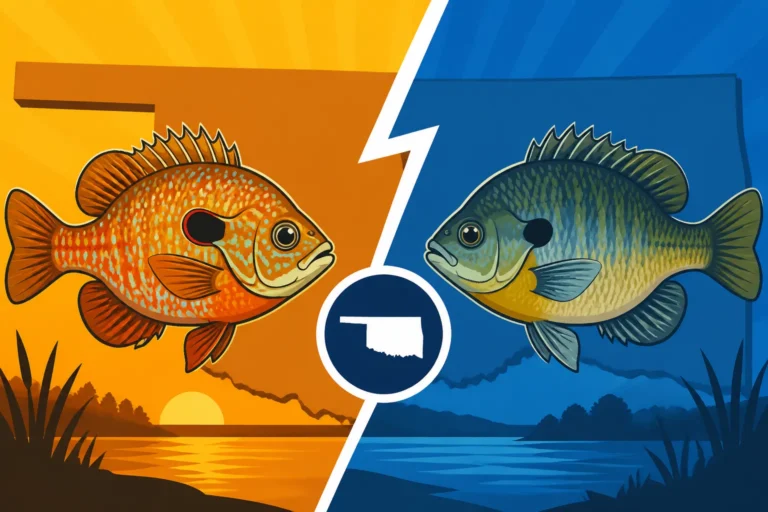
- Identification: Use the opportunity to teach them about the fish they've caught. Point out the Bluegill's Blue-Black Ear Flap vs the Green Sunfish's Olive Body, or explain where its eyes are, how it breathes, and why it has fins. This fosters curiosity and respect for nature.
- Catch and Release or Keep?: Decide beforehand if you're going to catch and release or keep some fish for dinner. If releasing, teach them how to handle the fish gently with wet hands and return it to the water quickly. If keeping, talk about sustainability and why we only take what we need.
- Photo Opportunities: Capture those proud moments with photos! A picture of a child holding their first fish is a cherished memory for years to come.
- Sharing the Story: Encourage them to share their fishing story with friends and family. This reinforces the positive experience and builds their confidence as budding anglers. This is an ideal way to reinforce the joy of fishing and encourage them to pursue it as a lifelong hobby. When they realize they're catching real fish, it provides invaluable motivation that might lead them to explore other species down the line.
Beyond the Catch: Cleaning and Cooking Your Oklahoma Bluegill
So, you've had a fantastic day, caught a bunch of bluegill, and now you're wondering what to do with them. Many anglers find the thought of cleaning fish daunting, but bluegill are actually quite easy to prepare for the dinner table. And let me tell you, there's nothing quite like the taste of fresh, pan-fried bluegill. They are definitely on the list of Best Fish to Catch and Eat in Oklahoma for good reason.
Basic Bluegill Cleaning Steps
Cleaning bluegill isn't as complicated as it might seem. With a sharp fillet knife, a cutting board, and a bit of practice, you'll be a pro in no time.
- Gather Your Tools: You'll need a sharp fillet knife (a 6-inch flexible blade is usually good), a sturdy cutting board, and a bucket of water or access to a hose for rinsing. Some people also like to use a fish scaler, but you can usually scrape off scales with the back of your knife.
- Scaling (Optional but Recommended): While some people skin bluegill, scaling is often easier and leaves more meat. Hold the fish firmly by the tail. Using the back (dull side) of your knife, scrape against the grain of the scales, from tail to head. The scales will fly off, so it's best to do this outdoors or in a sink you can easily clean. Rinse the fish thoroughly under cold water to remove any remaining scales.
- Gutting:
- Lay the fish on its side on the cutting board.
- Make a shallow cut along the belly, from the vent (small opening near the tail) up to the gill plate. Don't cut too deep, or you'll puncture the internal organs.
- Carefully open the belly cavity. Reach in and grasp the entrails, pulling them out. You might need to use your knife to sever any connections near the head.
- Scrape out any dark bloodline along the backbone with your thumbnail or the tip of your knife.
- Rinse the cavity thoroughly with cold water until it's clean.
- Removing the Head and Fins (Optional): Many people like to cook bluegill whole after gutting and scaling. However, if you prefer, you can use kitchen shears or your knife to remove the head, dorsal fin, and pectoral fins.
- Filleting (For the more adventurous): If you want boneless fillets, it's a bit more advanced but doable.
- Lay the scaled and gutted fish on its side.
- Make a cut behind the gill plate, down to the backbone.
- Turn the knife flat and slide it along the backbone, from head to tail, to separate the fillet from the bones.
- Repeat on the other side.
- If you scaled the fish, you can leave the skin on. If you prefer skinless, lay the fillet skin-side down, make a small cut at the tail end to separate a bit of skin, hold the skin firmly, and slide your knife between the skin and meat, pushing the knife away from you.
Once cleaned, pat your bluegill dry and refrigerate them or prepare them for cooking immediately.
Simple and Delicious Cooking Methods
Bluegill have a mild, sweet flavor and firm, white flesh, making them incredibly versatile in the kitchen. Simple preparation often yields the best results.
- Pan-Frying (The Classic Method): This is by far the most popular and delicious way to prepare bluegill.
- Dredge: Lightly dredge your whole, cleaned bluegill or fillets in a seasoned mixture. A simple mix of cornmeal, flour, salt, pepper, and perhaps a dash of garlic powder or cayenne pepper works perfectly.
- Heat Oil: Heat about 1/4 to 1/2 inch of cooking oil (vegetable, peanut, or canola oil are good choices) in a cast iron skillet or heavy-bottomed pan over medium-high heat. You want the oil hot enough to sizzle when you add the fish.
- Fry: Carefully place the fish in the hot oil. Don't overcrowd the pan. Fry for 3-5 minutes per side, or until golden brown and flaky. The internal temperature should reach 145°F (63°C).
- Drain: Remove the fish and place them on a plate lined with paper towels to drain excess oil.
- Serve: Serve immediately with a squeeze of fresh lemon, tartar sauce, and your favorite side dishes like hushpuppies, coleslaw, or French fries. It's truly a taste of Oklahoma summer!
- Baking or Broiling: For a lighter option, bluegill can also be baked or broiled.
- Prepare: Place cleaned, whole fish or fillets on a greased baking sheet.
- Season: Drizzle with olive oil or melted butter, and season with salt, pepper, garlic, and your favorite herbs (dill, parsley, or paprika work well). You can also add lemon slices.
- Cook: Bake at 400°F (200°C) for 10-15 minutes, or until the fish flakes easily with a fork. If broiling, keep a close eye on it, typically 5-8 minutes, turning once if needed.
- Grilling: Whole bluegill can also be grilled for a smoky flavor. Just make sure your grill grates are clean and well-oiled to prevent sticking. Place the seasoned fish in a fish basket or directly on the grates, turning once, until cooked through.
No matter how you prepare them, sharing a meal of freshly caught bluegill with family and friends is the ultimate reward for a successful fishing trip. It closes the loop on the entire experience, from the anticipation of the bite to the deliciousness on your plate.
Disclaimer
This article is for general informational purposes only and does not constitute professional advice. Laws, prices and regulations vary by location and change over time. Consult a qualified professional for guidance on your specific situation.