Green Sunfish Identification for Oklahoma Anglers
There's nothing quite like the tug on a line from a feisty panfish, especially when you're out enjoying the beautiful lakes and ponds of Oklahoma. But sometimes, once you get that fish in your hand, you might scratch your head and wonder, "What exactly did I just catch?" It's a common dilemma, particularly when trying to tell a green sunfish from its many similar-looking cousins. This guide is here to help you confidently identify the green sunfish, a common and often underestimated catch in our state's waters.
The Signature Look of the Green Sunfish: More Than Just "Green"
When you hear "green sunfish," your first thought might be a fish that's, well, vividly green. While they do often have a greenish hue, especially on their backs and sides, their coloration can actually be quite variable depending on the water clarity, diet, and even their mood. What really sets them apart are several distinct physical characteristics that, once you know them, make identification much easier. It’s all about looking beyond the general color and focusing on the details that truly matter.
General Body Shape and Size
Green sunfish are part of the sunfish family, and like many of their relatives, they have a somewhat deep, compressed body shape – meaning they're taller than they are wide. However, they tend to be a bit more robust and elongated than, say, a typical bluegill. Imagine a football that's been slightly flattened on the sides, and you're getting close. They don't typically grow very large, with most catches ranging from 4 to 7 inches, though bigger ones can certainly be found, especially in prime habitats. These smaller sizes make them a perfect target for youngsters or those just starting their fishing journey, as they're often plentiful and eager to bite. You'll find them in almost every small pond, creek, and even larger lake coves throughout Oklahoma.
The Tell-Tale Mouth and Jawline
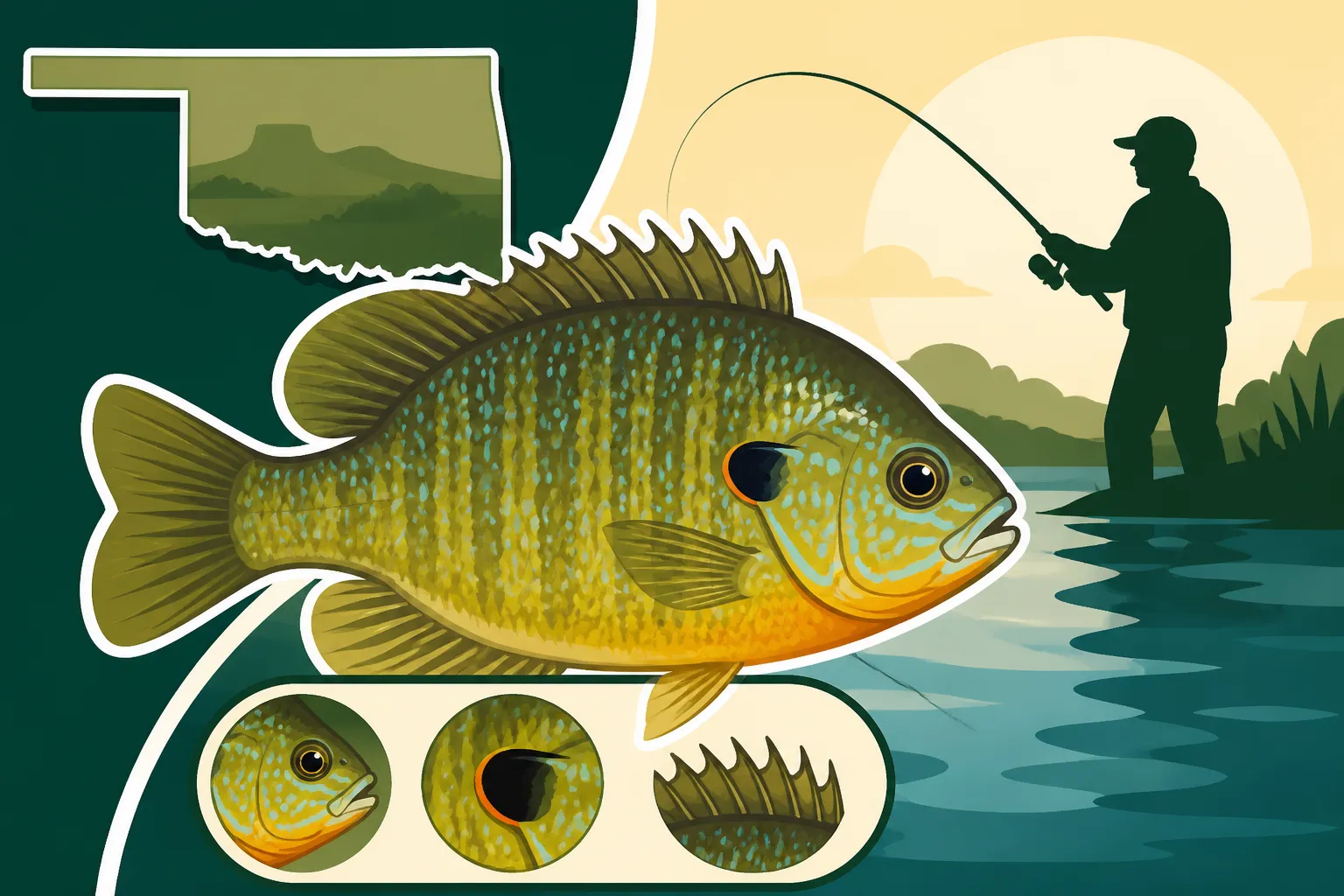
One of the absolute biggest giveaways for a green sunfish is its mouth. Unlike the smaller, almost dainty mouth of a bluegill, the green sunfish boasts a surprisingly large mouth for its size. If you hold the fish and gently extend its upper jaw, you'll notice that it extends back at least to the middle of its eye, and often even past the back edge of the eye. This larger mouth is a key adaptation, allowing them to eat a wider variety of prey, from insects and small minnows to crayfish. When you’re trying to distinguish between a green sunfish and a bluegill, this mouth size difference is often the first thing experienced anglers look for. It’s a very practical feature to know, especially if you’re trying to pick out the right bait or lure size from your tackle box, maybe one you ordered from Amazon.
Key Identification Features of the Green Sunfish
Alright, let’s get down to the nitty-gritty of what to look for when you've got a panfish in hand. These are the "must-know" features that will help you tell a green sunfish from just about any other sunfish species in Oklahoma. Paying attention to these details will make you a much more confident angler and help you understand the fish you're catching a little better.
The Opercular Flap: A Signature "Ear"
This is a classic sunfish identifier, and the green sunfish has a very distinctive one. The opercular flap is that little extension or "ear" that protrudes from the back of the gill cover. For a green sunfish, this flap is typically black, rigid, and has a noticeable light-colored, often yellowish or orange, margin or trim around the edge. It looks almost like it's been painted with a thin border. This is a crucial detail because other sunfish, like the bluegill, also have a black opercular flap, but theirs usually lacks this distinct, colorful trim. Think of it as a fancy earring that only the green sunfish wears. Learning this one feature can really help when you're wading through a school of panfish and trying to tell them apart quickly.
Pectoral Fins: Rounded and Short
Now, let's talk about the pectoral fins – those clear, almost fan-like fins located just behind the gill covers, on the sides of the fish. In a green sunfish, these fins are generally rounded at the tip and relatively short. If you were to press the fin forward against the side of the fish, it wouldn't reach much past the eye. This might seem like a small detail, but it’s another helpful clue, especially when comparing them to species like redear sunfish or even some hybrid sunfish, which might have more pointed or longer pectoral fins. It’s these subtle differences in fin shape and length that really add up to a solid identification.
Iridescent Spots and Wavy Lines
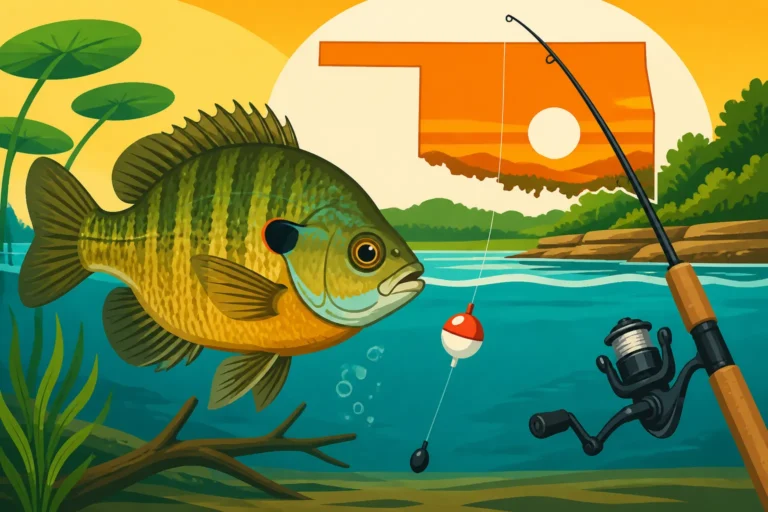
While "green" is in their name, their coloration is more complex and quite beautiful up close. On their sides, especially when they're fresh out of the water and flashing in the sunlight, you'll often see iridescent blue-green spots and wavy, almost chain-like lines. These patterns are particularly prominent on their cheeks and gill covers. It's not a solid block of color; instead, it's a shimmering mosaic that helps them blend into their diverse habitats, whether it's a rocky bottom, submerged timber, or thick aquatic vegetation. This is a feature that truly makes them stand out and provides another reliable way to confirm you’ve got a green sunfish. Sometimes, you can even spot these shimmering patterns in clearer water before you even cast your line!
The Dorsal Fin Spot
Take a good look at the dorsal fin – that's the fin on the back of the fish. Green sunfish typically have a prominent black blotch or spot at the posterior (rear) base of the soft-rayed part of the dorsal fin. It's not always huge, but it's usually there and fairly distinct. Think of it as a small, dark thumbprint near the tail end of their top fin. This spot, combined with the other features, creates a strong profile for identification. If you're flipping through an Amazon fishing guide on sunfish, you'll likely see this dorsal spot highlighted as a key characteristic.
Green Sunfish vs. Lookalikes: Avoiding Common Mix-Ups
It's easy to get confused when you're looking at a bunch of panfish. Green sunfish share many habitats with other sunfish species, and sometimes they even interbreed, leading to hybrid fish that can really throw you for a loop! The most common mix-ups are with bluegill and sometimes with the often-overlooked hybrid sunfish. Knowing the specific differences can save you a lot of guesswork.
Green Sunfish vs. Bluegill
This is probably the most frequent case of mistaken identity among Oklahoma anglers. Both are panfish, both are common, and both are often found in the same waters. However, they have some very clear distinctions.
The most obvious difference, as we discussed, is the mouth: Green sunfish have a large mouth that extends to or past the middle of the eye. Bluegill have a small, almost petite mouth that rarely extends past the front edge of the eye.
Next, look at that opercular flap, the "ear." The green sunfish's flap is black with a distinctive light-colored (often orange or yellow) margin. The bluegill's opercular flap is entirely black, with no margin or trim, and sometimes appears more flexible. It looks like a solid black "ear."
Finally, consider the body shape and coloration. Green sunfish are a bit more elongated and robust, with those iridescent blue-green spots and wavy lines on their cheeks and sides. Bluegill tend to be more round-bodied and compressed, with a general olive-green or bluish coloration, often showing vertical bars or "tiger stripes" on their sides. Some bluegill, especially males during spawning, will have bright orange on their bellies.
Here’s a quick comparison table to keep things straight:
| Feature | Green Sunfish | Bluegill |
|---|---|---|
| Mouth Size | Large; extends to or past middle of eye | Small; rarely extends past front edge of eye |
| Opercular Flap | Black with distinct light (yellow/orange) margin | Solid black, no distinct margin |
| Body Shape | More elongated, robust; football-like | More rounded, compressed; dinner plate-like |
| Coloration | Greenish back, iridescent blue-green spots/lines | Olive/blue-green, often with vertical bars |
| Dorsal Fin | Black spot at rear base of soft dorsal fin | Usually no distinct black spot |
| Pectoral Fins | Rounded, relatively short | More pointed, typically longer |
Understanding these differences is key, especially if you're trying to meet specific bag limits for a particular species. You don't want to accidentally keep too many of one kind when you thought you were catching another!
Green Sunfish vs. Hybrid Sunfish
Hybrid sunfish are often a cross between a green sunfish and a bluegill (or sometimes other sunfish species). They can be particularly tricky because they often display a mix of characteristics from both parent species, making them a real puzzle to identify. They're often stocked in ponds because they grow faster and are aggressive eaters, making for a fun catch.
A hybrid sunfish might have a mouth that's intermediate in size – not as large as a pure green sunfish, but bigger than a pure bluegill. Its opercular flap might have a slight light margin, but it won't be as clean and defined as a pure green sunfish's. Their body shape might also be somewhere in between, perhaps a bit more rounded than a green sunfish but not quite as deep-bodied as a bluegill. Coloration can also be a blend, often showing some of the iridescent spots of a green sunfish along with the vertical barring of a bluegill.
When you catch a fish that just "doesn't quite fit" the description of either a bluegill or a green sunfish, chances are you've landed a hybrid. They're often fun to catch because of their aggressive nature, but their identification can be a bit more of a challenge. If you're really interested in learning more about these blended beauties, a book on Oklahoma's 181 Fish Species: A Quick Overview would be a fantastic resource.
Why Proper Identification Matters for Oklahoma Anglers
You might think, "A fish is a fish, right?" And while any fish on the end of your line is a good time, knowing exactly what you've caught goes beyond just satisfying curiosity. Proper identification is important for several reasons, from following regulations to enhancing your overall fishing experience. It allows you to become a more informed and responsible angler, which is something we all strive for.
Understanding Regulations and Bag Limits
This is perhaps the most practical reason to know your green sunfish from your bluegill. Oklahoma, like many states, often has different regulations for different species, even within the panfish family. While panfish limits are generally quite generous, there can be specific rules for certain species or in particular bodies of water. For example, if you're targeting Crappie Fishing Rules and Limits in Oklahoma, those are distinct from sunfish rules. Knowing exactly what you’ve caught ensures you’re adhering to the law and contributing to sustainable fishing practices. Imagine accidentally exceeding a limit for one species because you misidentified it – that could lead to an uncomfortable conversation with a game warden. Always double-check the current regulations before heading out, especially if you plan on keeping your catch.
Targeting Specific Species More Effectively
Once you can accurately identify a green sunfish, you'll start to learn where they prefer to hang out and what they like to eat. For instance, green sunfish tend to be a bit more tolerant of murky or warmer water and are often found in shallower areas with some cover, like fallen trees or docks. Bluegill, on the other hand, might prefer slightly clearer water or different types of aquatic vegetation. Knowing these subtle preferences means you can tailor your approach – from selecting the right Best Bait for Bluegill in Oklahoma Ponds to picking specific fishing spots. If you're trying to catch a mixed bag, understanding each species' habits will make you a more versatile and successful angler. Sometimes, even the smallest difference in your lure, maybe a tiny jig you picked up on Amazon, can make all the difference.
Enhancing Your Fishing Knowledge and Experience
There's a deep satisfaction that comes from truly understanding the natural world around you, and fishing is no exception. Being able to confidently identify the fish you catch adds another layer of enjoyment to your time on the water. It turns every catch into a mini-biology lesson and deepens your appreciation for the diversity of Oklahoma's aquatic ecosystems. It also empowers you to learn more – you might find yourself looking up specific behaviors of green sunfish or researching Best Fishing Techniques for Beginners tailored to panfish. This knowledge also helps you share your passion with others, especially kids, who are naturally curious about the fish they catch. Teaching them the unique features of a green sunfish can spark a lifelong love for angling and conservation. Plus, it's just plain fun to know what you're reeling in!
Understanding Hybridization and Ecosystem Health
For those who dive deeper, knowing the difference between a pure green sunfish and a hybrid can sometimes offer clues about the health or management of a particular pond or lake. In some instances, a high number of hybrids might indicate specific stocking practices or even pressures on certain fish populations. While this is more advanced, starting with basic identification is the first step toward appreciating the intricate balance of aquatic ecosystems. It's a journey, and every fish you identify correctly is another step along the path to becoming a true expert. You might even find some fascinating information on Amazon about local fisheries management!
Tips for Better Identification on the Water
Identifying fish quickly and accurately, especially if you’re planning to release them, requires a bit of practice. Here are a few pointers to help you sharpen your skills the next time you're casting lines in Oklahoma.
Catch and Release Gently
When you land a fish you're unsure about, handle it as gently as possible. Wet your hands before touching the fish to protect its slime coat, which is crucial for its health. A firm but gentle grip allows you to examine its features without causing unnecessary stress or injury. A good pair of fish grippers can also help, especially for those spiny fins!
Observe Key Features Immediately
Once the fish is in hand, immediately look for the distinguishing characteristics we’ve discussed: the mouth size, the opercular flap margin, the body shape, and any prominent markings like the dorsal fin spot or iridescent lines. Don't waste time; the quicker you identify, the sooner you can get the fish back into the water if you're releasing it. A good tip is to try and observe these features even before you fully land the fish, if you can get a clear view.
Use a Field Guide or App
Keep a small, waterproof field guide or a fishing identification app on your phone handy. Many excellent resources are available that provide clear pictures and descriptions of various fish species, including Oklahoma's panfish. Sometimes a side-by-side comparison is all you need to confirm your suspicions. You can find several great compact field guides perfect for a tackle box or boat on Amazon.
Take a Photo
If you're still stumped and plan to release the fish, snap a quick, clear photo. Make sure to get good shots of its head, fins, and body shape. You can then review the photo later, compare it with guides, or even share it with experienced anglers in local online communities to get their opinion. This is a great learning tool and allows you to practice without keeping the fish out of water for too long.
Learn from Other Anglers
Don't be afraid to ask for help! If you're fishing with someone more experienced, ask them to point out the differences in species you catch. Most seasoned anglers are happy to share their knowledge. There’s a wealth of local knowledge to be found at boat ramps, bait shops, and even online forums. Engaging with the fishing community is one of the best ways to learn more about Oklahoma Fishing License Costs and Types or how to really dial in your crappie techniques.
By consistently applying these identification tips, you'll quickly become proficient at recognizing the green sunfish and all the other wonderful fish species that call Oklahoma home. It's all part of the journey, and a truly rewarding aspect of becoming a better, more knowledgeable angler.
Disclaimer
This article is for general informational purposes only and does not constitute professional advice. Laws, prices and regulations vary by location and change over time. Consult a qualified professional for guidance on your specific situation.