Do Trophy Alligator Gar Live in Oklahoma Rivers?
For many Oklahoma anglers, the thought of wrestling with a true freshwater monster is the stuff of dreams. You’ve probably heard whispers of colossal fish lurking in our deeper river bends, and when it comes to sheer size and prehistoric mystique, the Alligator Gar stands alone. But the big question that keeps many of us wondering is: do trophy Alligator Gar really thrive in Oklahoma’s rivers, or are those just tall tales? This guide will dive deep into the reality of finding and fishing for these magnificent giants in the Sooner State.
Understanding Alligator Gar in Oklahoma Waters
Let's get one thing straight: Alligator Gar are truly ancient fish. They've been swimming our waters for millions of years, and they command respect. When you're talking about Oklahoma, we're fortunate enough to be within their native range, but that doesn't mean they're everywhere, or that every gar you see is a record-breaker.
A Brief History of Gar in the Sooner State
It’s easy to look at an Alligator Gar and think they belong in a Jurassic Park movie, not a local river. But these incredible fish are a natural part of Oklahoma's aquatic ecosystem. For a while, during the 20th century, their populations faced significant decline due to habitat loss and negative perceptions that often led to indiscriminate killing. Many folks mistakenly believed gar were "trash fish" that harmed game fish populations. Thankfully, that mentality has largely shifted, and the Oklahoma Department of Wildlife Conservation (ODWC) has worked hard on conservation efforts, leading to a much healthier comeback for these species. It’s a testament to their resilience and the importance of understanding their role as apex predators in our rivers. They help keep other fish populations healthy by culling the weak and sick, playing a vital part in the natural balance.
Where Alligator Gar Call Home in Oklahoma
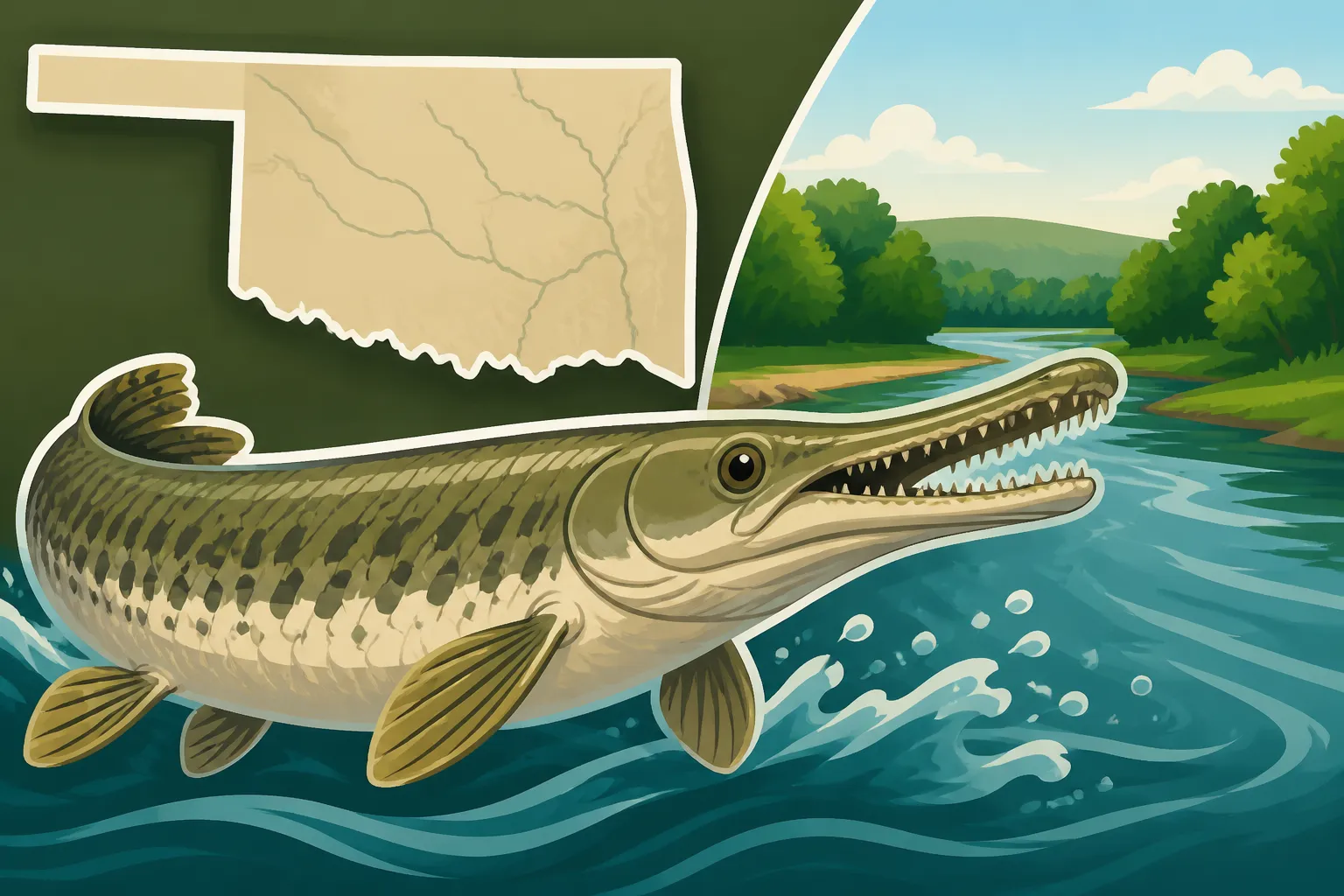
When we talk about Alligator Gar in Oklahoma, we’re almost exclusively talking about river systems. Unlike some of their smaller gar cousins, Alligator Gar prefer large, slow-moving river stretches, deep oxbows, and expansive backwater areas that offer plenty of ambush points and rich food sources. You won't typically find them in the deep, clear waters of our major reservoirs like Grand Lake or Tenkiller Ferry Lake, or even smaller lakes like Lake Murray, simply because those environments don't provide the same conditions they thrive in. Instead, think muddy, sluggish waters, areas with submerged timber, and places where smaller fish congregate. These riverine habitats are their true strongholds, offering them the space to grow to impressive sizes and the cover they need to hunt effectively.
What Makes a "Trophy" Alligator Gar?
So, what exactly defines a "trophy" Alligator Gar in the eyes of an angler? While any Alligator Gar is a significant catch, a true trophy usually refers to fish pushing the upper limits of their size potential. We're talking about specimens that can exceed 6 feet in length and weigh well over 100 pounds, sometimes even reaching into the 200-pound range. These are fish that demand heavy tackle, incredible patience, and a bit of luck. Landing one of these giants is often a once-in-a-lifetime experience, and the stories of their brute strength and endurance on the line are legendary. It's not just about the numbers; it's about the sheer power and the challenge of bringing such a magnificent creature to hand safely. You can get a better idea of just how big these fish can get by reading about How Big Do Alligator Gar Get in Oklahoma.
The Hunt for Trophy Alligator Gar in Oklahoma Rivers
The pursuit of a trophy Alligator Gar isn't just fishing; it's an expedition. It requires planning, specific knowledge, and a willingness to explore some of Oklahoma's more remote and wild river stretches.
Key River Systems for Giant Gar
If you’re dreaming of landing a truly massive Alligator Gar in Oklahoma, your focus needs to be primarily on the Red River system. This vast river, forming much of Oklahoma's southern border with Texas, is the undisputed king for these giants. Its sheer size, numerous backwater sloughs, deep holes, and abundant forage create the perfect environment for gar to grow to incredible proportions. Tributaries feeding into the Red River, particularly in the southeastern parts of the state, can also hold significant populations.
Another area with potential is the lower reaches of the Arkansas River system, especially where it merges with the Verdigris and Grand rivers before heading into Arkansas. While perhaps not as renowned as the Red River for the absolute largest specimens, these confluence zones and the slow-moving stretches can certainly harbor some very large gar. The key is to find areas with less current, plenty of cover, and a consistent food supply. These river systems are often vast and can be challenging to navigate, making local knowledge or a good guide invaluable.
Navigating the Challenges of River Gar Fishing
Fishing for trophy Alligator Gar in these environments is not for the faint of heart, or for those unprepared. First, access can be a real hurdle. Many of the best spots are in remote, undeveloped areas, requiring a robust boat capable of handling river currents and shallow areas, or a significant hike for bank anglers. You'll often be dealing with rugged terrain, thick vegetation, and potentially challenging wading conditions if you’re getting out of the boat.
Then there's the sheer size and power of the fish themselves. Hooking a 100-pound-plus fish means a battle that can last for an hour or more, testing both your physical endurance and your tackle. You'll need specialized, heavy-duty gear that can withstand immense pressure. Furthermore, gar fishing demands extreme patience. These fish aren't always actively feeding, and you might spend many hours or even days without a bite, only to have a monster suddenly grab your bait. It’s a game of waiting, strategy, and perseverance.
Best Times and Conditions to Target Trophy Gar
Timing is absolutely crucial when pursuing these river giants. Alligator Gar are cold-blooded, and their metabolism speeds up in warmer water. This means the late spring through early fall months are generally your best bet. As water temperatures consistently rise, gar become more active, feeding more frequently and moving into shallower areas to bask or hunt.
Look for stable weather patterns, ideally after a period of consistent warmth. A slight drop in river levels after a moderate rain can sometimes concentrate fish in deeper channels or oxbows. Early morning, late evening, and even night fishing can be particularly productive. Gar are often more active during these periods when water temperatures are cooler and they can move into shallower water under the cover of darkness to hunt. A calm, warm evening on the Red River can be electric with possibility.
Techniques and Gear for River Giants
You wouldn't bring a toy car to a NASCAR race, and you definitely shouldn't bring light tackle to an Alligator Gar hunt. These fish demand serious equipment and specialized techniques.
The Right Tackle for the Job
Forget your bass rods; for Alligator Gar, you need something akin to offshore saltwater gear. We're talking about heavy-action boat rods, often 6 to 8 feet long, with a strong backbone capable of handling immense strain. Match these rods with large, conventional baitcasting reels designed for big game, capable of holding hundreds of yards of heavy line. Many anglers opt for braided line, commonly in the 80 to 150-pound test range, for its incredible strength and minimal stretch, which helps with hook sets.
Perhaps the most critical piece of tackle is your leader. Gar have incredibly bony mouths and razor-sharp teeth, making a standard monofilament or fluorocarbon leader completely inadequate. You need steel leader material, often 100-pound test or more, or even heavy cable leader. Many anglers make their own, ensuring strong swivels and snaps that won't fail under pressure. This robust setup is non-negotiable if you want to land one of these giants and avoid frustrating break-offs. If you're looking to compare the kind of gear needed, consider what's discussed in Best Rod for Catfish Fishing From a Boat – and then imagine going even heavier. For online purchases, many anglers find a good selection of heavy-duty rods and reels on Amazon that fit the bill.
Preferred Baits and Rigs
Alligator Gar are primarily piscivores, meaning they eat other fish. So, it makes sense that large cut bait is king. Common choices include fresh-cut carp, buffalo, drum, or gizzard shad. The fresher, the better, as the scent trail is crucial for attracting these often-lazy predators. You’ll want large chunks, sometimes half a fish, rigged to present a substantial meal.
Live bait can also be incredibly effective, especially large carp or suckers, fished under a float or on the bottom. The movement of live bait can trigger an aggressive strike that still bait might not. As for rigging, a simple bottom rig with a heavy pyramid or flat sinker (often 8 ounces or more to hold in current) is common. The hook should be a large, stout circle hook, typically an 8/0 to 12/0, which helps in hooking the gar in the corner of the mouth, making for easier and safer release. Some anglers also use a float rig in areas with less current, allowing the bait to suspend at a specific depth.
Specialized Approaches for Trophy Alligator Gar
Catching an Alligator Gar is different from catching most other game fish. When a gar takes the bait, they often "mouth" it for a while before fully committing. It's crucial to be patient and let the fish take the bait deep into its mouth before setting the hook. Many experienced gar anglers wait for the line to steadily peel off the reel for a good 10-20 seconds before winding down and setting the hook with a strong, sweeping motion.
Beyond rod and reel, other methods are used to target gar. Bowfishing for gar is popular in Oklahoma, particularly during warmer months when they are often seen basking in shallow water. It offers a different kind of thrill and is effective for harvesting fish. Another method, though much more specialized and requiring permits and a high degree of caution, is noodling or hand-fishing for flathead catfish, but it's important to know that noodling for Alligator Gar is generally not permitted and highly dangerous due to their teeth. Always check current regulations regarding methods for Alligator Gar Fishing in Oklahoma.
Conservation and Responsible Gar Fishing
As anglers, we have a responsibility to ensure that future generations can experience the thrill of targeting these magnificent fish. This means understanding and adhering to regulations, practicing responsible catch-and-release, and supporting conservation efforts.
Oklahoma's Alligator Gar Regulations
The Oklahoma Department of Wildlife Conservation (ODWC) has specific rules in place to manage the Alligator Gar population and ensure its sustainability. For Alligator Gar, the statewide daily bag limit is generally one fish per day. This is a crucial regulation that helps protect the population of these slow-growing, long-lived fish. There isn't a statewide minimum length limit for Alligator Gar, but because of their size and the one-fish daily limit, anglers often self-regulate, aiming for larger, more mature specimens.
It's absolutely vital to be aware of and abide by these regulations. Fishing without a proper license or exceeding bag limits can result in significant fines and penalties. Game wardens actively patrol our rivers and lakes, and they're there to protect our natural resources. Always double-check the current Oklahoma Fishing Regulations Guide before you head out, as rules can sometimes be updated. Understanding Fishing Regulations You Need to Know in Oklahoma is part of being a responsible angler, and that includes knowing Oklahoma's Catfish Fishing Rules and Limits and other species' limits, even when you're targeting gar.
Practicing Catch and Release for Future Generations
While you are allowed to keep one Alligator Gar per day, many trophy anglers choose to practice catch and release, especially for the largest specimens. These enormous fish represent decades of growth and are vital to the breeding population. Releasing them ensures they can continue to contribute to the health of the fishery.
However, handling a large Alligator Gar requires specific precautions for both the angler and the fish. Their mouths are full of sharp teeth, and their bodies are covered in heavy, bony scales.
- Safety First: Always wear heavy-duty gloves when handling a gar. Use long-nosed pliers or a de-hooking tool to remove the hook, minimizing contact with their mouth.
- Minimize Time Out of Water: Get photos quickly. The longer a fish is out of the water, the more stressed it becomes.
- Support Their Weight: If you lift the fish for a photo, support its body horizontally. Never lift a large gar vertically by its head or tail, as this can cause internal damage.
- Revival: Hold the fish gently in the water, facing into any current, until it regains its strength and swims away on its own. It might take a few minutes for a large fish to recover, so be patient.
Responsible handling ensures that the fish has the best chance of survival after being caught, allowing it to continue its role in the ecosystem and providing a challenge for another angler someday.
Supporting Gar Conservation Efforts
The return of the Alligator Gar to healthier populations in Oklahoma is a conservation success story, and anglers play a significant role in its continuation. By adhering to regulations, practicing ethical fishing, and reporting your catches (especially unusually large ones) to the ODWC, you contribute valuable data that helps biologists manage the species. Engaging with local conservation groups or simply spreading accurate information about these magnificent fish helps dispel old myths and fosters a greater appreciation for their unique place in our waters. These efforts ensure that future generations of anglers will also have the opportunity to pursue the elusive trophy Alligator Gar.
Real-World Experiences and the Thrill of the Hunt
The pursuit of a trophy Alligator Gar is more than just a fishing trip; it's an adventure into the heart of Oklahoma's wild places, culminating in a primal battle of wills between angler and ancient predator.
Tales of Oklahoma's Giant Gar Encounters
Imagine this: You’re anchored in a murky bend of the lower Red River, the sun dipping below the horizon, painting the sky in fiery oranges and purples. You’ve had lines out for hours, maybe catching a few smaller catfish, but your mind is on that one truly massive gar. Suddenly, your heavy-duty rod, which has been sitting motionless for what feels like an eternity, slowly starts to bend. Not a sharp tug, but a deliberate, powerful pull. You watch as line steadily peels off the big conventional reel, twenty, thirty, forty yards. You know this isn't a common catfish.
You tighten down, crank, and swing, feeling the solid thud of the hook setting into something impossibly heavy. The fight is on. The fish doesn't jump; it just pulls, relentlessly, with an almost unstoppable power. It might take twenty minutes, an hour, or even longer, as you trade inches of line, pumping and reeling, your arms burning. Finally, a massive, scaly form surfaces beside the boat – a prehistoric behemoth, jaws lined with formidable teeth, eyes reflecting the dimming light. The sheer awe of seeing an Alligator Gar of such size is unforgettable, a true testament to the hidden wonders of Oklahoma's rivers. These aren't mere fish; they're living legends.
The Elusive Nature of Trophy Catches
It's important to set realistic expectations when chasing trophy Alligator Gar. These fish are not only rare but also incredibly intelligent and wary. You can spend many trips on prime gar waters, deploying perfect bait and heavy tackle, and still come up empty-handed. The elusive nature of truly massive specimens is part of what makes the pursuit so thrilling. It's not a numbers game; it's about the challenge, the patience, and the profound satisfaction when all the stars align for that one incredible encounter.
Don't be discouraged by empty days. Every cast is a possibility, and every trip builds your understanding of these fascinating creatures and their habitat. It's about enjoying the process, the solitude of the river, and the sheer anticipation of what might be lurking beneath the surface. For many, the joy comes just from the pursuit, from knowing that these ancient predators still swim in our waters.
Why Alligator Gar are So Fascinating to Oklahoma Anglers
There's something uniquely captivating about Alligator Gar. Perhaps it's their primordial appearance, a living fossil that connects us to a time long past. Perhaps it's their incredible strength and resilience, surviving in environments that would test many other species. Or maybe it's the sheer challenge they present to even the most seasoned angler.
They are apex predators, perfectly adapted to their riverine homes, with a stealthy hunting style and an explosive strike. They are a true testament to the wildness that still exists in Oklahoma. For those who seek the ultimate freshwater fishing challenge, the Alligator Gar offers a unique blend of mystery, power, and prehistoric allure that few other fish can match. They aren't just fish; they're a symbol of Oklahoma's rich and diverse aquatic heritage, and the hunt for a trophy specimen is an experience that stays with an angler forever.
| River System | Primary Alligator Gar Potential | Key Characteristics | Access & Navigation Challenges |
|---|---|---|---|
| Red River | High (Trophy-sized common) | Large, slow-moving, muddy sections; numerous oxbows, backwaters; abundant forage (carp, buffalo). | Often remote, limited ramps, requires robust boat; strong currents in main channel; shallow areas. |
| Arkansas River | Moderate to High | Wide river, slower flows in lower sections; confluence zones with tributaries (Verdigris, Grand); deep holes and structure. | More developed access points in some areas; commercial traffic; can have significant current. |
| Lower River Tributaries | Moderate | Smaller scale versions of larger rivers; slower current, more structure, potential for hidden deep pockets. | Can be very remote, difficult boat access, often requiring smaller craft or extensive bank fishing. |
Disclaimer
This article is for general informational purposes only and does not constitute professional advice. Laws, prices and regulations vary by location and change over time. Consult a qualified professional for guidance on your specific situation.