Which Fish Species Were Introduced to Oklahoma Waters
It's a common question I hear out on the water, especially from folks new to fishing in the Sooner State: "Are all these fish actually from here?" It's easy to assume every finned friend you pull from an Oklahoma lake or river is a native, but the truth is, many of our most popular and exciting game fish were actually introduced over the years. This can sometimes lead to confusion about regulations, or even just curiosity about how certain species ended up thriving in our waters. This guide will take a deep dive into the fascinating history of which fish species were introduced to Oklahoma waters, why they were brought here, and what impact they've had on our angling scene.
The Why Behind Introduced Species in Oklahoma
The idea of moving fish from one body of water to another, or even from one part of the world to an entirely new continent, might seem a bit odd at first glance. However, there's a long history of fishery managers and even private citizens doing just that, often with good intentions. In Oklahoma, the motivation for introducing new fish species has typically revolved around enhancing fishing opportunities and, in some cases, providing new food sources.
Stocking for Sport and Food
Think about it: back in the day, if a lake or river didn't naturally support a robust population of a particular desirable game fish, what's a fishing enthusiast to do? For many years, the answer was often to introduce a species that could thrive in that environment and create a new fishery. The Oklahoma Department of Wildlife Conservation (ODWC) and its predecessors have played a crucial role in this process, carefully considering which species might do well and benefit anglers.
For instance, some of our massive reservoirs, built for flood control or power generation, created vast open-water habitats that weren't ideal for native species like largemouth bass, which prefer more structure. This opened the door for species that love open water. The goal was always to provide more opportunities for anglers to catch exciting fish and to diversify the fishing experience. Sometimes, it was also about introducing fish that grew quickly or were considered good table fare, adding another dimension to the local food supply. These management decisions, often made decades ago, have shaped the incredible variety we enjoy today.
Accidental Introductions and Their Impact
While many introductions were intentional and well-documented by state agencies, not all non-native fish arrived with a grand plan. Sometimes, species found their way into Oklahoma waters purely by accident. The most common culprit? The humble bait bucket. An angler might bring live bait from one region, fish a new lake, and then dump the unused minnows or shad into the water. If those "bait fish" happen to be a different species than the natives, and they find conditions suitable, they can establish a new population.
Another source, though less frequent, comes from the aquarium trade. When people grow tired of their exotic pet fish, some unfortunately choose to release them into local ponds or lakes rather than finding a new home. While many of these tropical species won't survive Oklahoma's winters, some hardy ones can adapt and even breed. These accidental introductions, while often harmless, sometimes introduce diseases or parasites that native fish have no immunity to, or they can outcompete native species for food and habitat. It's why there's such an emphasis on never releasing any non-native organisms into local waterways.
Key Introduced Game Fish Species in Oklahoma
Oklahoma's angling landscape has been profoundly shaped by the introduction of several key game fish. These species weren't originally found in our state's waters but have since become some of the most sought-after catches, defining entire fisheries and attracting anglers from far and wide.
The Mighty Striped Bass and its Hybrids
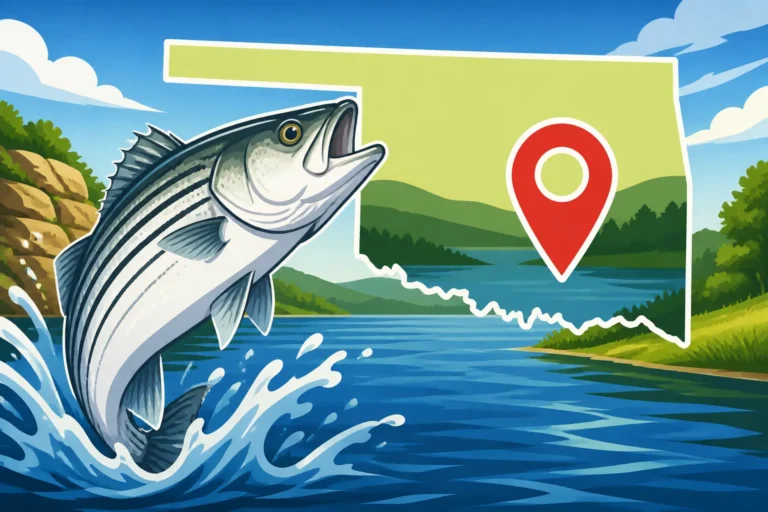
Perhaps no introduced species has had as dramatic an impact on Oklahoma fishing as the striped bass. These powerful, ocean-going fish were first introduced to Lake Texoma in the 1960s, a testament to the foresight of fishery managers looking to utilize the lake's vast, deep, open-water environment. Native to saltwater and brackish estuaries, "stripers" as they're affectionately known, found the conditions in Texoma—a large, relatively salty reservoir fed by the Red and Washita rivers—surprisingly suitable for reproduction. They are one of the few places in the world where a landlocked striped bass population naturally reproduces.
Striped bass are absolute beasts of a fish, known for their incredible fighting power and willingness to chase down schooling baitfish. They grow to impressive sizes, offering a thrilling challenge for any angler. Beyond Lake Texoma, stripers have been successfully stocked in other large reservoirs like Keystone and Kaw lakes, creating incredible fisheries there as well, though these populations often require continuous stocking.
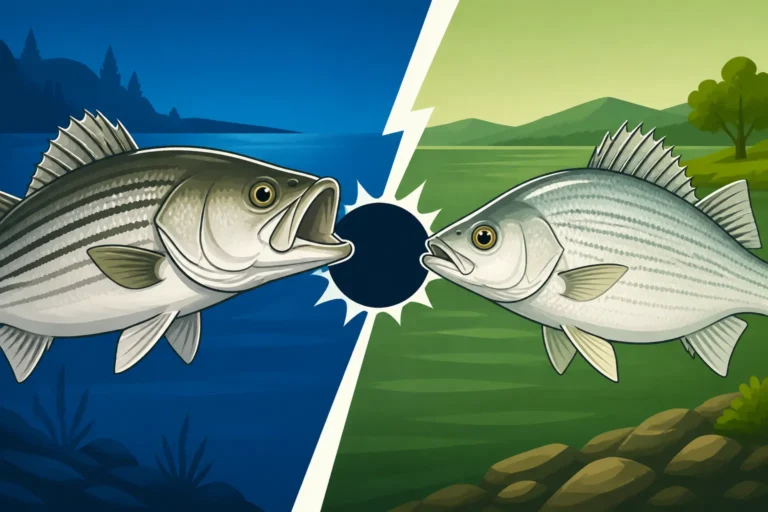
To add to the excitement, fishery biologists also developed the "hybrid striped bass," often called "wipers." These are a cross between a striped bass and a white bass. Hybrids were introduced to even more Oklahoma lakes, like Lake Eufaula and Skiatook Lake, because they grow faster than white bass, tolerate a wider range of conditions than pure stripers, and still offer a fantastic fight. They're a true success story in providing diverse fishing opportunities. If you're wondering how to tell them apart, check out Striped Bass vs White Bass: What's the Difference. These fish weren't part of Oklahoma's original aquatic tapestry, but they've become an iconic part of it. The story of their journey to Oklahoma is a fascinating one, detailed further in How Striped Bass Came to Oklahoma: An Introduced Species.
Walleye, Sauger, and Saugeye: Northern Delights
When you think of Oklahoma, you might not immediately picture walleye, a fish often associated with northern states and Canada. However, walleye were introduced to Oklahoma waters to diversify our sportfishing opportunities, particularly in large, clear reservoirs where they could thrive. They're known for their delicious white meat and their preference for deeper, cooler water, often becoming active at dawn, dusk, or at night.
Sauger, another member of the perch family and a close cousin to the walleye, has also been introduced to certain river systems and reservoirs in Oklahoma, particularly below dams where current is present. Sauger are typically smaller than walleye but offer a similar challenge and table fare.
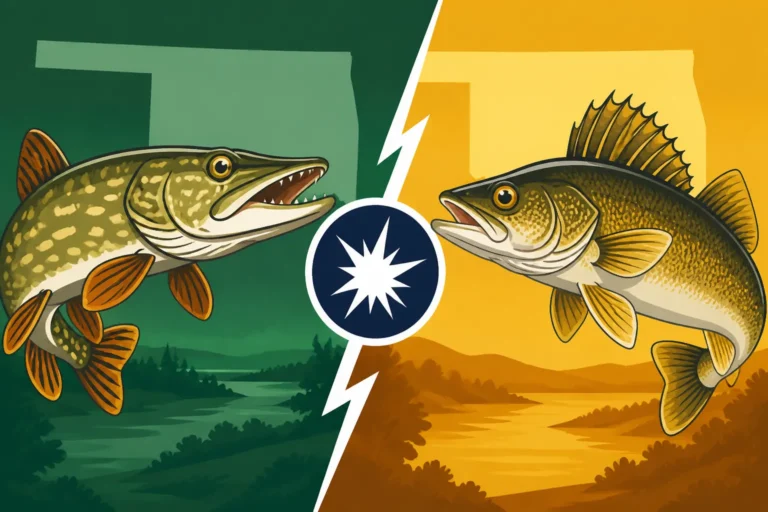
Perhaps the most unique introduction in this family is the "saugeye," a hybrid cross between a female walleye and a male sauger. Saugeye were specifically developed and stocked in many Oklahoma lakes to combine the best traits of both parent species: the faster growth rate and larger size of the walleye, with the hardiness and adaptability of the sauger to more turbid (cloudy) waters. They've established excellent fisheries in places like Canton Lake and Fort Supply Lake. Telling these three apart can sometimes be a fun challenge, so you might find Walleye, Sauger and Saugeye: Oklahoma's Cousin Fish helpful for identification. These species provide a distinct and rewarding fishing experience that simply wouldn't exist without their introduction.
The Resilient Rainbow Trout
While Oklahoma isn't exactly famous for its mountain streams teeming with native trout, we do have a vibrant, albeit localized, trout fishery thanks to intentional introductions. Rainbow trout, a species native to western North America, are stocked regularly in specific cold-water environments throughout the state. These "put-and-take" fisheries provide year-round angling opportunities for a fish that requires very specific, cool water temperatures to survive.
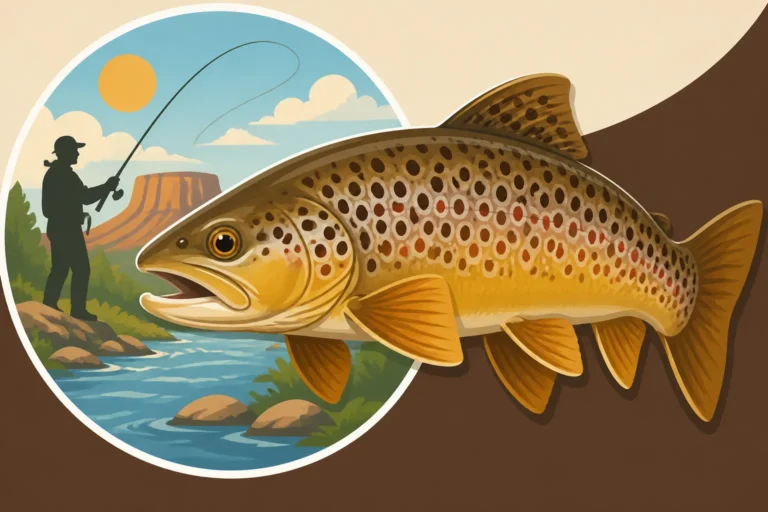
The most prominent trout fisheries are located in the tailwaters below certain dams, where the released water from the bottom of the reservoir is consistently cold enough for trout to thrive. Prime examples include the Lower Mountain Fork River below Broken Bow Lake, the Illinois River below Lake Tenkiller, and sections of the Blue River. The ODWC regularly stocks these areas, often several times a month during cooler periods, ensuring a fresh supply of fish for anglers. This means you can enjoy trout fishing in Oklahoma, even though these beautiful, spotted fish aren't native to our historical waterways. It's a fantastic way to experience a different kind of fishing without having to travel far. To learn more about how these populations are managed, including the occasional stocking of brown trout, check out Trout Fishing in Oklahoma: Rainbow and Brown Trout.
Other Notable Non-Native Fish and Their Stories
Beyond the celebrated game fish, a few other non-native species have found a home in Oklahoma, some with a long history and others representing more recent, often problematic, arrivals. Understanding these helps complete the picture of our aquatic ecosystems.
Common Carp and the Buffalo Fish
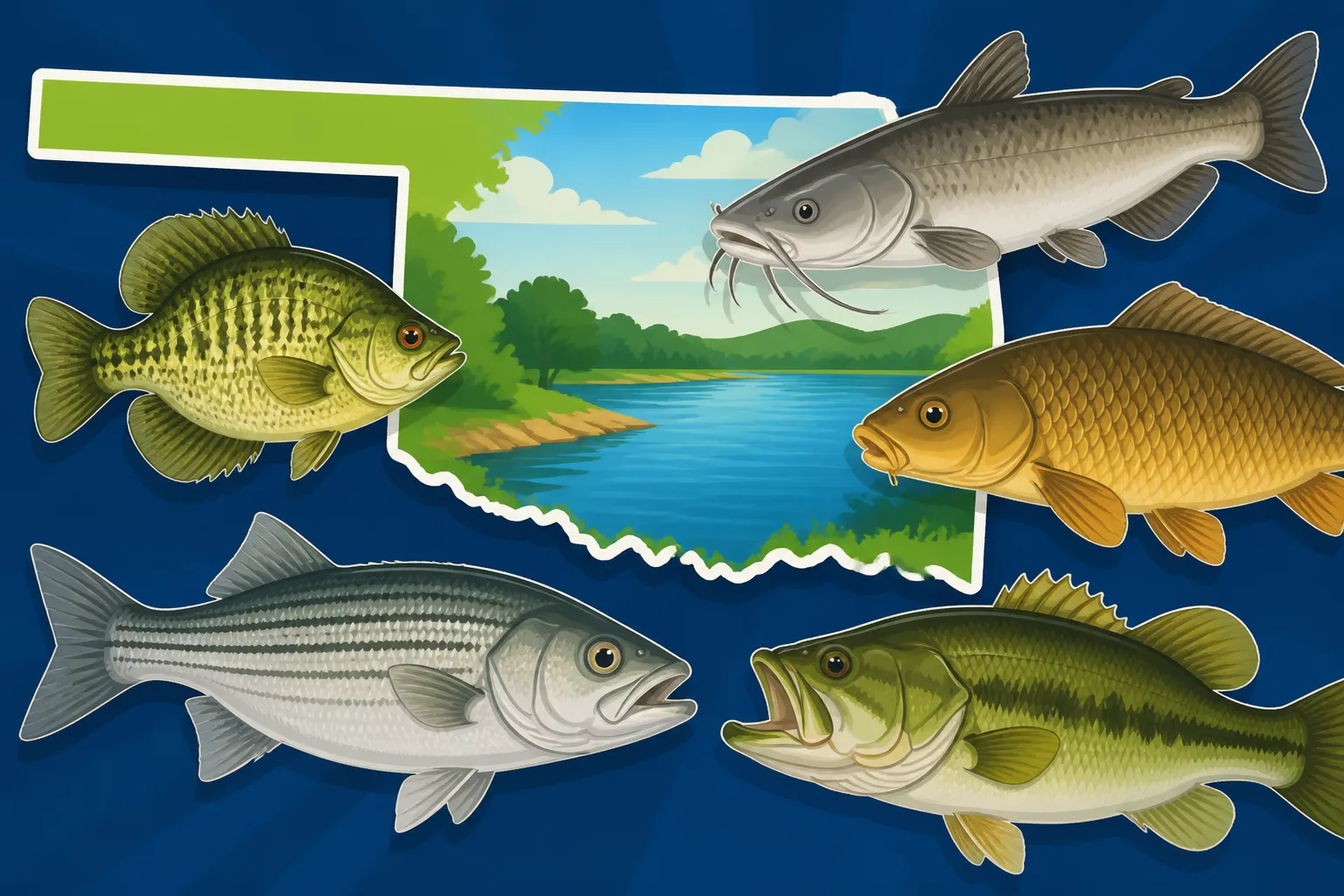
The common carp is a fish with a long and storied history, though not always a positive one in the eyes of every angler. Originating from Europe and Asia, carp were widely introduced across the United States in the late 19th century, primarily as a food fish. They are incredibly hardy, can tolerate a wide range of water quality conditions, and reproduce prolifically. As a result, they quickly established themselves in nearly every waterway in Oklahoma.
While not traditionally considered a "game fish" by all, carp are extremely strong fighters and have a dedicated following among some anglers who appreciate their challenge. They are also an important food source in many cultures. However, their bottom-feeding habits can stir up sediment, and their sheer numbers can sometimes outcompete native species for food resources. It's important to differentiate them from our native buffalo fish (bigmouth, smallmouth, and black buffalo), which are often mistaken for carp due to their similar appearance and bottom-dwelling nature. Buffalo are native, important components of our aquatic ecosystems, and also prized by some for their size and meat.
Exotic Species and the Aquarium Trade
Unfortunately, the problem of accidental and sometimes intentional releases extends beyond just bait fish. With the popularity of home aquariums, various exotic species not meant for Oklahoma's outdoor waters occasionally find their way into ponds, lakes, and rivers. These can range from tropical cichlids (like tilapia, which have established populations in warmer parts of some southern states), to pacu (a South American relative of the piranha, though herbivorous), and even goldfish, which are a domesticated form of common carp.
Most of these species cannot survive Oklahoma's cold winters, and populations often die out. However, some hardy species can persist, especially in waters warmed by industrial outflows or power plants. Releasing these aquarium pets can be detrimental. They might introduce diseases, compete with native fish for food, or even disrupt the local food web. It's a stark reminder that what seems like a kind act—giving a fish "freedom"—can have unforeseen and damaging consequences for our natural environment. It's always best to find a proper rehoming solution or, as a last resort, humanely euthanize an unwanted aquarium fish rather than releasing it. You can often find great resources on websites like Amazon for proper aquarium care or rehoming assistance.
Understanding the Balance: Native vs. Non-Native
Navigating the waters of introduced species isn't just about identifying what's what; it's about understanding the delicate balance of our ecosystems and our role in maintaining them. Oklahoma's fishing scene is incredibly rich, thanks to both our native species and the successful introduction of others, but it requires careful management and angler responsibility.
The Role of Conservation
The Oklahoma Department of Wildlife Conservation (ODWC) constantly works to manage our fisheries, both native and introduced. This involves ongoing research to understand the populations of various species, their interactions, and the health of their habitats. For introduced species, the goal is often to sustain a healthy population for recreational fishing without negatively impacting native species or the ecosystem's overall health.
This balancing act is why regulations are so critical. Bag limits, size restrictions, and season closures are not arbitrary rules; they are carefully crafted management tools designed to protect fish populations and ensure sustainable fishing for future generations. For example, while you might be able to keep a generous number of crappie or channel catfish, the regulations around species like striped bass or walleye might be more restrictive to ensure their long-term health. Understanding Fishing Regulations You Need to Know in Oklahoma is paramount for any angler. The ODWC also educates the public about preventing further harmful introductions and encourages responsible angling practices, which ultimately benefits all species, native and non-native alike.
Angler's Perspective and Responsibility
As anglers, we have a vital role to play in this ongoing conservation effort. First and foremost, it's about education. Knowing Oklahoma's 181 Fish Species: A Quick Overview helps you appreciate the biodiversity in our waters. Being able to identify what you've caught, understanding its origins, and knowing the specific regulations that apply to it are fundamental responsibilities. If you're unsure about a species, the ODWC provides excellent resources on their website, often with detailed identification guides.
Furthermore, responsible angling means never moving live fish from one body of water to another. This includes baitfish. What might seem like a small minnow could carry diseases or become an invasive species in a new environment, potentially devastating native populations. If you're done with your bait for the day, dispose of it properly, not in the lake.
Embracing the diversity that introduced species bring to our fishing opportunities is wonderful, but it comes with a commitment to protecting our natural resources. Whether you're targeting a native largemouth bass in a secluded farm pond or wrestling with an introduced striped bass in the vastness of Lake Texoma, being informed and responsible ensures that the joys of Oklahoma fishing will continue for everyone. It's truly a shared experience, and our actions today shape the waters of tomorrow.
| Introduced Species Group | Primary Purpose of Introduction | Example Oklahoma Waterways | Key Characteristics |
|---|---|---|---|
| Striped Bass/Hybrids | Sport fishing, open water habitat utilization | Lake Texoma, Keystone, Eufaula | Fast growing, strong fighters, schooling behavior |
| Walleye/Sauger/Saugeye | Sport fishing, diversify angling options | Canton, Kaw, Fort Supply | Delicious table fare, often nocturnal/crepuscular |
| Rainbow Trout | Put-and-take sport fishing, cold-water recreation | Lower Mountain Fork, Illinois River | Requires cold, oxygenated water, annual stocking |
| Common Carp | Food source (historical), bio-control (some areas) | Nearly all lakes and rivers | Hardy, bottom-feeding, large size potential |
Disclaimer
This article is for general informational purposes only and does not constitute professional advice. Laws, prices and regulations vary by location and change over time. Consult a qualified professional for guidance on your specific situation.