What Is the Easiest Fish to Catch in Oklahoma
If you're new to the angling scene in Oklahoma, or perhaps you're just looking for a relaxing day on the water with consistent bites, the sheer variety of fish can feel a little overwhelming. What you really want is to feel that satisfying tug on your line, and you don't want to spend all day figuring out complex techniques or investing in a mountain of specialized gear. This guide is all about simplifying your fishing experience, pointing you directly to the easiest fish to catch in Oklahoma, ensuring a fun and rewarding outing every time.
Panfish: Your Go-To for Consistent Action
When most folks talk about "easy fish," they're often thinking about panfish. These smaller, abundant species are perfect for beginners, kids, or anyone who just wants to feel a bend in their rod. They're widespread, generally not too picky about what they eat, and they don't require super fancy gear to entice a bite.
Bluegill: The Ultimate Beginner Fish
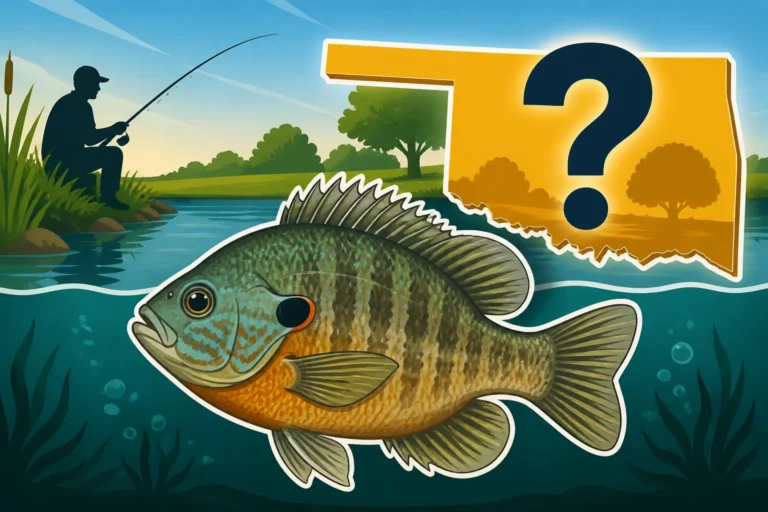
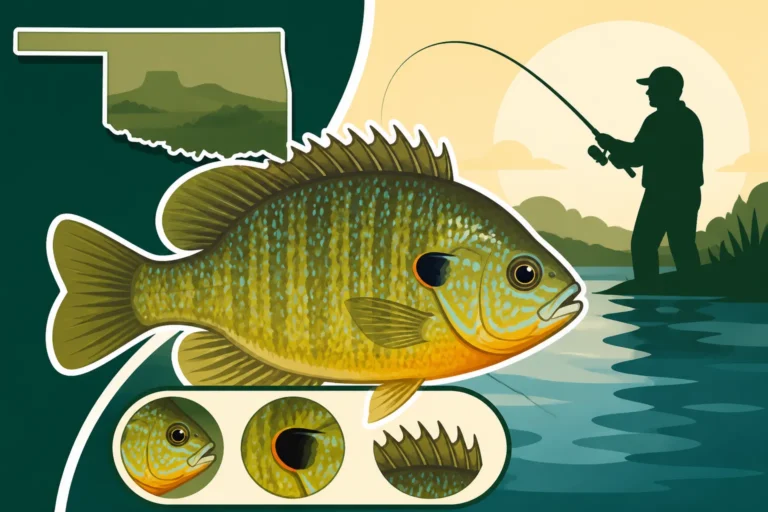
Let's be honest, if you're looking for the absolute easiest fish to catch in Oklahoma, the bluegill is probably going to be at the top of your list. These little powerhouses are incredibly common in nearly every pond, creek, and lake across the state, and they're notoriously aggressive biters. You don't need to be a seasoned pro with years of experience to hook into a bluegill. Their willingness to strike makes them ideal for introducing newcomers, especially children, to the joys of fishing.
Bluegill love to hang around structure in shallow water. Think about fallen trees, weed beds, docks, or even just areas where the bottom changes, like a drop-off near the bank. They're often found in large schools, so if you catch one, chances are there are many more waiting in the same spot. A simple setup is all you need: a light spinning rod, a small hook (size 8 or 10 works great), a split shot weight a few inches above the hook, and a small bobber to signal bites. For bait, nothing beats a classic live worm or piece of a nightcrawler. Crickets, grasshoppers, or even small pieces of bread can also do the trick. Just cast it out, wait for the bobber to dip, and set the hook! They put up a surprising fight for their size, which is a blast, and they're quite tasty if you decide to keep a few for dinner. You can find more tips on Bluegill Fishing for Beginners.
Green Sunfish: Another Feisty and Forgiving Option
Closely related to bluegill, the green sunfish is another excellent choice for easy fishing in Oklahoma. While they might not be as widely distributed in every single body of water as bluegill, they are incredibly prevalent in smaller ponds, slow-moving creeks, and the shallow, often muddier, sections of larger lakes. What makes them so easy to catch? Much like their bluegill cousins, green sunfish are not particularly shy and will readily attack a variety of baits. They're often found in the same areas as bluegill, hiding near submerged brush, rocky banks, or under overhanging vegetation.
They're perhaps a bit more aggressive and less particular than bluegill, often hitting baits with a vengeance. If you've got a small pond with a lot of green sunfish, you can sometimes literally catch them one after another. Your bait and tackle setup for green sunfish is virtually identical to what you'd use for bluegill: small hooks, a little weight, and a bobber. Worms are king, but don't be afraid to try small pieces of hot dogs or even bread. They might not grow as large as some bluegill, but their consistent action makes them a fantastic target for a relaxed day of fishing. It's interesting to compare them; sometimes it's hard to tell the difference, but we have a guide for that: Green Sunfish vs Bluegill: How to Tell Them Apart.
Crappie: Abundant and Fun, with a Slight Learning Curve
Now, crappie aren't quite as "mindlessly easy" as bluegill or green sunfish, but they are incredibly abundant in Oklahoma and offer a fantastic, often fast-paced, fishing experience once you find them. There are both black and white crappie in Oklahoma waters, and they are highly sought-after for their delicious taste. The key to easy crappie fishing is locating their schools, and once you do, you can often catch quite a few in short order. They tend to school up around submerged brush, timber, bridge pilings, or other forms of underwater structure.
Crappie respond very well to small jigs, often tipped with a tiny plastic grub or a live minnow. A classic method is to use a small jig or minnow under a bobber, fishing it slowly around structure. If you have a boat and a fish finder, you can locate schools suspended in deeper water, but they are very accessible from the bank too, especially during the spring spawn when they move into shallower areas. Crappie Fishing in Oklahoma: Black and White Crappie goes into more detail about these popular panfish. For those looking for consistent action and excellent table fare, crappie are an outstanding choice that offers a bit more challenge than sunfish but still falls firmly into the "easy to catch" category. A simple light action rod and reel combo is perfect for them, and you can explore options like the ones for Best Rod and Reel Combo for Crappie Fishing.
Catfish: The Patient Angler's Reward
While panfish offer consistent, small-scale action, catfish provide a different kind of easy fishing: the relaxed, sit-back-and-wait approach, often yielding larger, hard-fighting fish. Oklahoma is a catfish paradise, and these whiskered beauties are surprisingly easy to catch if you know what they like.
Channel Catfish: Widespread and Willing Biters
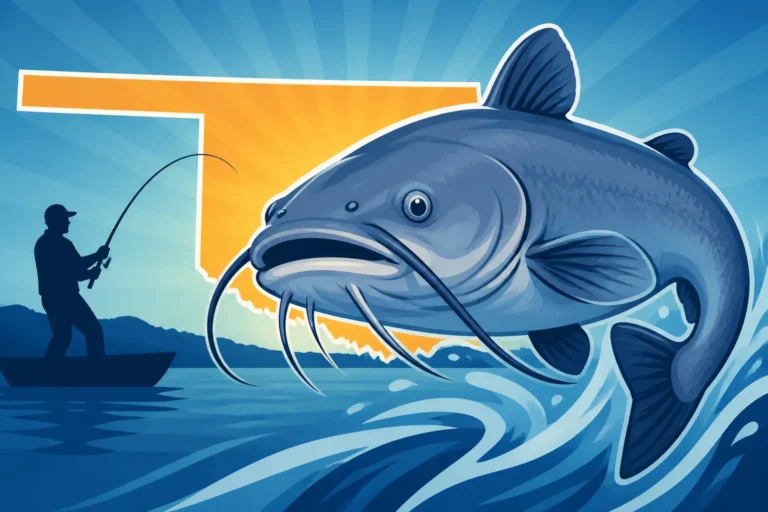
Channel catfish are perhaps the most popular catfish species in Oklahoma, and for good reason: they are incredibly widespread, growing to respectable sizes, and are not particularly shy when it comes to taking a bait. You'll find them in almost every lake, river, and pond across the state, from the smallest farm ponds to massive reservoirs like Lake Eufaula or Lake Texoma. What makes them so easy is their excellent sense of smell and their scavenging nature. They're not going to turn their nose up at a stinky meal.
To catch channel cats, you don't need complex lures or intricate retrieves. A simple bottom fishing rig is all that's required. This usually consists of a weight (like an egg sinker) that slides freely on your main line, followed by a swivel, and then a leader with a hook (sizes 2/0 to 4/0 are good). Cast it out, let it sink to the bottom, and wait. The best baits are often those with a strong odor: prepared stink baits, cut shad, shrimp, chicken livers, or good old nightcrawlers. Fish near deeper channels, submerged timber, or even just off a shallow flat where they might be foraging. Many anglers enjoy setting up multiple rods with different baits to see what the fish are hitting. They fight hard and are fantastic eating, making them a top choice for an easy and rewarding fishing trip. You can find out more about the different types of catfish in Oklahoma in Channel Catfish vs Blue Catfish vs Flathead Catfish in Oklahoma and Best Bait for Catfish in Oklahoma Lakes and Rivers. For those days after a good rain, Best Bait for Channel Catfish After a Rainstorm might offer extra insights.
Bullhead Catfish: Small but Super Abundant
If channel catfish are willing, bullhead catfish are practically begging to be caught. These smaller catfish species (black, brown, and yellow bullheads are all common) are incredibly prolific, especially in murkier, shallower waters, small ponds, and slow-moving streams. They thrive in conditions that many other fish avoid, and their numbers can be astounding. While they don't grow very large (most are under a pound), what they lack in size, they more than make up for in sheer catchability.
Bullheads are perhaps the least finicky eaters of all. They are pure scavengers and will eat almost anything. Worms, pieces of hot dogs, corn, or even dough balls will work. Like channel cats, a simple bottom rig is all you need, often with a smaller hook (size 4 or 6) to match their mouths. You don't even need to cast far; often, they're right near the bank. If you're struggling to get a bite on anything else, target bullheads, and you're almost guaranteed to get some action. They’re fantastic for kids or anyone looking for constant excitement on the line, even if it's not a trophy-sized fish.
White Bass: Schooling Fun for Active Anglers
When it comes to high-energy, fast-paced action, white bass are definitely one of the easiest and most exciting fish to catch in Oklahoma, especially during certain times of the year. They are aggressive, school-oriented, and when they're on, they provide non-stop fun.
The Spring Run Frenzy
If you want truly easy fishing, time your trip with the white bass spring run. This phenomenon typically happens from late March through May, when white bass migrate upstream from large reservoirs into rivers and creeks to spawn. During this period, they congregate in massive numbers, creating a feeding frenzy that's hard to miss. Anglers often refer to this as a "white bass bite" because the action can be incredibly intense.
You'll often see them splashing and chasing baitfish on the surface, or you can find them concentrated in deeper holes or around current breaks in rivers and streams. All you need is a light to medium spinning rod and reel, and small, flashy lures. Think inline spinners (like Rooster Tails), small spoons, or lipless crankbaits. Cast into the schooling fish or current, retrieve, and brace yourself for a strike. It's not uncommon to catch dozens of fish in a single outing during these runs. It's an unforgettable experience for new and experienced anglers alike, and a fantastic way to stock your freezer with tasty fillets. Check out White Bass Spring Runs in Oklahoma for more in-depth information.
Locating White Bass in Reservoirs
Even outside of the spring runs, white bass are still relatively easy to catch in Oklahoma's large reservoirs. They are still highly schooling fish and often feed aggressively. The trick is finding them. This is where a little observation and, if you have one, a fish finder can come in handy. Look for signs of activity on the surface – birds diving, baitfish scattering, or splashes. These are all indicators that white bass (or striped bass, another aggressive schooling fish) are pushing bait to the surface.
When found schooling, white bass will hit the same small spoons, inline spinners, or jigs used during the spring run. If they're deeper, you can try jigging vertically with heavier spoons or dropping a jigging spoon directly into a school you mark on your electronics. The beauty of white bass is that once you've found a school, you're likely to catch several fish before they move on. This consistent action makes them a very rewarding target for anglers looking for easy, plentiful catches throughout much of the year.
Essential Gear for Easy Catches (No Need for Fancy Stuff!)
A big part of making fishing "easy" is not overcomplicating your gear. You absolutely do not need thousands of dollars worth of equipment to catch these readily available fish in Oklahoma. Simple, reliable gear will serve you just fine, and in fact, sometimes simpler is better. This is especially true when you're just starting out or taking kids. For overall guidance on making fishing accessible, consider exploring Best Fishing Techniques for Beginners.
Simple Rod and Reel Setup
For all the fish we've discussed – bluegill, green sunfish, crappie, channel catfish, bullheads, and white bass – a basic spinning rod and reel combo is perfect. You can pick up a decent combo from most sporting goods stores or online retailers like Amazon for a very reasonable price. Look for a light to medium action rod, typically 5.5 to 7 feet long. This flexibility will allow you to cast lighter baits and still have enough backbone to handle a feisty catfish or a decent-sized white bass.
Spool your reel with monofilament line in the 6-10 pound test range. Monofilament is forgiving, easy to tie knots with, and has enough stretch to absorb the shock of a fish strike. You don't need braided line or fluorocarbon for these species, though they certainly have their place in other types of fishing. The goal here is simplicity and functionality, and a basic spinning setup delivers on both counts.
Basic Tackle Box Essentials
Your tackle box doesn't need to be overflowing with hundreds of lures. For easy fishing, focus on the essentials that work for multiple species:
- Hooks: A variety of small hooks (size 8-10 for panfish) and some slightly larger ones (size 2-4 for crappie, 2/0-4/0 for catfish).
- Weights: Split shot weights (easy to crimp on and off) and a few egg sinkers for bottom fishing.
- Bobbers: Small clip-on bobbers or slip bobbers are indispensable for panfish and crappie, clearly indicating bites.
- Swivels: Small barrel swivels help prevent line twist, especially when using spinning lures.
- Leader Material: A spool of fluorocarbon or monofilament in a lighter test than your main line (e.g., 4-6 lb) can be useful for crappie or if fish are finicky.
- Bait: Live worms (nightcrawlers or red wigglers) are king for almost all these species. Supplement with some cut bait for catfish, and perhaps a small bag of crappie jigs or inline spinners for white bass and crappie.
- Pliers/Forceps: Essential for removing hooks safely.
- Clippers: For cutting line.
With just these few items, you'll be well-equipped to tackle any of the easy-to-catch species in Oklahoma. Don't forget that Best Bait for Bluegill in Oklahoma Ponds and Best Catfish Bait for Summer Fishing have more specific bait recommendations.
Beyond the Gear: Patience and Observation
While having the right (simple) gear is important, the real secret to easy fishing often lies in patience and observation. Fish are creatures of habit, and understanding where they like to hang out and what conditions make them bite can dramatically increase your success. How Water Temperature Affects Fishing Success? is a great read that highlights how environmental factors play a huge role.
Pay attention to your surroundings. Are there birds diving in a particular area? That often means baitfish are being pushed to the surface by predatory fish like white bass. Is there a fallen tree or a dock? Panfish and crappie love to hide there. Are you seeing subtle ripples or swirls on the water's surface? Sometimes that's a sign of feeding fish. Don't be afraid to move around if a spot isn't producing. Try different depths or different types of cover. A bit of adaptability and a willingness to learn from each cast will lead to more enjoyable and easier fishing experiences in Oklahoma.
Easiest Fish to Catch in Oklahoma at a Glance
Here’s a quick overview of our top picks for the easiest fish to catch in Oklahoma, helping you decide where to start your adventure:
| Fish Species | Average Size (Oklahoma) | Best Baits | Typical Location | Best For |
|---|---|---|---|---|
| Bluegill | 4-8 inches | Worms, Crickets, Bread | Shallow, weedy areas, docks, brush | Beginners, kids, consistent action |
| Green Sunfish | 3-7 inches | Worms, Small Bugs, Dough | Shallow, murky ponds, creek banks | Beginners, kids, plentiful catches |
| Crappie | 8-12 inches | Minnows, Small Jigs | Submerged brush, timber, bridge pilings | Fun action, great eating, slight learning curve |
| Channel Catfish | 1-5 lbs | Stink Bait, Cut Bait, Worms | Lake bottoms, river channels, deep holes | Patient anglers, larger fish, good eating |
| Bullhead Catfish | 6-12 inches | Worms, Hot Dogs, Corn | Muddy bottoms, shallow ponds, slow creeks | High catch rates, very little effort |
| White Bass | 10-14 inches | Small Spoons, Spinners, Jigs | Schooling on surface, river runs, main lake humps | Fast-paced action, exciting fights, good eating |
Remember, the goal is to have fun and connect with the outdoors. These species provide an excellent entry point into the diverse world of Oklahoma fishing, offering plentiful opportunities for success without the need for advanced skills or gear.
Disclaimer
This article is for general informational purposes only and does not constitute professional advice. Laws, prices and regulations vary by location and change over time. Consult a qualified professional for guidance on your specific situation.