How to Tell a Game Fish From a Rough Fish
Anglers new to Oklahoma waters, or even seasoned folks visiting from out of state, often find themselves scratching their heads when trying to figure out if the fish on their line is a "game fish" or a "rough fish." This isn't just a matter of semantics; it has real implications for what you can keep, how you can fish, and even how you think about your catch. This guide will help you understand the core differences between these two categories in Oklahoma, ensuring you're fishing legally and appreciating every tug on your line.
What Exactly Defines a "Game Fish" in Oklahoma?
This section will delve into the official and cultural definitions of game fish, highlighting what makes them desirable targets for anglers in the Sooner State.
Legal Definitions and Common Species
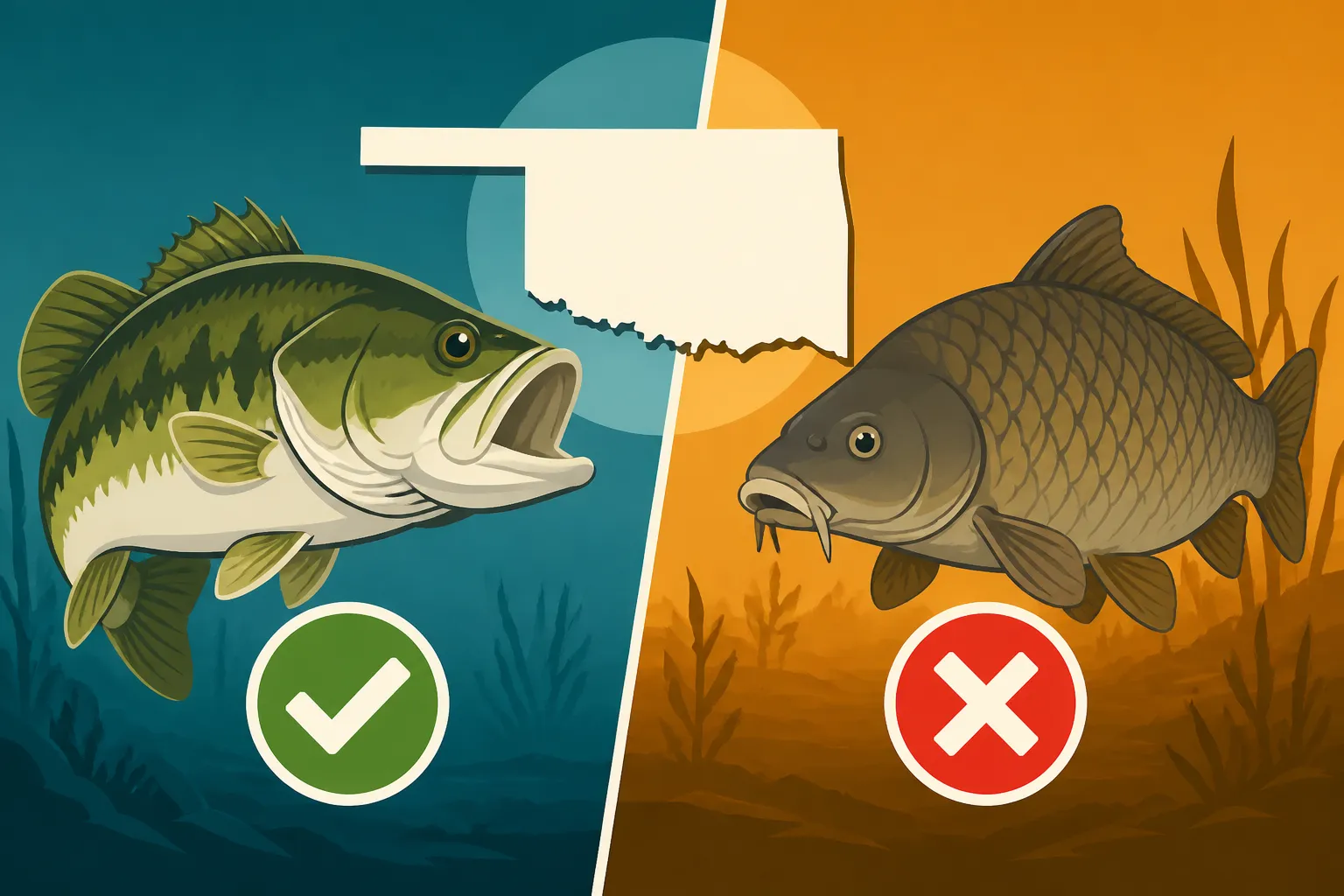
Oklahoma's legal framework clearly delineates what falls under the "game fish" umbrella. These are typically species that are actively managed for sport fishing due to their fighting qualities, size, or culinary appeal. Think about the iconic fish that bring people to our beautiful lakes and rivers – bass, crappie, catfish, and walleye immediately spring to mind. These species are often subject to specific regulations concerning length limits, daily bag limits, and even tackle restrictions, all designed to ensure sustainable populations for future generations of anglers. For instance, you’ll find detailed rules for species like Oklahoma Statewide Bass Bag Limit Explained or Oklahoma Statewide Crappie Bag Limit.
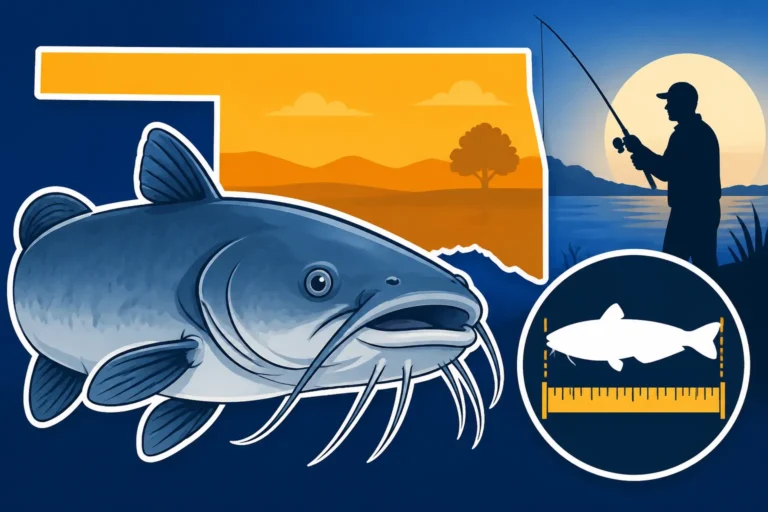
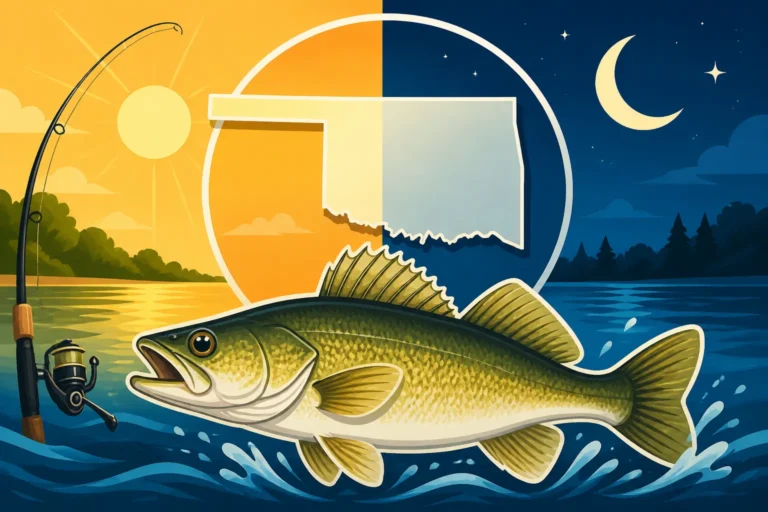
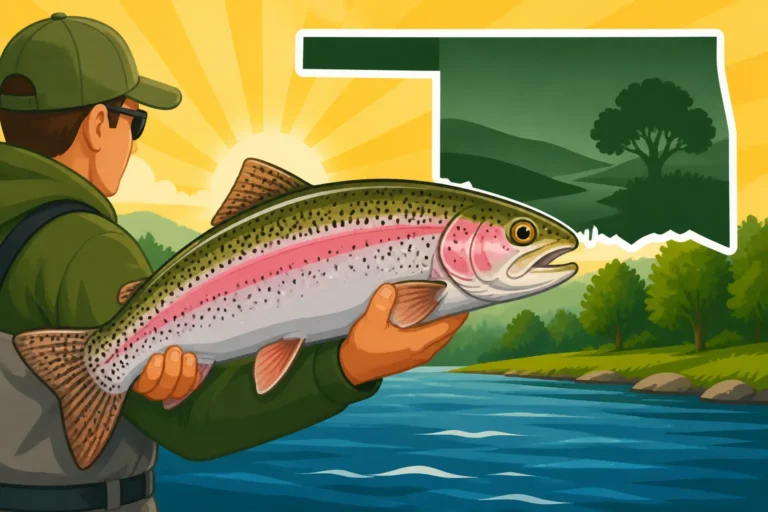
The Oklahoma Department of Wildlife Conservation (ODWC) outlines these classifications, and it’s crucial for every angler to familiarize themselves with these definitions before heading out. For example, all species of black bass (largemouth, smallmouth, spotted), crappie (black and white), white bass, striped bass, paddlefish, walleye, sauger, saugeye, trout (rainbow and brown), and the various catfish species (channel, blue, flathead) are considered game fish. This means they are protected and managed with specific seasons and limits, often varying by lake or river system.
The reason these fish get the "game" designation often comes down to their popularity and the challenge they present. A spirited fight from a chunky largemouth bass, the delicate art of jigging for crappie, or the sheer power of a trophy blue catfish—these are the experiences that define sport fishing for many. The term "game" implies that they offer sport, a chase, and a reward for the angler's skill and effort, making them a primary focus for recreational fishing.
Hypothetically, imagine you're out on Lake Eufaula, and you hook into what you think is a big bass. Knowing if it's a largemouth (a game fish) or perhaps something else entirely is your first step. If it's a largemouth, you'll immediately start thinking about the 14-inch minimum length limit often found on many Oklahoma lakes before deciding whether to keep it or release it. This immediate consideration for regulations is a hallmark of encountering a game fish and highlights the importance of correct identification.
Beyond the Dinner Plate: Sporting Value
While many game fish are indeed delicious and end up on the dinner table, their "game" status extends far beyond just their taste. Their sporting value is paramount. Anglers often pursue these fish for the thrill of the catch, the challenge of locating them, and the satisfaction of mastering various techniques. The fight, the cunning of the fish, and the joy of a successful retrieve are central to the experience, regardless of whether you plan to eat your catch. Many anglers practice catch-and-release to preserve these valuable sporting populations.
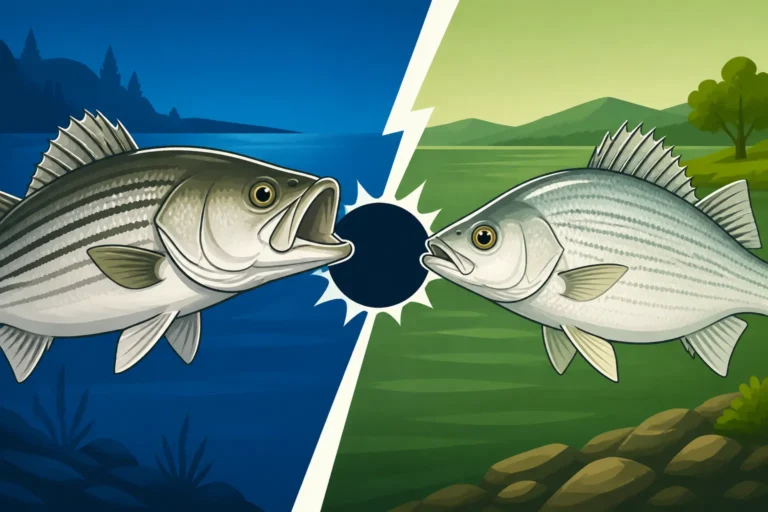
Consider species like striped bass at Lake Texoma. These powerful fish offer incredible runs and a formidable challenge, drawing anglers specifically for their fighting prowess rather than just their meat. Similarly, while a channel catfish might be excellent table fare, the sheer size and strength of a big blue catfish makes it a trophy catch for many, regardless of whether it's destined for the fryer or a quick photo and release. You can learn more about Striped Bass Fishing Techniques for Oklahoma's Lake Texoma.
This focus on sporting value also influences the gear we use. Anglers invest in specialized rods, reels, and lures, often spending hours researching the best setup for targeting specific game fish. Whether it's a sensitive spinning rod for crappie or a heavy-duty baitcaster for trophy bass, the gear reflects the pursuit of sport. You might spend hours browsing through different bass lures on platforms like Amazon, searching for that perfect crankbait or soft plastic that promises to entice a strike. The market for game fish tackle is vast precisely because of this immense sporting interest.
The pursuit of game fish also builds a strong community among anglers. There are countless fishing tournaments, clubs, and online forums dedicated to sharing tips, techniques, and stories about catching these prized species. This shared passion for the sport reinforces their status and contributes to their ongoing management and conservation efforts, often through license fees and excise taxes on fishing equipment.
Understanding "Rough Fish": More Than Just a Name
This section will explore the category of "rough fish," often misunderstood or undervalued, and clarify their role in Oklahoma's aquatic ecosystems.
What Oklahoma Considers "Rough"
In Oklahoma, "rough fish" generally refers to species that are not legally classified as game fish by the ODWC. This isn't a judgment on their inherent value or fighting ability, but rather a classification based on management priorities and traditional angling preferences. Common examples include various species of gar (longnose, shortnose, spotted, alligator), carp (common, grass, bighead, silver), buffalo (bigmouth, smallmouth, black), freshwater drum, suckers, and gizzard shad. While some anglers specifically target these fish, they often aren't subject to the same strict bag and length limits as game fish.
Historically, "rough fish" were often viewed as less desirable, sometimes even as pests that competed with game fish for resources. However, this perspective is changing. Many species, like the alligator gar, are incredibly ancient and powerful, offering a unique and challenging experience for specialized anglers. Others, like common carp, are plentiful and can provide excellent sport on light tackle, especially for those seeking a strong fight without the pressure of game fish limits.
It's important to remember that the term "rough fish" doesn't mean "bad fish." Many play crucial roles in their ecosystems, helping to keep water clean by feeding on algae or consuming detritus. For instance, shad are a primary forage fish for many game species, meaning their abundance directly impacts the health and size of predators like striped bass and crappie. Without healthy populations of these "rough" species, the entire food web for game fish could suffer.
You might be surprised to learn that certain "rough fish" are considered delicacies in other cultures, and even here in Oklahoma, some anglers value species like buffalo or drum for their unique flavor and texture. So, while they might not receive the same fanfare as a trophy bass, their ecological importance and potential for sport or table fare should not be overlooked. They represent a significant, often untapped, resource for diverse angling experiences.
The Underrated Fight: Reconsidering Rough Fish Value
For too long, many anglers have dismissed rough fish without truly experiencing the thrill they can offer. If you've ever hooked into a big common carp on appropriate tackle, you know they can pull like a freight train, often making long, powerful runs that test your drag. Similarly, a longnose gar can be an incredibly acrobatic and exciting catch, often requiring specialized techniques like rope lures or wire leaders to land due to their bony mouths. The fight from a powerful freshwater drum is also something to behold, often surprising anglers with its strength and deep, thumping pulls.
Specialized fishing techniques have emerged for targeting rough fish, highlighting their sporting appeal. Bowfishing, for example, is a popular method specifically designed for species like carp and gar, offering a completely different kind of challenge and excitement compared to traditional rod-and-reel fishing. Even traditional rod-and-reel anglers are increasingly discovering the fun of targeting these species, especially in areas where game fish populations might be sparse or heavily pressured. You can find specialized gear for bowfishing on Amazon, from bows to arrows and reels, demonstrating the growing interest in these alternative fishing styles.
Reconsidering the value of rough fish isn't just about fun; it's also about opportunity. On days when the bass aren't biting or crappie are nowhere to be found, targeting abundant species like carp or drum can salvage a slow day and keep your line tight. It encourages anglers to broaden their horizons and appreciate the diversity of Oklahoma's aquatic life, fostering a more inclusive and adaptable fishing mindset. This shift in perspective can lead to new challenges and rewards on the water.
Next time you're on the water and see a school of carp rolling, or a gar basking near the surface, consider taking a moment to appreciate them. They are a vital part of the ecosystem, and often, an exciting challenge waiting to be discovered. Sometimes, the most unexpected catches provide the most memorable fishing stories, proving that "rough" doesn't mean "unworthy."
Why This Distinction Matters to Oklahoma Anglers
Understanding the difference between game and rough fish isn't just academic; it has practical implications for your fishing trip, from what gear you can use to what you can legally take home.
Regulatory Implications: Bag Limits and Seasons
The most critical reason to know the difference between game and rough fish in Oklahoma is adherence to fishing regulations. Game fish are heavily managed with specific rules regarding bag limits (how many you can keep per day), possession limits (how many you can have in your possession), and length limits (minimum or maximum sizes you can keep). Breaking these rules can lead to hefty fines and even loss of fishing privileges. For instance, knowing The 30-Inch Blue Catfish Rule in Oklahoma is vital if you're targeting those big cats, as only one over this size can be kept daily.
Take crappie, for example. In most of Oklahoma, you're allowed a daily bag limit of 37 crappie. However, several specific lakes, like Fort Gibson Lake or Hudson Lake, have stricter limits, sometimes as low as 15 fish or requiring a 10-inch minimum length. These specific rules apply because crappie are a managed game species. If you were to catch a common carp or a freshwater drum, these specific length and bag limits generally wouldn't apply, offering more flexibility in what you can harvest, though general fair chase rules always apply.
Certain game species also have specific seasons or methods of take. Paddlefish, for instance, are a game fish, and their snagging season is carefully regulated, particularly on lakes like Grand Lake O' the Cherokees, with specific dates and daily limits. Conversely, many rough fish can be taken year-round with various legal methods, including gigging or bowfishing, which are generally not permitted for game species. Understanding these nuances is essential for staying on the right side of the law and avoiding unintentional violations. You can read up on Paddlefish Snagging Season in Oklahoma for more details.
When you're packing your tackle box, think about the species you intend to target and double-check the current regulations for that specific lake or river. The ODWC publishes an annual fishing guide that is an indispensable resource, often available both online and at license vendors. Always assume that if you're targeting a popular species like bass or crappie, there will be rules to follow. Ignoring these regulations, even accidentally, is still considered a violation and can lead to serious Penalties for Fishing Without a License in Oklahoma.
Conservation and Ecosystem Balance
The distinction between game and rough fish is also a cornerstone of effective fisheries management and conservation efforts in Oklahoma. By setting limits on game fish, wildlife agencies aim to maintain healthy, self-sustaining populations, ensuring that there are enough fish for both present and future anglers. This proactive management helps prevent overfishing and protects the delicate balance of aquatic ecosystems, which benefits all species.
Consider the ongoing efforts to manage bass populations across the state. Through stocking programs, habitat improvements, and stringent regulations like length and bag limits, the ODWC works to enhance the quality of bass fishing. If these species weren't designated as "game fish," they might not receive the same level of attention and resource allocation, potentially leading to declining populations due to unregulated harvest pressure.
While rough fish often have fewer restrictions, they still play vital roles within the ecosystem. For example, many rough fish like gizzard shad or various minnow species serve as crucial forage for predatory game fish. If these forage fish populations decline due to environmental factors or other pressures, it can directly impact the growth rates, health, and overall abundance of bass, crappie, and stripers that feed on them. Therefore, even though they aren't "game" fish, their health is intrinsically linked to the overall success of the game fish populations we all love to pursue.
Being a responsible angler means understanding this bigger picture. It's not just about catching fish; it's about being a steward of our natural resources. Whether you're releasing a small bass to grow bigger or carefully handling a large gar before release, your actions contribute to the health of Oklahoma's waters and the diversity of its fish species. It's about respecting every creature in the water, game or rough, for its unique role in the aquatic environment.
Key Identification Markers: Spotting the Difference on the Water
When you're out on the water, you need practical ways to tell these categories apart. Here’s a rundown of common visual and behavioral cues to help you identify your catch.
Physical Traits to Look For
One of the quickest ways to differentiate between game and rough fish is by observing their physical characteristics. Game fish often have certain features that make them popular targets. For example, most game fish species like bass and crappie tend to have more streamlined, laterally compressed bodies, making them agile predators capable of quick bursts of speed. Their mouths are often proportioned for striking prey, and their scales are typically smaller and smoother.
Rough fish, on the other hand, can exhibit a wider range of physical appearances. Carp and buffalo, for instance, often have robust, deeper bodies, sometimes with smaller, more protractile mouths suitable for bottom feeding. Gar are instantly recognizable by their long, cylindrical bodies and tooth-filled, elongated snouts. These distinct features, like the toothy grin of an alligator gar or the barbels (whisker-like appendages) on a channel catfish, can be immediate giveaways that you've caught a non-game species or a specific type of game fish.
Another key indicator can be the fins. Many game fish, especially members of the sunfish family (which includes bass and crappie), will have distinct dorsal fins that may be spiny in the front and soft-rayed in the back, often appearing as two separate or deeply notched fins. Rough fish fins can vary greatly; for example, a common carp has a single, long dorsal fin with a serrated spine. Paying attention to these subtle anatomical differences can save you from misidentifying a fish, especially when dealing with similar-looking species.
Coloration can also provide clues, though it's less reliable due to environmental factors like water clarity and diet. Game fish often have distinctive patterns or markings that help them camouflage in their preferred habitats. For instance, a largemouth bass has a prominent lateral line that can appear dark and blotchy. While rough fish also have camouflage, their patterns might be less intricate or vibrant compared to some game species. When in doubt, it's always best to consult a detailed fish identification guide, which you can easily find on Amazon.
Habitat and Behavior Clues
Beyond physical appearance, where and how a fish behaves can offer strong hints about its classification. Game fish often inhabit specific structures and depths, exhibiting predatory behaviors. Bass, for instance, love to ambush prey from cover like submerged timber, rock piles, or weed beds, and actively chase lures. Crappie school around brush piles and docks, often suspending at certain depths. Understanding these preferred habitats can help you anticipate what you're likely to catch and where to focus your efforts. You might want to check out Where Do Largemouth Bass Hide in Weedy Lake Water to refine your bass hunting skills.
Rough fish, while present in similar waters, often occupy different niches or exhibit different feeding patterns. Carp are notorious bottom feeders, often found rooting around in muddy shallows, stirring up sediment. Gar frequently cruise just below the surface in calm waters, especially in backwater areas or slow-moving streams, sometimes gulping air. Knowing that the large fish splashing in the shallow, muddy water might be a carp, rather than a trophy bass, can adjust your expectations and approach, prompting you to switch baits or techniques.
Different species also react to bait and lures in characteristic ways. Game fish are typically targeted with artificial lures designed to mimic their prey or live baits presented strategically to trigger a predatory strike. Rough fish like carp are more often caught on dough balls, corn, or bottom rigs with natural baits, relying on scent and taste rather than an aggressive chase. While there's overlap, observing how a fish takes your bait can be a clue. For example, a delicate tap might be a crappie, while a powerful, sustained pull might be a carp.
Pay attention to the overall environment. Are you in a clear, deep reservoir with lots of structure? You're likely in prime game fish territory. Are you in a slow-moving, silty river backwater? While game fish can certainly be there, it's also prime real estate for various rough fish species. By combining visual identification with an understanding of typical habitats and behaviors, you'll become much more adept at identifying your catch, even before it fully emerges from the water.
The "Feel" of the Fight: Experiencing the Difference
While not a scientific classification method, the way a fish fights on the line can often provide an experienced angler with a strong indication of what they've hooked. Different species have unique fighting styles that are a direct result of their body shape, musculature, and predatory instincts. Learning these "feels" comes with time on the water, but it's an invaluable skill for quick identification and anticipating how to play the fish.
A largemouth bass, for example, is famous for its initial explosive strike, often followed by powerful head shakes and aerial acrobatics, especially when hooked near cover. Smallmouth bass are known for their strong, bulldog-like dives and relentless tugs, often fighting until they're boatside. Crappie, being thinner-bodied, often feel like a gentle "thump" followed by less powerful, but sometimes erratic, struggles. These are characteristic "game fish" fights that anglers often seek. You can learn more about Oklahoma's 6-Fish Bass Limit for Largemouth and Smallmouth and what sizes fight the hardest.
Contrast this with many rough fish. A common carp, after the initial surprise, typically settles into a long, powerful run, often staying deep and pulling with incredible endurance. They're less about flashy jumps and more about raw, sustained power, which can be exhausting on light tackle. A flathead catfish will often try to "log" or dive for structure, using its broad head and powerful tail to resist being reeled in. Gar, while also powerful, might thrash and roll on the surface, sometimes cutting lines with their sharp bills.
Of course, fish size and tackle can influence the "feel" significantly. A small game fish on heavy tackle might feel like nothing, while a monster rough fish on light gear can provide the fight of a lifetime, pushing your equipment to its limits. The key is to pay attention to the style of the fight – the quick bursts, the deep runs, the head shakes, the surface thrashing – and over time, you'll develop an intuitive sense for what's on the other end of your line, helping you prepare for the moment you see your catch.
Here's a quick comparison table to help visualize the general differences between game and rough fish in Oklahoma:
| Feature | Game Fish (e.g., Bass, Crappie, Catfish, Walleye) | Rough Fish (e.g., Carp, Gar, Buffalo, Drum) |
|---|---|---|
| Legal Status | Managed with specific bag/length limits, seasons | Fewer restrictions, often no bag/length limits |
| Primary Appeal | Sport, challenge, culinary value, conservation | Alternative sport (bowfishing), ecological role, some culinary |
| Body Shape | Often streamlined, laterally compressed, predatory | Varied: robust, deep-bodied (carp), elongated (gar) |
| Mouth | Proportioned for striking prey | Varied: bottom-feeding (carp), elongated (gar), filter-feeding |
| Fins | Often distinct dorsal fins (spiny/soft-rayed) | Varied: single long dorsal (carp), different structures |
| Habitat | Structure-oriented (cover, depth changes, ambush) | Varied: bottom feeders (muddy areas), surface cruisers (gar) |
| Fight Style | Explosive strikes, head shakes, jumps (bass) | Sustained powerful runs (carp), deep dives (catfish), thrashing (gar) |
Disclaimer
This article is for general informational purposes only and does not constitute professional advice. Laws, prices and regulations vary by location and change over time. Consult a qualified professional for guidance on your specific situation.