Best Fish Species for Fall Fishing as Water Cools
As the sweltering Oklahoma summer finally gives way to those crisp, invigorating autumn mornings, many anglers find themselves facing a different set of challenges and opportunities on the water. The fish that were scattered and lethargic in the heat suddenly become active, but knowing which species to target as the water cools, and where to find them, can feel like a whole new ballgame. It's easy to feel a bit lost trying to adapt your summer tactics to the changing conditions. This guide is here to cut through the confusion and highlight the best fish species to focus on for an incredibly rewarding fall fishing experience across Oklahoma's diverse waters.
The Autumn Shift: Why Fall Fishing is Unique in Oklahoma
There's a magical transformation that happens on Oklahoma lakes and rivers once the intense summer heat begins to wane. The days shorten, the nights get cooler, and gradually, the water temperature starts to drop. This isn't just a slight change; it triggers profound behavioral shifts in nearly every fish species, from the smallest panfish to the biggest predators. Anglers who understand this transition are often the ones filling their livewells or landing that trophy catch they've been dreaming about all year.
Understanding the Fall Turnover
One of the most significant events in larger, deeper lakes during the fall is what we call the "fall turnover." During summer, many lakes stratify into distinct layers: a warm, oxygen-rich top layer (epilimnion) and a cold, oxygen-deprived bottom layer (hypolimnion). A thermocline separates these two. As autumn progresses and the surface water cools, it becomes denser and sinks, mixing with the deeper, warmer water. This mixing event, or turnover, can sometimes make fishing tough for a few days, as it disrupts the water column and spreads fish out. However, once the lake "flips," oxygen is replenished throughout, and fish can use the entire water column again, often leading to a renewed feeding frenzy.
For anglers, this means paying close attention to water temperature. A sudden drop in air temperature might cool the surface quickly, but the full effect on the entire lake takes time. Smaller, shallower lakes and rivers don't experience a full turnover as dramatically, but they still see significant temperature drops that spur fish activity. Being aware of these temperature shifts and understanding that fish are reacting to their environment is crucial for success. How Water Temperature Affects Fish Feeding Habits is a great resource to dive deeper into this topic.
The Autumnal Feeding Frenzy
Think of fall as the fish equivalent of stocking up for winter. As water temperatures cool down, fish sense the approaching cold season and instinctively know they need to pack on calories. Their metabolism, which slows down in the extreme heat of summer, begins to ramp up again. This leads to what many anglers cherish as the "fall feeding frenzy." Species that were sluggish and hard to tempt in July might now be aggressively chasing baitfish and smashing lures with abandon.
This increased activity means fish are more willing to move and pursue prey, often schooling up in predictable areas to hunt. They're looking for protein-rich meals to build up fat reserves for the lean winter months. For us, that translates into some of the most exciting and productive fishing of the entire year. It’s a fantastic opportunity to land bigger fish that are aggressively feeding, often presenting themselves in shallower waters or around prominent structures as they chase bait.
Largemouth and Smallmouth Bass: Fall's Aggressive Hunters
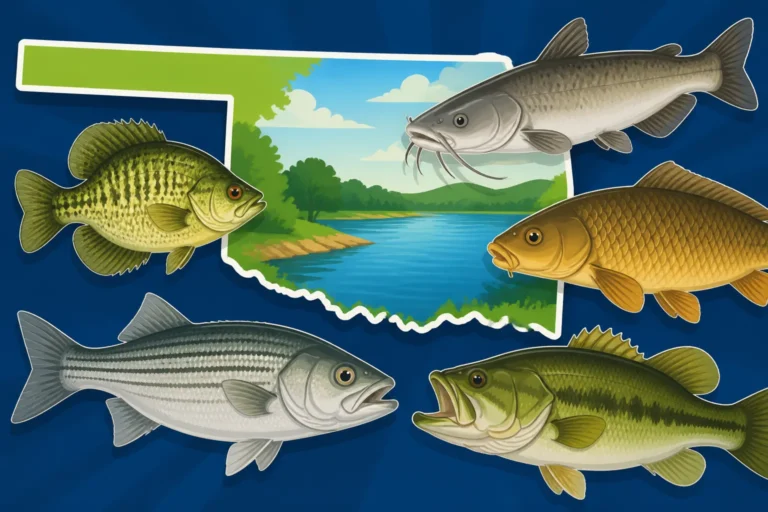
When the water starts to cool, especially after that initial turnover period, bass become incredibly active. They are one of the most popular game fish in Oklahoma, and for good reason—they hit hard, fight strong, and are plentiful. Fall is prime time to target both largemouth and smallmouth bass, as they transition from their deep summer haunts to more accessible feeding grounds.
Largemouth Bass: The Greenbacks Go Wild
Largemouth bass in Oklahoma's lakes like Eufaula, Grand Lake, and Texoma absolutely thrive as water temperatures drop into the 60s and 50s. They're no longer seeking deep, cool water to escape the heat; instead, they move to ambush points where they can intercept baitfish. You'll often find them congregating in creek channels, around standing timber, on main lake points, and along the edges of grass beds that haven't died off yet. They are incredibly aggressive during this time, gorging themselves on shad and other forage.
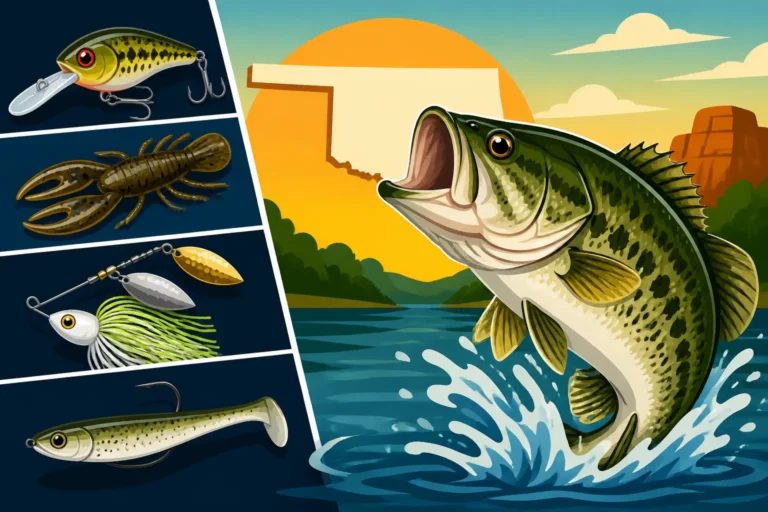
My favorite fall technique for largemouth is throwing reaction baits. Think crankbaits that mimic shad, spinnerbaits, and chatterbaits. On Amazon, you can find an incredible array of these lures in various colors and sizes. Once you locate a school of baitfish on your fish finder, chances are good that hungry bass won't be far behind. Look for schools of shad moving into coves or along main lake channels, as the bass will be right there with them. This is also a fantastic time for topwater action, especially on those calm, cool mornings when bass are smashing bait on the surface. For deeper dives, explore Largemouth Bass Fishing in Oklahoma: The Complete Guide and Best Bass Fishing Spots on Lake Eufaula, Oklahoma.
Smallmouth Bass: Rocky Relatives on the Prowl
While less common than largemouth, Oklahoma boasts some fantastic smallmouth bass fisheries, particularly in clear-water lakes like Broken Bow and parts of Tenkiller. Like their largemouth cousins, smallmouth become much more active as fall progresses. They are quintessential cool-water fish and often prefer rocky main lake points, bluffs, and transition areas where rock meets gravel or clay. Their preferred diet of crawfish and baitfish makes them susceptible to specific presentations.
For smallmouth, I often reach for suspending jerkbaits, small crankbaits, and finesse jigs. These baits mimic crawfish or dying shad, which are irresistible to hungry smallmouth. On bluffs or rocky points, try fishing a jerkbait with a long pause, letting it suspend enticingly in front of them. The colder the water gets, the longer those pauses can be. Smallmouth are known for their powerful fights, and a big one in the fall is a memorable experience. Targeting these bronze backs can be incredibly rewarding, and understanding their preferences for rocky habitat in cooler water will definitely increase your chances.
Crappie: Schooling Up for a Fall Feast
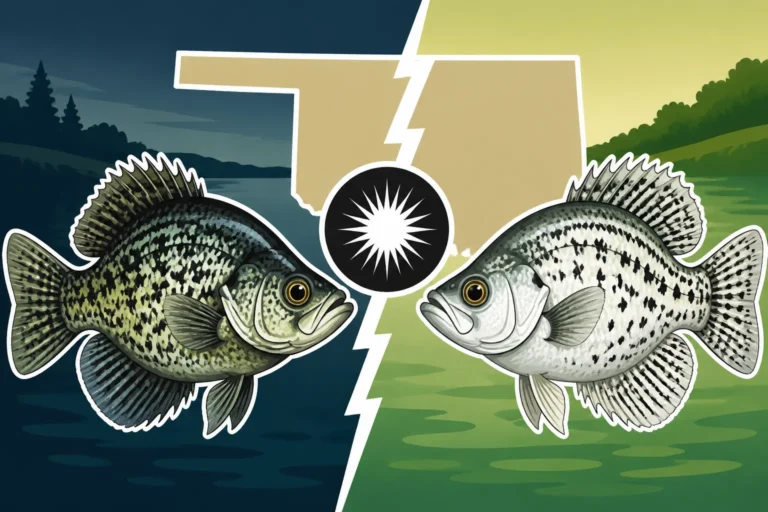
Crappie are another phenomenal species to target in Oklahoma as the water cools. Both black and white crappie tend to school up in the fall, making them easier to locate and, once found, you can often catch quite a few. This schooling behavior is driven by their desire to feed heavily before winter, and they often relate to structure and baitfish aggregations.
Locating Fall Crappie Schools
As the summer thermocline breaks down, crappie will often move shallower than their deep summer haunts, but they still relate very tightly to structure. You'll find them around brush piles, standing timber, bridge pilings, and even along steep ledges in main lake channels. The key is to find the baitfish—where the baitfish are, the crappie will follow. Many anglers use their electronics extensively in the fall to pinpoint these schools of crappie and their forage. A good fish finder can make all the difference in quickly locating those productive areas.
Once you find them, fall crappie can be caught using a variety of techniques. Small jigs tipped with soft plastics (often in chartreuse, white, or black/blue) are perennial favorites. Minnows under a bobber or fished tight-line are also incredibly effective, especially when fish are a bit less aggressive. Spider rigging multiple rods with different depths and baits can help you dial in on their preference quickly. Places like Grand Lake, Fort Gibson, and Lake Eufaula are legendary for their fall crappie fishing. For more detailed crappie strategies, check out Fall Crappie Fishing Patterns in Oklahoma and Oklahoma Statewide Crappie Bag Limit.
Baits and Presentation for Hungry Crappie
When crappie are in full feeding mode during the fall, they often respond well to active presentations. Vertical jigging directly over schools you've marked on your sonar can be deadly. Drop your jig or minnow rig right into the middle of the school and work it with subtle lifts and drops. Sometimes a steady retrieve is all it takes if they are aggressively chasing.
Don't be afraid to experiment with jig head weights and soft plastic colors. A lighter jig head might be necessary for a slower fall if the crappie are suspended higher in the water column or if they're finicky. On the other hand, a slightly heavier jig might be needed to quickly get down to deeper schools in current or windy conditions. Many anglers stock up on a variety of crappie jigs and soft plastics, and Amazon offers a huge selection of these essential items. Remember, crappie have soft mouths, so a gentle hookset is usually all that's needed to seal the deal.
Catfish: Bottom Dwellers Staying Active
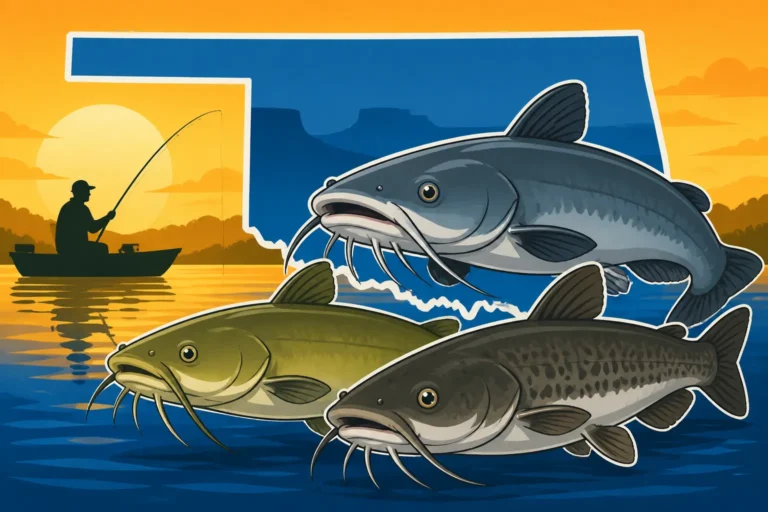
While spring and summer are often considered peak catfish season, fall can be a fantastic time to target these whiskered warriors in Oklahoma. Blue catfish and channel catfish, in particular, remain very active as water temperatures cool, often presenting opportunities for some of the biggest fish of the year. They are still driven by a strong feeding instinct and will congregate in areas rich with food.
Blue Catfish: Seeking the Big Ones
Blue catfish are voracious predators and, in the fall, they continue their hunt for shad and other baitfish. As baitfish move into creek channels and shallower flats in the main lake, the blue cats will follow. You'll often find them along humps, ledges, and channels in large reservoirs like Lake Texoma and Lake Eufaula. The cooling water can actually make the biggest blues even more aggressive as they look for substantial meals.
My go-to fall bait for blue catfish is fresh cut bait, especially shad or perch. The fresher, the better! Rig it on a substantial circle hook with a slip sinker to keep it on the bottom in current or windy conditions. Target major creek channels or the main lake basin, especially near deep holes or structure. This is a prime time to land a true trophy blue cat in Oklahoma, so be sure your gear is up to the task. Oklahoma's Catfish Fishing Rules and Limits can help you understand the specific regulations for keeping these monsters.
Channel Catfish: Bank Fishing Favorites
Channel catfish are incredibly adaptable and can be found in almost every body of water in Oklahoma, from small ponds to large rivers and lakes. In the fall, they remain a fantastic target, especially for bank anglers. As water cools, they'll often move into shallower areas to feed, particularly during twilight hours. They're opportunistic feeders and will eat just about anything they can get their mouths on.
For channel cats, stink baits, punch baits, or even simple worms and chicken livers remain highly effective. Cast your bait out into deeper pockets near shore, along channel swings, or near submerged cover. Look for areas where feeder creeks enter the main body of water, as these often concentrate baitfish and, consequently, catfish. Fall evenings can be particularly productive for channel cats, offering a relaxed fishing experience from the bank. If you're new to the game, How to Bottom Fish for Catfish is a fantastic starting point for learning effective techniques.
Other Fall Fishing Opportunities
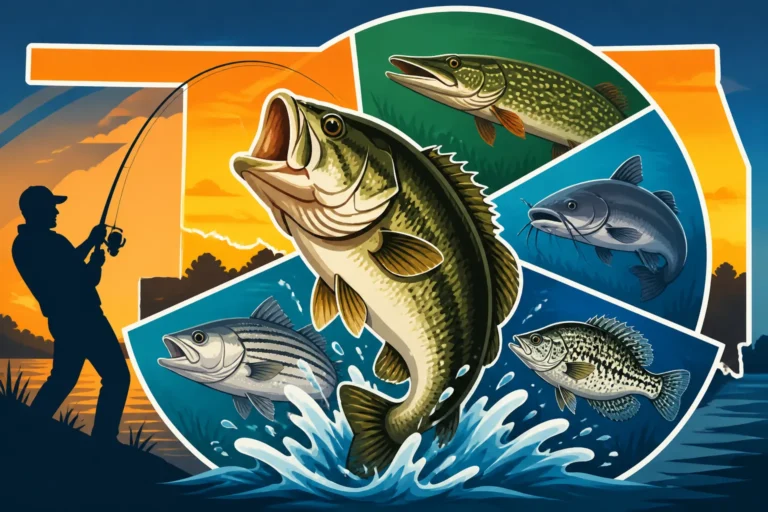
While bass, crappie, and catfish are often the main targets, several other species also provide excellent fall fishing opportunities in Oklahoma.
White Bass: The "Sandies" Are Running
White bass, affectionately known as "sandies" by many Oklahoma anglers, put on a spectacular show in the fall. After their spring spawning runs, they often go somewhat dormant in the summer heat. But as water cools, they school up incredibly tightly and become extremely active, chasing shad. You'll often find them busting on the surface in large open-water schools, creating a frenzied feeding spectacle. This is exhilarating fishing, as you can often catch dozens of fish in a short period.
Look for white bass near humps, points, and along the main lake channel, particularly in lakes like Keystone, Grand Lake, and Texoma. They'll also be found chasing shad in rivers and feeder creeks that flow into larger reservoirs. Small spoons, inline spinners, and Kastmasters are highly effective when retrieved quickly through a schooling frenzy. Sometimes, a simple white or silver jig will do the trick. Keep an eye out for birds diving into the water – they’re often after the same baitfish that the white bass are driving to the surface! White Bass Spring Runs in Oklahoma is a good read if you want to understand their seasonal patterns.
Striped Bass: Texoma's Heavy Hitters
For those seeking a truly powerful fight in Oklahoma's cooler waters, striped bass at Lake Texoma are the ultimate fall target. Stripers are cold-water fish, and while they can be caught year-round, the fall and winter months are legendary for their activity. As shad schools congregate and move, the massive striped bass population of Texoma follows, creating incredible fishing opportunities.
Trolling with large crankbaits or live shad is a popular and very effective method for locating fall stripers. Look for them in open water, often suspended over deep channels or along main lake points. A good fish finder is essential for spotting the huge schools of baitfish and the stripers lurking beneath them. When they're really on, stripers will chase topwater plugs, swimbaits, and even jigging spoons. Fishing for stripers in the fall can be physically demanding but incredibly rewarding, often resulting in multiple catches of hard-fighting fish. Prepare for a battle, and consider bringing extra line and hooks, which you can easily replenish from Amazon before your trip. Striped Bass Fishing Techniques for Oklahoma's Lake Texoma delves into more specific strategies for these powerful fish.
Gear Up for Cooler Weather Success
Fall fishing isn't just about changing your lures; it's also about preparing yourself and your gear for cooler temperatures and potentially unpredictable weather. Being comfortable on the water means you can stay out longer and focus on the fishing, not the chill.
Essential Fall Fishing Gear
- Layered Clothing: This is paramount. Mornings can be chilly, but midday can warm up considerably. Wear moisture-wicking base layers, a fleece or insulated mid-layer, and a waterproof/windproof outer shell. You'll be glad you can shed or add layers as needed.
- Warm Hat and Gloves: You lose a lot of heat through your head, and cold hands make tying knots and handling fish miserable. Good quality thermal gloves are a game-changer for fall.
- Insulated Boots: Wet, cold feet are a quick way to end a fishing trip. Waterproof, insulated boots will keep you warm and dry, whether you're bank fishing or launching a boat.
- Thermos with Hot Beverages: A hot cup of coffee, tea, or cocoa can do wonders for morale on a crisp morning.
- Rod and Reel Care: Keep your reels lubricated and your rod guides clean. Cooler temperatures can make lines stiff, so opt for lines that perform well in colder conditions.
- Net: Fall fish are often bulkier and more powerful as they bulk up. A sturdy landing net is crucial for safely landing bigger bass, crappie, or catfish.
- Electronics: A reliable fish finder with good sonar capabilities will be your best friend for locating schooling fish and bait in the fall. Knowing the water temperature can also be incredibly useful.
Many of these essentials, from layered clothing to specialized fishing electronics, can be conveniently purchased from Amazon, ensuring you're well-equipped before heading out.
Adapting Techniques to Cooler Water
As mentioned, fish behavior changes with water temperature. While the initial cooling often triggers aggressive feeding, as the water gets truly cold (into the low 50s and 40s), fish metabolism will slow down again. This means your retrieve speeds might need to slow, and your presentations might need to be more subtle.
| Species | Typical Fall Behavior | Best Fall Baits/Lures | Ideal Water Temp Range (approx.) |
|---|---|---|---|
| Largemouth Bass | Aggressive feeding on shad, relating to structure | Crankbaits, spinnerbaits, jerkbaits, jigs | 55-70°F |
| Smallmouth Bass | Hunting crawfish & baitfish on rocky areas | Suspending jerkbaits, small crankbaits, jigs | 50-65°F |
| Crappie | Schooling up, following baitfish around timber/brush | Jigs, minnows, small crankbaits | 50-65°F |
| Blue Catfish | Chasing shad in channels and ledges | Fresh cut bait (shad, perch) | 55-75°F |
| Channel Catfish | Active in shallower areas, opportunistic feeders | Stink bait, chicken liver, worms | 50-70°F |
| White Bass | Schooling and busting shad on surface | Spoons, inline spinners, small jigs | 55-70°F |
| Striped Bass | Aggressive feeding on shad in open water | Trolled crankbaits, live shad, swimbaits | 50-70°F |
Don't be afraid to experiment with different depths, retrieve speeds, and lure colors. Sometimes the fish will tell you exactly what they want. The key is to be patient, observe patterns, and make adjustments. The colder the water, the more precise you might need to be in your bait presentation. For a full breakdown of specific tactics for the changing conditions, take a look at Oklahoma Fishing Seasons: A Month-by-Month Guide.
Making the Most of Your Fall Fishing Adventures
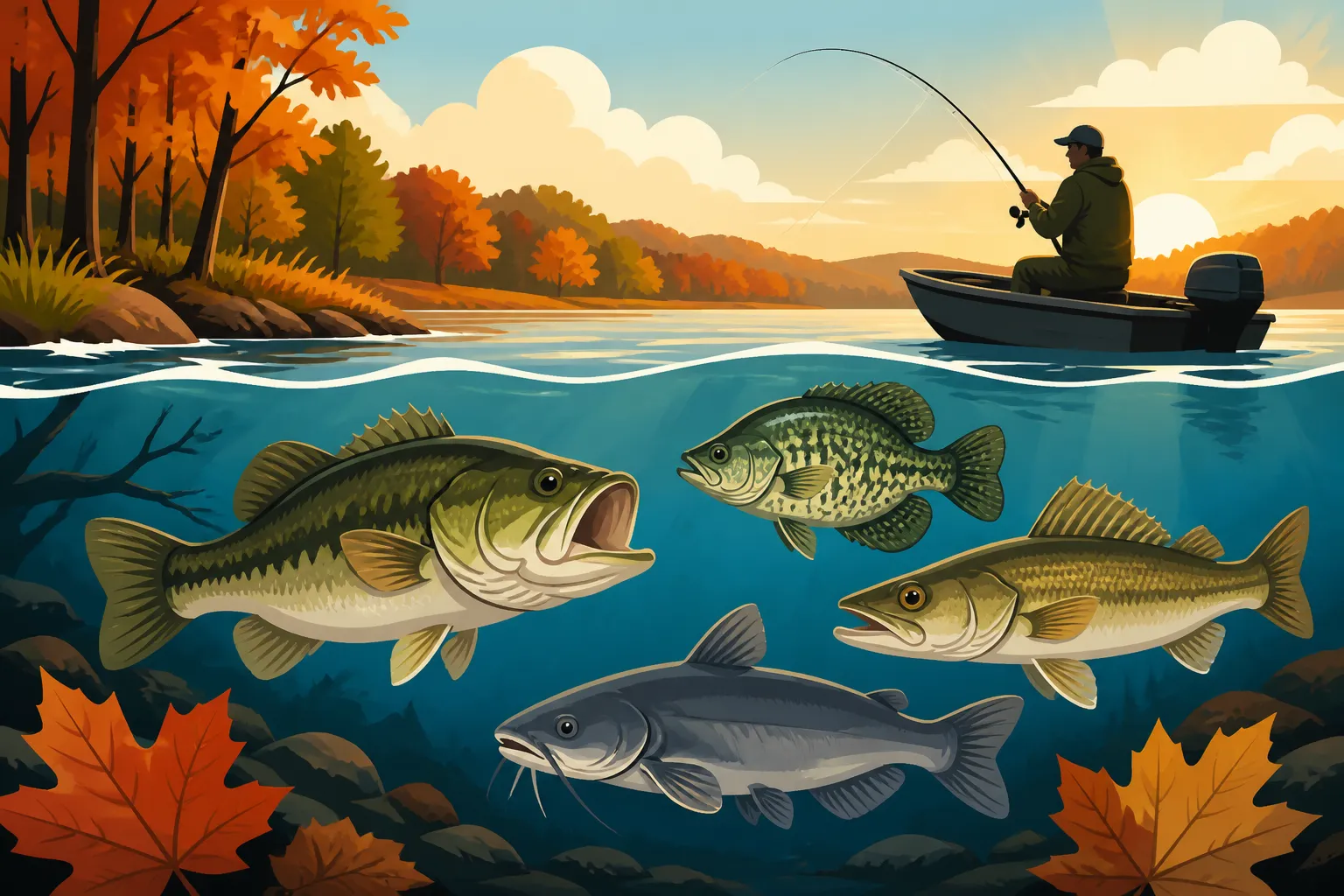
Fall fishing in Oklahoma is a truly special experience. The crowds thin out, the scenery is breathtaking with vibrant autumn foliage, and the fishing can be absolutely phenomenal. It’s a chance to enjoy the peace and quiet of the water while targeting some of the most active fish of the year.
Planning Your Trip
Before heading out, always check the local weather forecast. Fall weather in Oklahoma can be fickle, with sudden cold fronts or high winds. Dress appropriately in layers, and make sure your boat (if applicable) is in good working order and all safety equipment is aboard. Oklahoma Boat Safety Equipment Checklist is a great resource for ensuring you have everything you need. Also, remember to double-check specific lake regulations, as some areas might have unique rules for certain species or times of the year.
Consider targeting lakes known for specific species. For instance, if you're after trophy blue catfish, Lake Texoma or Lake Eufaula might be your top choices. For aggressive largemouth, Grand Lake or Lake Murray are excellent. If crappie is your game, Fort Gibson and Tenkiller are hard to beat. Each lake offers something a little different, and tailoring your destination to your target species will greatly improve your success. Best Fishing Spots in Oklahoma provides a fantastic overview of what various Oklahoma lakes have to offer.
Enjoying the Scenery and Solitude
One of the often-overlooked joys of fall fishing is the sheer beauty of the Oklahoma landscape. The trees around many of our lakes, especially in the eastern part of the state, burst into brilliant reds, oranges, and yellows. The air is crisp, the sun feels softer, and the buzz of summer boaters is largely gone. This provides a sense of solitude and connection with nature that's harder to find during the peak summer months.
So, while you're busy chasing those actively feeding fish, take a moment to look around. Breathe in the cool, fresh air. Enjoy the tranquility. Fall offers a unique blend of incredible fishing action and peaceful, scenic beauty that makes it a favorite season for many seasoned Oklahoma anglers. It's truly a time to savor every cast and every moment on the water.
Disclaimer
This article is for general informational purposes only and does not constitute professional advice. Laws, prices and regulations vary by location and change over time. Consult a qualified professional for guidance on your specific situation.