Paddlefish Snagging Gear Basics for Oklahoma’s Grand Lake
There's nothing quite like the rush of paddlefishing on Grand Lake O' the Cherokees, but if you've ever tried to tackle one of these prehistoric giants with your everyday bass setup, you know it's a recipe for frustration and heartbreak. These fish are big, strong, and demand a completely different approach to gear. This guide is all about diving deep into the specific equipment you'll need to successfully snag paddlefish, ensuring your next trip to Grand Lake is filled with triumphs, not snapped lines.
Understanding the Unique Challenge of Paddlefish Snagging
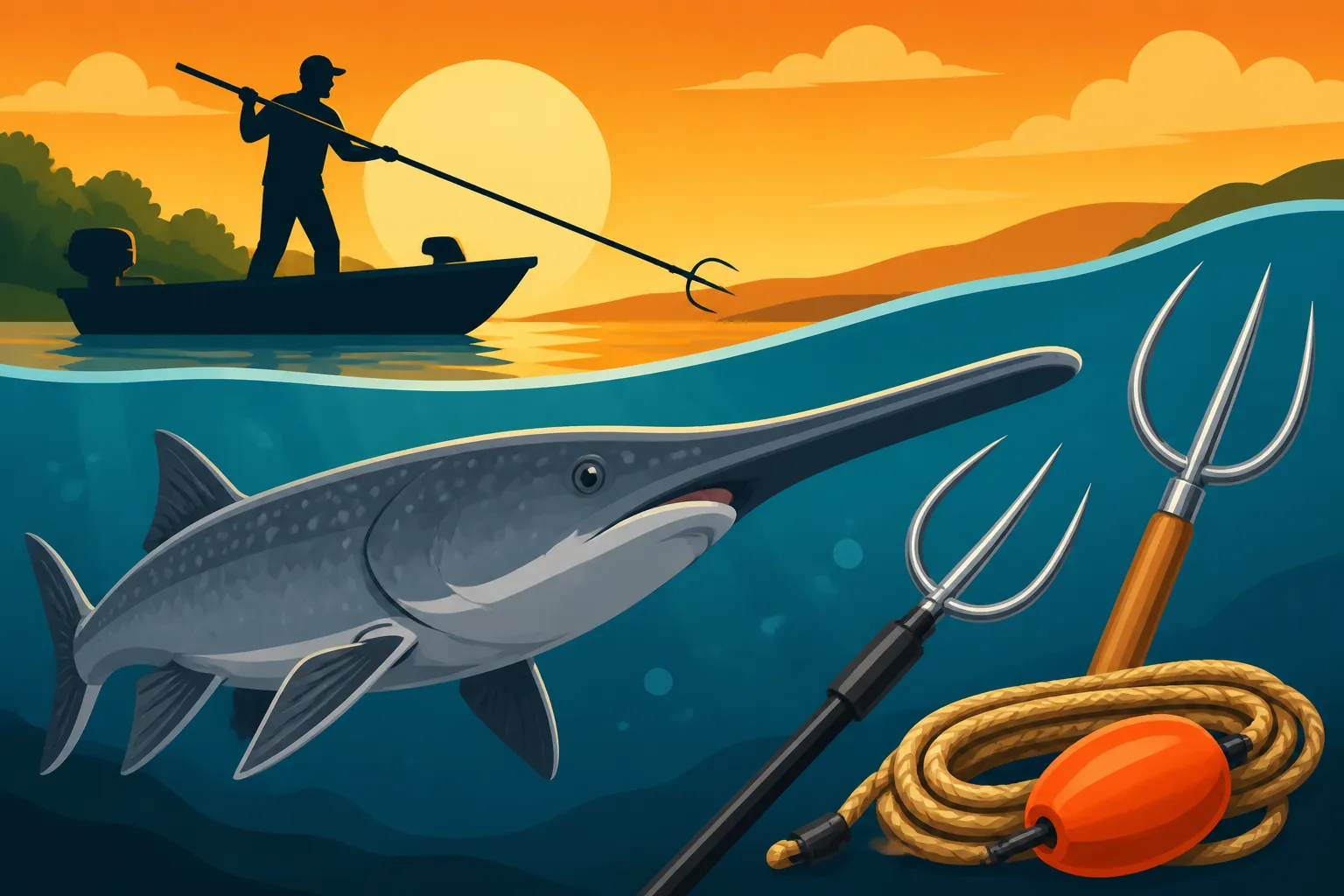
Before we even talk about specific rods or reels, it's crucial to understand why paddlefishing demands such specialized gear. This isn't your typical hook-and-line fishing experience. Paddlefish are filter feeders, meaning they don't strike lures or bait in the traditional sense. Instead, anglers target them by "snagging" them, which involves casting out a heavy line with a large treble hook and sweeping it through the water column, hoping to hook the fish externally. This technique, combined with the sheer power of the fish, dictates every gear choice you'll make.
The Power and Size of Grand Lake Paddlefish
Imagine hooking into a fish that could easily weigh as much as a small child, or even a grown adult. That's the reality of paddlefish on Grand Lake. They can grow incredibly large, with many fish caught in the 40-70 pound range, and some pushing well over 100 pounds. When you snag one, it's often hooked in the body, which means it will use its entire muscular frame to fight you. There's no delicate lip hook here; it's a full-on tug-of-war.
Their size isn't just about weight; it's about raw power. These fish are built for moving through water efficiently, and when they decide to run, they can strip line off a reel at an astonishing rate. They can dive deep, run long, and make sudden, powerful surges that will test the limits of your tackle and your own endurance. This isn't a passive sport; it's an active, demanding battle that requires gear capable of withstanding immense stress. Understanding this fight is the first step in preparing for a successful trip to the lake. If you want to know more about these incredible creatures, check out How Big Do Paddlefish Get in Oklahoma.
Why Standard Fishing Gear Just Won't Cut It
Trying to snag a massive paddlefish with a medium-heavy bass rod and 15-pound test line is like bringing a butter knife to a sword fight. It simply won't work, and you'll likely end up frustrated, losing expensive tackle, and potentially harming the fish if it breaks off with a hook still embedded. Standard gear isn't designed for the sudden, immense shock load of snagging a large fish mid-body, nor is it built for the prolonged, heavy-pressure fight that ensues.
Bass rods, even heavy ones, often lack the backbone and length needed to cast heavy weights and hooks effectively or to generate the leverage required to control a large paddlefish. Reels designed for bass fishing might have decent drag, but they often lack the line capacity and internal components to handle the continuous, brutal strain of reeling in a fighting paddlefish. Using inadequate gear not only jeopardizes your chances of landing a fish but also risks leaving fishing line and hooks in the water, which can be detrimental to the environment and other aquatic life. This is why you often hear experienced anglers talk about needing specialized setups, which is a great lead-in to understanding What Gear Do You Need for Paddlefish Snagging in Oklahoma.
The Foundation: Heavy-Duty Rods and Reels
The rod and reel are the heart of your paddlefishing setup. They need to be incredibly robust, designed to handle heavy weights, thick lines, and powerful fish. Skimping on these components will almost guarantee a disappointing day on the water. Think of it as building a house – you need a strong foundation.
Choosing the Right Snagging Rod: Power and Length
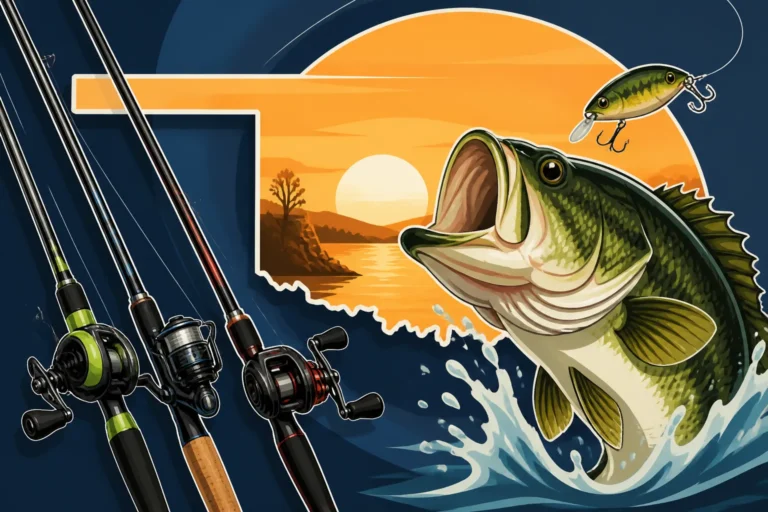
When it comes to paddlefish rods, "heavy" is the operative word. You're looking for a rod with a heavy to extra-heavy power rating and a fast to moderate-fast action. The power refers to the rod's ability to lift weight, while the action describes where the rod bends. A fast action helps with casting heavy weights and detecting "snags," but a moderate-fast action offers more parabolic bend to absorb those powerful paddlefish runs without snapping.
Length is also critical. Most serious paddlefish anglers opt for rods between 7 to 10 feet long. The longer length offers several advantages:
- Casting Distance: You'll be throwing heavy weights (often 8-12 ounces) and large treble hooks. A longer rod allows for greater leverage and casting distance, letting you cover more water, especially important when you're looking for schools of fish.
- Line Pick-up: When you're "snagging," you're making long sweeps with your rod to cover ground and feel for fish. A longer rod allows you to pick up more line with each sweep, making your technique more efficient.
- Leverage in a Fight: Once a paddlefish is hooked, a longer rod helps you apply more leverage, tiring the fish out faster and giving you better control, especially from a boat.
Material-wise, fiberglass or composite rods are often preferred over pure graphite for their durability and shock absorption, which are essential for the violent jolts of a snagged paddlefish. Graphite rods, while lighter and more sensitive, can be more brittle under the extreme stress of snagging. Many anglers also look for rods with a comfortable, extended butt section that can be braced against their body during the intense fight. You can find some excellent options at dedicated fishing retailers or even online through sites like Bass Pro Shops or Amazon, just be sure to read reviews and specifications carefully. This explains Why Paddlefish Snagging Needs a Heavy Rod and Treble Hooks in detail.
Matching Your Rod with a Robust Reel
Your reel for paddlefishing needs to be just as tough, if not tougher, than your rod. Large conventional reels (baitcasting reels) are the standard choice, and for good reason. They are built for brute force, high line capacity, and a super smooth, reliable drag system.
Here's what to look for:
- High Line Capacity: You need a reel that can hold a significant amount of heavy line, typically 80-150 yards of 80-100 lb braided line. A large paddlefish can make very long, powerful runs, and you don't want to be spooled. Look for reels designed for big game fishing, like those used for saltwater or catfish.
- Powerful, Smooth Drag System: This is arguably the most critical feature. When a large paddlefish takes off, its powerful runs will test your drag. It needs to be incredibly strong to slow the fish down, but also exceptionally smooth to prevent line breaks. A jerky or inconsistent drag will lead to snapped lines and lost fish. Look for carbon fiber or other high-quality drag washers.
- Durable Gearing and Construction: The internal gears of your reel will be under immense stress. Look for reels with brass or stainless steel gearing and a robust, corrosion-resistant frame. A strong handle and large knob are also beneficial for cranking power.
- High Gear Ratio (Optional but helpful): While not as critical as drag and capacity, a higher gear ratio (e.g., 5.0:1 or higher) can help you quickly retrieve slack line or reel in a paddlefish that's swimming towards you.
Many anglers prefer lever drag reels for their ease of adjustment during a fight, though star drag reels can also be highly effective if they are built with strong internal components. Don't be afraid to invest in a quality reel; it will be the workhorse of your paddlefish setup.
| Feature | Rod (Heavy to Extra-Heavy) | Reel (Large Conventional) |
|---|---|---|
| Power/Capacity | High lifting power, for 8-12 oz weights | High line capacity (80-150 yds of 80-100 lb braid) |
| Action | Fast to Moderate-Fast | Smooth, powerful drag system |
| Length | 7-10 feet | Durable gearing (brass/SS) and frame |
| Material | Fiberglass or Composite for durability | Large handle and knob for cranking power |
| Primary Function | Casting heavy weights, leverage in fight | Holds line, manages runs, provides retrieve power |
Unbreakable Connections: Line, Hooks, and Terminal Tackle
Once you have your rod and reel, the connections between you and the fish need to be absolutely bulletproof. This isn't the time for finesse; it's the time for brute strength and reliability. Every component, from your mainline to your swivels, must be up to the task of handling a thrashing, powerful paddlefish.
Selecting the Strongest Line for the Fight
Forget about monofilament for your main line in paddlefishing. You absolutely need braided line, and you need it in heavy tests.
- Strength and Diameter: Braided line offers incredible strength for its diameter. For paddlefishing, anglers typically use 80-pound test to 100-pound test braided line. Some even go heavier, up to 120 pounds, especially if they are targeting truly monster fish or fishing in areas with lots of snags. The thinner diameter of braid, compared to mono of similar strength, also means you can fit more line on your reel, which is a huge advantage.
- No Stretch: Unlike monofilament, braided line has virtually no stretch. This is vital for paddlefishing for two main reasons:
- Sensitivity: When you're "snagging," you need to feel the slightest bump or resistance as your hook sweeps through the water. The lack of stretch transmits every vibration directly to your rod tip, letting you know instantly if you've made contact with a fish.
- Hook Set: Once you feel that bump, you need an immediate, powerful hook set. Zero stretch ensures that all the energy from your rod sweep is transferred directly to the hook, helping it penetrate deeply into the tough hide of the paddlefish.
- Abrasion Resistance: While braid is generally very strong, it can be susceptible to abrasion against sharp rocks or the rough body of a large fish. Some anglers choose to add a short leader of heavy monofilament or fluorocarbon (100-150 lb test) for added abrasion resistance right at the hook, though many go straight braid to their terminal rig for maximum feel.
Choosing a high-quality, name-brand braid will give you confidence in its knot strength and consistent performance. Don't cut corners here; your line is your direct link to the fish.
The Importance of Large, Sharp Treble Hooks
This is where the "snagging" technique really comes into play. You won't be using single hooks with bait. Instead, you'll be deploying large, heavy-duty treble hooks.
- Size Matters: Paddlefish hooks are significantly larger than what you'd use for most freshwater species. Common sizes range from 8/0 to 12/0. The larger size increases the chance of a successful snag when sweeping through the water. Think about the paddlefish's broad, cartilaginous body; a small hook simply won't have enough reach or surface area to consistently connect.
- Strength is Paramount: These hooks need to be incredibly strong to withstand the force of a powerful hook set and the subsequent battle with a large fish. Look for extra-heavy wire, 4X or 5X strong treble hooks. You're not just trying to hold a fish by its mouth; you're often hooking it in tough body tissue, which requires maximum penetration and structural integrity.
- Sharpness: Out of the box, hooks need to be razor sharp. Some anglers even take the time to hand-sharpen their hooks further before a trip. A dull hook will struggle to penetrate, leading to lost fish and wasted effort. Regular inspection and sharpening are key.
- Single vs. Double vs. Triple Trebles: While a single large treble hook is the most common setup, some anglers experiment with two trebles on a single leader for increased snagging potential. Always check local regulations before experimenting, as some areas may have limits on the number of hooks or hook points. For Grand Lake specifically, be aware of the rules. For more details on this specific component, check out Best Treble Hook Size for Paddlefish Snagging.
Weights, Swivels, and Essential Connectors
The unsung heroes of your paddlefish rig are the small but critical terminal tackle components.
- Weights: You'll need heavy weights to get your treble hook down to the fish quickly and keep it in the strike zone. Lead weights ranging from 8 ounces to 16 ounces are standard, with 10-12 ounces being very common. The exact weight will depend on current, depth, and how fast you want your rig to sink. Pyramid sinkers or bank sinkers are popular choices due to their ability to hold bottom or sink quickly.
- Swivels: Heavy-duty barrel swivels or ball bearing swivels are essential to prevent line twist, especially with the heavy line and repetitive casting and sweeping. Always use swivels rated for a higher test than your main line. A 200 lb test swivel is not overkill here.
- Snaps/Rings: If you're using a leader or want the ability to quickly change your weight or hook, heavy-duty snaps or split rings can be useful. Again, ensure they are rated for extreme strength and won't fail under pressure.
- Leader Material: As mentioned, some anglers prefer a short leader (1-3 feet) of heavy monofilament or fluorocarbon (100-150 lb test) between their main braid and the treble hook. This provides an extra layer of abrasion resistance, which can be critical if the fish rolls or thrashes against your line. It can also act as a shock absorber. However, it can slightly reduce sensitivity, so it's a trade-off.
Putting all these elements together correctly is essential for a reliable setup. Each knot must be tied perfectly, and every connection must be robust. A weak link in the chain will almost certainly lead to a lost fish. If you're planning a trip to Grand Lake, consider referring to Paddlefish Snagging at Grand Lake O' the Cherokees for more localized advice.
Beyond the Rod: Essential Accessories for a Successful Trip
While your rod, reel, line, and hooks are the core, a successful and safe paddlefishing trip on Grand Lake involves much more. These accessories can make the difference between a frustrating outing and a smooth, enjoyable, and productive experience.
Safety First: Life Jackets and PFDs
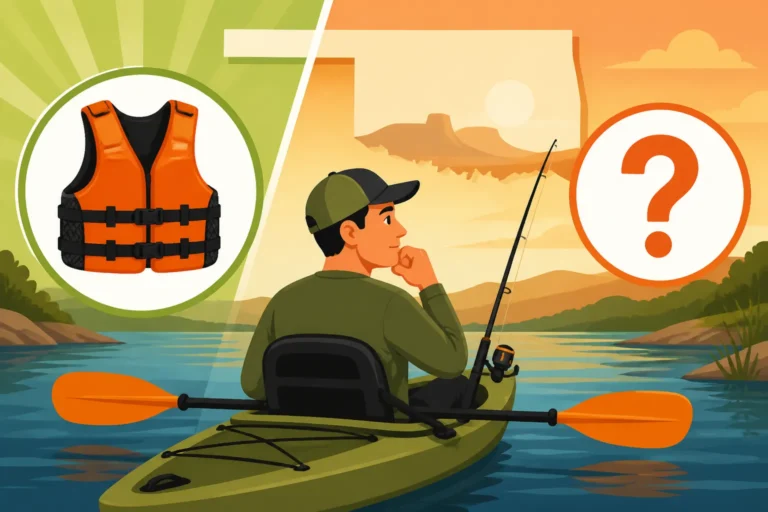
This should go without saying, but it's astonishing how many people overlook basic safety when they're excited to fish. When you're on a large body of water like Grand Lake, especially when dealing with heavy tackle and powerful fish, wearing a properly fitted life jacket or PFD (Personal Flotation Device) is non-negotiable.
- Unexpected Falls: Snagging paddlefish often involves aggressive casting, sweeping, and intense fights. It's easy to lose your balance, especially in a boat that might be rocking. A sudden fall overboard, particularly in cold water or if you're alone, can turn dangerous quickly.
- Heavy Gear: Imagine falling into the water while still holding a heavy rod and reel, or worse, getting tangled in heavy line. A PFD gives you crucial flotation and peace of mind.
- Cold Water: Depending on Paddlefish Snagging Season in Oklahoma, water temperatures can be quite chilly. Hypothermia is a real threat, and a life jacket increases your survival chances if you unexpectedly go for a swim.
- Legal Requirement: Always be aware of Oklahoma's boating safety regulations, which often include requirements for PFDs on board, especially for children. It's not just a recommendation; it's the law.
Modern life jackets are comfortable and don't impede movement, so there's really no excuse not to wear one. Your safety, and the safety of anyone fishing with you, should always be the top priority.
Landing and Handling Gear for Big Fish
Landing a 50+ pound paddlefish isn't like netting a crappie. You need specialized tools to safely bring these giants into your boat or onto the bank.
- Heavy-Duty Net or Gaff: A standard fishing net simply won't cut it. You need an extra-large, deep-hoop landing net with a strong, reinforced handle and heavy-duty, tangle-free netting. Some experienced anglers opt for a gaff, which is a large hook on a pole used to secure the fish. If using a gaff, target an area that won't damage the meat if you plan to keep the fish, or avoid it entirely if you intend to release. Always know how to properly and ethically use a gaff to minimize harm to the fish.
- Gloves: Heavy-duty gloves, such as those used for handling catfish or even commercial fishing, are essential. Paddlefish have rough skin and sharp scutes (bony plates), and they can thrash violently. Gloves protect your hands from cuts, abrasions, and hook punctures.
- Pliers/Bolt Cutters: Once landed, the treble hook can be deeply embedded. You'll need a strong pair of long-nosed pliers for hook removal. In extreme cases, if a hook is stubborn or dangerously positioned, bolt cutters might be necessary to cut the hook itself for safe removal.
- Measuring Tape/Scale: If you plan to keep your catch, or just want bragging rights, a reliable measuring tape and a heavy-duty digital scale are vital. Ensure your scale can handle fish weighing well over 100 pounds.
- Cooler/Storage: If you're keeping your paddlefish (and remember to check regulations on Oklahoma's Bag Limit Rules by Species and Forked-Tail Catfish Limits in Oklahoma – though paddlefish have their own specific rules), you'll need a large cooler. These fish are big, so a 100-quart or larger cooler, well-iced, is often necessary to properly preserve your catch.
Being prepared with the right landing and handling gear ensures a smoother, safer experience for both you and the fish. Remember, always prioritize responsible handling, especially if you intend to release your catch. For tips on managing your catch, you might also find Is Paddlefish Good to Eat? interesting.
Equipping Your Expedition: Where to Find Your Gear
Gathering all this specialized gear might seem like a daunting task, but with a clear understanding of what you need, it becomes much easier. You have several avenues for purchasing the right paddlefishing tackle, each with its own advantages.
Shopping for Quality at Dedicated Sporting Goods Stores
For serious anglers, a visit to a large, dedicated sporting goods store is often the first step. Places like Bass Pro Shops or Cabela's are fantastic resources because they typically:
- Offer a Wide Selection: They stock a broad range of heavy-duty rods, conventional reels, high-test braided line, and oversized treble hooks that you won't find at a general retail store. You can often see and handle the gear before you buy it, giving you a better feel for its weight, balance, and quality.
- Knowledgeable Staff: The staff at these stores are often experienced anglers themselves. They can provide invaluable advice, recommend specific brands or models that are popular for paddlefishing in Oklahoma, and help you ensure your rod and reel are properly matched. Don't hesitate to ask questions about line ratings, drag systems, and hook sizes.
- Hands-on Experience: Being able to physically inspect a rod for its backbone or test the smoothness of a reel's drag is a huge advantage. You can feel the quality and ensure it meets your expectations for handling a monster paddlefish.
- Immediate Gratification: You walk in, you buy your gear, and you're ready to hit the lake. No waiting for shipping!
While specialized gear might be a bit pricier, the investment in quality equipment pays off in reliability and performance when you're battling a true river monster.
Online Convenience and Research
In today's digital age, online retailers like Amazon and other dedicated fishing tackle websites offer incredible convenience and a vast selection.
- Unparalleled Variety: Online stores often have an even wider array of brands and specific models than brick-and-mortar stores. This is particularly useful if you're looking for very niche or hard-to-find components.
- Competitive Pricing: The online marketplace often leads to more competitive pricing, and you can frequently find sales or discounts that aren't available elsewhere.
- Customer Reviews: One of the biggest advantages of online shopping is the access to customer reviews. You can read feedback from other anglers who have used the gear for paddlefishing, giving you real-world insights into its performance, durability, and any potential drawbacks. This can be incredibly helpful in making informed decisions, especially for items you can't physically inspect.
- Direct Shipping: For those who live far from a major sporting goods store, online shopping means your gear comes directly to your door, saving you travel time and gas.
However, buying online means you can't get a feel for the rod or reel in your hands, and you don't have immediate access to expert advice. It's a good idea to do your research thoroughly, compare specifications, and leverage those customer reviews before making a purchase. Ultimately, whether you shop in person or online, the goal is to acquire gear that is robust, reliable, and perfectly suited for the intense demands of How to Snag Paddlefish at Grand Lake O' the Cherokees, Oklahoma. Making sure you've got everything covered is key, so consider using a Paddlefish Snagging Gear Checklist for Grand Lake before you head out.
Disclaimer
This article is for general informational purposes only and does not constitute professional advice. Laws, prices and regulations vary by location and change over time. Consult a qualified professional for guidance on your specific situation.