Best Boat for Bass Tournaments in Oklahoma
It's a common dilemma for serious anglers in Oklahoma: you love the thrill of a bass tournament, but your current rig just isn't cutting it. Whether you're struggling with speed, storage, or simply the ability to comfortably fish all day, the right tournament boat can feel like an elusive dream. This guide is here to walk you through exactly what to look for in a bass tournament boat, tailored specifically to the diverse waters and competitive spirit of Oklahoma, helping you make an informed decision for your next season.
Understanding the Demands of Tournament Fishing in Oklahoma
Tournament fishing isn't just about catching fish; it's about efficiency, endurance, and strategy. In Oklahoma, with our sprawling lakes and intense competition, your boat becomes an extension of your angling prowess. It needs to handle long runs, rough water, and provide a comfortable, organized platform for fishing.
Speed and Performance Across Vast Lakes
Oklahoma boasts some truly massive reservoirs, like Lake Eufaula, Lake Texoma, and Grand Lake O' the Cherokees. Covering vast distances quickly to hit multiple spots or get to a hot bite before the competition is crucial. Imagine you've pre-fished a pattern on the north end of Lake Texoma, but the morning bite demands you start on the south end. Without a boat capable of making those long, fast runs safely and efficiently, you're already at a disadvantage. This isn't just about winning a drag race; it's about maximizing your fishing time. The ability to outrun a sudden storm or quickly move to more sheltered waters when the wind kicks up on a big lake is also a huge safety benefit. When considering your ideal vessel, think about Best Boat for Windy Days on Lake Texoma as a primary factor for performance.
Essential Storage and Livewell Systems
A tournament angler's boat isn't just for transportation; it's a mobile tackle shop, a scientific laboratory, and a fish hospital all rolled into one. You'll need ample, organized storage for dozens of rods and reels, multiple tackle boxes, safety gear, and personal items. Think about the sheer volume of gear you bring for a full day of tournament fishing – different rods for different techniques, spare parts, rain gear, snacks, drinks. Clutter not only wastes precious time but can also be a safety hazard. Furthermore, a top-tier livewell system is non-negotiable. It needs to keep your hard-earned bass healthy and lively throughout the day, especially during those long hauls back to the weigh-in station. A well-designed livewell will have proper aeration, circulation, and temperature control to minimize stress on the fish. You don't want to lose fish due to poor livewell conditions; every ounce counts in a tournament.
Comfort and Ergonomics for Long Days
Tournament days are long, often starting before dawn and ending well after dusk, sometimes even Summer Night Fishing Techniques in Oklahoma are employed. You'll spend hours standing, casting, and maneuvering the boat, often in various weather conditions. A comfortable boat with ergonomic seating, a stable casting deck, and a well-thought-out helm is paramount. Fatigue can lead to mistakes, missed bites, and even safety issues. A comfortable driver's seat with good back support helps absorb the shock of rough water, protecting your body over the course of a punishing run. For the co-angler or partner, comfortable seating that allows for easy movement and access to gear is also important. Details like padded decks, easily accessible storage, and a clear, organized console can make a world of difference in your stamina and focus.
Key Features That Set Tournament Boats Apart
When you step into a dedicated bass tournament boat, you'll immediately notice differences from a recreational fishing boat. These differences are designed to give anglers a competitive edge and ensure fish care.
Powerful Engines and Reliable Trolling Motors
At the heart of any tournament boat is its engine. These boats are typically rigged with the maximum horsepower allowed for their hull size, usually ranging from 150 to 300+ horsepower. This isn't just for speed, but for hole shot (how quickly the boat gets on plane), fuel efficiency, and the ability to punch through chop. Paired with a robust outboard, a high-thrust, GPS-enabled trolling motor is equally critical. Brands like Minn Kota and MotorGuide are common, offering features like spot-lock to hold your boat precisely on a structure, or route-tracking to follow a contour. This frees you up to focus on fishing, rather than constantly adjusting your position, especially when How to Anchor a Boat for Better Fishing manually isn't ideal in windy conditions. The engine and trolling motor are your primary tools for navigating and positioning, and investing in quality here will pay dividends.
Advanced Electronics and Navigation
Modern bass boats are veritable floating data centers. High-definition fish finders with side imaging, down imaging, and 2D sonar are standard, often with multiple units networked together at the bow and console. These sophisticated electronics help you locate structure, identify fish, and interpret what's happening beneath the surface. GPS mapping capabilities are crucial for navigating safely, marking waypoints, and returning to productive spots with precision. You'll find a deep dive into these tools in our guide on Fish Finder Features That Matter Most on Oklahoma Reservoirs. Many anglers integrate their trolling motor with their sonar units for ultimate control. These aren't just gadgets; they are essential tools that transform how you find and catch fish, giving you an undeniable edge in competitive angling.
Specialized Hull Design and Construction
Tournament bass boats are designed for specific performance characteristics. Their hulls are typically made of fiberglass, known for its smooth ride in rough water and ability to be molded into efficient, high-performance shapes. You'll notice a distinct V-hull entry that transitions to a flatter pad towards the stern, allowing for quick planning and high top-end speeds. The layout features wide, stable casting decks both fore and aft, providing plenty of room for two anglers to fish comfortably without getting in each other's way. The construction prioritizes durability and lightweight materials to maximize speed and handling. This specialized design is a compromise: while they excel at speed and stability on plane, they might not be as nimble in extremely shallow, stump-filled backwaters as some aluminum jon boats, but for most Oklahoma reservoirs, they are perfectly suited.
Matching Your Boat to Oklahoma's Diverse Lake Landscape
Oklahoma's fishing scene is incredibly varied, from massive open-water reservoirs to winding river systems and smaller, timber-filled lakes. Your ideal tournament boat needs to be versatile enough to handle these different environments.
Navigating Shallow vs. Deep Water Challenges
Consider the types of lakes you'll be fishing most often. If your tournaments frequently take you to shallower, timber-rich lakes like parts of Lake Eufaula, a boat with a shallower draft or one that handles well in tight spaces might be beneficial. However, if you're primarily competing on deep, clear lakes like Tenkiller Ferry Lake or the expansive Lake Texoma, a longer, heavier boat designed to cut through big waves and make long runs will be more advantageous. There's no single "best" boat for every situation, so understanding your primary fishing grounds is key. For example, a larger, deeper V-hull will conquer the rough waters of Texoma more comfortably than a smaller, flatter-bottomed rig. Think about where Best Bass Fishing Spots on Lake Texoma Near Durant are and how you'd get to them.
Handling Oklahoma's Variable Weather Conditions
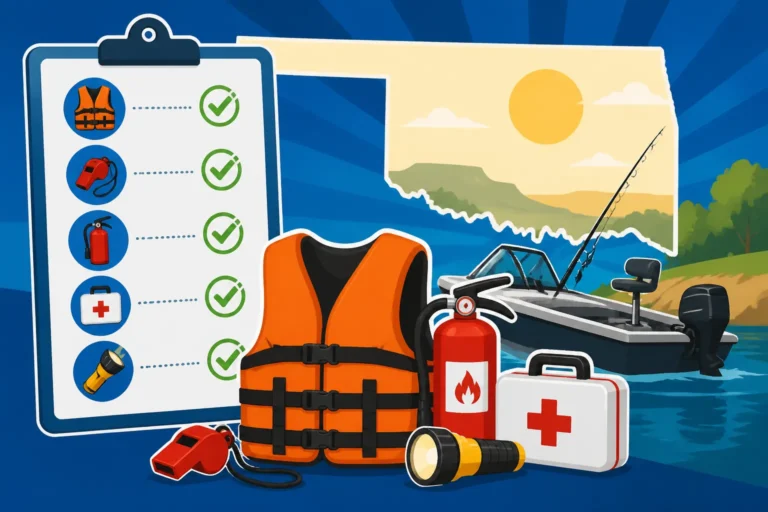
Oklahoma weather is famously unpredictable. Sunny, calm mornings can quickly turn into windy, choppy afternoons, sometimes bringing sudden thunderstorms. Your tournament boat needs to provide a safe and stable platform through these changes. A deeper hull with a higher freeboard (the distance from the water to the top of the boat's side) offers more protection from spray and keeps occupants drier and safer in rough conditions. A wider beam also contributes to stability, making casting and moving around the boat safer when the water gets bouncy. While no boat can completely eliminate the discomfort of rough water, a well-designed tournament rig will make it much more manageable, allowing you to focus on fishing rather than fighting the elements. Remember to always have a Safety Gear Checklist for Oklahoma Boaters on board.
Trailering and Launching Considerations
Beyond the water, consider the logistics of getting your boat to and from the lake. Oklahoma's boat ramps vary greatly, from well-maintained concrete ramps at state parks to steeper, more primitive options. A larger, heavier bass boat will require a more substantial tow vehicle, and backing it down a steep ramp can be intimidating for new owners. Ensure your trailer is properly sized for your boat and in good working order. Also, think about storage – do you have adequate space at home or will you need to rent storage? While these aren't directly about fishing performance, they are crucial practical considerations that impact your tournament experience. Our guide on Boat Ramp Etiquette at Busy Oklahoma Lakes might be helpful for navigating launch sites.
The Realities of Tournament Boat Ownership
Owning a high-performance tournament bass boat is a significant investment, and it's not just the initial purchase price you need to consider. There are ongoing costs and maintenance that are important to factor into your budget.
Ongoing Maintenance and Running Costs
These boats, with their powerful engines and complex electronics, require regular maintenance to stay in top condition. This includes routine engine servicing, winterization, and occasional repairs to the trolling motor, livewell pumps, or electrical systems. Fuel costs can also be substantial, especially with today's higher horsepower outboards and long tournament runs. A full day of pre-fishing and a tournament can easily consume dozens of gallons of premium fuel. Additionally, you'll need to stock up on various cleaning supplies to keep your boat looking sharp, not just for pride, but to protect your investment. Factor in oil changes, lower unit fluid, and prop repairs, and you'll quickly see that the running costs add up.
Insurance and Registration Requirements
Just like your car, your tournament boat needs to be insured. Given the value of these vessels, comprehensive marine insurance is a must-have, protecting against theft, damage, and liability. Policy costs will vary based on the boat's value, your boating record, and where you store it. Furthermore, every motorized boat in Oklahoma, including your tournament rig, must be registered with the Oklahoma Tax Commission. There are fees associated with both the initial registration and annual renewals. You can learn more about this in our guide on Oklahoma Boat Registration and Titling Rules Explained. These are non-negotiable costs that must be accounted for in your overall budget, and getting caught without them can lead to significant penalties.
Considering Used vs. New Options
Deciding between a new or used tournament bass boat is a big choice. A new boat offers the latest technology, a factory warranty, and the peace of mind that comes with knowing its history. However, it also comes with a hefty price tag. Used boats, on the other hand, can offer excellent value, especially if they've been well-maintained. You might find a high-quality, slightly older model with some upgrades at a fraction of the cost of new. When buying used, a thorough inspection by a qualified marine mechanic is crucial, along with checking the engine hours and maintenance records. Whether new or used, consider outfitting your boat with essential gear. You can find a vast selection of electronics, rods, reels, and general boating accessories at retailers like Bass Pro Shops, or even scour deals online at Amazon for items like extra safety vests, throwable devices, or specialized tools. Many tournament anglers opt for a newer boat, knowing they will put it through its paces during many long and intense fishing days.
| Feature | Tournament Bass Boat (Typical) | Recreational Fishing Boat (Typical) |
|---|---|---|
| Engine Horsepower | 150-300+ HP (often maximum allowed) | 50-150 HP (varies widely) |
| Hull Material | Fiberglass (performance-oriented) | Aluminum or Fiberglass |
| Deck Space | Large, open, stable casting decks (fore & aft) | Smaller, more varied, often with seating for leisure |
| Livewell System | Dual, aerated, recirculating, temperature-controlled | Single, basic aeration, sometimes portable |
| Electronics | Multiple high-res fish finders, networked GPS, advanced | Single basic fish finder, handheld GPS |
| Trolling Motor | High-thrust, GPS-enabled, pedal or remote control | Lower thrust, foot pedal, often simpler |
| Storage | Extensive rod lockers, tackle compartments, gear lockers | Basic compartments, often less specialized |
| Speed | High (50-80+ mph) | Moderate (20-40 mph) |
| Cost | Significantly higher investment | Lower to moderate investment |
This article is for general informational purposes only and does not constitute professional advice. Laws, prices and regulations vary by location and change over time. Consult a qualified professional for guidance on your specific situation.