Best Boat Storage and Cover Gear for Oklahoma Weather
Oklahoma's weather can be a real challenge for boat owners, swinging from scorching summer sun to icy winter winds, often with violent thunderstorms and hail thrown in for good measure. If you're an angler, you know that keeping your boat in top shape means protecting it from these harsh elements, but figuring out the best storage and cover gear can feel overwhelming. This comprehensive guide will walk you through everything you need to know to safeguard your prized vessel, ensuring it's ready for your next fishing adventure, no matter what the Oklahoma skies decide to do.
Understanding Oklahoma's Unique Weather Challenges for Boats
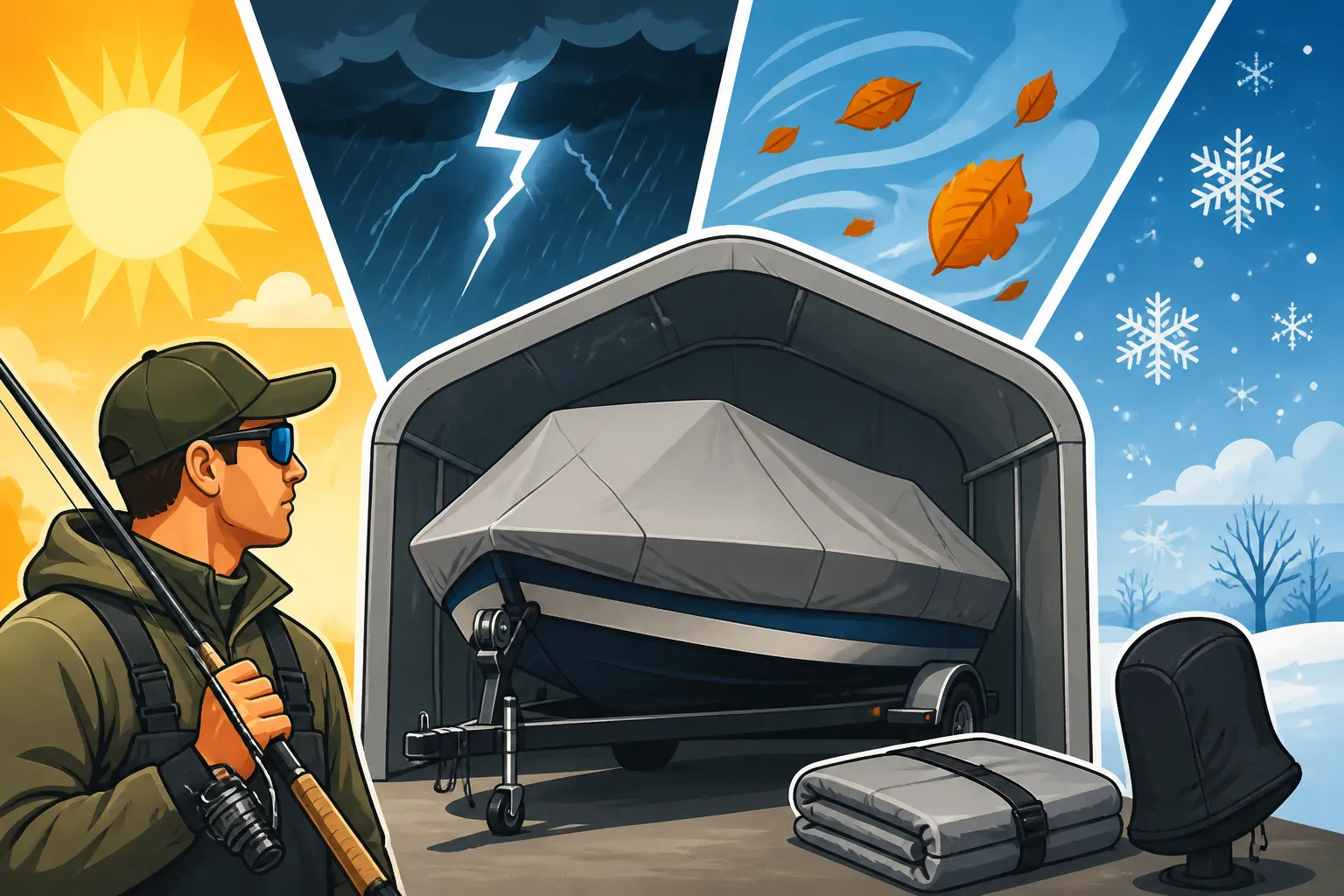
Fishing in Oklahoma means contending with a diverse and often extreme climate. It’s not just about a little rain or sunshine; we’re talking about intense conditions that can quickly degrade your boat’s exterior, electronics, and even its structural integrity if you're not properly prepared. Ignoring these factors can lead to costly repairs and a shorter lifespan for your beloved fishing machine.
The Intense Oklahoma Sun and UV Damage
Our summers here in Oklahoma are no joke. Days regularly push into the high 90s and even triple digits, with the sun beating down relentlessly. This isn't just uncomfortable for us; it's a brutal assault on your boat's gel coat, upholstery, and electronics. Ultraviolet (UV) radiation from the sun is a silent killer of marine materials, causing fading, cracking, and brittleness over time.
Think about leaving your boat uncovered for just a few weeks. That vibrant blue hull might start to look chalky, the rich color of your seats could fade to a washed-out hue, and the plastic on your console or fish finder could become brittle and crack. This UV degradation doesn't just make your boat look old; it compromises the very materials designed to protect it from water and wear. It's a constant battle against the elements, and without a proper cover, the sun always wins.
Extreme Weather: Hail, Wind, and Winter Freezes
Beyond the sun, Oklahoma throws a whole arsenal of other challenges at your boat. We experience some of the most dramatic thunderstorms in the country, often bringing large hail, torrential rain, and hurricane-force winds. A sudden hailstorm can leave hundreds of tiny dents on your gel coat, shatter windshields, and damage sensitive equipment. High winds can rip unsecured covers, toss lightweight boats, or even cause damage from airborne debris.
Then there's winter. While not always as long or harsh as northern states, Oklahoma winters still bring freezing temperatures that can wreak havoc on engines, livewells, and plumbing systems if not properly winterized. Freezing and thawing cycles can also damage boat covers and leave your vessel exposed. These extreme conditions highlight why a thoughtful approach to boat storage and covering is absolutely essential, rather than just throwing any old tarp over it. How to Store a Boat Over Winter in Oklahoma becomes a critical read for any boat owner.
Essential Boat Cover Types and Materials
Choosing the right boat cover is perhaps the most crucial decision you'll make for protecting your investment. It's not a "one size fits all" situation, especially with Oklahoma's diverse weather patterns. You need a cover that can stand up to the sun, shed water, resist tears from wind, and deter curious critters.
Custom-Fit vs. Semi-Custom vs. Universal Covers
When you're looking for a boat cover, you'll generally encounter three main categories:
- Custom-Fit Covers: These are the gold standard. They're designed specifically for your boat's make, model, and year, hugging every curve and contour perfectly. This snug fit offers superior protection against wind, rain, and debris, as there's less excess fabric to flap or pool water. While they're often the most expensive upfront, their longevity and protective qualities can save you money in the long run by preventing damage. You can often find high-quality custom covers through marine dealerships or specialized fabricators.
- Semi-Custom Covers: These covers are designed to fit a range of boats within a specific style (e.g., bass boat, center console, runabout) and length. They offer a good balance of fit and affordability, providing much better protection than universal covers without the premium price tag of a custom option. They usually come with straps or elastic hems to help cinch them down for a tighter fit. Many popular brands offer semi-custom options for common boat types, often available at retailers like Bass Pro Shops.
- Universal Covers: These are the most budget-friendly option, designed to fit a broad spectrum of boat sizes and styles. While they provide basic protection against dust and light rain, they rarely offer a snug fit. Excess material can flap in the wind, leading to abrasion on your boat's finish and premature wear on the cover itself. Water can also pool in depressions, creating heavy spots that stretch the fabric and can even lead to mildew. For Oklahoma's intense weather, a universal cover should only be a very temporary solution, if used at all.
Understanding Boat Cover Materials
The material of your boat cover dictates its performance and durability. Each has its own strengths and weaknesses, making some better suited for specific Oklahoma conditions than others.
- Polyester: A popular choice for its balance of durability, water resistance, and affordability. Polyester covers are generally breathable, which helps prevent mildew, and can be treated for enhanced UV resistance. They come in various deniers (thread counts), with higher denier fabrics being thicker and more resistant to tears. Look for marine-grade polyester for better performance against the elements.
- Acrylic (e.g., Sunbrella): Considered a premium material, acrylic fabrics like Sunbrella are renowned for their exceptional UV resistance, colorfastness, and breathability. They stand up incredibly well to intense sun without fading or degrading, making them a fantastic choice for Oklahoma summers. While highly water-repellent, they are not completely waterproof and will eventually wet through in prolonged heavy rain, though they dry quickly. They are more expensive but offer excellent long-term value.
- Coated Polyester/Canvas: These materials often feature a polyurethane or vinyl coating on one side, making them more waterproof than uncoated options. While this offers excellent rain protection, the trade-off can be reduced breathability, which can trap moisture and lead to mildew if not properly ventilated. They are generally durable and resistant to tears, a good option if absolute waterproofing is your top priority in areas prone to pooling.
- Specialized Marine Fabrics: Many manufacturers develop their own proprietary blends, often combining the best aspects of different materials. These might offer enhanced tear strength, advanced UV inhibitors, superior breathability, or unique coatings for specific performance characteristics. Always check the manufacturer's specifications for these specialized fabrics to ensure they meet your needs.
Here's a quick comparison of common boat cover materials:
| Material Type | UV Resistance | Water Resistance | Breathability | Durability | Typical Cost | Best Use Case in Oklahoma |
|---|---|---|---|---|---|---|
| Marine Polyester | Good | Good | Good | Good | Mid-range | General all-season protection, often needs UV treatment |
| Coated Polyester | Good | Excellent | Fair | Good | Mid-range | Heavy rain/hail areas, but ensure ventilation to prevent mildew |
| Acrylic (Sunbrella) | Excellent | Good | Excellent | Excellent | High | Long-term outdoor storage, intense sun, breathable |
| Vinyl/PVC | Fair | Excellent | Poor | Good | Low-Mid | Heavy-duty, but can trap heat/moisture, prone to cracking in cold |
Protecting Your Boat from Oklahoma's Elements
Beyond just the cover, a holistic approach to boat storage involves addressing various environmental threats that our state throws at us. From securing your boat against high winds to ensuring proper drainage, every detail matters in preserving your investment.
Securing Your Boat Cover Against Wind and Storms
A boat cover is only as good as its ability to stay on the boat. Oklahoma's strong winds, especially during severe weather, can turn a poorly secured cover into a kite or, worse, a destructive force against your boat's finish. Proper tie-downs are non-negotiable.
Most quality covers come with integrated straps and buckles, but you might need to supplement these with additional bungee cords or specialized boat cover clips, especially if you're using a semi-custom or universal cover. Ensure all straps are pulled taut and securely fastened to your boat's trailer frame or tie-down points. If your boat is stored on a lift or in the water, you'll need a cover system designed for those conditions, often with weighted hems or robust perimeter cords. Never underestimate the force of Oklahoma winds; a loose cover flapping can cause more damage through abrasion than the elements themselves. Think of it like a constant sandpaper effect against your gel coat.
Preventing Water Pooling and Mildew Growth
One of the biggest enemies of an enclosed boat, especially in a humid climate like Oklahoma, is moisture. Water pooling on your cover is not only bad for the cover itself, stretching and weakening the fabric, but it can also allow moisture to seep through, creating a damp, stagnant environment underneath. This is a breeding ground for mildew and mold, which can quickly ruin upholstery, carpeting, and even penetrate into your boat's structure.
To combat this, boat cover support poles or frame systems are highly recommended. These create a peak in the center of the cover, allowing water to shed off naturally. You can find adjustable support poles that fit into rod holders or sit on the deck, creating that crucial slope. Alternatively, some covers come with integrated support structures. If you're storing your boat outside, ensuring it's slightly tilted (either via trailer jack or blocks) can also help with water runoff. Additionally, consider using moisture absorbers inside the boat, especially during prolonged storage or high humidity periods. Ventilation is key; even with a waterproof cover, some airflow can make a huge difference in preventing mildew.
Protecting Your Trailer and Tires
While your boat often gets all the attention, your trailer is equally exposed to the elements and is vital for getting your vessel to the water. The Oklahoma sun and weather can degrade trailer tires, bearings, and wiring just as easily as they do boat components.
Sun exposure is particularly harsh on tires, causing sidewall cracking and dry rot, even if they have plenty of tread. Investing in a good set of tire covers can significantly extend their life. These simple covers block UV rays and protect against harsh weather. For bearings, especially if you store your boat for extended periods, consider using bearing protectors to keep moisture out. Regularly checking tire pressure, lubricating moving parts, and inspecting wiring for rodent damage or weather wear are all part of smart storage. After all, a fishing trip can't happen if your trailer isn't road-ready. Boat Trailer and Ramp Tips for Oklahoma's Big Lakes elaborates on crucial trailer maintenance.
Long-Term Boat Storage Solutions
Sometimes, you need to store your boat for more than just a few weeks or a season. Whether it's for winterization, an extended break from fishing, or simply because you have multiple boats, choosing the right long-term storage solution is paramount to maintaining your boat's condition and value.
Indoor Storage Facilities
For ultimate protection, indoor storage is hard to beat. This option completely shields your boat from all external elements—sun, rain, hail, wind, and freezing temperatures. Indoor storage can range from simple pole barns to climate-controlled facilities.
- Non-Climate-Controlled Indoor Storage: This usually means storing your boat in a large warehouse or covered shed. It protects against direct weather exposure, significantly reducing UV damage, hail risk, and wind stress. However, temperature and humidity will fluctuate with the outside environment. This is a great choice for winter storage, keeping your boat dry and out of the wind.
- Climate-Controlled Indoor Storage: The Cadillac of boat storage. These facilities maintain consistent temperatures and humidity levels, providing the best possible environment for your boat. This is ideal for high-value boats, vessels with sensitive electronics, or if you simply want the absolute best preservation. The cost is typically higher, but for many, the peace of mind is worth it. When looking for these, consider facilities around major lakes like Lake Texoma or Grand Lake, as they often cater to boat owners.
The main downsides to indoor storage are typically cost and accessibility. It's often more expensive than outdoor options, and you might not have immediate, 24/7 access to your boat. However, for long-term protection, it's an investment that pays dividends.
Covered Outdoor Storage
A step down from fully enclosed indoor storage but still a very effective option, covered outdoor storage offers significant protection. This typically involves parking your boat under a carport, a dedicated boatport, or a covered slip at a marina.
These structures provide excellent overhead protection from sun and precipitation, reducing UV damage and eliminating the risk of hail. They also offer some shielding from direct wind. You'll still need a good boat cover for side protection from wind-driven rain, dust, and animals, but the primary overhead cover takes much of the abuse. Covered slips at marinas are especially popular on larger lakes, offering convenience and protection when your boat is in the water. Just remember that even with a covered slip, a quality boat cover is still essential to protect the interior from blowing rain and sun exposure from the sides.
Shrink Wrapping for Winter or Long-Term Outdoor Storage
When indoor or covered storage isn't an option, professional shrink wrapping is an excellent solution for long-term outdoor storage, particularly through an Oklahoma winter. This process involves applying a durable, form-fitting plastic film tightly over your entire boat, creating a custom, waterproof barrier.
Shrink wrapping protects against snow, ice, rain, wind, and even helps deter pests. It creates a complete seal, but crucially, it can be vented to allow for airflow and prevent moisture buildup, unlike a simple tarp. Many marine service centers offer shrink-wrapping services. While it's a one-time use product and needs to be cut off in the spring, the protection it provides during harsh weather is superior to most traditional covers for extended periods. It's especially popular for boats stored on trailers in driveways or large lots, effectively turning your outdoor storage into a mini-shelter.
Essential Gear for Boat Covers and Storage
Beyond the main cover or storage method, a few key pieces of gear can significantly enhance your boat's protection and make your life easier as an owner. These small investments can prevent big headaches.
Boat Cover Support Systems
As mentioned earlier, preventing water pooling is vital. Boat cover support systems are designed to create a pitched roof effect under your cover, allowing rain and snow to slide right off. These range from simple adjustable poles to elaborate frame kits.
- Adjustable Support Poles: These are usually telescoping poles with a rubber or fabric cap that sits against the underside of your cover. They can be placed at various points to create peaks, preventing flat spots where water can accumulate. Many attach to rod holders, seat pedestals, or simply stand on the deck. They are relatively inexpensive and highly effective for most boats.
- Arch Support Systems: For larger boats or those with complex layouts, arch support systems provide a more robust and uniform slope. These typically consist of flexible or rigid poles that create an arch shape across the width of your boat, distributing the tension of the cover more evenly. They are more involved to set up but offer superior support and are excellent for heavy snow loads (though heavy snow isn't as common in much of Oklahoma, it does happen!).
- Vents and Anti-Pooling Devices: Some systems also include vents to promote airflow under the cover, further combating mildew. Others are specifically designed to be "anti-pooling" through tensioning devices or integrated air bladders that inflate to create a dome. Whatever system you choose, make sure it's designed to withstand wind and keep your cover taut.
Moisture Absorbers and Mildew Preventatives
Even with the best cover and support system, moisture can still find its way into a boat during storage, especially in Oklahoma's humid seasons. This is where moisture absorbers and mildew preventatives come in handy.
- Desiccants (Moisture Absorbers): Products like DampRid, often found on Amazon or at local hardware stores, are excellent for absorbing excess humidity in enclosed spaces. You can place several buckets or hanging bags throughout your boat's cabin, compartments, and livewells. They typically collect water in a reservoir, which you then empty. This helps keep the air dry, reducing the conditions for mildew growth. Remember to check and empty them regularly.
- Mildew Sprays and Wipes: Before storing your boat, a thorough cleaning with a marine-grade mildew preventative spray can offer an extra layer of protection. These products create a barrier that inhibits mold and mildew spores from taking hold on upholstery, carpets, and hard surfaces. Even a simple solution of white vinegar and water can be effective for initial cleaning and discouraging mildew. Keeping your boat clean and dry before covering is the first line of defense.
Security Measures and Rodent Deterrents
When your boat is stored, whether at home or in a facility, it can be vulnerable to theft, vandalism, and pests. Taking a few extra security measures can provide peace of mind.
- Trailer Locks: A basic but essential security item. A hitch lock or a wheel lock makes it much harder for someone to simply drive off with your boat and trailer. Consider multiple locks for added deterrence.
- Boat Locks: If you have valuable gear or electronics inside your boat, consider locking compartments or securing items with cables. This won't stop a determined thief but can deter opportunistic ones.
- GPS Trackers: For high-value boats, a hidden GPS tracker can be an invaluable asset in recovery if your boat is stolen.
- Rodent Deterrents: Mice, rats, and other critters love to nest in boats, especially during cooler months. They can chew through wiring, upholstery, and leave behind unpleasant messes. Using peppermint oil, dryer sheets, mothballs (in well-ventilated areas), or electronic ultrasonic deterrents can help keep them away. Make sure to remove any food sources from the boat before storage.
Maintenance and Prep Before Storage
Proper preparation before covering or storing your boat is just as important as the gear itself. A little effort upfront can save you a lot of time, money, and frustration down the road. This isn't just about throwing a cover on; it's about making sure your boat is in the best possible condition to withstand its time in storage.
Thorough Cleaning and Detailing
Before any extended storage, give your boat a meticulous cleaning. This removes dirt, grime, fish slime, and any organic matter that could attract pests or foster mildew growth.
- Hull and Deck: Wash down the entire exterior with a marine-grade boat soap. Pay close attention to the waterline and any areas prone to algae or scum buildup. Consider applying a wax or sealant to the gel coat for an extra layer of UV and environmental protection. This makes future cleaning easier and helps repel water.
- Interior: Vacuum out all debris, wipe down all surfaces, and clean any spills. Ensure all compartments are dry and free of crumbs. Clean livewells thoroughly with a disinfectant and leave them open to air out and dry completely before closing.
- Upholstery and Carpets: Clean any stains on upholstery and shampoo carpets if needed. Ensure everything is completely dry before covering, as even slightly damp fabric can quickly develop mildew in an enclosed space. Leaving cushions slightly propped up can aid in air circulation.
A clean boat is a happy boat, and it greatly reduces the chances of unpleasant surprises when you uncover it again.
Fuel Stabilization and Engine Preparation
For any storage period longer than a month or two, especially over winter, proper engine and fuel system preparation is non-negotiable.
- Fuel Stabilizer: Add a marine-grade fuel stabilizer to your gas tank and run the engine for 10-15 minutes to ensure the treated fuel circulates throughout the entire fuel system, including the carburetor or injectors. This prevents fuel from degrading, gumming up, or causing corrosion.
- Fogging the Engine: For outboard and stern-drive engines, fogging the engine cylinders with a storage oil helps protect internal components from rust and corrosion during dormancy. Consult your engine's owner's manual for specific instructions on this process.
- Oil and Filter Change: Changing your engine oil and filter before storage ensures that corrosive byproducts from used oil aren't sitting in your engine during the off-season. This is a small step that can significantly extend engine life.
- Lower Unit/Drive Lubrication: Check and change the lower unit gear oil if needed. Ensure everything is topped off and properly lubricated to prevent internal corrosion.
Neglecting these steps can lead to frustrating and expensive engine problems when you try to start your boat after storage.
Disconnecting and Protecting Electronics and Batteries
Modern fishing boats are packed with sensitive electronics, and their batteries are critical for operation. Proper care before storage is crucial.
- Disconnect Batteries: The simplest and most effective way to prevent battery drain and electrical issues during storage is to disconnect your batteries. Remove the negative terminal first, then the positive. This prevents any phantom draws from accessories or electronics. Store batteries in a cool, dry place if possible, especially during winter.
- Battery Chargers/Maintainers: If you have onboard batteries and don't remove them, connect them to a trickle charger or battery maintainer. These devices keep your batteries topped off without overcharging, extending their lifespan.
- Remove Portable Electronics: Take off any removable fish finders, GPS units, VHF radios, or other portable electronics. Store them indoors in a controlled environment to protect them from extreme temperatures and humidity. Even permanently mounted units should have their connections checked and potentially sprayed with a marine-grade corrosion inhibitor. Fish Finder Features That Matter Most on Oklahoma Reservoirs can help you understand what components are most valuable to protect.
By following these prep steps, you're not just covering your boat; you're truly preparing it for a dormant period, ensuring it emerges ready for action when fishing season calls again.
Final Considerations for Optimal Boat Storage
Investing in the right storage and cover gear is a testament to how much you value your fishing experience and your boat. Beyond the physical protection, there are a few other aspects to consider that contribute to overall boat care and longevity in our unique Oklahoma environment.
Regular Checks During Storage
Even with the best cover and storage solution, it's wise to perform periodic checks on your boat, especially during periods of extreme weather. This is particularly true if your boat is stored outdoors or uncovered.
- After Storms: Following a severe thunderstorm, hailstorm, or strong wind event, inspect your boat and cover. Check for rips, tears, or dislodged straps on the cover. Look for any signs of water intrusion into the boat. Check if your support poles are still standing and preventing pooling.
- During Winter: If your boat is stored outside over winter, check for ice buildup on the cover or in the boat. Ensure any drains are clear. On warmer winter days, consider lifting the cover briefly to air out the interior, especially if it's been sealed up for a while.
- Pest Control: Every few weeks, quickly check for signs of rodent activity. Look for droppings, chewed wires, or nests. Addressing a small pest problem early can prevent extensive damage.
- Overall Condition: A quick visual inspection can catch minor issues before they become major problems. Are there any new cracks? Is the gel coat looking dull? Catching these things early makes maintenance much easier.
These checks don't need to be lengthy, but they are crucial for proactive boat care.
Insurance and Documentation
While physical protection is key, don't overlook the importance of financial protection and proper documentation.
- Boat Insurance: Ensure your boat insurance policy covers your vessel adequately for its value, especially during storage. Check if there are any specific requirements for storing your boat (e.g., covered storage, winterization procedures) that might affect your coverage. Understand what your policy covers in terms of theft, vandalism, fire, and storm damage.
- Registration and Titling: Make sure your boat's registration and titling are up to date, even if it's not actively being used. This prevents penalties and ensures you have legal ownership documentation in case of theft or damage. Oklahoma Boat Registration and Titling Rules Explained provides all the details you'll need.
- Warranty Information: Keep all your boat, engine, and accessory warranty information in a safe place. Knowing what's covered can be invaluable if a component fails during or after storage.
Having your paperwork in order is just as important as having your boat physically protected. It's about protecting your entire investment, not just the hull itself.
Considering Professional Services for Peace of Mind
Sometimes, the best gear isn't a physical item but the expertise of a professional. If you're new to boat ownership, lack the time, or simply want the highest level of care, consider utilizing professional marine services.
- Winterization Services: Many dealerships and marine shops offer comprehensive winterization services, ensuring your engine, plumbing, and other systems are properly prepared for freezing temperatures. This is often a worthwhile investment, especially if you're not confident in doing it yourself.
- Detailing Services: Before storage, a professional detailer can thoroughly clean, polish, and wax your boat, providing a superior level of protection and making spring cleanup a breeze.
- Long-Term Storage Facilities: Opting for a reputable indoor or covered storage facility, as discussed earlier, provides professional management and security for your vessel, giving you peace of mind throughout the off-season.
Ultimately, whether you're a seasoned angler or just getting started, understanding Oklahoma's unique challenges and investing in the right boat storage and cover gear is essential. Your boat is your gateway to endless fishing adventures, and protecting it means ensuring those adventures can continue for years to come. Retailers like Bass Pro Shops and online platforms like Amazon offer a wide array of options to help you gear up for success in protecting your boat.
Disclaimer
This article is for general informational purposes only and does not constitute professional advice. Laws, prices and regulations vary by location and change over time. Consult a qualified professional for guidance on your specific situation.