Best Tackle Setup for Oklahoma Crappie
Oh, the elusive crappie! So many anglers get frustrated trying to dial in their tackle, wondering why some days they fill the livewell and others they barely get a nibble. It often comes down to having the right gear for these finicky fish. This guide is all about cutting through the noise and showing you the best tackle setup to consistently put Oklahoma crappie in your boat or on the bank, no matter the season or conditions.
Understanding Oklahoma Crappie and Their Habits
Before we even talk about rods and reels, let's get into the mind of an Oklahoma crappie. Knowing their habits is like having a secret weapon in your tackle box. These panfish are masters of their domain, and their behavior dictates how we should approach them.
Black Crappie vs. White Crappie Preferences
Oklahoma waters are home to both black crappie and white crappie, and while they might look similar to the untrained eye, they often have slightly different preferences when it comes to habitat. White crappie tend to be more tolerant of turbid, or murkier, water and prefer large, open reservoirs and rivers. You'll often find them schooled up in brush piles or around bridge pilings in deeper water. Black Crappie vs White Crappie: Key Differences for Oklahoma Anglers is a great resource if you want to dive deeper into their distinctions.
Black crappie, on the other hand, usually favor clearer water with more submerged vegetation, stumps, and rocky structures. They're often found in smaller, shallower lakes or the clearer coves of larger impoundments. Understanding these subtle differences can help you narrow down your search area, ensuring your tackle is ready for the specific type of crappie you're targeting. If you're fishing a clear-water lake like Tenkiller, you might expect more black crappie, while a lake like Eufaula, known for its vast, somewhat stained waters, might hold more white crappie.
Seasonal Movements and Where to Find Them
Crappie are highly seasonal movers, making them a fascinating target for anglers throughout the year. In early spring, as water temperatures creep into the upper 50s, crappie move shallow for their spawn, often found in less than 5 feet of water, around brush, docks, or emergent vegetation. This is when they're most accessible to bank anglers. As summer heats up, they retreat to deeper, cooler water, often suspending over ledges, creek channels, or congregating in dense brush piles from 10 to 25 feet deep.
Fall sees them becoming more active, moving around to feed aggressively before winter, often found in transition areas between shallow coves and deeper main lake structure. Winter crappie will often school tightly in deep main lake creeks, river channels, or near dam faces, sometimes suspending at specific depths over open water. Knowing these general patterns is crucial for positioning your boat or choosing your bank access, and ultimately, for selecting the right tackle to reach them effectively. Check out Crappie Fishing Techniques and Seasonal Patterns in Oklahoma for a more detailed look at their year-round behavior.
Forage and Feeding Behaviors
Crappie are primarily piscivores, meaning they eat other fish, with minnows being a staple in their diet. They also consume a variety of insects, crustaceans, and aquatic invertebrates, especially when young. Their mouth structure is relatively small and delicate, a key factor that influences the hook sizes and lure presentations we choose. They are ambush predators, often hiding in cover and darting out to snatch unsuspecting prey.
This feeding behavior means that presentations that mimic a struggling baitfish or insect, hovering enticingly near cover, are often the most effective. Slow, subtle movements are generally preferred over fast, erratic retrieves, especially in cooler water. Their tendency to "suck in" their prey means a sensitive rod and line are critical for detecting those light bites that might otherwise go unnoticed.
Choosing the Right Rod and Reel for Crappie
When it comes to crappie fishing, your rod and reel aren't just tools; they're extensions of your senses. The subtle tap of a crappie bite can feel like nothing more than extra weight on your line, so having the right setup is paramount.
Rod Length and Action for Versatility
For all-around crappie fishing in Oklahoma, a light to ultralight spinning rod between 5.5 and 7 feet in length is usually a fantastic choice. The "light" or "ultralight" action refers to how much the rod bends, and for crappie, you want a rod that flexes significantly under minimal pressure. This softer action allows you to cast those tiny jigs and minnows without tearing them off the hook and provides excellent shock absorption for fighting a crappie without ripping the hook out of its papery mouth.
A "fast" or "extra-fast" tip will offer more sensitivity to detect those light bites, while still having enough backbone lower down to set the hook. For instance, a 6-foot, ultralight fast-action rod is incredibly versatile, whether you're casting small jigs from the bank or vertically jigging around a brush pile from a boat. Many anglers find their preferred crappie rods at local outdoor retailers like Bass Pro Shops, where they can get a feel for the different actions.
Spinning Reels: Size and Smoothness
A small, lightweight spinning reel (typically a 500 to 1000 size) pairs perfectly with an ultralight crappie rod. The key here is smoothness. Crappie often take a bait very gently, and a jerky reel can make it harder to feel the subtle pickups. Look for a reel with a good number of bearings (at least 4-5) for smooth operation.
The drag system is equally important. Crappie aren't known for blistering runs, but a smooth, consistent drag is essential for protecting light lines and preventing break-offs, especially when you hook into a slab crappie that decides to make a dash for the nearest submerged timber. A good quality reel will allow you to fine-tune the drag to prevent line snap, especially when fishing 4-pound test or lighter. Best Spinning Reel for Crappie Fishing offers more specialized tips for reel selection.
Specialized Rods for Jigging and Trolling
While a versatile ultralight setup covers most bases, serious crappie anglers often employ specialized rods for specific techniques. For spider rigging or slow trolling, you might see anglers using longer, sometimes 10 to 16-foot rods, often mounted in rod holders around the boat. These longer rods allow them to spread multiple baits out, covering a wider swath of water and keeping lines from tangling. The action on these trolling rods can be a bit softer, allowing the rod tip to load up slowly when a crappie takes the bait, much like a natural bite.
For vertical jigging directly over cover, some anglers prefer a slightly shorter, more sensitive rod, perhaps 4 to 5 feet, to maintain precise control over their lure directly beneath the boat. These rods are often called "dock shooting" rods or "pistol grip" rods, designed for accuracy and sensitivity in close-quarter presentations. Whether you're buying online from Amazon or browsing a physical store, ensure you match the rod's specifications to your intended fishing style.
Line Selection: The Unsung Hero of Crappie Fishing
Many anglers focus heavily on rods, reels, and lures, but your fishing line is arguably one of the most critical components of your crappie tackle setup. It's the direct connection to the fish, transmitting every subtle bite and every head shake. Choosing the right line can dramatically impact your success.
Monofilament: The Classic Choice
Monofilament line, or "mono," has been a crappie fishing staple for generations, and for good reason. It's affordable, easy to tie knots with, and has a good amount of stretch, which acts as a shock absorber. This stretch is a double-edged sword: it helps prevent crappie from tearing hooks out of their delicate mouths, but it also reduces sensitivity, making it harder to feel light bites, especially in deeper water.
For crappie, a 4-pound test monofilament is a popular all-around choice. It's strong enough for most crappie, but light enough to allow for natural bait presentation with small jigs or minnows. If you're fishing exceptionally clear water or need an even subtler presentation, dropping down to 2-pound test might be beneficial, though it demands even more careful hook sets and retrieves. Monofilament is widely available and a solid choice for beginners and experienced anglers alike.
Fluorocarbon: Sensitivity and Stealth
Fluorocarbon line has gained immense popularity among crappie anglers for its combination of sensitivity and near invisibility underwater. Unlike monofilament, fluorocarbon has very little stretch, which means it transmits even the lightest tap directly to your rod tip. This is a huge advantage when crappie are being finicky or holding in deep water. Moreover, fluorocarbon has a refractive index very similar to water, making it virtually disappear once it's submerged, a critical factor in clear Oklahoma lakes where crappie can be line-shy.
Many anglers use fluorocarbon as a leader material, splicing a short 18-36 inch section to a braided main line to get the best of both worlds: the sensitivity and strength of braid, combined with the stealth of fluorocarbon. If you choose to run straight fluorocarbon, a 4 to 6-pound test is typically ideal. However, it can be a bit stiffer and harder to manage on smaller spinning reels compared to mono, and it generally costs more.
Braided Line: Power and Durability
Braided line offers incredible strength, minimal stretch, and superior abrasion resistance, making it an excellent choice for fishing around heavy cover like dense brush piles or standing timber where crappie love to hide. The lack of stretch provides unparalleled sensitivity, allowing you to feel every bump, every weed, and every faint crappie bite, no matter the depth. If you're using braided line as your main line for crappie, a 6 to 10-pound test is usually sufficient.
Because braided line is highly visible underwater, it's almost always recommended to tie a fluorocarbon or monofilament leader to the end of your braid. This leader can be anywhere from 2 to 5 feet long, depending on water clarity and crappie activity. The only real downsides to braid are its higher cost, its visibility (necessitating a leader), and the fact that its lack of stretch offers no forgiveness on hard hook sets, meaning you need a softer rod and a gentle touch to avoid tearing hooks out of crappie mouths.
Here's a quick comparison of popular line types for crappie fishing:
| Line Type | Pros | Cons | Ideal Application |
|---|---|---|---|
| Monofilament | Affordable, good stretch (shock absorber), easy to tie | Less sensitive, visible, memory issues | All-around, beginner-friendly, shallow water, trolling |
| Fluorocarbon | Low visibility, high sensitivity, abrasion resistant | Stiffer, more expensive, some memory issues | Clear water, deep water, leader material, vertical jigging |
| Braided | High strength, no stretch (max sensitivity), durable | High visibility, more expensive, needs leader | Heavy cover, deep water, subtle bites, spider rigging |
Essential Terminal Tackle for Oklahoma Crappie
Terminal tackle refers to all the bits and pieces at the end of your fishing line, and for crappie, selecting the right hooks, sinkers, and bobbers is just as crucial as your rod and reel. These small components make a huge difference in how your bait is presented and how effectively you hook and land fish.
Hooks: Sizing Up for Crappie Mouths
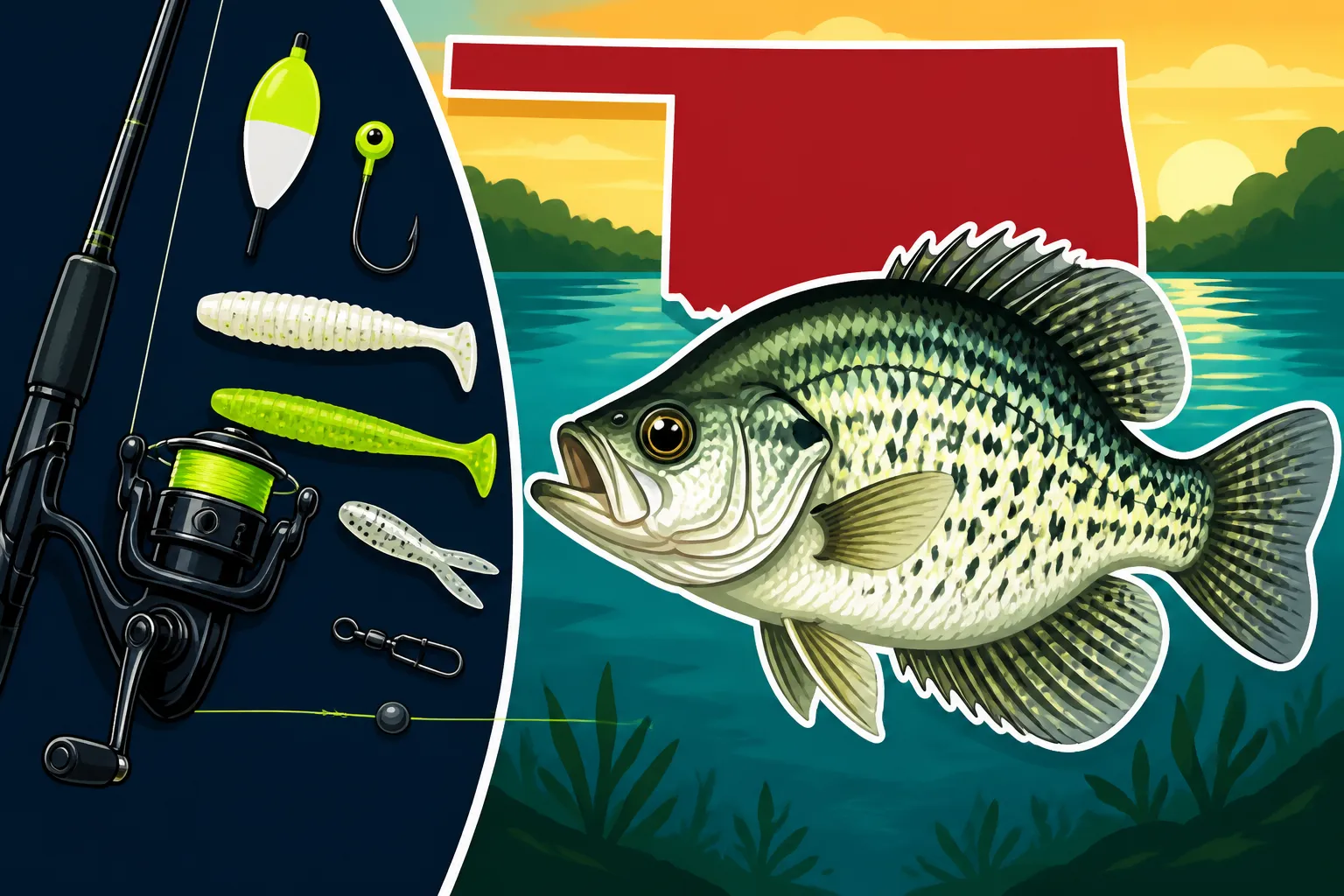
Crappie have relatively small, paper-thin mouths, so using the right hook size is paramount. Most crappie anglers opt for small, sharp hooks in sizes ranging from #4 to #8. Aberdeen hooks are a popular choice due to their thin wire construction, which makes them less visible and allows for easy penetration. The thin wire also bends out relatively easily if snagged, often saving your entire rig.
Jig hooks, which are designed to be molded into a jig head, are another common option. These typically have a wider gap and a short shank. When using live minnows, circle hooks in small sizes (#6 or #8) can also be effective, as they are designed to hook fish in the corner of the mouth, reducing gut-hooking and making for easier release. Always ensure your hooks are razor-sharp; crappie have a subtle bite, and a dull hook will result in missed opportunities.
Sinkers and Weights for Depth Control
Getting your bait to the right depth is critical for crappie, especially when they're suspended or holding to deep structure. A variety of sinkers are used, depending on the presentation. Small split shots are perfect for adding just enough weight to a bobber rig or for slow-falling presentations with jigs. They are easy to crimp on and remove, allowing for quick adjustments.
Bullet weights, typically used with Texas rigs for bass, can also be used for crappie when fishing in thicker cover. However, for most crappie applications, a simple round or bell sinker in sizes from 1/16 oz to 1/4 oz is common for tightlining or drop-shot rigs. The key is to use the lightest weight possible that still allows you to reach and maintain your desired depth, as heavy weights can spook wary crappie or make your bait look unnatural.
Floats and Bobbers: Visual Strike Indicators
Floats, commonly known as bobbers, are indispensable tools for crappie fishing, especially when targeting suspended fish or working shallower cover. They suspend your bait at a predetermined depth and signal bites with a dip or disappearance. There are two main types: fixed floats and slip floats. Fixed floats are great for shallow water (typically 5 feet or less) where you don't need to cast a long distance. They attach directly to your line and keep your bait at a constant, shallow depth.
Slip floats are far more versatile for crappie. They slide freely on your line, stopped by a small knot (called a bobber stop) that you can adjust up or down your line. This allows you to fish at any depth, from a few feet to 20 feet or more, while still being able to cast easily. When a crappie bites, the float will dip, pull under, or sometimes just lay flat on the surface. These visual indicators are invaluable, especially when crappie are hitting softly. How to Rig a Bobber for Bluegill Fishing shares some general bobber rigging tips that can be adapted for crappie.
Lures and Baits: What Crappie Can't Resist
Once you have your rod, reel, line, and terminal tackle sorted, it's time to talk about what actually gets those crappie to bite. Crappie are not overly picky, but certain baits and lures consistently outperform others.
Jigs: The Crappie King
If there's one lure type that rules the crappie world, it's the jig. Crappie jigs come in an endless array of sizes, shapes, and colors, but generally, most effective crappie jigs are between 1/32 oz and 1/8 oz. Micro jigs, as small as 1/64 oz, can be deadly when crappie are extremely finicky or in very clear, shallow water. The weight of the jig dictates how fast it falls and how it presents in the water column.
The body of the jig can be made of hair, feathers, or soft plastic. Soft plastic bodies, often called "crappie tubes," "grubs," or "minnow profiles," are incredibly popular. Popular colors include chartreuse, white, black, pink, and various combinations of these. The key to jig fishing for crappie is a slow, methodical retrieve with subtle twitches and pauses, mimicking a dying baitfish or insect. Best Crappie Jig Colors for Clear Water and Best Crappie Jig Colors for Stained Water can help you choose the right colors for specific conditions. Many anglers keep a wide assortment of crappie jigs handy, often sourced from large selections at Bass Pro Shops or various online retailers.
Live Bait: Minnows and Their Magic
When all else fails, or for a reliable presentation, nothing quite beats a live minnow for crappie. Minnows are a natural food source for crappie, and their frantic wiggles are an irresistible invitation. Small to medium-sized minnows (often called "crappie minnows" or "shiners") are typically hooked through the lips or lightly behind the dorsal fin to keep them lively.
Minnows can be fished under a slip bobber, allowing them to swim naturally at a set depth. They can also be fished on a tightline rig, suspended with a small split shot or a very light jig head. The key is to keep them lively, which means using a good bait bucket with an aerator, especially on warmer days. Live minnows are particularly effective in cold water or when crappie are lethargic and less willing to chase artificial lures. How to Rig a Minnow for Crappie Fishing provides detailed instructions for this effective method.
Soft Plastics and Trolling Baits
Beyond traditional jigs, a vast world of soft plastic lures exists for crappie. These often include tiny swimbaits, creature baits, or curly-tail grubs that can be rigged on bare jig heads. These baits offer incredible versatility in terms of color, shape, and action, allowing anglers to perfectly match the forage crappie are feeding on. The action imparted by soft plastics can range from a subtle tail wiggle to a full-body shimmy.
For trolling, especially during summer and fall when crappie are scattered or suspended, small crankbaits or specialized trolling jigs are often used. Crankbaits that run 5-15 feet deep in natural baitfish colors can be incredibly effective when trolled slowly along creek channels or across open flats. These baits cover a lot of water and can trigger aggressive strikes from actively feeding crappie. When shopping for these, look for brands that cater specifically to crappie, and you'll find a massive selection on Amazon.
Specialized Rigs and Techniques for Different Scenarios
Crappie fishing isn't a one-size-fits-all endeavor. The best tackle setup often includes not just the individual components, but how you combine them into specialized rigs and adapt your techniques to different situations.
Spider Rigging for Multiple Baits
Spider rigging is a highly effective technique, particularly popular for covering large areas while slow-trolling or drifting for crappie. This setup involves using multiple long rods (often 10-16 feet) extended out from the bow of the boat, resembling a spider's legs. Each rod is set up with a different bait or lure, often a minnow, a jig, or a combination, and weighted to fish at various depths. How to Spider Rig for Crappie is a must-read if you're interested in this technique.
The beauty of spider rigging is its ability to present multiple offerings at different depths simultaneously, allowing you to quickly identify where the crappie are holding and what they're biting on. It's especially useful when crappie are scattered or when you're trying to locate schools of fish in deeper water. While it might look intimidating, the tackle setup is straightforward: heavy rod holders, multiple long rods, and simple live bait or jig rigs.
Dock Shooting and Vertical Jigging
When crappie are holding tight to cover, such as boat docks, bridge pilings, or dense brush piles, specialized techniques become necessary. Dock shooting involves using a short, sensitive rod (often 4-5 feet) to launch a small jig under docks or into tight spaces with an exaggerated "slingshot" motion. The technique requires practice but can be incredibly effective at reaching crappie that other methods miss.
Vertical jigging, on the other hand, is about presenting a jig or minnow directly beneath your boat, often with the aid of a fish finder to pinpoint crappie or structure. This is a common technique when crappie are suspended in open water or stacked vertically in brush piles. A sensitive rod is crucial to feel those light bites, as the jig falls or is slowly lifted and dropped. Both techniques emphasize precision and the ability to work your bait in a very confined strike zone.
Slip Bobber Rigs for Precision
We touched on slip bobbers earlier, but their versatility warrants a closer look as a specialized rig. A slip bobber rig allows you to present a live minnow or a small jig at a precise depth, far away from the disturbance of your boat. This is particularly effective when crappie are suspended over deep water, near vertical structure like dam faces, or in clear water where a stealthy approach is necessary.
The setup is simple: a bobber stop (a small string or rubber piece) tied to your main line, followed by a bead, the slip bobber itself, another bead, and finally your hook or jig with a small split shot for weight. By adjusting the bobber stop, you can instantly change the depth of your bait. This precision, combined with the natural action of a live minnow or a slowly falling jig, makes the slip bobber rig one of the most consistently productive crappie presentations, especially in Oklahoma's deeper reservoirs.
Disclaimer
This article is for general informational purposes only and does not constitute professional advice. Laws, prices and regulations vary by location and change over time. Consult a qualified professional for guidance on your specific situation.