How to Set Up a Tackle Box by Species
It’s a scenario we've all faced: you're out on the lake, the bite is on, and suddenly you realize the perfect lure for that specific fish is buried under a mountain of outdated hooks, tangled lines, and forgotten sinkers. Or worse, you left it at home because your tackle box was just a jumbled mess of everything you own. This guide is all about tackling that frustration head-on, showing you how to set up your tackle box not as a generic catch-all, but as a finely tuned machine, organized by the specific species you love to target here in Oklahoma.
The Universal Truth: Why a One-Size-Fits-All Tackle Box Just Doesn't Cut It
When you first start fishing, it's easy to just throw everything you get into one big box. A few bobbers, some worms, maybe a shiny spinnerbait – it all seems to fit. But as you grow as an angler, and especially as you start to target different species that call Oklahoma's diverse waters home, you quickly realize that this "everything-but-the-kitchen-sink" approach becomes a huge hindrance. It slows you down, causes unnecessary frustration, and can even cost you fish.
The Frustration of the Disorganized Angler
Picture this: you've finally found a school of hungry crappie under a brush pile on Fort Gibson Lake, and they're hitting on tiny jigs. You open your tackle box, and there it is – a chaotic jungle of oversized bass lures, rusty catfish hooks, and a dozen different types of weights. You spend precious minutes digging, untangling, and ultimately, you miss the hot bite because you couldn't find that specific 1/16th ounce jig in chartreuse. It's a common story, and it's demoralizing. We've all been there, swearing we'll organize it next time. The truth is, that "next time" rarely happens without a strategic approach.
The Species-Specific Advantage
Adopting a species-specific organization strategy for your tackle box is a game-changer. Instead of one monstrous box, you might have smaller, dedicated boxes or sections within a larger system. When you decide you're going after Largemouth Bass Fishing in Oklahoma: The Complete Guide on Lake Eufaula, you grab your "Bass Box." If it's a calm evening and you're planning to chase Crappie Fishing in Oklahoma: Black and White Crappie at Lake Tenkiller, you reach for your "Crappie Kit." This approach ensures that every piece of gear you need is readily accessible, neatly stored, and specifically chosen for the task at hand. It streamlines your fishing experience, allowing you to focus on the water and the fish, not on rummaging through a mess.
Essential Considerations Before Diving In
Before you start sorting hooks and lures, it’s important to take a step back and think about your fishing habits and the specific challenges of fishing in Oklahoma. Our state offers an incredible variety of angling opportunities, from massive reservoirs to winding rivers and quiet farm ponds, and each demands a slightly different approach to your gear.
Understanding Your Target Species' Habits
Oklahoma is a fantastic state for multispecies anglers, but each fish has its own quirks. Bass, for instance, are ambush predators that react strongly to artificial lures mimicking their prey. Crappie are schooling fish that often prefer smaller, subtler presentations, especially jigs and minnows. Catfish, whether they're channel, blue, or flathead, have entirely different feeding behaviors, often relying on scent and bottom-dwelling tactics. Knowing these fundamental differences for Catfish Species You'll Find in Oklahoma is the cornerstone of building an effective, species-specific tackle box. You wouldn't use a tiny crappie jig to catch a monster blue cat, just as you wouldn't typically throw a heavy trotline hook for a largemouth bass.
Matching Gear to Oklahoma's Diverse Waters
Oklahoma's fishing environments are incredibly varied. Are you a bank angler who primarily fishes smaller ponds and creeks, or do you have a bass boat that takes you to the vast open waters of Lake Texoma or Grand Lake? The type of water you fish dictates the size and style of your tackle. Shallow, clear water might call for lighter lines and more natural presentations, while muddy, deeper reservoirs might require heavier weights and brighter, more aggressive lures. Even within a single lake, different areas will demand different gear. Consider if you're fishing submerged timber, rocky points, open water, or weed beds – each calls for specific baits and rigging.
Budgeting for Your Tackle Box Setup
Let's be real, fishing can get expensive, especially when you start accumulating gear for multiple species. You don't need to break the bank to have a well-organized, effective tackle box, but it does require some thought. Start with the essentials for your primary target species and build from there. Look for value packs on hooks, weights, and soft plastics. Brands like Bass Pro Shops and even online retailers like Amazon offer a wide range of tackle organizers and components at various price points. Prioritize quality for critical items like hooks and main lines, but don't feel pressured to buy the most expensive version of every single item. A smart budget allows you to enjoy more time on the water without the stress of overspending.
Setting Up Your Bass Tackle Box
Bass fishing is arguably one of the most popular pursuits in Oklahoma, and for good reason. Our lakes are teeming with largemouth, smallmouth, and spotted bass. A dedicated bass tackle box needs to be versatile, covering a range of presentations and conditions, but still organized enough that you can quickly adapt when the bite changes.
Largemouth Bass Essentials
For largemouth bass, especially in Oklahoma's fertile reservoirs, you're going to want a good selection of soft plastics. Think Texas rigs and Carolina rigs, with worms, creature baits, and senkos in various colors (greens, browns, and junebug are always a good starting point). Make sure you have a variety of worm hooks – both EWG (Extra Wide Gap) and straight shank – along with bullet weights from 1/8 oz to 1/2 oz, and Carolina rig weights up to 1 oz. Seasonal Bait Selection for Bass often dictates color and size. Crankbaits, spinnerbaits, and chatterbaits are also crucial, covering different depths and water clarities. Don't forget topwater lures for those explosive morning or evening bites! A dedicated section for jigs (football, swim, and flipping) with trailers will serve you well, especially around structure.
Smallmouth and Spotted Bass Adjustments
While largemouth often prefer heavy cover and slower presentations, smallmouth and spotted bass in Oklahoma's clearer, rockier waters (like some parts of Tenkiller or Broken Bow) can be a bit different. For these species, you might lean more towards smaller crankbaits, finesse jigs, tube baits, and drop shot rigs. Carry smaller profile soft plastics and lighter line. Smallmouth Bass in Oklahoma: What Anglers Should Know highlights their preference for rocky bottoms and open water points. Spoons and blade baits can also be incredibly effective for smallmouth and spotted bass, especially when they're keying in on baitfish in deeper water. Keeping these specific lure types separate, perhaps in a smaller utility box within your main bass tackle system, will save you a lot of time.
Seasonal Considerations for Bass Anglers
Oklahoma bass fishing changes dramatically with the seasons. In spring, during the pre-spawn and spawn, you'll want to focus on shallow water presentations – jigs, spinnerbaits, and soft plastics are key. As summer heats up, bass move deeper, making crankbaits, deep-diving spoons, and heavy Texas rigs for offshore structure vital. Fall brings aggressive feeding, and moving baits like topwaters, jerkbaits, and lipless crankbaits become highly effective. Winter can be tough, but finesse techniques with jigs, blade baits, and suspending jerkbaits in deeper water can still produce. How to Catch Bass Through Every Season emphasizes these shifts. Your bass tackle box should reflect these seasonal needs; consider rotating out less relevant items or having separate smaller boxes for "spring" and "summer" gear.
Crafting Your Crappie Tackle Box
Crappie are a beloved panfish across Oklahoma, offering fantastic action and delicious table fare. A well-organized crappie tackle box focuses on efficiency, as these fish often school up and a hot bite can be fast and furious.
Minnow and Jig Fundamentals
The cornerstone of any crappie angler's tackle box is an ample supply of jigs and minnow-specific gear. Jigs in weights ranging from 1/32 oz to 1/8 oz are essential, with colors like chartreuse, white, pink, and black-and-chartreuse being perennial favorites. Pair these with small plastic bodies – tubes, grubs, and tiny swimbaits. Don't forget a variety of small, sharp hooks (size 2 to 6) for live minnows. If you're going to fish with minnows, you'll also need bobbers – both slip bobbers for deeper presentations and fixed bobbers for shallow water. Keep your jigs organized by weight and color in small compartments so you can quickly tie on the right one.
Specialized Crappie Rigs and Techniques
Beyond the basics, a dedicated crappie angler will want to include specialized rigs. Spider rigging, for instance, involves multiple rods and jigs/minnows fished at different depths, so having appropriate rod holders and a system for managing lines is key. Tightlining is another effective method, especially in current or for vertical presentations. Pre-tied crappie rigs, often with two hooks, can save time on the water. Small spoons or blade baits can be deadly when crappie are feeding on baitfish. Think about what Crappie Jigging Techniques you prefer and stock your box accordingly. Having a few small, ultralight crankbaits or even a tiny Beetle Spin can also broaden your crappie-catching options.
Adapting to Lake-Specific Crappie Rules
Oklahoma has some specific crappie regulations, especially minimum length limits on certain lakes. For example, some lakes, like Arbuckle or Tenkiller, have a 10-inch minimum length limit. It’s crucial to have a small measuring board or tape in your crappie box so you can quickly check your catch and ensure compliance with Stricter Crappie Limits at Six Oklahoma Lakes. Beyond length limits, understanding the statewide daily bag limit for crappie is critical. Knowing these rules intimately helps you avoid penalties and ensures sustainable fishing for everyone.
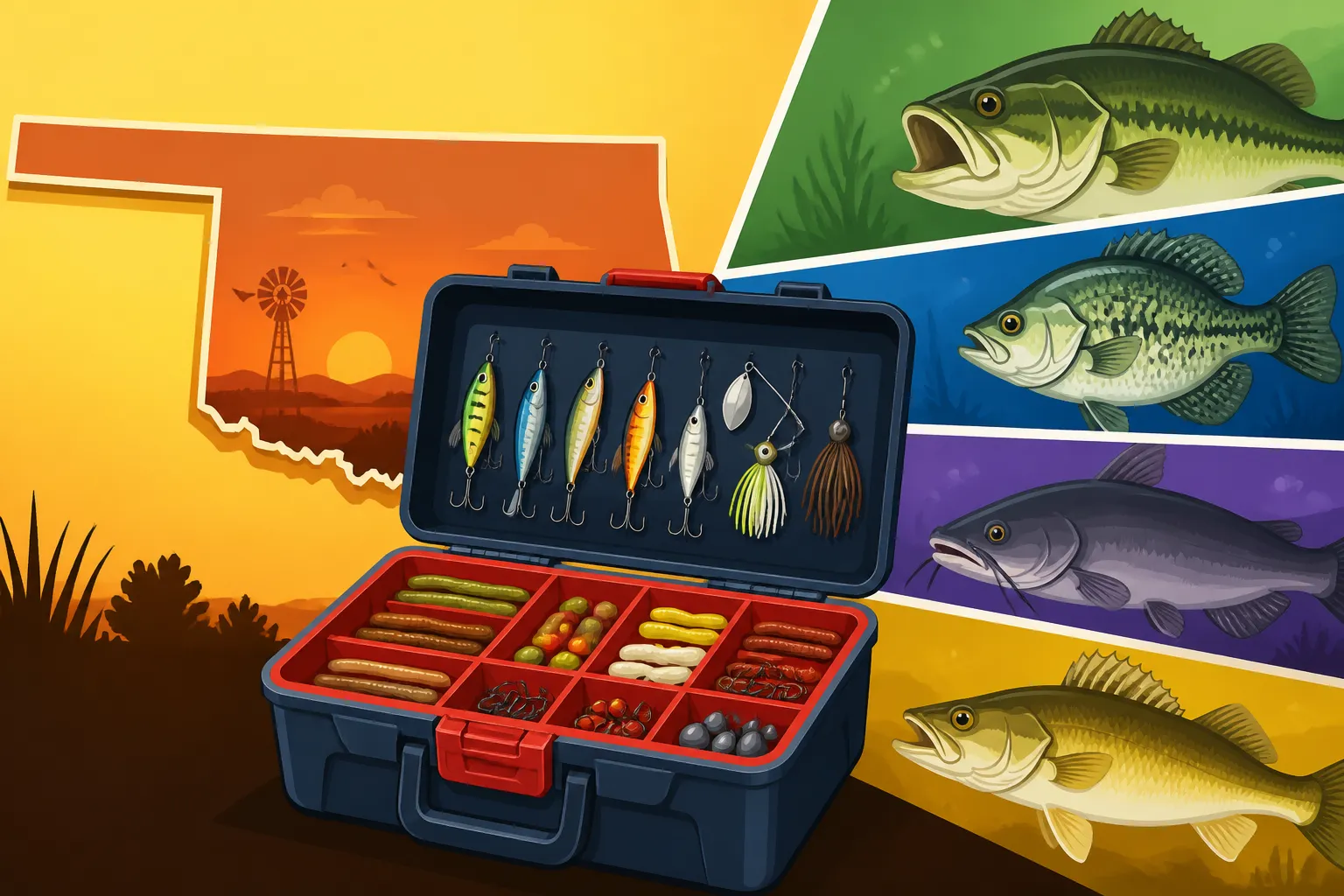
Here's a quick comparison of basic tackle box needs for common Oklahoma species:
| Species | Key Baits/Lures | Essential Terminal Tackle | Specialized Gear | Common Sizes |
|---|---|---|---|---|
| Largemouth Bass | Soft plastics (worms, creatures), jigs, crankbaits, spinnerbaits, topwaters | EWG hooks (3/0-5/0), bullet weights (1/8-1/2 oz), swivels | Pliers, line cutters, measuring tape | 10-20 lb test, Medium-Heavy rod |
| Crappie | Jigs (plastic body), live minnows, small spoons | Jig heads (1/32-1/8 oz), small hooks (2-6), bobbers, split shot | Minnow bucket, aerator, measuring board | 4-8 lb test, Ultralight rod |
| Catfish | Cut bait, stink bait, live perch, worms | Heavy circle hooks (2/0-8/0), slip sinkers (1/2 oz-3 oz+), swivels | Heavy duty pliers, gloves, hook removers | 15-50 lb test, Heavy rod |
| Striped Bass | Live shad, swimbaits, large crankbaits, spoons | Large treble hooks, heavy leader (mono/fluoro), heavy barrel swivels | Trolling gear, downriggers (optional), rod holders | 20-50 lb test, Medium-Heavy to Heavy rod |
| Panfish (Bluegill) | Worms, crickets, tiny jigs, bread balls | Small hooks (8-12), tiny bobbers, split shot | Small stringer, sunfish specific hook remover | 2-6 lb test, Ultralight to Light rod |
Organizing Your Catfish Tackle Box
Catfishing in Oklahoma is an incredibly rewarding experience, whether you're chasing channel cats in a creek or battling monster blue cats in Lake Texoma. Your catfish tackle box needs to be robust, capable of handling powerful fish, and stocked with the right gear to attract these bottom dwellers.
Baits and Rigs for Bottom Dwellers
Catfish are primarily scent feeders, so bait is king. Your tackle box should have dedicated containers for various catfish baits: stink baits, punch baits, cut bait (often kept in a separate cooler, but the containers go in the box), chicken livers, and worms. For rigs, you'll need heavy-duty circle hooks (sizes 2/0 up to 8/0 or even larger for trophy blues), appropriately sized slip sinkers (from 1/2 ounce to several ounces, depending on current and depth), and strong barrel swivels. A basic slip-sinker rig is a go-to for many catfish scenarios. Don't forget glow-in-the-dark beads or floats if you enjoy night fishing for cats; these can sometimes make a difference. Best Gear for Catfish Fishing in Oklahoma often emphasizes robust and simple setups.
Tools for Handling Trophy Cats
When you hook into a truly big blue or flathead catfish, you'll be glad you have the right tools. Your catfish tackle box should definitely include a sturdy pair of pliers for hook removal, especially with those big, tough mouths. Heavy-duty gloves are also a must to protect your hands from sharp fins and gill plates. A lip gripper or a large net can make landing and handling these powerful fish much safer and easier, both for you and the fish. Having a measuring tape or bump board on hand is also vital for checking Oklahoma's Catfish Fishing Rules and Limits, which include specific length and bag regulations, particularly for blue catfish over 30 inches.
Dealing with Different Catfish Species
While many catfish tactics overlap, there are nuances for each species. Channel catfish are often caught on prepared baits, worms, or cut bait in various environments. Blue catfish, especially the larger ones, tend to prefer fresh cut bait or live bait and are often found in deeper, open water or strong current areas of large reservoirs like Lake Eufaula or Lake Texoma. Flathead catfish are almost exclusively predatory, preferring live bait such as sunfish or shad. Your catfish tackle box should reflect these preferences. You might have a section for "prepared baits" for channels, and a separate one for larger hooks and weights suitable for the live bait setups needed for flatheads and big blues.
Beyond the Big Three: Other Oklahoma Species
While bass, crappie, and catfish are often the most popular targets, Oklahoma offers incredible fishing for other species too. Having specialized setups for these can open up entirely new fishing adventures.
Striped Bass and Walleye Considerations
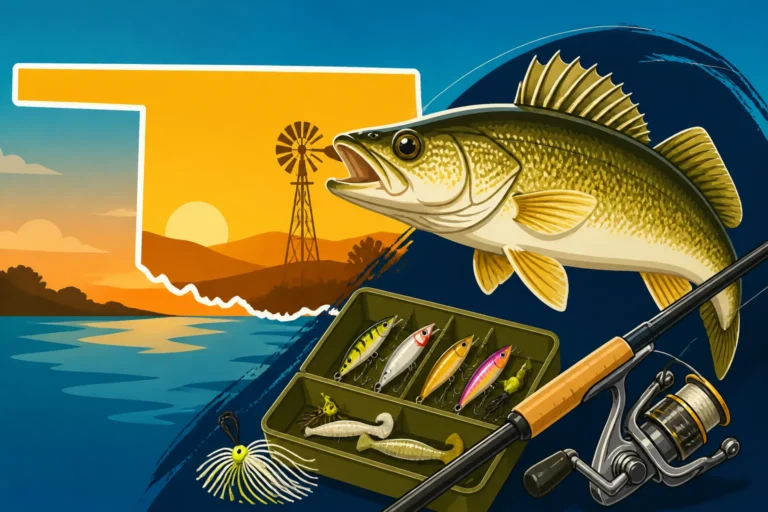
For those who chase the hard-fighting striped bass in Lake Texoma or Lake Keystone, your tackle box will look quite different. These fish often respond best to live shad, large swimbaits, or heavy spoons. Trolling with large crankbaits is also a popular and effective method, so you'll need appropriate trolling weights, planer boards, and sturdy rods. Heavy-duty hooks and leader material are a must, as these fish hit hard and fight dirty. Walleye, found in lakes like Canton and Fort Supply, are often targeted with jigs, crankbaits, or live minnows and nightcrawlers. Their tackle box might include blade baits, jigging spoons, and bottom bouncer rigs with crawler harnesses. Having a dedicated box or tray for your striper or walleye gear means you're always ready for these unique pursuits. Striped Bass Fishing Techniques for Oklahoma's Lake Texoma delves deeper into these specific methods.
Panfish Perfection for Bluegill and Sunfish
Sometimes, the simplest fishing is the most enjoyable, especially when you're introducing kids to the sport. Bluegill and other sunfish are abundant in Oklahoma's ponds and lakes and are eager biters. For a panfish-specific tackle box, you'll want ultra-light hooks (sizes 8-12), small bobbers, tiny split shot weights, and a supply of live worms, crickets, or even bread balls. Small beetle spins or tiny jigs can also be very effective. This box should be lightweight, easy to carry, and simple to use. It's the perfect setup for a relaxing afternoon on a local pond or a family outing to a state park. Remember, simple doesn't mean ineffective; it just means efficient for the target!
The Niche Angler's Approach
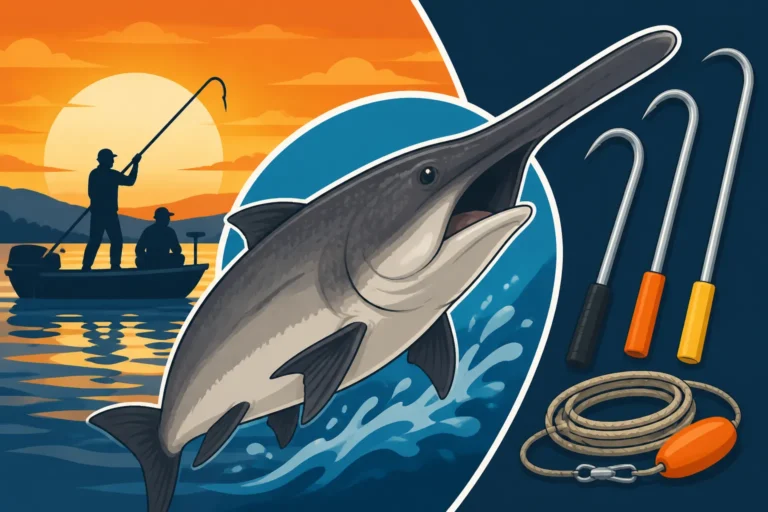
Oklahoma even has some truly unique fishing opportunities, like paddlefish snagging on Grand Lake or chasing prehistoric alligator gar in our rivers. For these niche species, your tackle box will be highly specialized. Paddlefish snagging, for instance, requires heavy-duty rods, large treble hooks, and heavy weights, typically stored in a specialized bag or bucket rather than a traditional tackle box. Gar fishing often involves rope lures or large cut baits on steel leaders. Trout fishing in Oklahoma's designated trout areas requires ultra-light spinning gear, small inline spinners, powerbait, and fly-fishing gear. While these might not warrant a full tackle box for every angler, having a small, dedicated kit for your particular "niche" passion means you're always prepared for that specific adventure, without having to overhaul your main setups. For specific advice on Paddlefish Snagging Season in Oklahoma, anglers often need very specific gear.
Maintaining and Organizing Your Tackle Boxes
Once you've gone through the effort of setting up your tackle boxes by species, the next step is maintaining that organization. This isn't a one-time chore; it's an ongoing process that will make your fishing trips much more enjoyable and productive.
Post-Trip Routine for Optimal Organization
After every fishing trip, take a few minutes to reset your tackle boxes. This might sound tedious, but it saves so much time and frustration down the road. First, identify any lures or baits that are damaged, dull, or rusty and either replace them or take them out for repair. Wet items should be dried thoroughly to prevent rust – nothing ruins a good hook faster than moisture. Replenish any used baits, hooks, or weights. If you were targeting crappie, make sure your crappie box is ready for the next outing. If you were bass fishing, do the same for your bass box. This simple routine prevents clutter from building up and ensures your gear is always in prime condition.
Smart Storage Solutions and Accessories
Beyond the internal organization of your tackle boxes, think about how you store them at home. Clear plastic utility boxes are fantastic for individual species' tackle, as they allow you to see what’s inside at a glance. You can find these at any sporting goods store, like Bass Pro Shops, or even online through Amazon. Stackable systems or larger bags designed to hold multiple utility boxes are excellent for keeping everything together but separate. Labeling your boxes clearly – "Bass," "Crappie," "Catfish," etc. – will help you grab exactly what you need without hesitation. Consider accessories like magnetic trays for loose hooks and weights, or small waterproof containers for sensitive items like spare line or fishing licenses.
When to Consolidate or Expand
Your fishing habits might change over time, and your tackle organization should evolve with them. If you find yourself consistently only fishing for one species for an entire season, you might consolidate some items. Conversely, if you develop a new passion, say for Walleye, Sauger and Saugeye: Oklahoma's Cousin Fish, you'll need to expand and create a new dedicated setup. Don't be afraid to adjust your system. The goal is always efficiency and enjoyment. The best tackle box setup is one that works for you and helps you spend less time digging and more time reeling in fish. Regular review of your gear, perhaps once a season, will help ensure your tackle box remains a highly effective tool, not just a storage container.
Disclaimer
This article is for general informational purposes only and does not constitute professional advice. Laws, prices and regulations vary by location and change over time. Consult a qualified professional for guidance on your specific situation.