Black Bass Rules for Oklahoma Rivers and Streams
Navigating the ever-changing landscape of fishing regulations can feel like a game of whack-a-mole, especially when you’re trying to figure out the specific rules for different types of water bodies. Many anglers get tripped up by the distinct black bass regulations that apply to Oklahoma’s rivers and streams, which are often quite different from the rules governing our expansive lakes and reservoirs. This guide is here to untangle that confusion, providing you with all the essential black bass rules you need to know before you cast a line in the flowing waters of the Sooner State.
Why Rivers and Streams Have Unique Black Bass Rules
It’s easy to assume that a bass is a bass, and the rules should be universal. But when it comes to rivers and streams, the Oklahoma Department of Wildlife Conservation (ODWC) has put specific regulations in place for very good reasons. These flowing water systems present unique challenges and opportunities for black bass populations, and the rules are designed to protect these distinct ecosystems and ensure sustainable fishing for generations to come.
Ecological Differences in Flowing Water
Rivers and streams are vastly different environments compared to lakes and reservoirs. The constant current, varying water levels, and often clearer, cooler water create a different habitat that influences how bass grow, forage, and reproduce. Black bass in rivers, particularly smallmouth bass, tend to be smaller on average than their lake-dwelling counterparts. They face different food sources, different predator pressures, and often, more limited spawning grounds. Because of these ecological distinctions, a blanket regulation across all water types wouldn't be as effective. The stricter rules for rivers and streams are often aimed at safeguarding these more vulnerable, or at least differently structured, populations from overfishing and ensuring a healthy future for riverine bass.
Conservation Goals and Population Protection
The primary goal behind these specific river and stream regulations is conservation. In many of Oklahoma’s smaller, more intimate river systems, bass populations can be more susceptible to fishing pressure. Imagine a popular stretch of river where everyone is keeping every bass they catch – it wouldn’t take long for the population to decline. The ODWC understands that certain species, like smallmouth bass, thrive in these moving waters but might have slower growth rates or more specific habitat needs. By implementing measures like increased minimum length limits and reduced daily bag limits, especially for smallmouth, the state actively works to protect these foundational species, ensuring that the natural balance of these waters remains intact. This proactive approach helps prevent localized overharvesting and supports robust, self-sustaining black bass populations.
Defining Black Bass for Oklahoma Rivers and Streams
Before we dive into the nitty-gritty of the rules, it's crucial to understand which fish actually fall under the "black bass" umbrella in Oklahoma. When the ODWC talks about black bass, they're not just talking about one species. This category includes a few different, but related, sport fish that offer diverse angling experiences across the state. Knowing the subtle differences between them is key to understanding and adhering to the specific regulations.
The Main Players: Largemouth, Smallmouth, and Spotted Bass
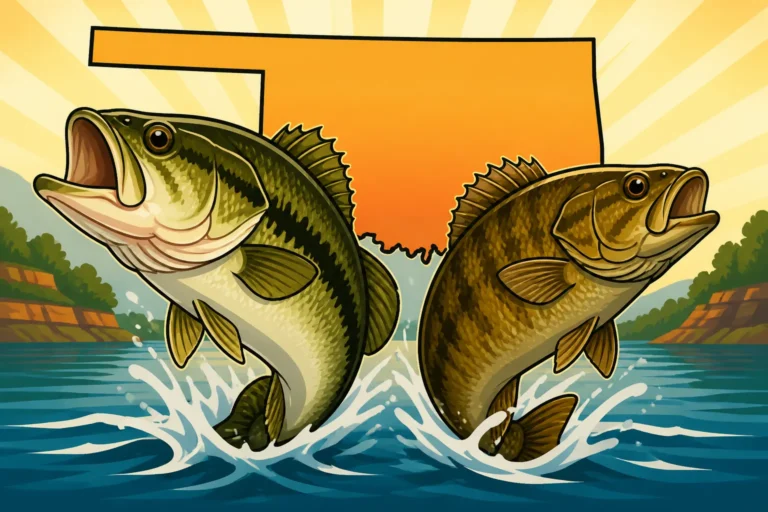
In Oklahoma, the term "black bass" encompasses three distinct species: Largemouth Bass, Smallmouth Bass, and Spotted Bass. Each has its own preferred habitat, though there's often overlap, especially in river systems.
- Largemouth Bass are perhaps the most iconic, recognized by their large mouth that extends past the eye, and a distinct dark lateral line running along their side. While they often prefer the calmer, vegetated waters of lakes, you'll certainly find them in the slower pools and backwaters of larger rivers and streams where they can ambush prey.
- Smallmouth Bass, often called "bronzebacks," are typically found in cooler, clearer, rocky waters with good current. Their mouth doesn't extend beyond the eye, and they usually have vertical bars or splotches on their sides rather than a solid lateral line. Rivers like the Mountain Fork River and the Illinois River are renowned for their smallmouth populations.
- Spotted Bass, sometimes called "Kentucky Bass," share characteristics of both largemouth and smallmouth. Their mouth extends to about the middle of the eye, and they often have distinct rows of spots on their lower flanks. A key identification feature is a rough patch of teeth on their tongue, which neither largemouth nor smallmouth possess. You'll find them in many river systems, often overlapping with both other black bass species.
Understanding these distinctions is more than just academic; it directly impacts how you comply with certain specific regulations, particularly concerning smallmouth bass. To really get a handle on telling them apart, you might want to check out our detailed guide on how to tell them apart in Oklahoma.
Identification Challenges on the Water
Even for seasoned anglers, quickly and accurately identifying black bass species on the water can be tricky, especially under low light conditions or when fish exhibit subtle variations in coloration. A smallmouth in a murky river might look more like a spotted bass, or a largemouth in a strong current might take on a more streamlined appearance. The stress of being caught can also temporarily alter a fish’s appearance.
This challenge makes it even more important to be confident in your identification skills, particularly because the rules for smallmouth bass in rivers and streams are uniquely restrictive. Always err on the side of caution. If you're unsure if it's a smallmouth, it’s generally best to release it, especially if it appears to be under the minimum size, or if you've already kept your single smallmouth for the day. Having a quick reference guide or even a clear photo on your phone can be incredibly helpful for those moments of uncertainty. A good quality measuring board, available on platforms like Amazon, is also indispensable for accurate length assessment, reducing any doubt when you're making that crucial keep-or-release decision.
Statewide Black Bass Limits in Rivers and Streams
This is where things get really specific and can be a source of confusion for many anglers used to lake rules. The statewide regulations for black bass in Oklahoma's rivers and streams are distinctly different from those applied to lakes and reservoirs, primarily to protect the unique and often more fragile populations found in flowing waters. It's not just about the number of fish; it's also about their size and, critically, the species mix you're allowed to keep.
The Daily Creel Limit
For black bass—which, as we discussed, includes largemouth, smallmouth, and spotted bass—the statewide daily creel limit for rivers and streams in Oklahoma is six fish in total. This means that regardless of the species, you cannot keep more than six black bass combined from these flowing waters in a single day. This is a hard limit designed to manage pressure on these sensitive habitats.
It's a straightforward number, but where it often gets complicated is when combined with the size restrictions and the special smallmouth bass rule. You can't just pick six bass of any size; they must also meet the specific length requirements. For example, if you catch a smallmouth that's under the legal size, it doesn't count towards your six-fish limit but must be immediately released unharmed. Likewise, if you've already kept your one legal smallmouth, any subsequent smallmouth, even if legal size, must also be released. Always keep a mental tally of what you've kept and ensure it aligns with both the number and the individual species rules.
Minimum Size Requirements: The Critical 14-Inch Rule
This is arguably the most significant difference between lake and river/stream regulations for black bass. In most Oklahoma lakes and reservoirs, the statewide minimum length limit for black bass (largemouth, smallmouth, and spotted combined) is 14 inches. However, there's a crucial caveat: you are only allowed to keep one bass 16 inches or longer as part of your six-fish limit.
For rivers and streams, the rule simplifies but also tightens: all black bass (largemouth, smallmouth, and spotted) caught in these waters must be 14 inches or longer to be kept. There is no special "one over 16 inches" rule for rivers and streams like there is for lakes. Every single black bass you decide to retain from a river or stream must measure at least 14 inches from the tip of its nose to the end of its tail, with the tail compressed. This specific rule about the 14-inch minimum for river and stream bass is often overlooked by anglers used to lake rules, leading to potential issues with game wardens. Understanding Why a 14-Inch Bass Caught in a Creek Might Be Illegal to Keep is critical for compliance.
This heightened minimum length limit serves to protect juvenile and sub-adult bass, allowing them more time to grow and contribute to the spawning population before being harvested. It acknowledges that many riverine bass populations grow slower or simply don't reach the trophy sizes as readily as their lake counterparts. For a deeper dive, you can check out The 14-Inch Minimum for River and Stream Bass.
The Smallmouth Bass Exception: One Only
On top of the general 14-inch minimum, there's a very specific regulation regarding smallmouth bass when fishing in Oklahoma’s rivers and streams. Within your daily six-fish black bass limit, only one of those fish can be a smallmouth bass, and that smallmouth bass must also be 12 inches or longer.
This rule is a prime example of targeted conservation. Smallmouth bass populations are highly valued in Oklahoma’s clear, rocky rivers, and this strict limit helps ensure their continued presence. It means that even if you catch five largemouth bass over 14 inches, you can only add one smallmouth bass to your creel, provided that smallmouth is at least 12 inches. If you catch a smallmouth under 12 inches, it must be released. If you catch a second smallmouth over 12 inches, it also must be released because you've already met your "one smallmouth" limit. This nuance is why understanding Only One Smallmouth Bass a Day in Oklahoma Rivers is so important for river anglers.
Here’s a quick overview of how these limits compare:
| Water Body Type | Daily Black Bass Limit (total) | Minimum Size Limit (Largemouth, Spotted) | Minimum Size Limit (Smallmouth) | Special Considerations |
|---|---|---|---|---|
| Lakes/Reservoirs | 6 | 14 inches | 14 inches | Only one black bass (of any species) within your 6-fish limit may be 16 inches or longer. This means you can keep five fish between 14-15.99 inches and one fish 16 inches or longer. Or six fish all under 16 inches (but over 14). No single smallmouth limit. |
| Rivers/Streams | 6 | 14 inches | 12 inches | All black bass must be 14 inches or longer to be kept. Only one smallmouth bass may be kept per day, and it must be 12 inches or longer. |
Remember, these rules are designed to maintain healthy populations, especially in our sensitive river and stream environments. Familiarizing yourself with these specifics will ensure you have a responsible and enjoyable fishing trip. You can find more details on statewide rules in articles like Oklahoma Statewide Bass Bag Limit Explained or delve into Oklahoma's Bass Fishing Rules and Limits for a broader perspective.
Specific River Systems and Their Nuances
While the statewide river and stream regulations for black bass provide a solid framework, it's really important to understand that some specific river sections or localized areas might have even more stringent rules. Oklahoma’s diverse geography means that certain waterways are managed with a higher degree of precision, often due to unique ecological features, conservation efforts for particular species, or heavy angling pressure. Never assume that the general rule applies everywhere; always do your homework before heading out.
Key River Systems to Be Aware Of
Oklahoma is blessed with numerous rivers and streams that hold thriving black bass populations. Rivers like the Glover River, the Little River, the Illinois River, and especially the Mountain Fork River, are celebrated for their smallmouth bass. While the statewide rules cover most of these, it's worth noting that some stretches, particularly those designated as "Trout Areas" or "Wilderness Areas," might have special regulations that affect bass fishing as well. For example, some areas might be catch-and-release only for certain species, or have reduced limits that supersede the general statewide river rules.
It’s less common for an entire major river system to have completely different black bass rules from the statewide river/stream guidelines unless it's a specific "trophy" or "special management" area. Often, these highly regulated zones are clearly marked with signage at access points. For instance, sections of the Mountain Fork River below Broken Bow Lake are well-known for their trout fishery, and while bass are present, the primary management focus and associated regulations might lean heavily towards trout, sometimes impacting general game fish rules in that specific stretch. Always be vigilant for local signage that might indicate deviations from the standard.
Checking Local Signage and Resources
Your absolute best defense against accidentally breaking a regulation is to check local signage and official resources. Before you embark on any fishing trip to a specific river or stream, make it a habit to:
- Consult the Oklahoma Fishing Guide: The ODWC publishes an annual fishing guide that is an indispensable resource. It details all statewide regulations, as well as specific rules for certain lakes, rivers, and areas. This digital guide is usually available for free on their website and is often updated with any changes.
- Look for On-Site Signage: When you arrive at a public access point for a river or stream (like a state park, wildlife management area, or boat ramp), always take a moment to read any posted signs. Game wardens and park rangers are often diligent about posting signs detailing specific length limits, creel limits, or other unique rules for that immediate area. These signs supersede general statewide rules if they present a difference.
- Use Digital Maps and Apps: Many modern fishing apps and GPS devices (and even online retailers like Amazon offer robust fish finders with mapping capabilities) now integrate regulation overlays, or at least provide direct links to local regulations. While convenient, always cross-reference with official state documents to ensure accuracy, as app data can sometimes lag behind real-time changes.
Remember, ignorance of the law is not an excuse. Taking a few extra minutes to verify the rules for your chosen fishing spot can save you a lot of hassle and potential fines. Understanding that Do River Bass Rules Apply to Lakes Too? is crucial will help you remember that these distinctions exist.
Enforcement and How to Stay Compliant
It's a common misconception that remote rivers and streams are less patrolled than major lakes, and that enforcement of fishing regulations might be lax. Nothing could be further from the truth. Oklahoma game wardens are dedicated professionals who spend a great deal of time patrolling even the most secluded waterways. Their job is not just to catch offenders, but also to educate anglers and ensure the long-term health of our fisheries. Staying compliant isn't just about avoiding a ticket; it's about being a responsible steward of our natural resources.
The Role of Game Wardens
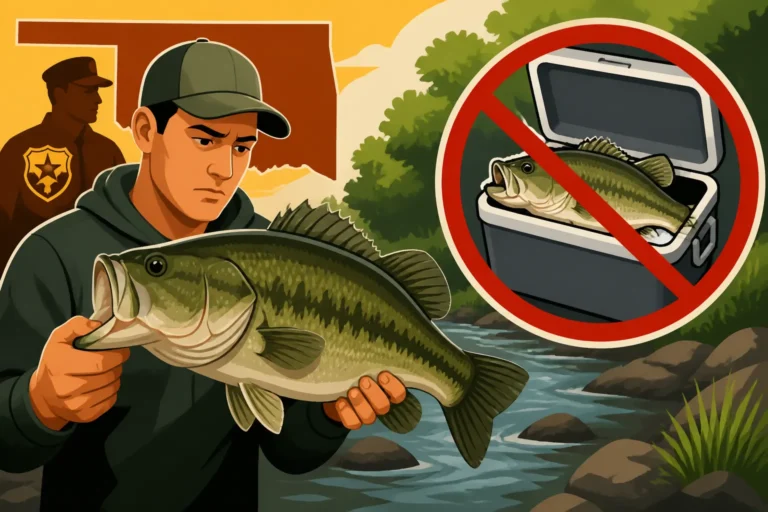
Oklahoma Game Wardens are state-certified law enforcement officers with full police powers, specifically tasked with enforcing wildlife, fish, and boating laws. They patrol lakes, rivers, streams, and all public lands, often in vehicles, boats, ATVs, and even on foot. When you encounter a game warden on the water or at an access point, they have the authority to check your fishing license, inspect your catch, and verify that you are adhering to all regulations, including species identification, length limits, and bag limits.
Their presence is crucial for managing wildlife populations. They don't just enforce rules; they also serve as vital sources of information, conducting public outreach, and monitoring fish populations. Don't be surprised if they ask about your fishing techniques, what you're catching, or even offer advice. They are often passionate anglers themselves and are a great resource for local knowledge. Respectful interaction with a game warden ensures a smooth experience for everyone. Always remember that they are there to protect the resource for everyone's enjoyment.
Penalties for Violations
Fishing without a license or failing to adhere to bag and size limits are serious offenses in Oklahoma. If a game warden discovers you are in violation of black bass regulations on a river or stream, the consequences can be significant. The most common penalty is a citation, which can carry hefty fines. These fines vary depending on the severity and nature of the violation. For instance, keeping undersized fish or over your bag limit can result in fines ranging from a couple of hundred dollars to much more, plus court costs. In some cases, repeat offenses or egregious violations (like poaching) can lead to additional penalties, including the loss of fishing privileges, confiscation of gear, or even jail time.
It's not just about the monetary cost; getting a citation can put a damper on your entire fishing experience and potentially affect your ability to get future licenses. Understanding Penalties for Fishing Without a License in Oklahoma provides a good overview of the legal framework surrounding fishing violations in the state.
Best Practices for Anglers
To ensure you stay on the right side of the law and contribute to conservation, here are some best practices for anglers targeting black bass in Oklahoma's rivers and streams:
- Always Carry Your License: Make sure your Fishing License Requirements in Oklahoma are met and you have it readily available, whether it's a physical copy or a digital version on your phone.
- Know the Rules Before You Go: Don't just skim the regulations. Really understand the specific differences between lake and river/stream rules for black bass. Pay close attention to the 14-inch minimum for all black bass in rivers/streams and the "one smallmouth" rule.
- Measure Your Catch Carefully: Invest in a reliable measuring board. Measure fish from the tip of the nose to the end of the tail, with the tail compressed, against the flat surface of the board. An extendable tape measure from Amazon is handy, but a rigid board is often more accurate on a wiggling fish.
- Practice Catch and Release Appropriately: If you're not planning to keep fish, or if a fish doesn't meet the legal requirements, handle it with care to maximize its survival chances. Wet your hands before touching fish, use dehooking tools, and release them quickly. This is especially important for smallmouth bass in rivers.
- When in Doubt, Release It: If you're unsure about the species, the length, or whether you've reached your limit, the safest bet is always to release the fish unharmed. It’s better to be cautious than to risk a violation.
By adopting these practices, you not only protect yourself from legal trouble but also play an active role in preserving Oklahoma's fantastic river and stream black bass fisheries for everyone.
Gear and Techniques Influenced by River Rules
The specific black bass rules for Oklahoma's rivers and streams don't just dictate what you can keep; they also subtly influence the gear you choose and the techniques you employ. Adapting your approach to these regulations can make your fishing more successful and ensure you're always fishing within the bounds of the law, making those keep-or-release decisions much easier on the water.
Impact on Lure Choice and Presentation
When you know you can only keep black bass that are 14 inches or longer (and only one smallmouth over 12 inches), it often encourages anglers to target larger fish more intentionally. While you can't only catch big fish, some lure choices naturally lend themselves to attracting bigger bites. In rivers and streams, where current is a factor, presenting lures effectively can be a challenge.
For river largemouth and spotted bass, larger profile baits like spinnerbaits, crankbaits, or even bigger jigs can entice the more aggressive, mature fish hiding in current breaks or deeper pools. For smallmouth, tube baits, Ned rigs, or small crankbaits are often irresistible, and focusing your efforts on rocky bottoms and current seams can increase your chances of finding those elusive 12-inch-plus bronzebacks. The "one smallmouth" rule for rivers and streams means that if you're specifically targeting them, you might consider using lighter tackle or barbless hooks to ensure quick, safe releases for the smallmouth you can't keep. Many experienced river anglers, mindful of the conservation goals, opt for more catch-and-release-friendly techniques to minimize stress on these populations.
Measuring on the Water: Tools and Best Practices
Accurate measurement is non-negotiable when fishing under length limits, especially the 14-inch minimum for river black bass and the 12-inch minimum for the single smallmouth. Having the right tools and knowing how to use them effectively is crucial for compliance.
A rigid measuring board is far superior to a flexible tape measure for accuracy. These boards, often made of plastic or wood, have a fixed end for the fish’s nose and clear markings, making it easy to quickly assess length. You can find excellent, durable options on Amazon that are perfect for boat or bank use. Always measure with the fish's mouth closed, laying it flat on the board, and gently compressing the tail to get the maximum length.
Beyond the physical tool, practice is key. Get comfortable with measuring fish quickly and gently. Have your measuring device readily accessible. If you’re planning to release a fish, measure it over the water or a wet surface to minimize stress and scale loss. For larger fish, a landing net designed for catch and release can also aid in careful handling. The goal is to make the measurement process as efficient and stress-free as possible for the fish, whether you're keeping it or sending it back to grow bigger. This attention to detail isn’t just about following the rules; it’s about respecting the fish and the resource.
Disclaimer
Please remember that fishing regulations are subject to change. While this guide provides the most current and accurate information available at the time of writing, it is always your responsibility as an angler to consult the official Oklahoma Fishing Guide published by the Oklahoma Department of Wildlife Conservation (ODWC) before each fishing trip. This ensures you have the absolute latest regulations for your specific body of water.