Best Tackle for Catfish Fishing on a Reservoir
Venturing out for catfish on Oklahoma's vast reservoirs can feel like a totally different ballgame than drowning a worm in a farm pond. The sheer scale of lakes like Eufaula, Texoma, or Grand Lake means you're often dealing with deeper water, stronger currents, and the potential for truly massive fish. It’s easy to feel under-gunned with your usual setup, leading to lost fish or frustrating break-offs. This guide will walk you through assembling the ideal tackle for reservoir catfishing, ensuring you're ready to tackle whatever swims beneath the surface.
Rods and Reels: The Foundation of Your Catfish Tackle
When you're targeting catfish in an Oklahoma reservoir, your rod and reel aren't just tools; they're the workhorses of your entire setup. These aren't dainty panfish rigs; we're talking about gear that can handle powerful runs, heavy weights, and the brute strength of a big blue or flathead catfish. Skimping here can lead to heartbreak, a snapped rod, or a reel that locks up when you least expect it.
Selecting the Right Rod for Reservoir Catfish
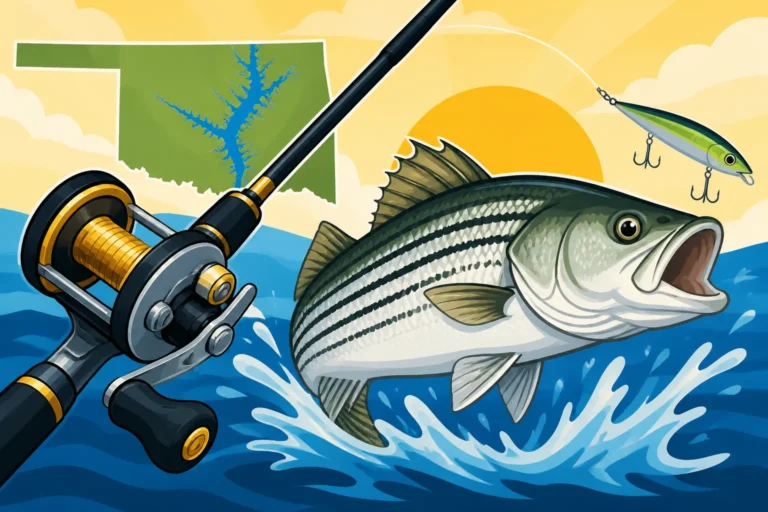
For serious reservoir catfishing, you'll want a rod that offers a good blend of power and sensitivity. This might sound like a contradiction, but it means a rod strong enough to horse in a big fish from deep water, yet sensitive enough to detect the subtle tap of a channel cat picking at your bait. Most seasoned Oklahoma catfishermen opt for medium-heavy to heavy power rods, typically between 7 and 9 feet long. This length provides excellent casting distance when you need to reach distant channels or drop-offs from the bank or a boat. It also gives you leverage to fight a strong fish and keep it out of snags.
The action of the rod is also crucial. A moderate-fast to fast action rod will give you the backbone to set a big hook firmly into a catfish's tough mouth, while still allowing the tip to flex enough to absorb sudden surges without snapping your line. Fiberglass rods or composite blends (graphite and fiberglass) are popular choices because they tend to be more durable and forgiving than pure graphite, which can be brittle under extreme pressure. Imagine fighting a 50-pound blue cat on Lake Texoma – you need a rod that can bend deeply without breaking, absorbing those head shakes and powerful dives. Retailers like Bass Pro Shops often have dedicated catfish rod sections where you can feel the different actions and powers firsthand.
Choosing a Reel That Can Handle the Fight
Your reel needs to be just as robust as your rod, if not more so. For reservoir catfishing, anglers primarily use two types of reels: baitcasting reels and spinning reels. Each has its advantages.
Baitcasting reels, particularly heavy-duty conventional or round baitcasters, are often preferred by serious catfishermen for their immense power and line capacity. They excel at handling heavy lines and big sinkers, making them ideal for bottom fishing in strong currents or deep water. The direct retrieve and powerful drag systems on these reels give you maximum control over a large fish. When a big flathead latches onto your live bait near a submerged timber pile, you need that cranking power and a smooth drag to keep it from burying itself. Look for reels with a strong, smooth drag system that can withstand prolonged battles.
Spinning reels, while generally offering less brute power than conventional baitcasters, are user-friendly and excellent for casting lighter baits or for anglers who prefer a simpler setup. For channel catfish or smaller blues, a heavy-duty spinning reel in the 6000-8000 series size range can be perfectly adequate. They are also great for quick casts to schooling fish or when targeting specific structures where precise placement is key. Regardless of your choice, ensure the reel has a robust construction, corrosion resistance (especially if you fish the Red River arm of Lake Texoma), and a smooth, reliable drag system. A sticky drag is one of the quickest ways to lose a trophy fish. Best Rods and Reels for Oklahoma Fishing offers a broader look at selecting your gear.
Lines, Hooks, and Sinkers: The Business End of Your Rig
Once you've got your rod and reel sorted, it's time to focus on the components that directly connect you to the fish. The line, hooks, and sinkers are not just small parts; they are critical links in your fishing system, each playing a vital role in presentation, detection, and ultimately, landing that trophy catfish.
Selecting the Right Fishing Line
For reservoir catfishing, line strength and abrasion resistance are paramount. You're often fishing around submerged timber, rock piles, or rip-rap, all of which can quickly fray or cut your line. Monofilament, fluorocarbon, and braided lines each have their place, but braided line is a clear favorite for many Oklahoma catfishermen.
Heavy-duty braided line, typically in the 30 to 80-pound test range, offers incredible strength-to-diameter ratio, minimal stretch, and excellent abrasion resistance. The lack of stretch provides superior sensitivity, allowing you to feel even the lightest bites in deep water or strong current, and it gives you powerful hooksets. While braid is strong, many anglers still use a monofilament or fluorocarbon leader to provide a bit of shock absorption and make the line less visible to wary fish. A 20-30 pound fluorocarbon leader for channel catfish, or a 50-80 pound mono leader for big blues and flatheads, is a common practice.
Monofilament line in the 15-30 pound test range is a good, economical choice for general catfishing, especially for channel cats. It has more stretch, which can be forgiving, and is more abrasion resistant than lighter mono. Fluorocarbon leaders are also fantastic for their invisibility and superior abrasion resistance, making them ideal for clear water conditions on lakes like Broken Bow. Choosing the right line can make all the difference, especially when you hook into a true beast. Many anglers stock up on bulk spools of their preferred line through online retailers like Amazon, which can be a cost-effective way to keep your reels fresh.
Choosing the Best Hooks for Catfish
Catfish have tough, bony mouths, so you need hooks that are strong, sharp, and appropriately sized for both your bait and the fish you're targeting. The two most common types are circle hooks and J-hooks.
Circle hooks are highly recommended, especially if you plan to practice catch-and-release or want to avoid gut-hooking fish. When a catfish takes a circle hook, it typically slides to the corner of the mouth as the fish swims away, resulting in a solid, lip-hooked fish. This makes release much easier and safer for the fish. For circle hooks, sizes range from 4/0 for smaller channel cats up to 10/0 or even 12/0 for monster blue and flathead catfish. The key with circle hooks is to resist the urge to set the hook; just let the fish take the bait and swim off with a steady pull on the rod. How to Rig a Slip Sinker for Catfish often pairs well with circle hooks.
J-hooks, while requiring a more traditional hookset, are also effective. Treble hooks are generally not recommended for catfishing, as they can cause serious damage to the fish and are often banned in certain areas for trotline or jug fishing. When using J-hooks, ensure they are stout and sharp. Sizes from 2/0 to 8/0 are common, depending on your target species and bait size. Remember, a dull hook will result in missed fish, so always check your hook points and sharpen or replace them as needed.
| Hook Type | Common Sizes (Catfish) | Description | Ideal Use Case |
|---|---|---|---|
| Circle Hook | 4/0 – 12/0 | Designed to hook fish in the corner of the mouth as they swim away; self-setting. | Catch-and-release, live bait, dead bait, reducing gut hooks. |
| J-Hook | 2/0 – 8/0 | Traditional hook, requires manual hookset. | Cut bait, stink bait, targeting smaller to medium catfish. |
Sinkers and Weights for Reservoir Conditions
Fishing in reservoirs often means battling currents and reaching deep bottom structures. Your choice of sinker is crucial for keeping your bait where you want it and ensuring it stays put.
Common Sinker Types:
- Slip Sinkers (Egg Sinkers): These are perhaps the most popular for catfishing. They have a hole through the middle, allowing your main line to slide freely. This means the fish can pick up the bait and swim off without feeling the resistance of the sinker, leading to more natural presentations and better bites. They come in various weights, from 1/2 ounce up to several ounces.
- No-Roll Sinkers: As the name suggests, these sinkers are designed with flat sides to prevent them from rolling in current. They are fantastic when you need your bait to stay anchored in a specific spot, especially in river channels or windy reservoir flats.
- Pyramid Sinkers: Similar to no-rolls, pyramid sinkers dig into the bottom, making them excellent for strong currents or sandy/muddy bottoms where you need maximum holding power.
- Bank Sinkers: A teardrop shape, these are a good all-around choice for many situations, offering moderate holding power and good casting distance.
The weight of your sinker will depend entirely on the conditions. On a calm day in a shallow cove, a 1/2-ounce sinker might be enough. But if you're fishing the main channel of the Arkansas River below Keystone Lake or trying to hold bottom in a strong wind on Lake Texoma, you might need 3, 4, or even 6 ounces of lead (or a non-toxic alternative). Always carry a variety of weights to adapt to changing conditions.
Baits and Attractants: What Catfish Can't Resist
No matter how perfect your rod, reel, line, and hooks are, they're useless without irresistible bait. Catfish are opportunistic feeders, and what they prefer can vary greatly by species, season, and even the specific body of water you're fishing. Having a diverse bait selection is key to success on Oklahoma's big reservoirs.
Top Baits for Oklahoma Reservoir Catfish
Oklahoma reservoirs hold diverse catfish species, and their dietary preferences can differ. Understanding what each species likes best will significantly improve your chances.
- Cut Bait: This is a universal winner for blue and channel catfish. Fresh cut pieces of oily fish like shad, skipjack herring, or even small sunfish (check local regulations on using game fish as bait) are incredibly effective. The scent trail they emit is a powerful attractant. Many anglers will catch their own shad using a cast net directly on the reservoir, ensuring the freshest possible bait. For really big blue cats, entire small shad or chunks of larger fish are the ticket.
- Live Bait: For flathead catfish, live bait is king. Sunfish, perch, and small carp are prime choices. Flatheads are predatory ambush hunters and prefer live, struggling prey. You'll want to hook your live bait carefully through the back (avoiding the spine) or lips to keep it lively. Remember that larger flatheads require larger live baits. Best Bait for Catfish in Oklahoma Lakes and Rivers goes into more detail.
- Prepared Baits (Stink Baits): These pungent concoctions are channel catfish magnets. Available in various forms like dip baits, punch baits, and pre-formed balls, they come in a multitude of flavors and aromas. Brands like Secret 7, Sonny's, or Big Marv's have a loyal following among channel cat anglers. They are especially effective in warmer water when channel cats are actively feeding. You'll typically use them with a bait holder hook or a specialized "sponge" hook designed to hold the bait.
- Worms and Nightcrawlers: While not always the top choice for trophy reservoir cats, a big wad of nightcrawlers can still entice channel cats and smaller blues, especially after a rain or near feeder creeks. They are also incredibly easy to acquire and use, making them a great standby.
- Chicken Liver: A classic for a reason, chicken liver is readily available and offers a potent scent trail that channel cats find irresistible. The main challenge is keeping it on the hook, but specially designed bait holder hooks or wrapping it with a small piece of mesh can help.
Experimentation is vital. What works one day might not work the next, or what's hot on Lake Eufaula might not be as effective on Fort Gibson. Always try different baits until you find what the catfish are biting on that particular day. Best Catfish Bait for Summer Fishing can help you refine your choices for specific seasons.
Attractants and Scents: Boosting Your Bait's Appeal
Beyond the bait itself, anglers often use various attractants and scents to give their offerings an extra edge, especially in large reservoirs where fish might be spread out. These products can amplify the natural odors of your bait or introduce new scents that pique a catfish's curiosity.
- Scent Sprays and Dips: Many companies produce concentrated fish scents that can be sprayed onto cut bait, live bait, or even artificial lures used for catfishing. These often mimic the natural oils of shad or contain powerful amino acids that fish can detect from a distance. A quick spritz on your chicken liver or cut bait before casting can significantly increase its drawing power.
- Dye and Glitter: Some prepared baits already incorporate dyes or glitter, but you can also add these yourself. While catfish rely heavily on scent, visual appeal, especially in slightly stained or turbid water, can sometimes trigger a strike. A contrasting color or a bit of flash might just be enough to catch a catfish's eye as it cruises by.
- Bait Holders and Sponges: For softer baits like chicken liver or some prepared stink baits, specialized bait holders or small sponges designed to soak up and slowly release scent can be invaluable. These ensure your bait stays on the hook longer, continually releasing its attractant without falling off during the cast or in the current.
Remember, while attractants can give you an advantage, they are rarely a substitute for good bait presentation and finding where the fish are holding. They are a supplement, not a miracle cure.
Essential Accessories for Reservoir Catfishing
Beyond the core rod, reel, line, hooks, and bait, a few key accessories can make your reservoir catfishing experience more efficient, safer, and much more enjoyable. These items might seem minor, but they collectively contribute to your success and comfort on the water.
Rod Holders and Bells: Keeping Watch
When you're bottom fishing for catfish, especially with multiple lines out, waiting for a bite can be a patience game. Rod holders are indispensable for keeping your rods securely in place while you wait.
- Bank Rod Holders: If you're fishing from shore, sturdy spike-style or tripod rod holders are a must. They keep your rod tips up, making it easier to see bites and preventing your rod from being pulled into the water by a strong fish.
- Boat Rod Holders: For boat anglers, clamp-on or flush-mount rod holders ensure your rods are secure while trolling or anchored. Look for heavy-duty models that can withstand the force of a large catfish strike.
Pair your rod holders with bite indicators like bells or electronic alarms. A simple clip-on bell will jingle with the slightest tap, alerting you to action. Electronic bite alarms offer adjustable sensitivity and volume, making them perfect for night fishing or when you're distracted. Nothing is worse than looking up to see your rod bent double, only to realize you missed the bite!
Landing Net and Grippers: Securing Your Catch
Bringing a large, feisty catfish into the boat or onto the bank safely requires the right tools.
- Large Landing Net: Invest in a sturdy, large-hoop landing net with a deep, rubberized mesh. The rubber coating helps prevent hooks from tangling and is gentler on the fish's slime coat if you plan to release it. Trying to hand-land a 30-pound blue cat is a recipe for disaster (and potentially injury).
- Fish Grippers: For handling large catfish, especially flatheads with their sharp fins and pectoral spines, fish grippers are a lifesaesaver. They allow you to securely hold the fish by its lower jaw without putting your hands at risk. Just be gentle, supporting the fish's body weight to avoid jaw damage.
Pliers, Knife, and First Aid: Safety and Efficiency
No fishing trip is complete without a few essential tools for safety and efficiency.
- Long-Nose Pliers or Hook Removers: Catfish often swallow hooks deeply, and their tough mouths can make extraction difficult. Long-nose pliers or specialized hook removers are crucial for getting hooks out quickly and safely, minimizing stress on the fish and protecting your fingers.
- Sharp Knife: A good fishing knife is indispensable for cutting bait, trimming line, or a myriad of other tasks. Keep it sharp and in a safe sheath.
- First Aid Kit: Accidents happen, especially when handling sharp hooks, knives, and feisty fish. A basic first aid kit with band-aids, antiseptic wipes, and pain relievers should always be onboard or in your tackle box.
- Towels and Gloves: Catfish can be slimy. A few old towels are great for wiping hands, bait, and cleaning up messes. Heavy-duty gloves can protect your hands from spines, gill plates, and sharp teeth, especially when dealing with larger fish.
Having these accessories on hand will make your catfishing trips to Oklahoma's reservoirs much more productive and enjoyable, letting you focus on the thrill of the catch rather than preventable hassles. Many of these essential items, from rod holders to landing nets, can be found readily at major sporting goods stores or through online retailers.
Practical Tips for Reservoir Catfishing Success
Having the right tackle is just one piece of the puzzle. Understanding how to use it effectively and adapting to the unique challenges of reservoir catfishing will elevate your game. The big waters of Oklahoma demand a different approach than a small pond, and a few strategic adjustments can lead to much greater success. Oklahoma's Catfish Fishing Rules and Limits can help you stay compliant.
Reading the Water and Finding Catfish Structure
Catfish in reservoirs don't just swim around aimlessly; they relate to structure and changes in depth. Learning to "read the water" is a skill that comes with time, but there are key features to look for.
- River Channels and Creek Beds: Most Oklahoma reservoirs are impoundments of rivers, and the old river channels winding through the lake are prime catfish highways. Fish will often stage in these deeper channels, especially during temperature changes or low light.
- Submerged Timber and Brush Piles: Catfish, especially flatheads, love cover. Submerged trees, brush piles, and even old building foundations provide ambush points and protection. These areas can be tricky to fish due to snags, but they hold big fish. Use a heavier line and a slip-sinker rig to minimize hang-ups.
- Drop-Offs and Ledges: Where shallow flats meet deeper water, you'll find drop-offs and ledges. Catfish will patrol these depth transitions, moving up into shallower water to feed during low light and retreating to deeper, cooler water during the day.
- Rip-Rap and Rock Piles: The rocky banks of causeways, bridge pilings, and dam faces (if accessible and legal to fish) provide excellent habitat for baitfish, which in turn attract catfish. These areas can be fished effectively from the bank or boat.
- Feeder Creeks and Inflows: After a rain, feeder creeks will wash nutrients and baitfish into the main lake, creating a buffet for catfish. The currents and oxygen levels in these areas can also be very attractive.
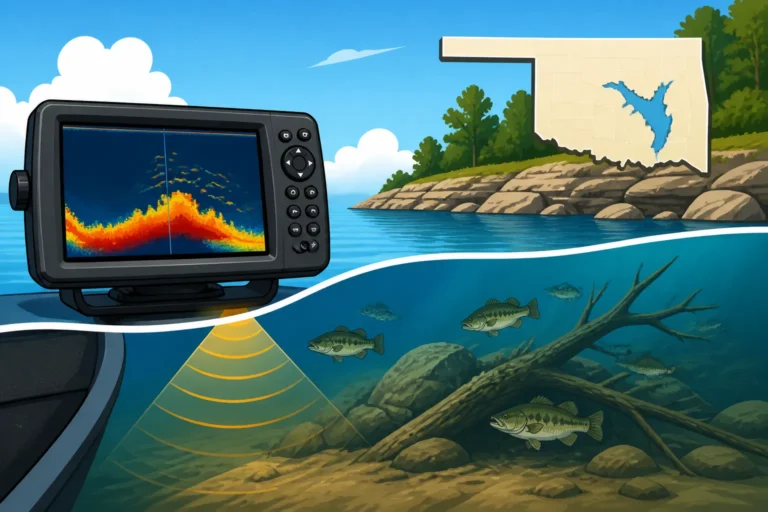
Using a good fish finder (if fishing from a boat) can help you locate these structures and identify schools of baitfish or larger fish arches. Even from the bank, observing the contours of the shoreline and understanding how they extend underwater can give you clues.
Adapting to Seasonal Patterns and Weather Changes
Catfish behavior in reservoirs is heavily influenced by the seasons and weather. What works in spring might not work in summer or winter.
- Spring: As water temperatures rise, catfish become more active and begin their pre-spawn feeding. They'll move into shallower, warmer flats and creek arms. This is a great time for cut bait and prepared baits.
- Summer: During the heat of summer, catfish often retreat to deeper, cooler waters during the day, becoming most active in the low light of dawn, dusk, and especially at night. Night fishing with glow-in-the-dark sinkers or lighted bobbers can be incredibly productive. Summer Night Fishing Techniques in Oklahoma can help you plan.
- Fall: As water temperatures begin to drop, catfish will often go on a feeding frenzy, bulking up for winter. They might be found shallower during the day, especially on sunny banks, and deeper during colder snaps.
- Winter: Winter catfishing can be challenging, but big blue cats can still be caught. They'll typically hold in the deepest parts of the main lake channel, often congregating in large schools. Slower presentations with large cut bait are usually effective. Winter Catfishing Techniques in Oklahoma provides some good strategies.
Weather fronts, wind direction, and even moon phases can also impact catfish activity. A stable period with consistent weather often leads to better fishing than sudden changes. Pay attention to forecasts and adjust your fishing spots and techniques accordingly.
Ethical Angling and Conservation
While assembling the best tackle for reservoir catfishing focuses on catching fish, it's equally important to consider ethical angling practices and conservation. Oklahoma's catfish populations are a valuable resource, and responsible fishing ensures they remain healthy for future generations.
- Know Your Limits: Always be aware of and abide by Oklahoma's daily bag and possession limits for catfish species. These limits are in place to manage fish populations sustainably.
- Handle Fish Carefully: If you plan to release a fish, handle it as little as possible. Keep it wet, support its body weight, and use a net designed to be gentle on fish. Long-nose pliers or hook removers are essential for quick and clean hook extraction.
- Leave No Trace: Pack out everything you pack in. Dispose of old fishing line, bait containers, and other trash properly. Litter not only detracts from the beauty of Oklahoma's lakes but can also harm wildlife.
- Respect Other Anglers: Oklahoma's reservoirs are for everyone. Practice good boat ramp etiquette and give other anglers space.
By combining the right tackle with a strong understanding of catfish behavior and responsible angling practices, you'll be well on your way to consistent success on the fantastic catfishing waters of Oklahoma.
Disclaimer
This article is for general informational purposes only and does not constitute professional advice. Laws, prices and regulations vary by location and change over time. Consult a qualified professional for guidance on your specific situation.