Best Tackle for Shore Fishing Catfish
There's nothing quite like the satisfaction of feeling that strong, distinctive tug on your line, knowing a hard-fighting catfish is on the other end. But if you're like many Oklahoma anglers, you've probably felt the frustration of showing up to the lake or riverbank, only to realize your gear isn't quite up to the task for those whiskered giants. This guide is here to walk you through the very best tackle choices for successful shore fishing specifically for catfish in our incredible Oklahoma waters, ensuring you're ready for whatever bites.
Understanding the Catfish and Your Shore Fishing Goals
Before we even talk about rods and reels, let's chat about what we're targeting and why it matters. Oklahoma is home to some fantastic catfish species – the Channel, Blue, and Flathead. Each offers a different fight, and while much of the tackle crosses over, understanding your potential catch helps fine-tune your setup for maximum success and enjoyment. Shore fishing presents unique challenges compared to boat fishing, primarily casting distance, access to structure, and fighting fish without a boat to maneuver.
Channel Catfish: The Bank Fishing Staple
Channel cats are often the most common catch for shore anglers in Oklahoma. They're widespread, eager biters, and can grow to respectable sizes, though trophy-class channels are less frequent from the bank compared to blues or flatheads. They love baits like cut bait, stink baits, worms, and even prepared dough baits. When you're fishing for channels from shore, you're usually looking for active feeders in a variety of depths, from shallow flats to deeper holes near drop-offs. Your tackle needs to be versatile enough to cast a decent distance and handle a fish that can run a bit before tiring. For many, catching a limit of these delicious fish is the primary goal, especially if you're fishing with family or introducing kids to the sport. Oklahoma's Catfish Fishing Rules and Limits will give you a good idea of what you can keep.
Blue and Flathead Catfish: Bank-Accessible Giants
While trophy Blue and Flathead catfish are often associated with deep-water boat fishing, don't discount the possibility of landing giants from the bank, especially in large reservoirs or major river systems like the Arkansas, Red, or Grand River. These species tend to grow much larger than channel cats. Blue catfish can be found in big schools in open water but also cruise shorelines, especially near channels or deep water access points. Flatheads are solitary ambush predators, often found near heavy cover like submerged timber, rock piles, or undercut banks.
When targeting these larger species from shore, your tackle needs to be significantly beefier. You're not just casting; you're often fighting a fish that could potentially weigh 30, 40, or even 50+ pounds. They'll test your gear, your knots, and your patience. The challenge is immense, but the reward of landing a true lunker from solid ground is unforgettable. You'll definitely want to know The 30-Inch Blue Catfish Exception Explained if you're aiming for those bigger blues.
Essential Rod, Reel, and Line Setups for Shore Catfishing
Let's get down to the brass tacks: what rod, reel, and line combination will serve you best from the bank? The key here is balancing power with sensitivity and castability. You need to be able to launch your bait a good distance, handle the initial strike of a strong fish, and then have the backbone to bring it to shore.
Choosing the Right Rod: Power and Length for the Bank
For most Oklahoma shore catfishing, you'll want a rod with some serious backbone. Forget those ultra-light panfish rods; we're talking about putting some muscle into our casts and controlling potentially large fish.
- Medium-Heavy to Heavy Power: This refers to how much force it takes to bend the rod. A medium-heavy rod is a great all-around choice for channels and smaller blues/flatheads, offering enough power for decent casting and fighting. If you're specifically targeting those monster blues or flatheads, a heavy power rod is the way to go. It gives you the leverage needed to turn a big fish's head and keep it out of snags.
- Moderate-Fast to Fast Action: This describes where the rod bends. A moderate-fast action rod bends in the upper half, offering a good balance of casting distance and sensitivity for detecting bites. A fast action rod bends mostly at the tip, providing excellent sensitivity and quick hook-setting power, which is great for catfish that might mouth the bait before committing.
- Length: This is where shore fishing really differs. You'll generally want a longer rod than you might use from a boat. Think anywhere from 7 to 10 feet, or even longer for specialized surf casting rods. Why?
- Casting Distance: A longer rod helps you sling heavier baits further out into the lake or river, reaching those deeper channels or more productive spots that might be inaccessible with a shorter rod.
- Line Management: It helps keep your line elevated and out of shoreline brush, weeds, or current, reducing snags.
- Fish Control: A longer rod gives you more leverage to steer a big fish away from obstacles near the bank, like submerged logs or rocky outcrops, especially when you're fighting it in shallow water closer to shore.
When you're browsing at stores like Bass Pro Shops, look for rods specifically labeled "catfish" or "surf" rods. These are designed with the power and length needed for this type of fishing.
Selecting Your Reel: Spinning vs. Baitcasting
Both spinning and baitcasting reels have their place in shore catfishing. Your choice often comes down to personal preference and the specific fishing situation.
- Spinning Reels: These are fantastic for ease of use and versatility, especially for beginners or those who prefer simpler casting. They handle a wide range of line sizes well and are less prone to backlashes. For catfishing, look for a durable spinning reel in the 4000 to 8000 series size (or larger, depending on the brand), capable of holding a good amount of heavy line. Make sure it has a smooth, strong drag system – this is crucial for fighting big fish from the bank. A good drag will let the fish take line when it needs to, preventing snapped lines or pulled hooks.
- Baitcasting Reels: Baitcasters offer superior power, torque, and pinpoint casting accuracy once you master them. They're generally preferred by experienced anglers targeting larger catfish species because of their robust construction and ability to handle heavier lines and larger weights. A 5000 to 7000 series (or equivalent) conventional baitcasting reel is a solid choice. Look for models with a high line capacity and a strong, reliable drag. The direct connection to the line provides incredible feel and control during the fight.
Whichever reel you choose, ensure it's made with quality components that can stand up to the elements and the strain of heavy fish. Saltwater-rated reels, even for freshwater use, are often a good indicator of durability.
The Lifeline: Fishing Line Choices
Your fishing line is the only direct connection between you and the fish, so choosing wisely is paramount. You'll want something strong, abrasion-resistant, and with good knot strength.
- Monofilament (Mono): This is a popular and affordable choice. It's stretchy, which can be an advantage by acting as a shock absorber during violent strikes or head shakes, preventing hooks from tearing out. It also has good abrasion resistance. For shore catfishing, you'll want to use a heavier test, typically 15-30 lb for channel cats, and 30-50 lb (or more) for blues and flatheads. The main drawback is its stretch can reduce sensitivity, and it can have more memory, leading to coils.
- Braided Line: Braided line has almost no stretch, offering incredible sensitivity to detect even the lightest bites and immense strength for its diameter. This means you can use a thinner diameter line with a much higher breaking strength (e.g., 50 lb braid is often the diameter of 12-15 lb mono). Its thinness also helps with casting distance. The lack of stretch is a double-edged sword: great sensitivity and hook-setting power, but less forgiveness during a strong run. Braid is also highly abrasion-resistant against many things, but sharp rocks or clam shells can still fray it. Many anglers pair braided mainline with a monofilament or fluorocarbon leader to provide a bit of stretch and some invisibility, especially in clear water. For heavy-duty catfishing, 50-80 lb braided line is common.
- Fluorocarbon: While less commonly used as a main line for catfishing due to cost and stiffness, fluorocarbon makes an excellent leader material. It's nearly invisible underwater, extremely abrasion-resistant, and has very little stretch. If you're using braided mainline, a 2-4 foot fluorocarbon leader in a slightly lighter test than your main line (e.g., 30-50 lb) can be a great addition, especially in clearer water conditions.
| Line Type | Pros | Cons | Best Use for Catfishing |
|---|---|---|---|
| Monofilament | Affordable, good stretch (shock absorber), good knot strength, decent abrasion resistance. | Less sensitive, more line memory, larger diameter for given strength. | All-around choice for channel catfishing; good for beginners due to forgiveness; can be used as a leader for its stretch and abrasion resistance in heavy cover. |
| Braided | Incredible strength-to-diameter ratio, no stretch (maximum sensitivity, powerful hooksets), excellent casting distance. | More expensive, less forgiving (no stretch for shock absorption), can cut fingers if not careful, knots require practice, highly visible to fish. | Ideal for targeting larger blue and flathead catfish; excellent for fishing in current or deep water where sensitivity is key; best paired with a leader. |
| Fluorocarbon | Nearly invisible underwater, extremely abrasion resistant, low stretch, good sensitivity. | Expensive, stiffer than mono, can be harder to cast as main line, prone to memory if not spooled correctly. | Excellent as a leader material when using braided main line, especially in clear water or when targeting cautious fish; good for heavy cover where abrasion is a concern. |
The Business End: Hooks, Weights, and the Right Bait
Once you've got your rod, reel, and line sorted, it's time to focus on the business end of your rig – the components that directly interact with the fish and the environment. These choices are just as critical for success.
Hooks: Snagging and Setting for Success
The right hook makes all the difference in connecting with a biting catfish. Different styles excel in different situations.
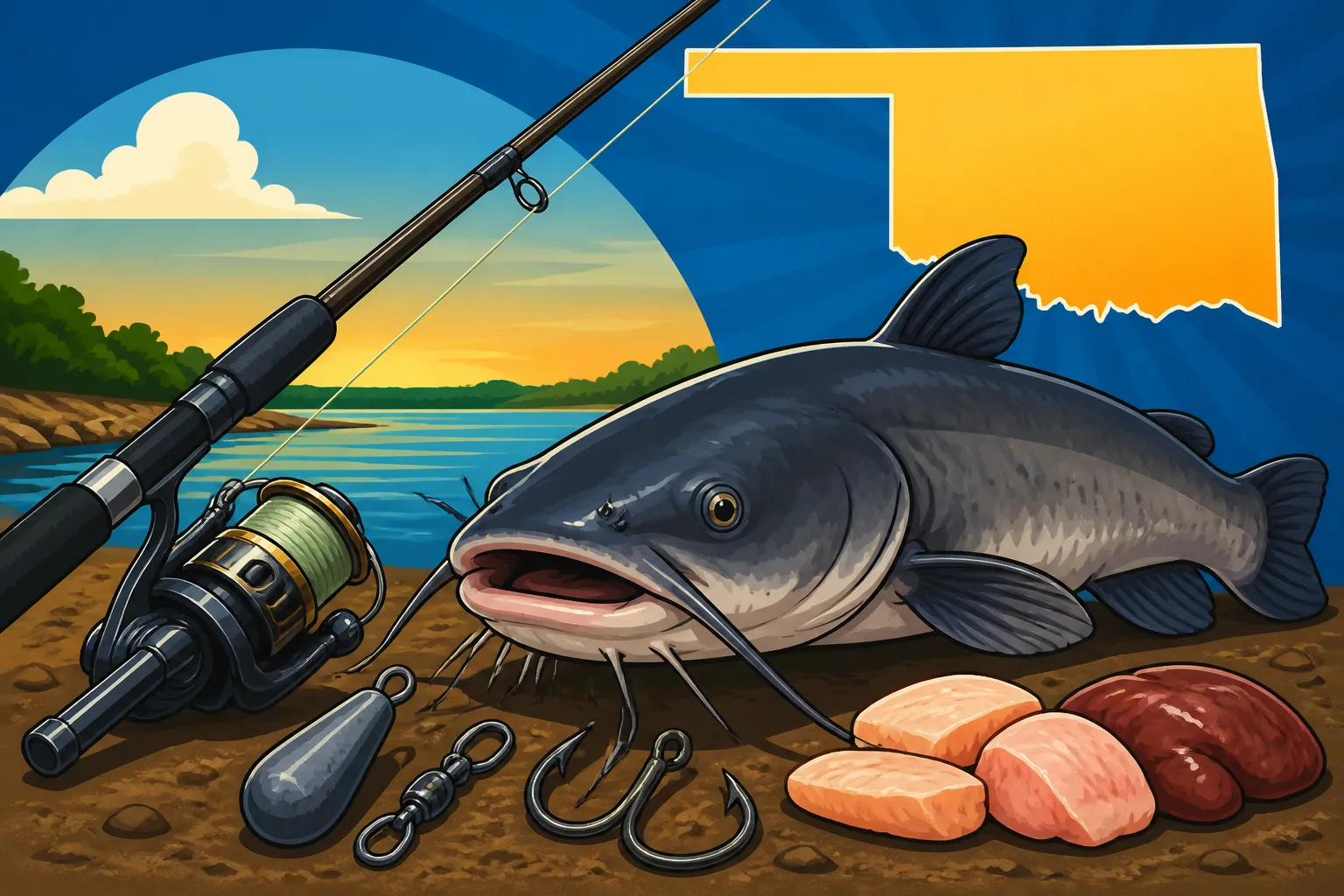
- Circle Hooks: These are by far the most recommended hook for catfishing, especially when fishing with natural baits. The design allows the hook to slide into the corner of the fish's mouth as it tries to swim away, almost always resulting in a lip hook. This is fantastic for both fish survival (if you plan to release) and for reducing gut hooks. Plus, you generally don't need to set the hook forcefully; just let the rod load up, reel tight, and the hook does the work. Look for sizes from 4/0 to 8/0 for channel cats and smaller blues, and 8/0 to 12/0 (or even larger) for trophy blue and flathead catfish.
- Treble Hooks: While legal for many baits, treble hooks are more commonly associated with stink baits and dough baits. The multiple points offer a good hold for softer baits. However, they are more prone to gut-hooking fish and can be harder to remove. If you're targeting smaller channel cats with prepared baits and plan to keep them, they can work. For live bait or larger fish, circle hooks are usually the safer and more effective option.
- J-Hooks: These are traditional hooks that require a firm hookset to embed. They can be very effective, but like treble hooks, they carry a higher risk of gut-hooking. If you use J-hooks, opt for robust, sharp ones. Sizes generally range from 2/0 to 6/0 for channels and up to 10/0 for bigger cats.
Regardless of the style, always choose sharp, strong hooks. Catfish have tough mouths, and a dull hook will often lead to missed bites or pulled hooks. Many anglers find specific, heavy-duty catfish hooks from brands like Gamakatsu or Owner at stores like Bass Pro Shops or online retailers like Amazon.
Weights (Sinkers): Holding Your Bait in Place
Weights are essential for casting distance and keeping your bait where you want it in the current or on the bottom.
- Egg Sinkers: These are oval-shaped weights with a hole through the middle. They are fantastic for slip-sinker rigs, allowing the line to slide freely through the weight after a fish bites. This means the fish can pick up the bait and run without feeling the resistance of the sinker, giving you a better chance to set the hook. They're versatile and widely used.
- No-Roll Sinkers: As the name suggests, these flat-sided weights are designed to sit still on the bottom, making them ideal for fishing in currents or on sloped bottoms where other weights might roll away. They come in various sizes and are great for keeping your bait anchored.
- Pyramid Sinkers: These pyramid-shaped weights dig into the bottom, providing excellent holding power, especially in strong currents or sandy bottoms. They're a good choice when you really need your bait to stay put.
The weight size you choose depends on several factors: casting distance needed, depth, and current strength. Start with 1/2 oz to 2 oz for average conditions and go heavier (up to 4 oz or more) for long casts, deep water, or strong currents. It's always a good idea to have a variety of sizes in your tackle box.
The All-Important Bait: What Catfish Crave
You can have the best tackle in the world, but without the right bait, you're just casting for exercise! Catfish are opportunistic eaters, but they do have preferences. Best Bait for Catfish in Oklahoma Lakes and Rivers delves deeper into this, but here's a quick overview for shore fishing:
- Cut Bait: This is a universal catfish favorite. Shad, carp, bluegill, or even hot dogs cut into chunks release oils and scents that catfish can't resist. Fresh cut bait is usually best. For flatheads, a live bluegill or sunfish is often irresistible.
- Stink Baits/Prepared Baits: These commercially prepared baits come in various forms (dips, doughs, chunks) and are infused with powerful scents designed to attract catfish. They are incredibly effective, especially for channel catfish, and are super convenient for bank anglers. Just make sure you have appropriate hooks (like treble hooks or specialized bait holders) to keep them on.
- Worms: Nightcrawlers or red wigglers are classic, easy-to-find baits that will catch channel catfish, especially smaller ones. They're also great for catching panfish, which can then be used as cut bait for larger cats.
- Other Options: Shrimp, chicken livers, and even small pieces of soap can also be effective, depending on the day and location. Experimentation is key!
Always check local regulations for bait restrictions. For example, some areas may prohibit the use of certain live fish as bait.
Assembling Your Rig and Other Shore Fishing Essentials
Now that you have all the components, let's talk about putting them together into an effective shore fishing rig and what other bits and bobs will make your experience more enjoyable and successful.
Basic Rigging for Shore Catfishing
There are countless ways to rig for catfish, but a few simple setups are proven winners for bank anglers. How to Rig a Slip Sinker for Catfish will give you a detailed walkthrough of one of the most effective methods.
-
Slip-Sinker Rig (Carolina Rig): This is arguably the most popular and effective rig for shore catfishing, especially with natural baits.
- Thread your egg sinker onto your main line.
- Tie on a barrel swivel (this prevents the sinker from sliding down to your hook).
- Attach a 12-24 inch leader of monofilament or fluorocarbon (the length can vary based on water conditions and how high you want your bait off the bottom).
- Tie your chosen circle hook to the end of the leader.
- Why it works: The slip-sinker allows the fish to pick up the bait and move away without feeling the weight, giving you a stealthier presentation and a better chance for a clean hook-up. This is crucial when fishing from shore where sensitivity can be a challenge.
-
Three-Way Swivel Rig: This rig is excellent for keeping your bait off the bottom in areas with soft mud or for presenting multiple baits.
- Tie your main line to one eye of a three-way swivel.
- Tie a short leader (6-12 inches) with a pyramid or no-roll sinker to the second eye.
- Tie a longer leader (12-36 inches) with your hook and bait to the third eye.
- Why it works: It lifts your bait above bottom debris and allows you to present two different baits or depths if desired.
Essential Accessories for the Bank Angler
Beyond your core tackle, a few accessories will significantly improve your shore fishing experience.
- Rod Holders/Bank Sticks: These are indispensable. You can't hold your rod all day, and putting it down on the ground is asking for trouble. Bank sticks or tripod rod holders keep your rod elevated, visible, and ready for a strike. Many anglers use multiple rods, and holders are essential for a multi-rod Catfish Bottom Fishing Techniques setup.
- Pliers/Forceps: For hook removal. Catfish have sharp spines and teeth, and trying to unhook a fish by hand is a recipe for a painful accident. Long-nose pliers or specialized fishing forceps are a must-have.
- Net or Lip Grips: For landing larger fish. Trying to swing a big catfish up the bank is risky for both you and the fish. A sturdy landing net with a deep basket or a pair of heavy-duty lip grips will make landing large fish much safer and easier.
- Cooler: Not just for drinks! If you plan to keep your catch, a cooler with ice is essential to keep the fish fresh, especially on a hot Oklahoma day.
- Headlamp/Flashlight: If you're fishing at dawn, dusk, or night (which are prime times for catfish), a reliable light source is critical for rigging, baiting, and safely navigating the bank.
- First Aid Kit: A small kit with bandages, antiseptic wipes, and pain relievers is always a good idea for minor cuts or scrapes, especially when handling hooks or fish with sharp fins.
- Knife/Bait Shears: For cutting bait and other tasks. A sharp knife or dedicated bait shears makes preparing cut bait much easier and safer.
- Bug Spray: Don't forget this in Oklahoma, especially near water during warmer months!
By having the right tackle and a few key accessories, your shore fishing trips for catfish in Oklahoma will be far more productive and enjoyable. It's all about being prepared for that next big tug!
Disclaimer
This article is for general informational purposes only and does not constitute professional advice. Laws, prices and regulations vary by location and change over time. Consult a qualified professional for guidance on your specific situation.