Do Water Skiers Have to Wear a Life Jacket in Oklahoma?
It’s easy to get out on the beautiful lakes and rivers of Oklahoma and just assume that as a strong swimmer, you don’t really need a life jacket for certain activities, especially thrilling ones like water skiing. However, the rules for water sports in our state are quite clear and for very good reason: safety. This guide will walk you through Oklahoma's specific regulations regarding life jackets for water skiers and other towed enthusiasts, helping you understand not just what the rules are, but why they're so crucial for a safe day on the water.
Understanding Oklahoma's Life Jacket Laws for Towed Sports
There's a common misconception that if a boat has enough life jackets for everyone on board, that's sufficient. While having enough personal flotation devices (PFDs) is absolutely a requirement for any vessel, the rules change significantly when you're engaging in towed water sports. Oklahoma takes the safety of its citizens and visitors very seriously, and that means specific precautions for activities that carry inherent risks, like water skiing.
The Core Rule for Water Skiers and Tubers
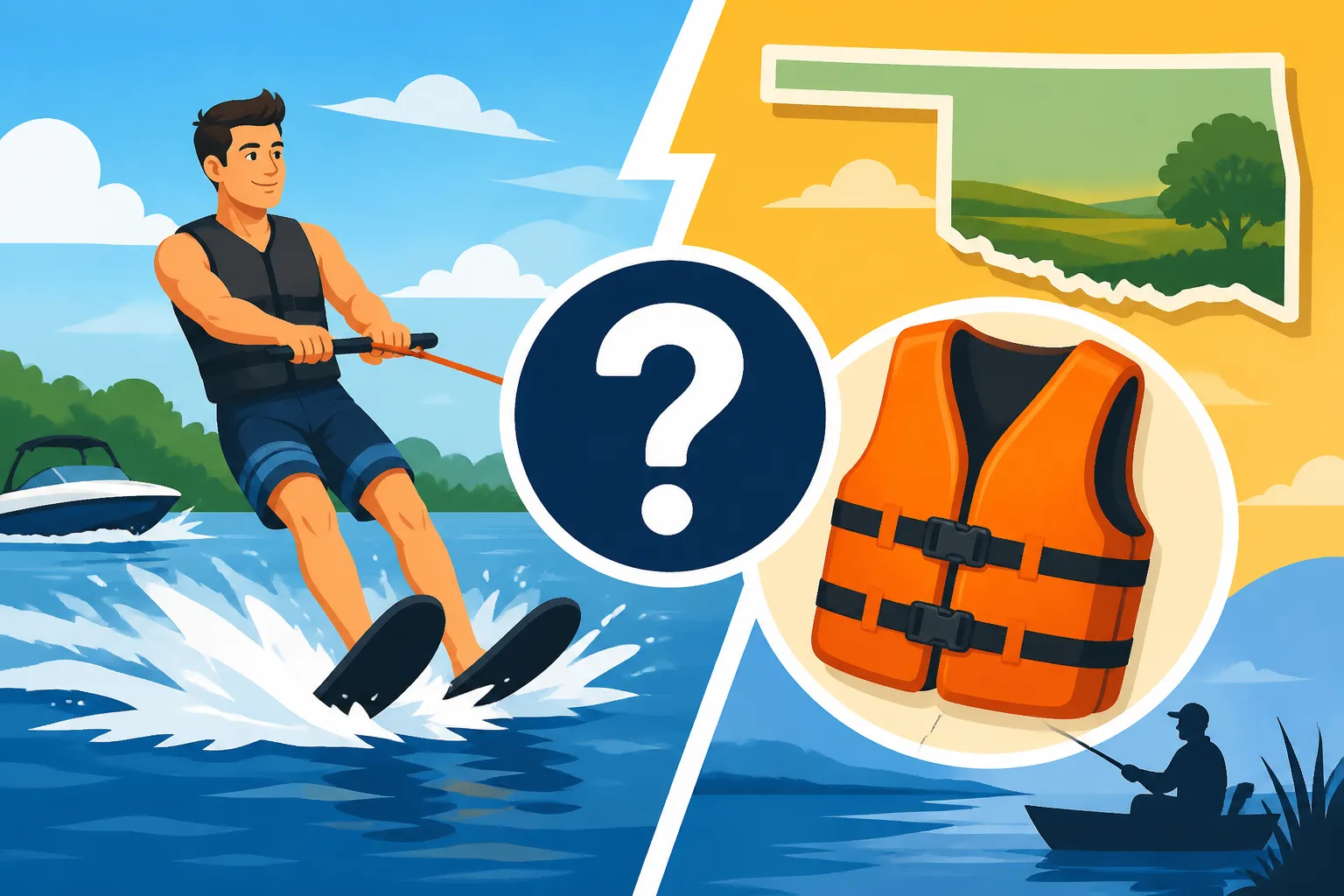
Here's the straightforward answer: Anyone being towed behind a vessel on water skis, a wakeboard, inner tube, or any other recreational device in Oklahoma must wear a U.S. Coast Guard (USCG) approved life jacket. This isn't an optional suggestion; it's a mandatory regulation designed to protect you. The moment you strap on those skis or climb onto that tube, you are required to have a properly fitted, USCG-approved life jacket securely fastened. It doesn't matter if you're an Olympic-level swimmer or if the water is perfectly calm; the rule applies universally. This immediate protection is vital because, unlike someone simply riding in the boat, a towed individual is much more likely to be involved in a sudden fall or impact, potentially becoming disoriented or incapacitated in the water. Having a life jacket on before an incident occurs ensures instant buoyancy and visibility, which can be the difference between a minor scare and a serious emergency. You can learn more about this specific requirement in Why Water Skiers and Tubers Must Wear a Life Jacket in Oklahoma.
What "USCG-Approved" Really Means
When the law specifies a "USCG-approved" life jacket, it's not just a fancy label; it means the device has met rigorous safety standards set by the United States Coast Guard. This approval guarantees that the PFD will perform as intended, providing reliable flotation in an emergency. You'll typically find a label inside the life jacket clearly stating its USCG approval, along with its performance type. For water skiing and similar active sports, you're generally looking for Type III (flotation aid) or sometimes Type II (near-shore buoyant vest) PFDs. Type III vests are often preferred because they're designed for comfort and mobility, allowing skiers the flexibility they need while still offering excellent buoyancy. They come in various styles, including those with segmentations for easier movement and quick-drying materials. It's crucial to check that the label hasn't been removed or become unreadable, as this information confirms its efficacy and compliance with regulations. Coast Guard Approved Life Jacket Requirements for Oklahoma Boaters delves deeper into these specific requirements.
Beyond the Skier: The Role of the Spotter and Operator
While the spotlight is often on the person being towed, it's important to remember that water skiing is a team effort when it comes to safety. The boat operator and the spotter (or observer) also play crucial roles in ensuring a safe experience. Oklahoma law mandates that if someone is being towed behind a boat, there must be a competent observer in the vessel, in addition to the operator. This observer's sole job is to watch the skier or tuber and relay signals to the boat operator. They are the "eyes" on the person in the water, crucial for immediate response if a fall occurs. The operator's job is to maintain safe speeds, be aware of their surroundings, and always be ready to respond to the spotter's signals. This collaborative approach significantly reduces risk and underscores that safety on the water is everyone's responsibility, not just the individual wearing the life jacket.
Why These Rules Exist: Safety First on Oklahoma Waters
It’s easy to feel like regulations are just red tape, but when it comes to water safety, every rule is born from experience and a desire to prevent tragic accidents. Oklahoma’s beautiful lakes, like Lake Texoma or Grand Lake O' the Cherokees, are fantastic for water sports, but they demand respect and adherence to safety protocols. These rules aren't there to hinder your fun; they're there to ensure you get home safely after a day of enjoyment.
The Dangers of Water Sports Accidents
Water skiing, wakeboarding, and tubing are exhilarating, but they come with inherent risks. A sudden fall at speed can cause disorientation, impact injuries, or even temporary loss of consciousness. Imagine hitting the water at 25 miles per hour – it's like hitting concrete. Without a life jacket, a disoriented or injured person could quickly slip underwater, especially if they hit their head. Collisions with other boats or submerged objects, though rare, are also possibilities, and a PFD offers that critical flotation even in chaos. Even something as seemingly minor as a prop injury can quickly become life-threatening if the person cannot stay afloat. These aren't just hypothetical scenarios; they are real dangers that life jackets are specifically designed to counteract by keeping your head above water and making you visible to rescuers.
Preventing Drowning Incidents
Drowning is often silent and swift. Unlike what you might see in movies, a person who is drowning rarely calls for help or thrashes violently. They often slip underwater quietly, especially if they are injured, disoriented, or suddenly succumb to cold water shock. A USCG-approved life jacket provides continuous flotation, ensuring that even if you're incapacitated, you remain on the surface. This dramatically increases your chances of survival and allows rescue personnel or your boat crew to locate and assist you quickly. This simple piece of gear buys precious time when every second counts. It’s not about your swimming ability; it’s about providing an immediate safety net for the unexpected. For comprehensive information on life jackets, check out Oklahoma Life Jacket and PFD Rules for Boaters.
Oklahoma's Commitment to Boating Safety
The Oklahoma Department of Wildlife Conservation (ODWC) and other state agencies are dedicated to making our waterways safe for everyone. The rules surrounding life jackets for towed sports are a testament to this commitment. These regulations are part of a broader framework of boating safety guidelines that cover everything from boat registration to operating under the influence. By enforcing these rules, Oklahoma aims to minimize accidents, reduce fatalities, and ensure that families can continue to enjoy the state's natural beauty without undue risk. These regulations protect not only the individual being towed but also everyone else on the water by fostering a culture of safety and responsibility. Ignoring these rules can lead to serious consequences, including Penalties for Fishing Without a License in Oklahoma (though in this case for boating violations) or Fines for Boating Safety Violations in Oklahoma.
Choosing the Right Life Jacket for Water Skiing
Selecting the right life jacket isn't just about grabbing the first one you see; it's about finding one that fits well, offers the appropriate level of flotation, and is comfortable enough that you'll actually want to wear it. A poorly chosen life jacket can be just as dangerous as not wearing one at all.
Fit and Comfort are Key
The most effective life jacket is the one that fits you properly. For water skiing, a snug fit is essential. It shouldn't ride up around your ears when you're in the water or being pulled by the boat. To test the fit, put it on and fasten all zippers and buckles. Then, have someone pull up on the shoulders of the jacket. If it slides up past your chin or ears, it’s too big. A properly fitting jacket will feel secure without being restrictive. Comfort is also vital; if a life jacket pinches, chafes, or restricts your movement too much, you’ll be less inclined to wear it. Many modern water ski vests are designed with flexible materials and segmented foam panels to maximize comfort and range of motion, which is critical for performing tricks or even just enjoying a smooth ride. When shopping, always refer to the manufacturer’s sizing chart, and remember that sizes vary between brands.
Performance Levels and Buoyancy
As mentioned, most water skiers gravitate towards USCG-approved Type III PFDs. These are known as "flotation aids" and are designed for general boating activities, including towed sports, where there's a good chance of rescue. They provide a minimum of 15.5 pounds of buoyancy and are generally the most comfortable, allowing for a full range of motion. The downside is that they require the wearer to consciously turn themselves face up in the water. For very young children or those who are unconscious, a Type II (near-shore buoyant vest) might be considered as it's designed to turn most unconscious wearers face up, but they are bulkier.
When considering materials, neoprene vests offer a sleek, comfortable fit that hugs the body, reducing bulk and absorbing less water. Nylon vests are generally more affordable and durable, though they can be a bit bulkier. Look for features like multiple adjustment straps, drainage holes, and perhaps even a whistle for emergencies. Whether you're browsing the aisles at Bass Pro Shops or looking for specific brands and sizes on Amazon, take the time to compare features and read reviews to ensure you're getting a jacket that not only meets legal requirements but also suits your specific needs for water skiing.
Maintenance and Inspection for Your PFD
Just like any other piece of safety gear, your life jacket needs regular maintenance and inspection. Before each season, and periodically throughout, give all your PFDs a thorough once-over. Check for tears, punctures, or signs of mildew. Make sure all zippers, buckles, and straps are in good working order and aren't corroded or worn out. Sunlight and saltwater can degrade the materials over time, reducing buoyancy and structural integrity. If you find any significant damage, it's time to replace the jacket. Storing life jackets in a dry, well-ventilated area, out of direct sunlight, will extend their lifespan. Never use them as boat cushions, as this can compress the flotation material and reduce its effectiveness. Proper care ensures your life jacket will be ready to protect you when you need it most. Safety Gear Checklist for Oklahoma Boaters can give you more tips on maintaining all your safety equipment.
| Life Jacket Type | Buoyancy (Minimum) | Best Use for Water Skiing | Key Features |
|---|---|---|---|
| Type III (Flotation Aid) | 15.5 lbs | Most common and recommended for water skiing, wakeboarding, tubing. | Comfortable, allows full range of motion, comes in various styles (vest, jacket). |
| Type II (Near-Shore Buoyant Vest) | 15.5 lbs | Less common for skiing due to bulk, but suitable for general boating. Can turn some unconscious wearers face up. | Bulkier than Type III, good for general purpose, less mobility. |
Common Questions and Misconceptions
Even with clear rules, there's always a bit of confusion floating around (pun intended!) about boating safety. Let's tackle some of the most common thoughts and questions people have when it comes to life jackets and towed water sports in Oklahoma.
"But I'm a Strong Swimmer!"
This is perhaps the most frequent protest against wearing a life jacket, and it's completely understandable. Many of us are confident in our swimming abilities. However, water skiing accidents often don't involve a simple slip into the water where you can just swim back to the boat. They can involve high-speed impacts, unexpected collisions, or sudden head trauma. If you hit your head on the water, the ski, or even the boat, you could be momentarily or entirely unconscious. In such a scenario, even Michael Phelps would struggle to save himself. A life jacket isn't just about your ability to swim; it's about providing immediate, passive flotation when you might not be able to help yourself. It's a non-negotiable insurance policy against the unpredictable nature of water sports.
Towed Inflatables (Tubing) vs. Water Skiing
Some people wonder if the rules differ for tubing compared to water skiing, assuming that tubing is less "extreme." The reality is, the rules are exactly the same. Life Jacket Rules While Tubing Behind a Boat in Oklahoma explicitly states that anyone being towed on an inflatable tube also falls under the mandatory life jacket requirement. Tubing can be just as, if not more, unpredictable than skiing. Tubes can flip violently, riders can be thrown a considerable distance, and impact with the water can be severe. The forces exerted on a tuber are immense, and the risks of disorientation, injury, or being separated from the tube are very real. Therefore, a properly worn, USCG-approved life jacket is absolutely essential for tubers, just as it is for skiers.
What Happens if You Don't Comply?
Skipping the life jacket rule for towed sports might seem like a small thing, but it carries serious implications. Firstly, and most importantly, you're putting your life at unnecessary risk. Secondly, if you're caught by an Oklahoma Game Warden or other law enforcement, you can face citations and potential fines. These aren't just minor tickets; they are designed to be a deterrent and to reinforce the importance of safety on the water. Beyond the legal consequences, imagine the guilt and trauma if an accident were to occur and you or a loved one wasn't wearing a required life jacket. It's a preventable tragedy. It's always better to be safe, follow the rules, and ensure everyone on your boat and being towed is properly equipped. When planning your outings, make sure you're up to date on all Fishing Regulations You Need to Know in Oklahoma and general boating safety. For kids on board, there are specific guidelines too, which you can find in Life Jacket Rules for Kids 12 and Under on Oklahoma Boats.
Disclaimer
This article is for general informational purposes only and does not constitute professional advice. Laws, prices and regulations vary by location and change over time. Consult a qualified professional for guidance on your specific situation.