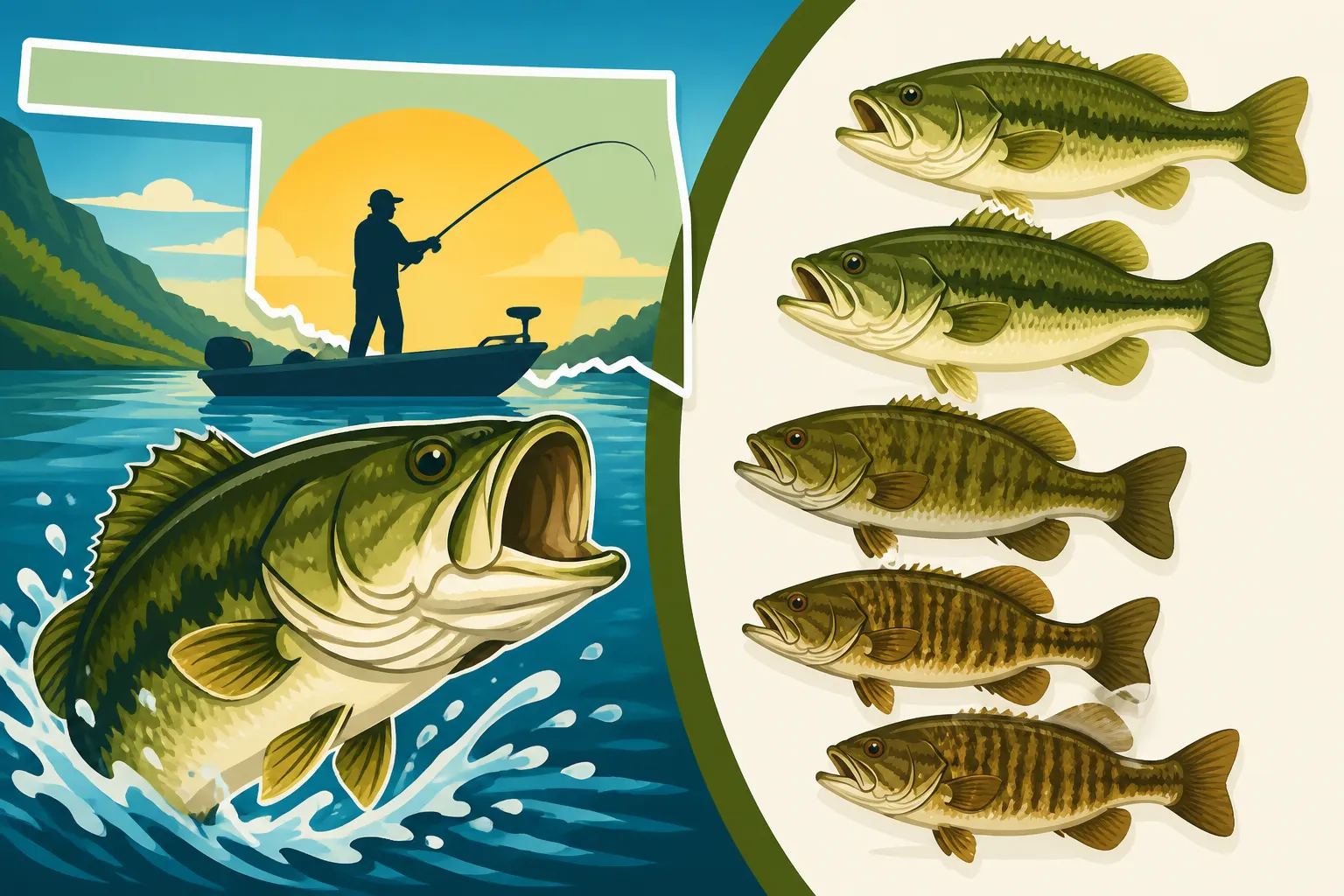
Oklahoma’s 6-Fish Bass Limit for Largemouth and Smallmouth
The excitement of a good bass bite in Oklahoma is unmatched, isn't it? You've landed a beautiful largemouth, maybe a feisty smallmouth, and suddenly your mind races: How many can I keep? What are the size limits? It can be incredibly confusing to keep track of the specific regulations, especially when it comes to the aggregate limits that combine different bass species. This guide is here to clear up that confusion once and for all, focusing specifically on Oklahoma's statewide 6-fish bass limit for both largemouth and smallmouth bass, ensuring your next fishing trip is both fruitful and fully compliant with the law.
Understanding the Statewide 6-Fish Bass Limit
Oklahoma's bass regulations are designed to protect our precious fisheries while still allowing anglers to enjoy a productive day on the water. It’s a delicate balance, and understanding the core rules is your first step to being a responsible angler. The 6-fish limit is a crucial component of this conservation strategy.
What "Aggregate" Really Means for Bass Anglers
When the Oklahoma Department of Wildlife Conservation (ODWC) talks about a "6-fish aggregate daily bag limit" for bass, they're not just throwing around fancy terms. What it really means is that largemouth, smallmouth, and spotted bass are all counted together towards that single daily total of six fish. You can't catch six largemouth, then six smallmouth, and then six spotted bass. Oh, if only it were that easy, right? Instead, any combination of these three black bass species contributes to your total of six. For example, if you catch four largemouth and two smallmouth, you've hit your daily limit. The moment that sixth bass hits your livewell or stringer, regardless of its species, your bass fishing for the day is done. This aggregate limit is critical for managing the overall bass population and preventing overharvesting of any single species.
The "One 16-Inch or Longer" Rule You Can't Miss
This particular rule is often the one that trips up even seasoned anglers, and it's a critical detail within the broader 6-fish limit. Within your daily aggregate limit of six bass, you are only allowed to keep one bass (of any of the three species – largemouth, smallmouth, or spotted) that measures 16 inches or longer. That's right, just one. This rule is a cornerstone of Oklahoma's trophy management efforts. By limiting the number of larger, mature bass that can be harvested, the ODWC aims to protect the breeding stock and encourage the growth of bigger fish. Imagine a beautiful 18-inch largemouth. You can keep it, but then any other bass you keep that day must be under 16 inches. Many anglers miss the specific nuance of this regulation, so it’s worth double-checking before you head out. For a deeper dive into this, you might want to read about The One 16-Inch Bass Rule Anglers Miss.
Why These Rules Matter for Oklahoma's Bass Fisheries
These regulations aren't arbitrary roadblocks to your fishing fun; they're vital for the long-term health and sustainability of Oklahoma's incredible bass fisheries. Think about it: without limits, it wouldn't take long for our lakes and rivers to become depleted of healthy bass populations. The 6-fish aggregate limit, combined with the "one over 16 inches" rule, helps ensure that there are enough fish of various sizes to reproduce and sustain themselves. This means that next year, and for many years to come, future generations of anglers will still have fantastic opportunities to catch quality bass. It's a testament to good conservation practices and the hard work of the ODWC in managing our natural resources. Understanding the purpose behind the rules can make it easier to embrace them as a responsible steward of the environment.
Common Misconceptions and Clarifications
It's easy to get tangled up in the details of fishing regulations, especially when they combine multiple species and size restrictions. Let's tackle some of the most common misunderstandings surrounding Oklahoma's bass limits head-on.
Combining Bass Species for Your Daily Limit
The most frequent question I hear is, "So, I can only keep six largemouth, or six smallmouth, but not both, right?" That's a classic misconception! To clarify, the 6-fish aggregate limit means you can mix and match. Your daily creel could look something like this: three largemouth bass, two smallmouth bass, and one spotted bass. That's a total of six, and perfectly legal, provided only one of those six is 16 inches or longer. If you caught three largemouth, two smallmouth, and then reeled in a seventh spotted bass, you'd have to release that last one. This aggregate approach is different from species-specific limits you might find for other fish, like crappie or catfish, and it's particularly important for bass because their habitats often overlap, and anglers frequently catch a mix of species in a single outing. Always remember that number six is the magic number for your daily bass catch in Oklahoma. This also applies when considering Largemouth and Smallmouth Bass Limits Combined in Oklahoma.
The Importance of Accurate Measuring and Release
Let's face it, sometimes it's hard to tell if that bass is just shy of 16 inches or just over. That's why having a reliable measuring device on your boat or in your tackle bag is absolutely non-negotiable. Don't eyeball it! A good, flat measuring board will give you the most accurate reading. You can grab an official measuring board from your local tackle shop or even find a great selection on Amazon. When you catch a fish you intend to release, especially if it's borderline on the 16-inch rule or undersized, handling it with care is paramount. Minimize its time out of the water, support its body horizontally, and use appropriate tools for hook removal. Releasing fish properly increases their survival rate, ensuring they can grow bigger and be caught another day. This goes hand-in-hand with the conservation goals of these regulations.
Lake-Specific Exceptions and Special Regulations
Now, here's where it gets a little trickier. While the 6-fish aggregate limit with the one 16-inch or longer exception is the statewide rule, Oklahoma has a number of incredible lakes that implement special regulations to further enhance their fisheries. For example, some lakes might have stricter slot limits, a different aggregate number, or even a higher minimum size limit for bass. It's your responsibility as an angler to always check the specific rules for the body of water you're fishing before you cast your line. The ODWC's annual Fishing Guide, available online and at most license vendors, is your best friend here. It lists all the statewide rules and then meticulously details any lake-specific exceptions. Missing these can lead to fines and penalties, which nobody wants. Always confirm the rules for your chosen destination. You might also be interested in Oklahoma's Bass Fishing Rules and Limits for specific lake details.
| Bass Species | Statewide Daily Bag Limit | Statewide Size Limit | Notes |
|---|---|---|---|
| Largemouth Bass | 6 (aggregate) | Only ONE 16 inches or longer | Counted with Smallmouth & Spotted Bass. |
| Smallmouth Bass | 6 (aggregate) | Only ONE 16 inches or longer | Counted with Largemouth & Spotted Bass. |
| Spotted Bass | 6 (aggregate) | Only ONE 16 inches or longer | Counted with Largemouth & Smallmouth Bass. |
| Combined Total | 6 Fish Per Day | Max 1 fish >= 16" | This is the combined limit for all three species. |
Note: Always consult the current Oklahoma Fishing Guide for lake-specific exceptions.
Practical Tips for Staying Legal and Ethical
Navigating fishing regulations can feel like a maze sometimes, but with a few practical habits, you can confidently enjoy your time on the water, knowing you're always on the right side of the law and doing your part for conservation.
Your Daily "Bass Budget" and How to Manage It
Think of your 6-fish aggregate limit as your "bass budget" for the day. You have six slots, and you need to decide how to spend them wisely. If you're hoping to take home a trophy-sized bass, remember that once you keep one that's 16 inches or longer, all subsequent bass you keep must be under that 16-inch mark. This requires a little strategic thinking. If you catch a really nice 17-inch largemouth early in the day, that fulfills your "one over 16 inches" quota. You then have five remaining slots, all for bass under 16 inches. If you then catch another 17-inch bass, it has to go back, even if you only have one fish in your livewell. It's about being mindful of what you've kept and what opportunities might still arise. This mental accounting helps you make informed decisions throughout your fishing day, especially when you're looking at How Many Bass You Can Keep in Oklahoma.
Essential Gear for Measuring and Handling Bass
I've touched on it before, but let's be super clear: reliable gear makes all the difference. A sturdy, flat measuring board is a must-have. Forget the flimsy tape measures that stretch or get distorted. You want something rigid that gives you an accurate length from the tip of the jaw to the end of the tail. Many popular brands make these, and they're available at most sporting goods stores or easily found on Amazon. Beyond measuring, proper fish handling tools are crucial. Long-nose pliers or a dedicated hook remover minimize stress on the fish and protect your hands. If you plan to keep fish, a well-aerated livewell or a quality stringer will help keep your catch in good condition. For those looking to upgrade their gear, from measuring tapes to specialized unhooking tools, Amazon offers a wide array of choices suitable for Oklahoma's waters.
Respecting the Resource and Other Anglers
Being a legal angler is just one part of the equation; being an ethical one is equally important. This means respecting the resource by practicing good catch-and-release techniques for fish you don't intend to keep, especially those big breeders. It also means respecting other anglers on the water. No one likes to feel pressured or have their fishing spot invaded. Share public access points responsibly, keep noise to a minimum, and always leave the area cleaner than you found it. The future of Oklahoma fishing depends on all of us doing our part. It's a community, and good sportsmanship makes everyone's experience better. These general principles extend beyond just bass fishing and apply to all aspects of Fishing Regulations You Need to Know in Oklahoma.
Planning Your Bass Fishing Trip with Confidence
Preparation is key to a successful and stress-free fishing trip. By taking a few extra steps before you even hit the water, you can ensure you're ready for whatever the day brings and confident in your adherence to Oklahoma's fishing rules.
Pre-Trip Checklist for Bass Limits
Before you load up your gear and head out, a quick review can save you a headache later. Here’s a simple checklist to keep in mind for bass fishing in Oklahoma:
- Current Fishing License: Is it valid? Remember to check if you need a fresh one. You can read up on Oklahoma Fishing License Requirements in Oklahoma if you're unsure.
- Know the Statewide Bass Limit: Six fish aggregate (largemouth, smallmouth, spotted).
- Remember the "One 16-Inch" Rule: Only one bass over 16 inches per day.
- Check Lake-Specific Regulations: Are there any special rules for the lake you're targeting? The ODWC guide is your go-to source.
- Have a Reliable Measuring Device: Make sure it's accessible in your boat or tackle bag.
- Appropriate Fish Handling Tools: Pliers, hook removers, and a net for bigger fish.
- Plan Your Harvest: Mentally prepare for how you'll manage your 6-fish budget, especially regarding the 16-inch rule.
By running through these points, you eliminate most of the common pitfalls that can lead to unintentional violations.
What to Do If You Catch an Oversized Fish (and You Already Have One)
This is a scenario that causes a lot of head-scratching on the water. Let’s say you’ve already kept your one 16-inch (or longer) bass for the day, and then you hook into another absolute lunker that's clearly over that 16-inch mark. What now? The answer is simple: it goes back into the water. No exceptions, no swapping. You cannot replace a smaller fish you've already kept with a larger one if you've already filled your "one over 16 inches" quota. The rule is clear: one such fish per day. This is where those proper fish-handling techniques become absolutely vital to ensure the released fish swims away healthy and ready to reproduce. It can be tough to release a big one, but it’s the right thing to do for the fishery and ensures you're playing by the rules. This scenario highlights why managing your "bass budget" from the start is so important.
Understanding Enforcement and Penalties
While we all hope to stay legal, it's important to understand the realities of fishing regulations. Oklahoma game wardens are out on the water to ensure everyone is following the rules, and they are authorized to check licenses, inspect your catch, and verify compliance with bag and size limits. Getting caught with more than the legal limit, or with an illegal size fish, can result in fines and potentially the confiscation of your catch and gear. These penalties serve as deterrents to protect the state's natural resources. It's always best to err on the side of caution. If you're ever unsure about a rule, consult the official ODWC regulations or err on the side of releasing the fish. Ignorance of the law is generally not considered a valid excuse. For more comprehensive information on this topic, you can look into Penalties for Fishing Without a License in Oklahoma, which also often touches on other violations.
Disclaimer
Please remember that fishing regulations, including bag and size limits, can change. While this guide aims to provide accurate and up-to-date information, it is the angler's responsibility to consult the current Oklahoma Fishing Guide published by the Oklahoma Department of Wildlife Conservation (ODWC) before each fishing trip. The information provided here is for general guidance only and should not be considered a substitute for the official regulations.