The 37-Fish Crappie Limit Explained
It’s a scenario every crappie angler in Oklahoma eventually faces: you’re having a fantastic day out on the water, the bite is on, and the cooler is starting to look mighty full. Then that nagging thought creeps in – "What's the crappie limit again, and am I getting close?" Confusion about bag limits can quickly turn a joyful fishing trip into a stressful tallying exercise. This comprehensive guide is here to clear up any mystery around Oklahoma's 37-fish crappie limit, offering practical insights to keep you fishing legally and confidently.
Unpacking Oklahoma's Statewide 37-Fish Crappie Limit
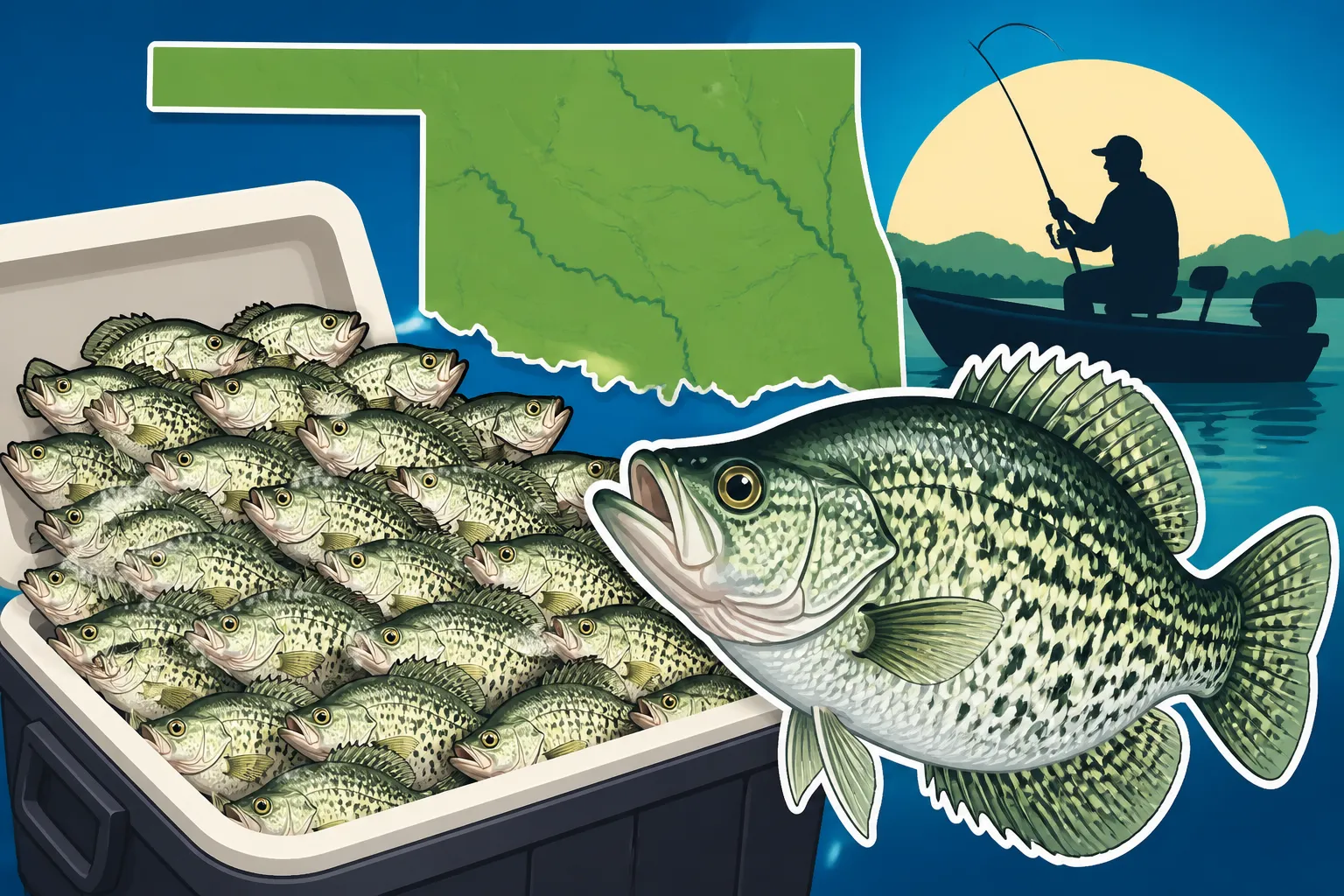
Let's get right down to it: the statewide crappie bag limit in Oklahoma is indeed 37 fish per angler, per day. This isn't just a random number plucked from the sky; it's a carefully determined figure by the Oklahoma Department of Wildlife Conservation (ODWC) to ensure that our crappie populations remain healthy and abundant for years to come.
What "Per Angler, Per Day" Truly Means
When we talk about "per angler, per day," it’s crucial to understand what that entails. This limit applies to each individual person actively engaged in fishing. So, if you're out with a buddy, each of you can legally keep up to 37 crappie. However, you can't combine your limits if only one of you is actively fishing. For instance, if one person is just riding along or not holding a valid fishing license, they don't count as an "angler" for the purpose of the limit. The limit resets at midnight, meaning if you fish late into the evening and then again early the next morning, you can start fresh with a new 37-fish count. It's not uncommon for folks to misinterpret this, thinking it's a boat limit or a trip limit, but it’s a strict individual daily allowance. Understanding this nuance is key to avoiding an unintentional violation.
Black and White Crappie: All Counted Together
One common point of confusion for anglers is whether the 37-fish limit applies to black crappie and white crappie separately. The answer is a resounding no – the statewide limit of 37 fish includes both black crappie and white crappie combined. It doesn’t matter if you catch 20 black crappie and 17 white crappie, or 37 of one species; once your combined total hits 37, you've reached your daily bag limit. This approach simplifies enforcement and management, as differentiating between the two species while rapidly counting a stringer of fish can be tricky, especially for newer anglers. If you're keen on knowing more about the specific distinctions, our guide on Black Crappie vs White Crappie: Key Differences for Oklahoma Anglers offers a great breakdown. So, when you're filling your livewell or cooler, just keep a running tally of all your crappie, regardless of their specific type.
The Science Behind the Number 37
You might wonder, "Why 37? Why not 30 or 40?" The ODWC utilizes extensive fisheries management research, population surveys, and angler harvest data to set these limits. Crappie are prolific spawners, often producing a large number of offspring, but they also face significant predation and environmental challenges. A limit like 37 aims to strike a balance: allowing anglers to enjoy a productive day on the water and take home a substantial catch, while simultaneously ensuring that enough crappie remain in the lake to reproduce and maintain a healthy, sustainable population. Factors like growth rates, natural mortality, and fishing pressure all play a role in determining the ideal harvest numbers. It's a dynamic system, and these limits are periodically reviewed and adjusted as fish populations fluctuate and scientific understanding evolves. The goal is always long-term sustainability, ensuring that future generations can enjoy the same fantastic crappie fishing opportunities we do today.
Why Crappie Limits Are Essential for Healthy Fisheries
These daily limits, including the 37-fish crappie limit, aren't put in place to make your fishing trip harder. Quite the opposite, actually! They are fundamental tools in fisheries management, designed to protect the very resource we all love to pursue. Without these regulations, even the most abundant fish populations could quickly face decline, leading to fewer fish and poorer fishing experiences for everyone.
Preventing Overfishing and Population Crashes
Crappie are incredibly popular sport fish in Oklahoma, drawing anglers from all walks of life to lakes like Eufaula, Grand Lake, and Texoma. Their delicious taste and willingness to bite make them a prime target. However, unchecked harvest rates can quickly deplete a fish population, especially in smaller lakes or during peak spawning seasons when crappie are concentrated and easier to catch. Bag limits act as a crucial brake, ensuring that anglers don't remove more fish than the population can naturally replenish. Imagine a scenario where everyone could keep as many crappie as they wanted. It wouldn't take long for the numbers to dwindle, leading to drastically reduced catches and potentially irreversible damage to the fishery. The 37-fish limit helps to spread the harvest among many anglers over time, preventing any single day or group of anglers from disproportionately impacting the stock. This is a key aspect of how the ODWC works to maintain the overall health of the fishing environment.
Maintaining Ecological Balance within the Lake
Beyond just ensuring there are enough crappie to catch, bag limits also play a vital role in maintaining the broader ecological balance of a lake. Crappie, like all fish, are part of a complex food web. They feed on smaller baitfish and invertebrates, and in turn, they serve as a food source for larger predators like bass, catfish, and even birds of prey. If the crappie population becomes overstressed due to excessive harvest, it can have ripple effects throughout the entire ecosystem. A sharp decline in crappie could lead to an explosion in their prey species, or conversely, it could negatively impact the larger fish that rely on crappie for food. By regulating the harvest, the ODWC helps to ensure that crappie populations remain at a healthy level, contributing to a stable and diverse aquatic environment. These regulations are part of a larger strategy that includes habitat restoration, stocking programs, and monitoring the overall health of Oklahoma's lakes and rivers. You can learn more about comprehensive fishing regulations in our guide on Fishing Regulations You Need to Know in Oklahoma.
Navigating Lake-Specific Crappie Restrictions
While the statewide 37-fish crappie limit is a good starting point, it's absolutely crucial to understand that it's not a universal rule for every body of water in Oklahoma. The ODWC often implements stricter, lake-specific regulations on certain reservoirs to address unique management goals, protect vulnerable populations, or enhance fishing quality in those particular locations. This is where many anglers can get tripped up, heading out with the statewide limit in mind only to find they're unknowingly violating a local rule.
When the Rules Change: Lakes with Stricter Limits
There are several prominent Oklahoma lakes where the crappie bag and size limits are more stringent than the statewide 37-fish, no-minimum-length rule. These specific regulations are put in place for various reasons, such as managing trophy fisheries, allowing smaller fish to grow to a more desirable size, or protecting specific year-classes of crappie from overharvest. It's never safe to assume the statewide limit applies everywhere. For example, some lakes might have a 10-inch minimum length requirement, meaning any crappie shorter than 10 inches must be immediately released, even if you haven't reached your bag limit. Others might impose a lower daily bag limit, perhaps 15 or 20 crappie instead of 37.
The lakes most commonly cited for these stricter crappie limits include:
- Lake Arbuckle: Known for its clear waters and excellent fishing, Arbuckle often has specific length and bag limits to protect its crappie population. You can dive deeper into its specific rules with our dedicated post, Arbuckle Lake Crappie Rules in Oklahoma.
- Tenkiller Ferry Lake: This popular eastern Oklahoma lake is another one where you need to pay close attention to the details. Historically, it's had a 10-inch minimum length. Our article Tenkiller Lake's 10-Inch Crappie Minimum provides a detailed overview.
- Hudson Lake: Also in eastern Oklahoma, Hudson Lake is managed with specific crappie regulations to ensure quality fishing.
- Fort Gibson Lake: A large and popular reservoir, Fort Gibson is another spot where the crappie limits might differ from the statewide rule. For instance, it might impose a 15-fish bag limit with a minimum length. Check out Fort Gibson Lake's 15-Fish Crappie Limit for more information.
- Grand Lake O' the Cherokees: While vast, Grand Lake also has specific management strategies that can affect crappie limits and sizes. Make sure to consult Grand Lake Crappie Size and Bag Limits before your trip.
- Lake Texoma (Oklahoma side): As a border lake shared with Texas, Texoma often has unique reciprocal agreements and specific regulations that can apply to crappie, especially concerning length limits. Texoma's Crappie Rules Compared to the Statewide Limit is a great resource.
These are just a few examples, and it’s always best practice to consult the current Oklahoma Fishing Guide published by the ODWC before heading out to any lake. This guide, usually available online or at license vendors, will list all lake-specific regulations. Getting caught with undersized crappie or exceeding a lake's specific limit can result in fines and the confiscation of your catch.
Comparing Statewide vs. Lake-Specific Limits
To give you a clearer picture, let's put some of these differences side-by-side. Remember, this table is for illustrative purposes and actual regulations can change, so always verify with the latest ODWC fishing guide.
| Location | Daily Bag Limit (Crappie) | Minimum Length Limit (Crappie) | Special Notes |
|---|---|---|---|
| Statewide Oklahoma | 37 | None | Applies to both black and white crappie combined. |
| Lake Arbuckle | 15 | 10 inches | Reduced bag, increased minimum size. |
| Tenkiller Ferry Lake | 15 | 10 inches | Reduced bag, increased minimum size. |
| Hudson Lake | 15 | 10 inches | Reduced bag, increased minimum size. |
| Fort Gibson Lake | 15 | 10 inches | Reduced bag, increased minimum size. |
| Grand Lake O' the Cherokees | 15 | 10 inches | Reduced bag, increased minimum size. |
| Lake Texoma (OK Side) | 37 | 10 inches | Same bag limit, but has a minimum length. |
Note: This table reflects commonly known restrictions, but regulations are subject to change. Always consult the most current Oklahoma Fishing Regulations guide.
The key takeaway here is simple: research before you launch. A quick check of the ODWC website or a glance at the printed fishing guide can save you a lot of hassle and ensure your trip remains enjoyable and legal.
Practical Tips for Adhering to Crappie Regulations
Understanding the rules is one thing, but practically applying them on the water is another. Many anglers, even seasoned ones, can find themselves a bit overwhelmed when the fish are biting fast and furious. Here are some actionable tips to help you stay well within the crappie limits and ensure a worry-free fishing experience.
Always Count Your Catch and Measure Accurately
The excitement of a hot crappie bite can make it easy to lose track. Before you know it, you might have a dozen fish in the livewell, then another, and another. It's absolutely crucial to keep a running tally of every crappie you keep. Some anglers use a simple clicker counter, others make a mental note, and some prefer a small notepad and pencil. Find a system that works for you, but make it a habit from your very first keeper.
Equally important, especially on lakes with minimum length limits, is accurate measuring. A good, waterproof measuring board, perhaps one you picked up on Amazon, is an absolute game-changer. Don't rely on guesswork or holding a fish up to your rod. Lay the fish flat on the measuring board, with its mouth against the bump stop, and note the total length. If it's even a fraction of an inch under the legal limit, it needs to go back into the water immediately. Don't risk a fine for a fish that wasn't quite legal.
Prioritize Releasing Undersized Fish Quickly and Safely
When you're dealing with minimum length limits, you'll inevitably catch fish that are too small to keep. The survival of these released fish is paramount for the health of the fishery. Handle them gently, minimize their time out of the water, and release them as quickly as possible. Wet your hands before handling fish to avoid removing their protective slime coat. Use de-hooking tools if the hook is deep. If a crappie is bleeding heavily from the gills or appears severely injured, it's unlikely to survive, and unfortunately, you cannot legally keep it if it's undersized. It's a tough situation, but part of being a responsible angler is making these conservation-minded choices. If you're looking for more general guidance, our article on The 37-Fish Crappie Limit Explained provides a solid foundation.
Know Your Specific Lake's Rules Before You Go
We've touched on this, but it bears repeating: never assume the statewide limit applies to your chosen fishing spot. Before every trip, take a few minutes to check the Oklahoma Fishing Guide. It’s available as a free download on the ODWC website, or you can pick up a physical copy wherever fishing licenses are sold. This is especially true if you’re venturing to a new lake or one you haven’t visited in a while, as regulations can sometimes change between seasons. For instance, knowing the difference between the statewide limit and something like Arbuckle vs Tenkiller Crappie Limits Side by Side can prevent a lot of headaches. It's a small investment of time that can save you a hefty fine and the potential loss of your catch. Ignorance of the law is not an excuse when a game warden checks your cooler.
Group Limits and Shared Responsibility
If you're fishing with a group, remember that the 37-fish limit (or whatever the lake-specific limit may be) applies per licensed angler. This means if you have three licensed anglers in the boat, your collective limit is three times the individual limit. However, everyone is also responsible for knowing and adhering to the rules. If one person catches their limit, they should stop fishing for crappie or switch to catch-and-release only.
A common issue arises when one person is doing most of the catching. You cannot legally transfer fish from one person's limit to another's if that person has already met their limit or is not a licensed angler. The fish must be possessed by the person who caught them, up to their individual legal limit. This can get tricky, so clear communication within your group is essential. Make sure everyone understands the rules, and if you have kids fishing, be aware of Fishing License Rules for Kids in Oklahoma as their participation also impacts how limits are counted. It's a shared responsibility to ensure everyone is fishing within the bounds of the law.
The Repercussions of Violating Crappie Limits
Nobody wants to deal with legal trouble, especially when you're just trying to enjoy a peaceful day of fishing. However, fishing violations, including exceeding bag limits or keeping undersized fish, are taken seriously by the Oklahoma Department of Wildlife Conservation. Game wardens are out there specifically to ensure fair chase, conservation, and compliance with regulations, and they are well-versed in the specific rules for every body of water.
Fines, Penalties, and Confiscation
If you are caught violating crappie limits – whether it's having too many fish, possessing undersized fish, or not having the proper license – the consequences can range from a significant fine to the confiscation of your catch, and in some cases, your fishing gear. The exact penalty will depend on the severity of the violation, your prior record, and the discretion of the game warden and the court. Fines for fishing violations can quickly add up, easily costing you hundreds of dollars. Beyond the financial hit, having a violation on your record can sometimes impact your ability to obtain future fishing licenses or participate in other outdoor activities. It’s simply not worth the risk. Our article on Penalties for Fishing Without a License in Oklahoma provides more context on the seriousness of fishing violations.
The Role of Game Wardens in Enforcement
Oklahoma Game Wardens are highly trained law enforcement officers dedicated to protecting the state's natural resources. They patrol lakes, rivers, and wildlife areas, ensuring that anglers and hunters adhere to all regulations. These wardens are excellent resources for clarifying rules, but they are also firm in their enforcement duties. They can approach you on the water, at boat ramps, or even back at your vehicle to check your license, your catch, and your compliance with all applicable regulations.
It's important to always be courteous and cooperative with a game warden. They're doing their job, which ultimately benefits all ethical anglers by protecting the resource from those who would exploit it. Having your fishing license readily available (either physically or digitally on your phone via the Go Outdoors Oklahoma app) and being honest about your catch will go a long way. They often have an intimate knowledge of local fishing patterns and where violations might occur, so trying to conceal an illegal catch is rarely successful. Being prepared, knowing the rules, and being respectful are your best lines of defense against any unpleasant encounters.
Ethical Angling: Beyond Just Following the Rules
While legal compliance is mandatory, ethical angling goes a step further. It's about respecting the resource, the environment, and your fellow anglers. This means voluntarily releasing fish beyond your limit even if the bite is still hot, practicing catch-and-release effectively with minimal harm to the fish, and properly disposing of all trash and fishing line. It means taking pride in being a conservationist, not just a consumer of the resource.
Being an ethical angler also means understanding the spirit of the law, not just the letter. The 37-fish crappie limit, and all other regulations, are designed to ensure that Oklahoma remains a premier fishing destination for everyone. By embracing these principles, we contribute to a healthier environment and a stronger angling community, ensuring that the thrill of catching crappie in Oklahoma continues for generations to come.
Disclaimer
Please remember that fishing regulations, including bag and size limits, are subject to change. Always consult the most current Oklahoma Fishing Regulations Guide published by the Oklahoma Department of Wildlife Conservation (ODWC) before you go fishing. This content is for informational purposes only and does not constitute legal advice.