Hudson Lake Crappie Limit Explained
Oh, the joy and sometimes the utter confusion of trying to keep up with fishing regulations in Oklahoma! There’s nothing quite like spending a perfect day out on the water at a place like Hudson Lake, only to suddenly second-guess if that beautiful crappie you just reeled in is actually a keeper. Many of us have been there, staring at a fish, a measuring tape, and a crumpled printout of regulations, wondering if we’re about to break a rule. This guide is all about clearing up that confusion specifically for crappie fishing at Hudson Lake, making sure you can enjoy your time without constantly worrying about legal limits.
Understanding Hudson Lake's Specific Crappie Regulations
When you head out to Hudson Lake, you're not just dealing with the general statewide crappie rules; this lake has its own special set of regulations that are absolutely crucial to know. It can feel like a bit of a labyrinth sometimes, with different lakes having different rules, but these specific limits are put in place for a good reason: to ensure the long-term health and abundance of crappie in Hudson Lake. Ignoring them, even accidentally, can lead to fines, so let’s make sure you’re totally in the know.
The 10-Inch Minimum Size Limit at Hudson Lake
One of the most significant differences you’ll encounter at Hudson Lake is the minimum size limit for crappie. While many lakes might have a smaller or no minimum size, Hudson Lake, along with several other key fisheries in Oklahoma, enforces a strict 10-inch minimum. This means if that crappie you just caught doesn't stretch to a full 10 inches from the tip of its snout to the end of its tail, it needs to go right back into the water, even if it looks like a perfectly good eating size.
It's a common frustration, especially when you're catching plenty of fish, but many of them are just shy of that 10-inch mark. You might feel like you're releasing a lot of healthy crappie, but this rule is paramount for the lake's ecosystem. The idea is to protect younger fish, giving them a chance to grow larger and mature, which in turn leads to a healthier, more robust crappie population in the long run. These larger, older fish are also the ones that contribute most significantly to spawning, ensuring future generations of crappie for all of us to enjoy.
The Daily Bag Limit for Crappie at Hudson Lake
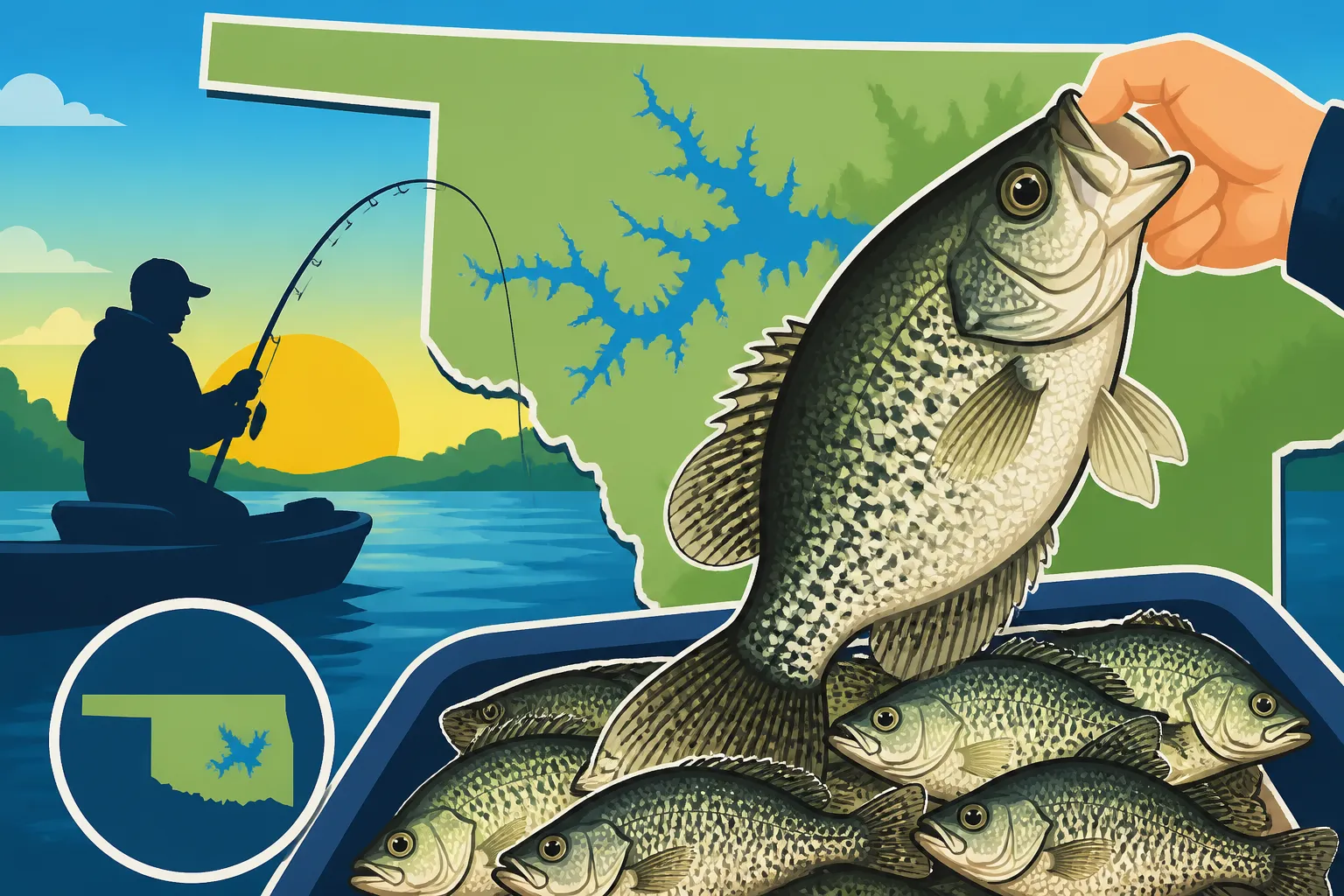
Beyond the size limit, Hudson Lake also has a specific daily bag limit for crappie. This limit dictates the maximum number of crappie you can keep in a single day, regardless of how many 10-inch-plus fish you manage to catch. The daily bag limit for crappie at Hudson Lake is 15 fish per person. This number applies to both black and white crappie combined; you don't get a separate limit for each species.
This limit might seem a bit lower than the statewide limit of 37 fish, and it definitely catches some anglers off guard if they aren't aware of Hudson Lake’s specific regulations. For example, if you're used to fishing a lake with the statewide limit, suddenly being restricted to 15 fish can feel restrictive. However, like the size limit, this lower bag limit is a strategic management tool by the Oklahoma Department of Wildlife Conservation (ODWC) to prevent overfishing and maintain a sustainable fishery. It ensures that the resource isn't depleted by too many anglers taking too many fish, preserving the opportunity for everyone to have a good day on the water, both now and in the future.
Why Hudson Lake Has Unique Crappie Rules
It’s completely understandable to wonder why certain lakes, like Hudson Lake, have different rules than the rest of the state. It can be a real headache to keep track of, especially if you like to travel to various fishing spots. But these specific regulations aren't just arbitrary lines drawn on a map; they are the result of careful scientific study and fisheries management strategies tailored to the unique conditions of each body of water.
Comparing Hudson Lake to Oklahoma's Statewide Crappie Limit
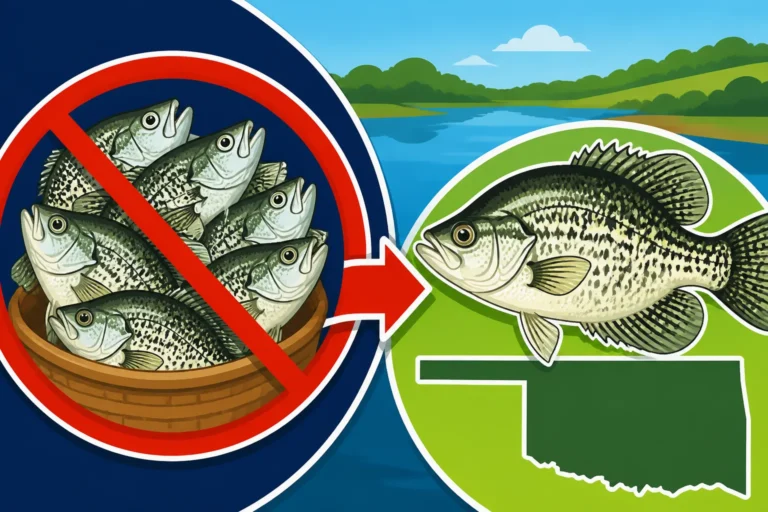
To really drive home the point, let's put it side-by-side with the general statewide crappie limits in Oklahoma. For most of the state's waters, the rule for crappie is a daily bag limit of 37 fish, with no minimum size limit. You can literally keep every crappie you catch, no matter how small, up to 37 of them. This is a stark contrast to Hudson Lake’s 15-fish daily bag limit and its mandatory 10-inch minimum size.
| Regulation Type | Statewide Oklahoma Crappie Limit | Hudson Lake Crappie Limit |
|---|---|---|
| Minimum Size | None | 10 inches |
| Daily Bag Limit | 37 fish | 15 fish |
| Species Counted | Black and White combined | Black and White combined |
As you can see from the table, the differences are significant. Hudson Lake is one of the specific bodies of water that falls under the "Stricter Crappie Limits at Six Oklahoma Lakes" category, a list of lakes where the ODWC has identified a need for more protective measures. This kind of localized management is crucial because not all lakes are created equal when it comes to fish populations, growth rates, and fishing pressure. You can often find similar exceptions if you're looking into specific rules like the Tenkiller Lake's 10-Inch Crappie Minimum or Arbuckle Lake Crappie Rules in Oklahoma.
The Biological Rationale Behind Special Regulations
The primary reason Hudson Lake, and others like it, have these special crappie regulations is rooted in fisheries biology and ecological balance. Lake Hudson is known for its excellent crappie fishing, but sometimes, a combination of factors like high angler pressure, specific water conditions, or slower growth rates for the crappie can lead to a situation where the fish population could suffer if left under general statewide rules. The ODWC regularly conducts surveys, studies fish growth rates, monitors spawning success, and assesses angler catch rates to determine if a lake's population can sustain current harvesting levels.
For Hudson Lake, the 10-inch minimum size limit ensures that crappie have a chance to reach sexual maturity and spawn at least once, contributing to the next generation before being harvested. It also helps to ensure that anglers are catching larger, more desirable fish. The reduced daily bag limit, on the other hand, directly limits the total number of fish removed from the lake each day, distributing the harvest more evenly among anglers and protecting the overall population from being overfished. These measures are critical for maintaining a robust and healthy crappie fishery that will continue to provide great fishing opportunities for years to come. Understanding Why Six Oklahoma Lakes Have Stricter Crappie Limits can help shed more light on this approach across the state.
Practical Tips for Crappie Fishing at Hudson Lake
Navigating these specific rules doesn't have to be a source of stress. With a little preparation and awareness, you can easily comply with Hudson Lake’s crappie limits and focus on the fun of fishing. The goal is always to be a responsible angler, ensuring that the fantastic fishing we enjoy today is available for future generations.
Measuring Your Catch and Staying Compliant
First things first, always carry a reliable measuring device with you when fishing at Hudson Lake. A simple ruler or a tape measure affixed to your boat or tackle box will do. When you catch a crappie, immediately measure it from the tip of its snout to the absolute end of its tail. It's not to the fork of the tail, but the very tip of the longest lobe. If it doesn't meet that 10-inch mark, gently release it back into the water as quickly and safely as possible. Minimizing handling and getting the fish back into the water promptly increases its chances of survival.
It’s easy to get caught up in the excitement of a bite, but taking that extra second to measure is crucial. A common mistake is "eyeballing" a fish and assuming it’s legal, only to find out later that it was undersized. Game Wardens patrol Hudson Lake, and they are thorough. If you're found with undersized crappie in your possession, even just one, it can lead to a citation and fine. This is a situation you definitely want to avoid, so a quick and accurate measurement is your best friend. Remember, understanding Penalties for Fishing Without a License in Oklahoma extends to understanding all regulations, including size and bag limits.
Planning Your Trip Around Hudson Lake's Rules
When you're planning a crappie trip to Hudson Lake, start by reminding yourself of these specific regulations before you even leave the house. Double-checking the Crappie Fishing Rules and Limits in Oklahoma is always a good idea, especially if you haven't fished Hudson Lake recently, as regulations can sometimes change. This proactive approach helps to avoid any surprises on the water. Consider bringing a separate cooler or livewell for your kept fish, ensuring they are clearly distinguishable from any released fish if you're catching a lot.
Think about your fishing strategy too. If you're primarily catching smaller crappie, you might need to adjust your techniques or move to different spots where larger fish are more likely to be found. Sometimes, going a bit deeper or targeting different structure can help you find those keeper-sized crappie. You might also want to explore the best times of year, such as checking out Fall Crappie Fishing Patterns in Oklahoma or Spring Crappie Fishing Patterns in Oklahoma for when larger crappie are more active. Ultimately, respecting these limits at Hudson Lake isn't just about avoiding fines; it's about being a part of the effort to preserve this wonderful fishing resource for everyone.
Disclaimer
Please note that fishing regulations can change. While every effort has been made to provide accurate and up-to-date information, it is the angler's responsibility to verify the most current regulations with the Oklahoma Department of Wildlife Conservation (ODWC) before fishing. Always consult the official ODWC Fishing Guide or their website for the definitive rules and any emergency closures or updates.