Planning a Crappie Trip Around Oklahoma’s Six Stricter Lakes
It's incredibly frustrating when you're geared up for a fantastic crappie fishing trip in Oklahoma, only to realize the rules change from lake to lake. You've got your favorite jigs, your trusted rod, and a perfect spot in mind, but then the nagging thought hits: "What's the crappie limit here?" It can feel like you need a law degree just to figure out what's legal to keep. This comprehensive guide is here to clear up that confusion, specifically focusing on the six Oklahoma lakes that have stricter crappie regulations, so you can plan your next trip with confidence and stay on the right side of the law.
Understanding Oklahoma's Crappie Regulations
Before we dive into the specifics of those unique lakes, it's really helpful to get a handle on the baseline, the general rules that apply across most of the state. Knowing the standard helps highlight just how different those special regulations are.
The Statewide Crappie Bag and Size Limits
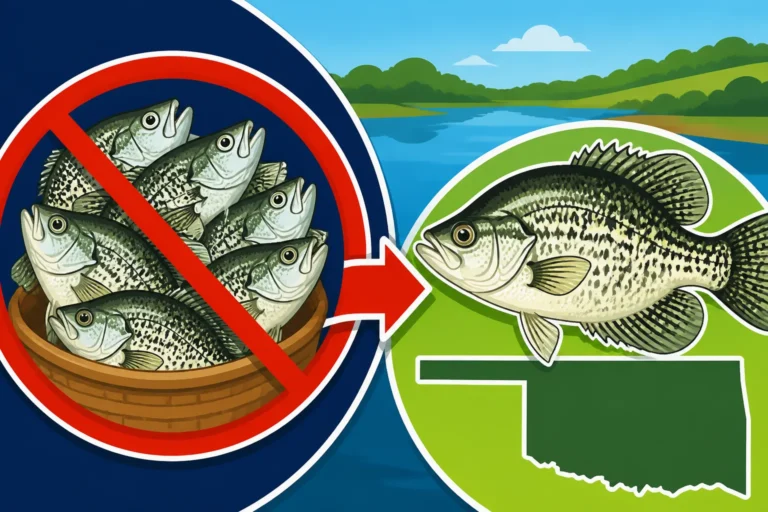
For the vast majority of Oklahoma's waters, crappie anglers enjoy a pretty generous daily bag limit. We're talking about being able to keep up to 37 crappie per day. That's a good haul, especially if you're out there with the family and everyone is pulling them in. What's also key about the statewide rule is that there isn't a minimum size limit. This means that if you're catching those smaller "slab-dinkers" in a local pond or a lesser-fished reservoir, you can keep them if you want, provided you don't exceed your daily limit. You can learn more about the general guidelines in our guide on Oklahoma Statewide Crappie Bag Limit Explained.
However, this widespread rule can sometimes be a bit of a trap. It's so common that anglers can easily fall into the habit of assuming it applies everywhere, which, as we'll see, isn't always the case. It’s easy to pull up to a new lake, cast out, and start filling a livewell without realizing that a different set of rules is actually in play. That's where planning and knowing the exceptions really come in handy, especially when you're looking for quality fish.
Why Certain Lakes Have Stricter Rules
So, why the special rules? It’s not just to make our lives harder, I promise! The Oklahoma Department of Wildlife Conservation (ODWC) implements these stricter regulations for very specific biological and management reasons. Think of it like this: not all crappie populations are created equal, and not all lakes are built the same.
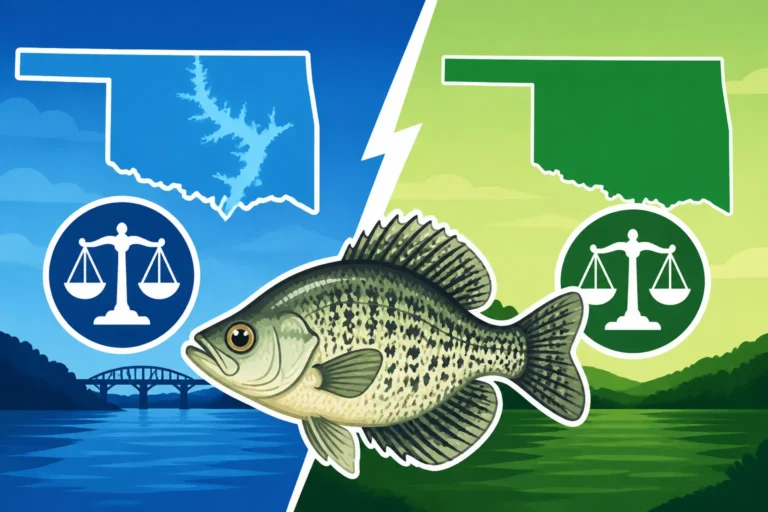
In some lakes, particularly those with exceptionally clear water like Broken Bow Lake, crappie grow much slower. They might not reach a decent eating size until they're several years old, and without protection, they could be overfished before they have a chance to grow and reproduce effectively. In other reservoirs, like Lake Arbuckle, specific management goals might be in place to reduce competition among stunted fish or to encourage a trophy crappie fishery. These stricter rules, often a 10-inch minimum size limit and a reduced daily bag limit, are designed to protect these particular populations, ensure a healthier fishery, and ultimately lead to more quality crappie for anglers in the long run. It means a bit more effort on our part to know the rules, but it pays off with better fishing down the road. You can dive deeper into this topic with our guide on Stricter Crappie Limits at Six Oklahoma Lakes.
Diving Deep into Oklahoma's Six Stricter Crappie Lakes
Now let's get down to the nitty-gritty and explore the specific regulations for each of Oklahoma's six crappie lakes that demand a little extra attention from anglers. Knowing these details upfront will save you a headache and potential citation.
Lake Arbuckle's Unique 10-Inch, 15-Fish Rule
Lake Arbuckle, nestled in the scenic Chickasaw National Recreation Area, is a true gem for crappie fishing, but it definitely plays by its own rules. Here, you'll encounter a 10-inch minimum size limit, and your daily bag limit is reduced to 15 crappie. This is a significant departure from the statewide 37-fish, no-minimum-size rule, and it's one that many anglers overlook. The ODWC has implemented these rules to foster a population of larger, healthier crappie, and it’s generally working.
For anglers, this means a few things. First, you'll need to be prepared to catch and release quite a few crappie that don't meet the 10-inch mark. This is where a good measuring device, easily found on Amazon, becomes absolutely essential. Make sure it's readily accessible and you're using it consistently. Second, your tactics might shift slightly. Instead of just focusing on numbers, you'll want to target areas and use baits/lures that are more likely to attract those larger, legal-sized fish. Thinking about deeper brush piles, submerged timber, or ledges might be more productive than shallow, open water. The lake’s clear water means crappie can be spooky, so light line and subtle presentations often work best. For more detailed information, check out Arbuckle Lake Crappie Rules in Oklahoma.
Broken Bow Lake: Where Size Matters
Moving down to southeast Oklahoma, Broken Bow Lake is another magnificent fishery with a crappie regulation designed to protect its unique population. Like Arbuckle, Broken Bow also has a 10-inch minimum size limit and a 15-fish daily bag limit. This pristine, deep, and clear-water lake, fed by the Mountain Fork River, offers a different crappie fishing experience entirely.
The clear, often colder water of Broken Bow impacts crappie growth. They tend to grow slower here, making that 10-inch minimum even more critical for the sustainability of the fishery. When fishing Broken Bow, you'll often find crappie relating to the steep rock bluffs, submerged timber, and deep creek channels. During warmer months, they might hold significantly deeper than in other lakes. Using electronics to find brush piles or schools of baitfish in deeper water can be key to locating legal-sized crappie. Remember to handle any undersized fish with care, ensuring a quick release to maximize their chances of survival and future growth. A quick read of our Broken Bow Lake Fishing Guide on the Mountain Fork River can provide even more context on this beautiful lake.
Hudson Lake and Tenkiller Ferry Lake: The Consistent 10-Inch Minimum
It’s often helpful when lakes share similar regulations, and that’s the case with Hudson Lake and Tenkiller Ferry Lake when it comes to crappie. Both of these fantastic fisheries impose a 10-inch minimum size limit and a 15-fish daily bag limit. This consistency makes it a little easier to remember the rules if you frequent both.
Hudson Lake, located in northeast Oklahoma, is known for its excellent crappie fishing, often holding good numbers of quality fish. Anglers typically find success around the many brush piles, submerged roadbeds, and bridge pilings that dot the lake. The lake's varied structure makes it a great spot for both jigging and minnow fishing. For more detailed insights into this specific lake's rules, refer to Hudson Lake Crappie Limit Explained.
Tenkiller Ferry Lake, often simply called Tenkiller, is another beautiful, clear-water lake popular with crappie enthusiasts. Its deep, clear waters and abundant timber make it prime habitat for crappie. Fish here will often suspend over deep structure or relate to submerged trees. Like Hudson, the 10-inch minimum is designed to ensure a quality fishery, so patience and careful measuring are paramount. If you're planning a trip to this area, our guide on Tenkiller Ferry Lake's 10-Inch Crappie Minimum will be a valuable resource. Both lakes reward anglers who embrace the size limit and focus on finding those larger, healthier fish.
Fort Gibson Lake: A 10-Inch Minimum with a Twist
Fort Gibson Lake, a large reservoir on the Grand (Neosho) River system in eastern Oklahoma, also adheres to the stricter crappie regulations: a 10-inch minimum size limit and a 15-fish daily bag limit. This lake is renowned for its diverse fishery, and crappie are a major draw.
What makes Fort Gibson interesting is its dynamic nature, being part of a river system. Crappie patterns can be heavily influenced by water flow and temperature changes within the river channels feeding the lake. Anglers often find success targeting crappie around the standing timber, submerged creek channels, and bridge structures, especially during the spring spawn when they move shallower. In the warmer months, they'll retreat to deeper haunts. Staying informed on the specific conditions and remembering that 10-inch minimum are vital for a successful trip here. Our dedicated article, Fort Gibson Lake's 15-Fish Crappie Limit, can give you even more context for this fantastic lake.
Grand Lake O' the Cherokees: A Different Crappie Story
Last but certainly not least on our list of stricter crappie lakes is the massive Grand Lake O' the Cherokees, often just called Grand Lake. This hugely popular northeast Oklahoma reservoir also has a 10-inch minimum size limit and a 15-fish daily bag limit for crappie. Given its immense size and popularity, these rules are particularly important for managing its vast crappie population.
Grand Lake offers an incredible variety of fishing environments, from rocky bluffs to numerous coves, extensive brush piles, and marina docks. Crappie can be found throughout, depending on the season and water temperature. Anglers often target brush piles, docks, and bridge supports, with many utilizing electronics to pinpoint schools of fish. Because of the lake's size and fishing pressure, these limits help ensure that Grand Lake continues to be a premier crappie destination. Just imagine the joy of pulling in a beautiful 12-inch slab from Grand Lake! For comprehensive details on the regulations for this massive lake, you'll want to review Grand Lake Crappie Size and Bag Limits.
To help you keep track, here's a quick summary table of the crappie regulations for these six lakes:
| Lake Name | Minimum Size Limit | Daily Bag Limit |
|---|---|---|
| Lake Arbuckle | 10 inches | 15 crappie |
| Broken Bow Lake | 10 inches | 15 crappie |
| Hudson Lake | 10 inches | 15 crappie |
| Tenkiller Ferry Lake | 10 inches | 15 crappie |
| Fort Gibson Lake | 10 inches | 15 crappie |
| Grand Lake O' the Cherokees | 10 inches | 15 crappie |
Practical Tips for Planning Your Trip to Regulated Waters
Heading out to any of these six lakes with their special crappie regulations requires a little extra thought and preparation. But don't worry, it's nothing an experienced (or soon-to-be experienced) angler can't handle. A little planning goes a long way to ensure a successful and legal day on the water.
Essential Pre-Trip Research and Gear Checks
The absolute first step before you even load your boat or pack your bank fishing gear is to check the current regulations. Seriously, this cannot be stressed enough. While the rules for these six lakes have been consistent for a while, regulations can change. Always double-check the official Oklahoma Department of Wildlife Conservation website or grab the latest fishing guide. This will ensure you're compliant with the most up-to-date rules. Our guide on Checking Crappie Rules Before Fishing Grand Lake is a good example of being diligent.
Next, make sure you have the right tools. A reliable measuring device is absolutely non-negotiable when there’s a size limit. Whether it's a simple plastic ruler, a foldable bump board, or a measuring tape permanently affixed to your boat, ensure it's accurate and easy to use. I can't tell you how many times I've seen anglers "eyeball" a fish, only to be off by an inch or two. You can find excellent, durable measuring tools on Amazon, which are perfect for a messy boat environment. Also, consider having a good pair of pliers or a hook remover on hand to facilitate quick and safe releases for those undersized crappie, minimizing stress on the fish.
Beyond the regulations, it’s always smart to do a quick check of the lake’s current conditions. Water levels, temperature, and recent fishing reports can give you clues on where the crappie might be holding.
Adapting Your Fishing Strategy
When faced with a 10-inch minimum, your strategy might need a slight tweak. Instead of just throwing out the smallest jigs to catch anything that bites, you might consider upsizing your baits or lures a bit. A larger jig, a bigger minnow, or a slower presentation can sometimes help entice larger crappie, potentially saving you the effort of catching and releasing dozens of smaller fish. For instance, while tiny jigs are great for catching numbers, a 2.5-inch to 3-inch tube or grub might be more appealing to a crappie that’s already reached the 10-inch mark. Our guide on Best Crappie Jig Colors for Clear Water might offer some good ideas for lure selection.
Another key adaptation is how you handle undersized fish. When you catch a crappie that’s too short, it's crucial to release it as quickly and gently as possible. Avoid keeping it out of the water longer than necessary, handle it with wet hands, and support its body weight. If the fish is hooked deeply, consider cutting the line close to the hook rather than trying to rip it out, which can cause more damage. This approach not only keeps you legal but also contributes to the health and sustainability of the crappie population you're enjoying. Whether you're fishing from a boat or exploring How to Catch Crappie from the Bank, these careful handling practices are vital.
Managing Your Catch and Staying Legal
Once you start catching legal-sized crappie, keeping track of your bag limit is paramount. Don't wait until the end of the day to count your fish. It’s easy to lose count when the bite is hot. Some anglers use clickers, others simply keep a mental tally, but having a clear system is essential. If you’re fishing with multiple people, ensure everyone understands their individual limit and how the group will manage the overall catch.
A good livewell or a cooler with ice is critical for keeping your legal catch fresh and healthy until you're ready to clean them. You don't want to inadvertently exceed your limit or have your fish spoil. Remember, the game warden is likely to check, and ignorance of the law is never a valid excuse. Taking a few extra minutes to review these specific lake regulations before you head out can prevent a costly fine and ensure a much more enjoyable day chasing those Oklahoma crappie slabs!
Disclaimer
Please note that fishing regulations are subject to change by the Oklahoma Department of Wildlife Conservation. While we strive to provide the most current and accurate information, it is always the angler's responsibility to consult the latest official Oklahoma Fishing Guide or the ODWC website before fishing to ensure compliance with all state and local regulations.