Blue and Channel Catfish Counted Together in Oklahoma
It's easy to get confused when you're out on the water, especially when it comes to understanding all the specific fishing regulations. Many Oklahoma anglers, both seasoned and new, often wonder about the bag limits for catfish. One of the most common questions revolves around whether blue catfish and channel catfish are counted separately or together in the daily limit. This guide aims to clear up that confusion, explaining Oklahoma's regulations for these popular forked-tail species and giving you all the details you need to fish legally and confidently.
Understanding Oklahoma's Forked-Tail Catfish Regulations
Oklahoma takes a pretty straightforward approach to managing its most common catfish species, and that often means grouping them together under broader categories. This system is designed to simplify things for anglers while still protecting fish populations.
Why Blue and Channel Catfish Are Grouped
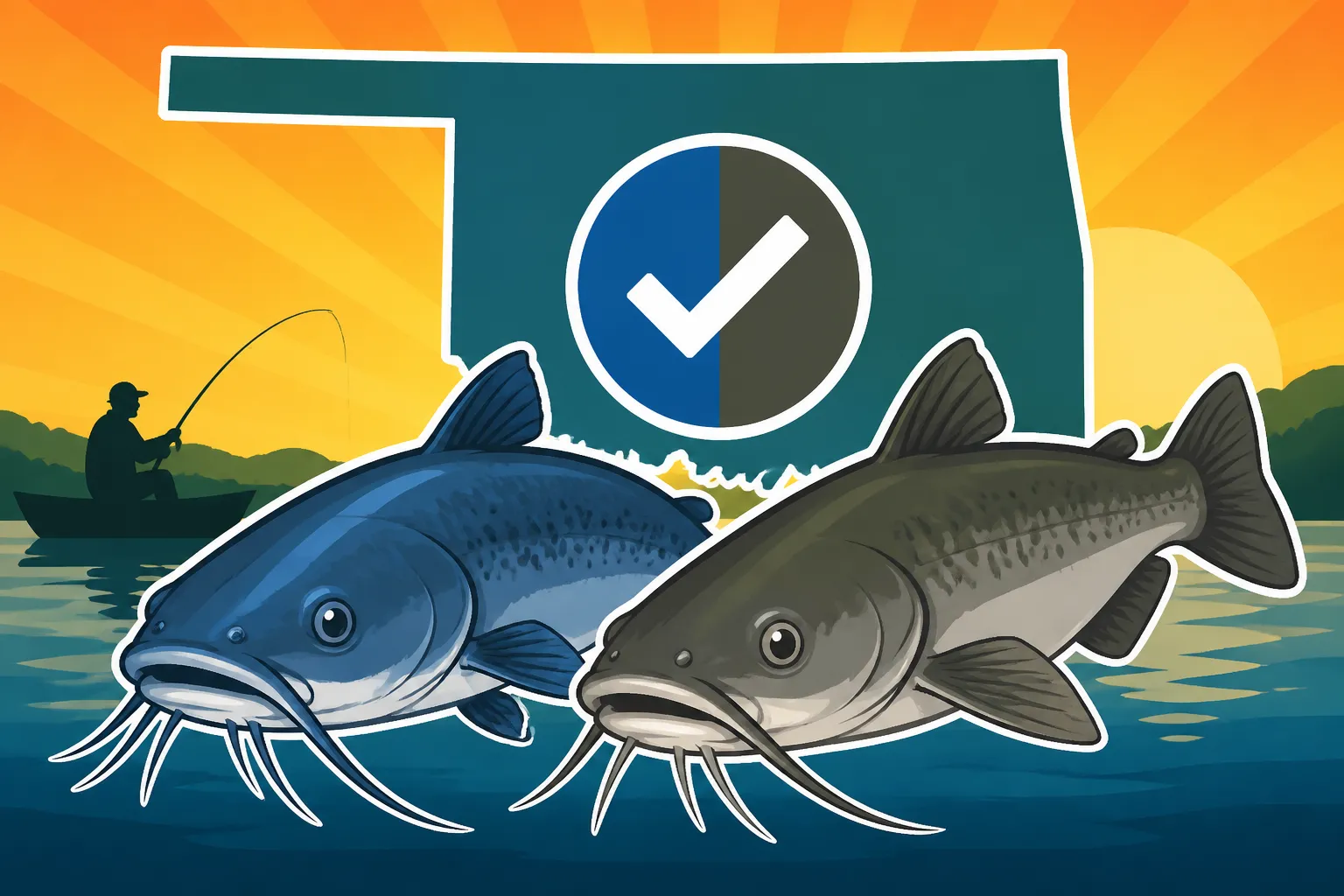
The Oklahoma Department of Wildlife Conservation (ODWC) classifies both blue catfish and channel catfish as "forked-tail catfish" for regulatory purposes. This grouping isn't arbitrary; it's rooted in a combination of biological similarities and practical management strategies. Biologically speaking, both species share similar habitats and diets, particularly when they're smaller. They often coexist in the same lakes and rivers, making it challenging for even experienced anglers to quickly and accurately differentiate between a juvenile blue cat and a channel cat in a fast-paced fishing scenario. Imagine reeling in fish after fish, trying to remember separate limits for two fish that look so much alike. It would be a nightmare for both anglers and game wardens.
By lumping them together, the ODWC simplifies the rules, allowing you to focus more on fishing and less on species identification debates in your boat. This approach ensures consistent management across the state's diverse waterways. While it might feel a little restrictive if you're specifically targeting one over the other, it ultimately helps maintain healthy populations for everyone to enjoy. It’s definitely a case of making the rules easier to follow, even if it means a slight generalization.
The Statewide Daily Bag Limit for Forked-Tails
So, let's get down to the numbers. Across Oklahoma, the statewide daily bag limit for forked-tail catfish – which includes both blue and channel catfish – is 15 fish. This means that no matter how many of each species you catch, the total number of blue and channel catfish combined in your possession cannot exceed 15 in a 24-hour period. You can have 15 channel cats and no blue cats, 15 blue cats and no channel cats, or any combination thereof, like 10 channel cats and 5 blue cats. As long as the sum doesn't go over 15, you're good.
This rule is clearly laid out in the official regulations, often found under sections like Forked-Tail Catfish Limits in Oklahoma. It's crucial to understand that "daily bag limit" means the maximum number of fish you can legally keep from midnight to midnight. If you're planning a multi-day trip, your cooler needs to reflect that day's catch. This uniform limit helps ensure that popular fishing spots aren't overfished and that these valuable species continue to thrive in Oklahoma’s waters. It also makes things much simpler than having to remember separate limits for each, which would just add to the confusion.
The Critical Blue Catfish Exception: One Over 30 Inches
Now, while blue and channel catfish generally fall under the same 15-fish umbrella, there's a really important exception specifically for blue catfish, especially the big ones. This rule is designed to protect the trophy-sized fish that contribute significantly to the health and future of the fishery.
The "One 30-Inch Plus" Rule Explained
This is where things get a little more specific. Within that 15-fish daily bag limit for forked-tail catfish, you are only allowed to keep one blue catfish over 30 inches in length. Just one. This particular regulation, often referred to as The 30-Inch Blue Catfish Rule in Oklahoma, is a game-changer for anglers hoping to land a true monster. The biological reasoning behind this rule is solid: larger blue catfish, particularly those over 30 inches, are typically mature breeding stock. Protecting these big fish ensures they can continue to reproduce, contributing to the next generation of catfish and maintaining a robust fishery for years to come.
Think of it this way: these big blue cats are the backbone of the population. If too many of them are removed, it can have a negative impact on the overall health and abundance of blue catfish in a lake or river. So, while it might be tempting to fill your cooler with two or three massive blues, you must adhere to this strict "one over 30 inches" policy. It means you might have to make a tough decision to release a second trophy-sized blue cat, but it's for the greater good of Oklahoma fishing. Always carry a reliable measuring tape, easily found on sites like Amazon, to ensure you're compliant.
Practical Scenarios for the 30-Inch Rule
Let's walk through a couple of common scenarios to make this rule crystal clear. It's really easy to get caught up in the excitement of a good bite, so knowing these situations beforehand can save you a headache.
Scenario 1: You catch 14 channel cats and 1 blue cat over 30 inches.
In this situation, you are perfectly within the regulations. You have a total of 15 forked-tail catfish (14 channel + 1 blue), and only one of them is a blue catfish over 30 inches. Your daily limit is met, and you've harvested a trophy-sized blue cat legally. This is an ideal day if you're looking for a mix of sizes and species.
Scenario 2: You catch 10 channel cats, 2 blue cats over 30 inches, and 3 blue cats under 30 inches.
Here's where the "one over 30 inches" rule becomes critical. You have a total of 15 catfish (10 channel + 2 large blue + 3 small blue). However, you have two blue catfish that are over 30 inches. According to the rule, you can only keep one. This means you would need to immediately release one of those blue catfish that measured over 30 inches. You could keep the remaining blue cat over 30 inches, the 10 channel cats, and the 3 blue cats under 30 inches, for a total of 14 fish. It’s important to practice proper catch and release techniques for any fish you decide to let go, especially larger ones. Understanding Can You Keep Two Blue Catfish Over 30 Inches? is crucial before you even hit the water. This scenario highlights why a quick and accurate measurement is essential as soon as you land a big blue cat.
Distinguishing Between Blue, Channel, and Flathead Catfish
While this guide focuses primarily on blue and channel catfish being grouped together, it's absolutely vital to know how to tell them apart from their cousin, the flathead catfish. Flatheads have entirely different regulations, and mistaking one could land you in trouble.
Key Identification Features
Knowing your catfish species isn't just about showing off; it's about staying legal and understanding the unique characteristics of each fish you're targeting.
-
Blue Catfish: These fish typically have a dark blue or slate-gray back that fades to white on their belly. A distinguishing feature is their noticeably humped back, especially in larger specimens. Their tail is deeply forked, and their anal fin (the fin on their underside, behind the anus) has a straight, flat edge with 30-35 rays. Crucially, adult blue catfish generally do not have spots. If you’re ever unsure, remember the straight anal fin and the lack of spots on a larger fish. They tend to be more robust and streamlined than channel cats. You can often find great diagrams and guides for identifying these species, sometimes even in waterproof regulation books you might find on Amazon.
-
Channel Catfish: Often mistaken for blue cats, channel cats usually have a lighter, more olive-gray to brownish back, fading to white. The most recognizable feature, especially in younger fish, is the presence of scattered, irregular black spots along their sides. As they age, these spots can sometimes fade, making identification a bit trickier. Their tail is also deeply forked, but their anal fin has a rounded outer edge and typically fewer rays (24-29) compared to the blue cat. Their head is generally smaller and more pointed than a blue cat's. For a deeper dive, check out resources on Channel Catfish vs Blue Catfish vs Flathead Catfish in Oklahoma.
-
Flathead Catfish: These are truly distinct. Flatheads are easily identified by their flattened, broad head (hence the name!) and their projecting lower jaw, meaning their lower jaw sticks out further than their upper jaw. Their body color is usually mottled brown and yellow, giving them a camouflage appearance. Unlike blue and channel cats, the flathead's tail is either square or only slightly notched, definitely not deeply forked. Their anal fin is notably shorter and more rounded than both blue and channel catfish. They also have tiny eyes compared to their large head. When you catch a flathead, you'll immediately notice its unique look – it stands apart from its forked-tail relatives.
Why Flatheads Have Separate Regulations
Flathead catfish are treated differently in Oklahoma regulations for a very good reason: they are ecologically distinct. Unlike the more omnivorous blue and channel catfish, flatheads are ambush predators, preferring live bait and often lurking in structure like log jams or rock piles. Their diet consists almost entirely of other fish and crawfish, making them a significant predator in their ecosystem. Their slower growth rates and different reproductive strategies also mean they require different management approaches to ensure sustainable populations.
Because of these differences, flatheads typically have a separate, often lower, daily bag limit. For instance, the statewide limit for flathead catfish is generally 10 fish per day, but it's crucial to always verify this in the current ODWC regulations guide, as specific lake rules can sometimes vary. The main takeaway is this: flathead catfish are never counted as part of your 15-fish forked-tail limit. If you have 15 blue/channel cats and then catch 5 flatheads, you are within both limits (assuming no blue cats over 30 inches). Understanding this distinction is key to adhering to all of Oklahoma's fishing laws.
Here’s a quick comparison to help you visualize the differences:
| Feature | Blue Catfish | Channel Catfish | Flathead Catfish |
|---|---|---|---|
| Tail Shape | Deeply Forked | Deeply Forked | Square or Slightly Notched |
| Head Shape | Standard, often slightly humped back | Smaller, more pointed | Broad, distinctly flattened; projecting lower jaw |
| Body Color | Dark Blue/Gray, white belly | Olive/Gray-brown, white belly | Mottled Brown/Yellow |
| Spots | Absent (adults) | Present (especially on juveniles) | Absent |
| Anal Fin | Straight edge, 30-35 rays | Rounded edge, 24-29 rays | Short, rounded, 14-17 rays |
| Statewide Limit | 15 total (with channel), 1 over 30" | 15 total (with blue) | 10 (separate from blue/channel) |
Tips for a Successful and Legal Catfish Trip
Going out for catfish in Oklahoma can be incredibly rewarding. With the right gear and a solid understanding of the rules, you're set for a great time.
Essential Gear and Practices for Catfishing
To truly enjoy a day of catfishing, whether you're targeting those smaller channel cats for a fish fry or trying for a trophy blue, having the right setup makes all the difference. You'll want sturdy rods and reels capable of handling powerful runs. Medium-heavy to heavy action rods paired with baitcasting or spinning reels spooled with 20-50 lb test line are pretty standard. For baits, you've got a lot of options: cut bait (like shad, perch, or skipjack herring), prepared stink baits, worms, and chicken liver are all popular choices for channel and blue cats. Flatheads, as mentioned, usually prefer live bait such as sunfish or carp. You can find a fantastic array of these specific baits and heavy-duty tackle setups on Amazon, making it easy to stock up before your trip.
Don't forget the accessories! A strong set of pliers for hook removal, a lip gripper or heavy-duty gloves for handling those toothy critters, and a large landing net are all essential. And, of course, a reliable measuring tape is non-negotiable, especially for those blue catfish you suspect might be over 30 inches. Practicing proper fish handling, particularly when you need to release a big one, ensures the fish has the best chance of survival. Wet your hands before touching fish, support their body weight, and get them back in the water quickly.
If you're looking for more detailed advice on what works best, resources like Best Bait for Catfish in Oklahoma Lakes and Rivers and How to Bottom Fish for Catfish offer some excellent insights to get you started. Techniques like How to Set Up a Trotline for Catfish or How to Jug Fish for Catfish are also very popular methods in Oklahoma, each with its own specific rules and gear requirements.
Staying Informed and Respecting Regulations
The fishing landscape can change, and so can the rules. That's why it's incredibly important to always check the most current regulations before you head out. The Oklahoma Department of Wildlife Conservation (ODWC) updates its fishing regulations annually, and sometimes special rules apply to specific lakes or rivers. You can typically find a printed copy of the regulations at most sporting goods stores, bait shops, and even many gas stations across the state. The ODWC website is also an excellent resource for the most up-to-date information. Consider downloading a digital copy to your phone or even purchasing a waterproof regulation guide from Amazon so you always have it handy on the boat.
Being caught fishing without a license or exceeding bag limits can result in fines and other penalties. Game wardens are out there to protect the resource and ensure fair play, and they will check licenses and catches. Understanding Oklahoma's Catfish Fishing Rules and Limits fully and making sure you're compliant is part of being a responsible angler. It's not just about avoiding trouble; it's about contributing to the conservation efforts that keep Oklahoma a fantastic place to fish for generations to come. A little preparation goes a long way to ensure your fishing trip is both enjoyable and legal.
Disclaimer
Please note that fishing regulations are subject to change. While every effort has been made to provide accurate and up-to-date information, it is always the angler's responsibility to consult the current Oklahoma Department of Wildlife Conservation (ODWC) fishing regulations guide before heading out on the water. Local regulations may vary.