Why Game Wardens Check Anglers for a License
Ever been out on the lake, enjoying a peaceful day of fishing, only to have a game warden pull up and ask to see your license? It can feel a bit jarring, maybe even a little intrusive, especially if you're certain you're doing everything by the book. But there's a really important reason behind those checks, and understanding it can actually make your time on the water even more enjoyable and stress-free. This guide is all about demystifying why game wardens check anglers for a license and what they're truly looking for.
The Core Mission: Protecting Oklahoma's Natural Resources
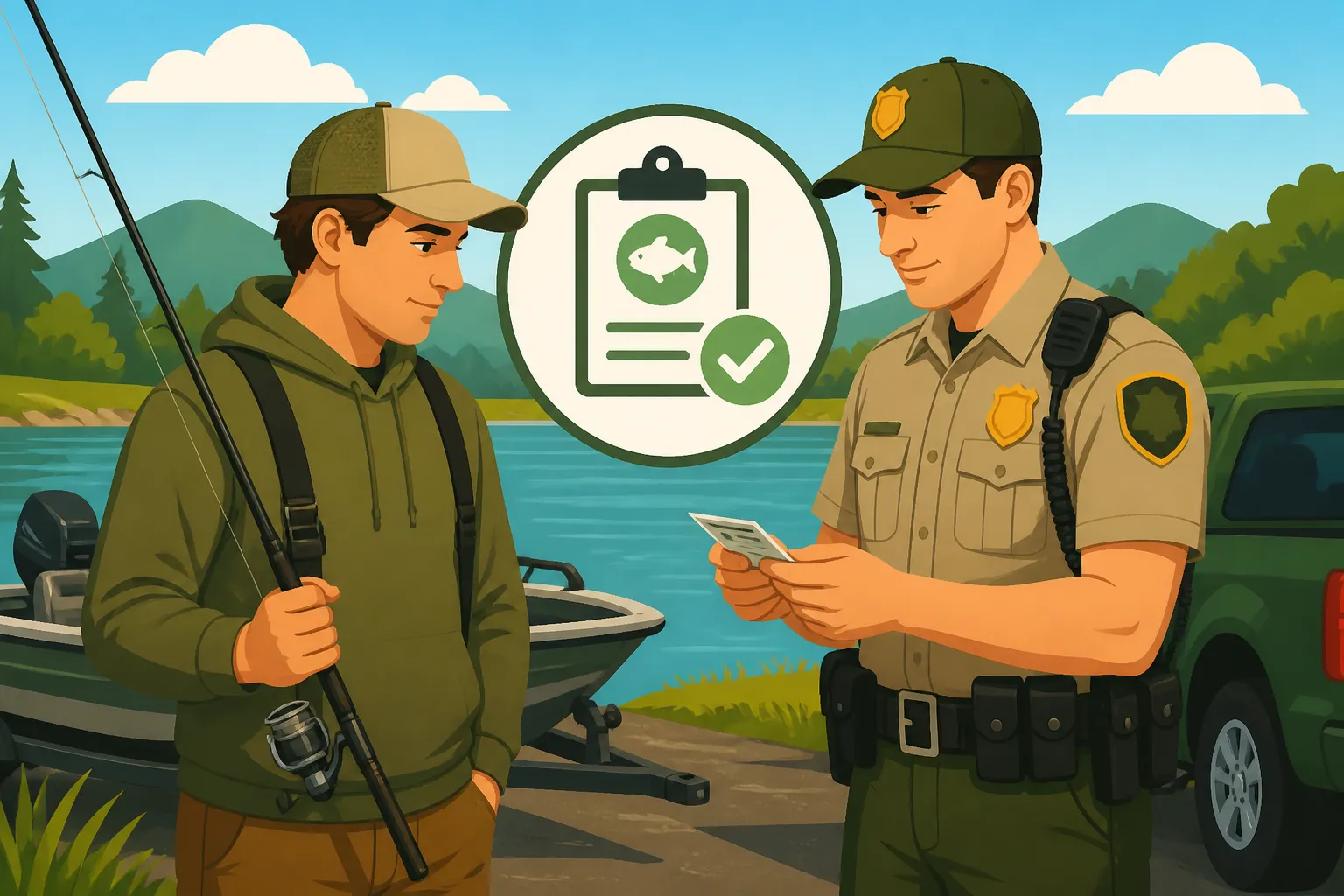
When a game warden approaches you on an Oklahoma lake or river, they're not just being nosy; they're fulfilling a critical role as law enforcement officers with a specialized mission. Their primary job is to enforce the Oklahoma Wildlife Conservation Code and safeguard the incredible natural resources that make fishing in our state so fantastic. This isn't just about catching rule-breakers; it's fundamentally about ensuring healthy ecosystems and sustainable fishing for everyone, today and for future generations.
Upholding the Law and Ensuring Compliance
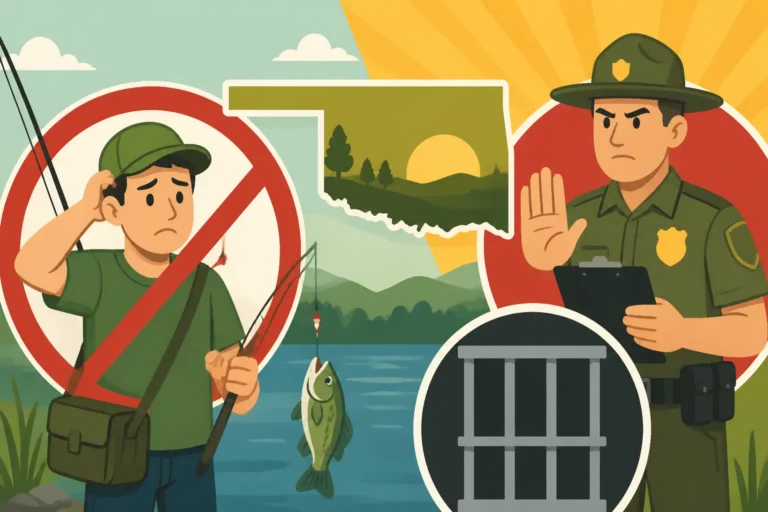
At its heart, a game warden's check is about upholding the law. These dedicated men and women are certified law enforcement officers, just like state troopers or local police, but their jurisdiction is specifically tied to wildlife, fisheries, and boating regulations. They have the authority to make arrests, issue citations, and even seize equipment when violations occur. This means their presence isn't just a suggestion; it's a serious component of maintaining order and accountability in our outdoor spaces.
The fishing license itself is more than just a piece of paper; it's a legal requirement and a critical funding mechanism. The fees collected from fishing licenses directly support the Oklahoma Department of Wildlife Conservation (ODWC) in countless ways. These funds pay for essential programs like fish stocking, which keeps our lakes abundant; habitat restoration projects that improve water quality and provide homes for fish; and vital research that helps biologists understand fish populations and manage them effectively. When a warden checks your license, they're verifying that you're contributing your fair share to these efforts, ensuring the very future of the sport we all love. It might feel like a minor inconvenience, but it's a fundamental part of the system that keeps the fishing viable. For more on what's required, you can check out the guide on Fishing License Requirements in Oklahoma.
It’s completely normal to feel a little flustered when a game warden pulls up. You might immediately start running through a mental checklist: "Do I have my license? Did I measure that bass correctly? Am I over my limit?" But it’s important to remember that these checks are routine and not personal. Just like a police officer might check for a driver's license during a traffic stop, a game warden is performing a standard duty. Their visible presence on the water also acts as a powerful deterrent, discouraging potential poachers or those who might consider violating bag limits, ultimately protecting our fish populations from exploitation.
Safeguarding Fish Populations for Future Generations
One of the most profound reasons game wardens conduct these checks is to ensure the long-term health and sustainability of Oklahoma's fish populations. Popular species like largemouth bass, crappie, and catfish are highly sought after by anglers. Without careful management and enforcement of regulations, these populations could easily be overfished, leading to declines that would devastate our fisheries. Bag limits, size restrictions, and specific seasonal rules are scientifically determined to allow fish enough time to reproduce and grow, maintaining a healthy balance in our aquatic ecosystems.
Game wardens are the front-line protectors of these regulations. They meticulously check to make sure anglers aren't exceeding these limits, whether it's the statewide bass bag limit of six or specific length limits on crappie in certain lakes. Imagine a scenario where there were no limits; every angler could keep every fish they caught, and our beautiful lakes and rivers would quickly become barren. This enforcement is vital. For example, the ODWC has specific rules for Oklahoma's Bass Fishing Rules and Limits and Crappie Fishing Rules and Limits in Oklahoma, which wardens actively enforce.
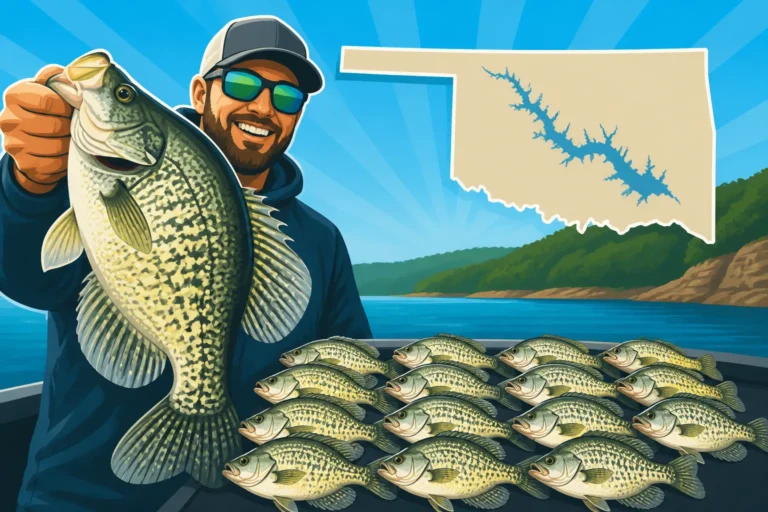
Let's consider a real-life example. You might be having an incredible day on Lake Tenkiller, known for its excellent crappie fishing. You’ve got a livewell full of beautiful crappie, and you’re feeling proud of your catch. When a warden asks to inspect your cooler, they’re not trying to spoil your fun. Instead, they're verifying that you haven't exceeded the daily bag limit or kept any crappie under the lake's specific 10-inch minimum size limit. This type of routine check ensures that the lake's crappie population remains robust for future fishing trips. It’s all part of the bigger picture of conservation that every angler implicitly agrees to by casting a line in Oklahoma waters.
What a Game Warden is Actually Looking For
Understanding exactly what a game warden is looking for during a stop can help alleviate any anxiety and ensure your interaction is smooth and positive. They're generally checking for a few key things, all centered around legal compliance and responsible angling practices.
Your Valid Oklahoma Fishing License
The most fundamental thing a game warden will request is your valid Oklahoma fishing license. This is your official permission to fish in the state's public waters. It’s important that your license is current for the day you are fishing and that it’s the correct type for your residency status (e.g., an annual resident license versus a 1-day nonresident license).
Wardens will check the dates on your license to confirm it hasn't expired. It's a surprisingly common oversight for anglers to head out with an expired annual license or to continue fishing on a day-pass that's already technically over. For example, if you purchased an Oklahoma Resident 1-Day Fishing License Cost for Monday, but you’re still out on Tuesday, that license is no longer valid. The ODWC makes it incredibly convenient to get your license. You can purchase one directly from the ODWC website and usually print it immediately, or even save it digitally to your phone. Many experienced anglers keep a screenshot of their license on their phone for quick access. If you prefer a physical copy but worry about it getting wet, a small waterproof document holder, easily found on Amazon, can keep your license safe and dry in your tackle box or boat. Learn more about how easy it is to How to Buy an Oklahoma Fishing License Online.
Adherence to Bag and Size Limits
Once they've confirmed your license, the next critical area a warden will typically inspect is your catch. This involves checking your livewell, cooler, or stringer to ensure you're adhering to all applicable bag and size limits for the species you've caught. Each species has specific regulations designed to protect it. For example, Oklahoma has a statewide 15-fish limit for forked-tail catfish (blue and channel catfish combined), with specific rules for those over 30 inches.
Wardens are highly knowledgeable about these rules and can quickly identify violations. They'll be looking for things like:
- Number of Fish: Have you exceeded the daily bag limit for any species? For instance, if you’re fishing for crappie, the statewide limit is 37 fish. If you have 40 crappie in your cooler, you’re in violation.
- Size of Fish: Are all your kept fish above the minimum size limit, or if applicable, within slot limits? Many lakes, for example, have Stricter Crappie Limits at Six Oklahoma Lakes with 10-inch minimums. If you’ve kept crappie smaller than 10 inches from one of these lakes, that’s a violation. Similarly, the statewide bass limit allows for one bass over 16 inches, but your total can't exceed six. Having two 17-inch bass would be a violation.
- Species Identification: Are you correctly identifying the fish you've kept? Some species, like white bass and striped bass, or channel and blue catfish, can look similar, but their limits might differ. Take a look at Oklahoma's Catfish Fishing Rules and Limits to understand the nuances.
To avoid any issues, it’s a smart practice to carry a small, easily readable measuring tape. You can find retractable, waterproof models designed for fishing on Amazon that are perfect for quick measurements before a fish goes into the livewell. Knowing the specific rules for the body of water you’re on, which can sometimes vary from statewide regulations, is paramount. A quick glance at Oklahoma's Bag Limit Rules by Species before you launch can save a lot of headaches.
Proper Gear and Legal Methods
While less frequent than license and bag limit checks, game wardens will also ensure that you are using legal fishing methods and that your gear complies with regulations. Oklahoma fishing laws specify what types of gear and methods are permitted for different species and situations.
For instance, snagging game fish is generally illegal in Oklahoma, with the notable exception of specific seasons for species like paddlefish in designated areas. If you're out during a general fishing season and a warden observes you using snagging gear, they will investigate. Similarly, there are strict rules for "unattended" gear like trotlines and juglines often used for catfish. These lines must be properly tagged with your name and ODWC customer ID number, and there are limits on the number of lines you can deploy. Wardens will check these details to ensure compliance. If you're into Paddlefish Snagging Season in Oklahoma, make sure you know the very specific rules for that unique type of fishing.
Beyond fishing-specific gear, if you're on a boat, wardens often perform quick safety checks. This includes verifying that you have the required number and type of U.S. Coast Guard-approved life jackets for everyone on board, a throwable flotation device if your boat is 16 feet or longer, and other essential safety equipment like a working horn or whistle and navigation lights. Having a well-stocked boat safety kit, with items ranging from first-aid supplies to a marine whistle, can be easily put together with a trip to a local sporting goods store or by browsing Amazon for marine safety gear. This isn't just about avoiding a ticket; it’s about your safety and the safety of your passengers. Familiarize yourself with the Oklahoma Boat Safety Equipment Checklist to make sure you're always ready.
The Consequences of Non-Compliance
It's a mistake to think that fishing violations are minor. Getting caught without a license, exceeding bag limits, or using illegal methods can lead to serious consequences that can significantly impact your wallet and your future fishing privileges. Game wardens take their role seriously, and so should you.
Penalties and Fines
The immediate and most common consequence of a fishing violation is a penalty in the form of a fine. For something as seemingly simple as fishing without a license, the cost can be substantial. While the actual fine amount can vary depending on the specific county and judge, a citation for not having a valid license in Oklahoma can easily run into the hundreds of dollars once court costs are added. We're talking about $150, $200, or even more. Compare that to the modest price of an annual resident license, and it quickly becomes clear that skipping the license is a really expensive gamble. For example, a typical Oklahoma Resident 1-Day Fishing License Cost is a fraction of what a fine would be.
More serious violations, such as significantly exceeding bag limits, keeping undersized trophy fish, or using illegal fishing methods, can result in even heftier fines. In some cases, fines are assessed per fish over the limit or per undersized fish. Beyond monetary penalties, wardens also have the authority to confiscate your catch, and in severe cases, your fishing equipment—including rods, reels, and even your boat—can be seized as evidence or forfeiture. These violations are often categorized as misdemeanors, which can lead to court appearances and even potential jail time, especially for repeat offenders or particularly egregious acts like commercial poaching. You can learn more about the specifics of Penalties for Fishing Without a License in Oklahoma.
Impact on Your Fishing Privileges
Beyond financial penalties, a fishing violation can have long-lasting effects on your ability to enjoy the sport. The Oklahoma Department of Wildlife Conservation maintains records of all citations and convictions. Repeated or serious violations can lead to the suspension or even complete revocation of your fishing privileges. This means you could be legally banned from purchasing a fishing license and fishing in Oklahoma waters for a set period, which could range from months to several years.
Furthermore, Oklahoma is part of interstate compacts that share information about wildlife violations with other states. This means a revocation of your fishing privileges in Oklahoma could also affect your ability to obtain a fishing license in neighboring states like Texas, Arkansas, Kansas, or Missouri. For a passionate angler, losing the right to fish is a truly devastating consequence. It can also complicate future license purchases, as your history of violations will be on record when you attempt to renew your How Long an Oklahoma Fishing License Stays Valid or apply for a new one. The peace of mind that comes with knowing you're fully compliant and can enjoy the waters freely is truly invaluable.
Here's a quick look at some common violations and their potential consequences:
| Violation | What the Warden Checks For | Typical Consequence (General Range) |
|---|---|---|
| Fishing Without a License | Valid ID, current license for location/type | Fine ($150-$300+), court costs, potential fishing privilege suspension |
| Over Daily Bag Limit | Fish count in livewell/cooler | Fine per fish over limit, court costs, potential fishing privilege suspension, seizure of fish |
| Keeping Under/Over Size Limit | Measurement of fish | Fine per fish, court costs, potential fishing privilege suspension, seizure of fish |
| Illegal Methods/Gear | Type of bait, number of lines, gear tags | Fine, court costs, confiscation of gear, potential fishing privilege suspension |
| Boating Safety Violation | Life jackets, fire extinguisher, horn, lights | Fine (varies by specific violation), court costs, potential termination of trip |
Making Warden Checks a Breeze
Navigating a game warden check doesn't have to be a stressful experience. In fact, with a little preparation and a respectful attitude, it can be a quick and even informative interaction. The key is to be proactive and informed.
Be Prepared and Know the Rules
The absolute easiest way to ensure a smooth interaction with a game warden is simply to be prepared. Before you even leave the house, make sure your fishing license is readily available. Whether it's a physical card in a waterproof wallet, a printed copy, or a screenshot saved to your phone, have it accessible. Trying to scramble through pockets or boat compartments while a warden waits can be awkward and create unnecessary tension.
Equally important is knowing the rules for where you're fishing. Take a few minutes to quickly review the specific regulations for the body of water you'll be on. The ODWC website is an excellent resource for this, providing up-to-date information on statewide limits as well as any special regulations for particular lakes or rivers. Some lakes, for example, have very specific length limits for bass or crappie that differ from the general statewide rules. A small, laminated card listing the key bag and size limits for the species you’re targeting on that particular lake can be a real game-changer. You can even create one yourself and get it laminated at an office supply store, or look for pre-made fishing rule cards on Amazon. Knowing these details upfront eliminates any doubt and demonstrates your commitment to responsible angling. Staying updated on Fishing Regulations You Need to Know in Oklahoma is a habit every seasoned angler should cultivate.
Cooperate and Be Respectful
When a game warden approaches, remember that they are doing their job, often working long hours in challenging conditions to protect our natural heritage. A polite, cooperative, and respectful attitude goes a long way. Greet them kindly, answer their questions honestly, and present your license and catches as requested without hesitation.
Avoid becoming defensive or argumentative. If you have questions about a specific rule or regulation, this can actually be a fantastic opportunity to ask an expert in the field. Wardens are incredibly knowledgeable about local fisheries and regulations and can often provide valuable insights. A friendly and open interaction is far more pleasant for everyone involved and reflects positively on the entire angling community. Ultimately, they are protecting the very resources that provide us with the joy of fishing in Oklahoma, and by cooperating, you're becoming a part of that vital mission.
Disclaimer
Please remember that fishing regulations and license requirements in Oklahoma can change. While every effort has been made to provide accurate and up-to-date information, it is always your responsibility as an angler to consult the official Oklahoma Department of Wildlife Conservation (ODWC) regulations before heading out. This content is for informational purposes only and should not be considered legal advice.