Remote Coves on Fort Gibson Lake for Bass
Ever pulled up to your favorite bass spot on Fort Gibson Lake, only to find three other boats already anchored there, poles out, casting over the very structure you had your eye on? It’s a common frustration, especially on popular lakes. The truth is, the pressure can make those trophy bass shy, pushing them into less accessible, more secluded hideouts. This guide is all about helping you unlock those hidden gems: the remote coves on Fort Gibson Lake where bass can thrive undisturbed, offering a far more rewarding and peaceful fishing experience.
Why Seek Out Remote Coves on Fort Gibson Lake?
There's something uniquely satisfying about finding a honey hole that isn't already teeming with other anglers. On a lake as popular and diverse as Fort Gibson, those remote coves aren't just about solitude; they're often where the bigger, wiser bass retreat. These fish learn to avoid the commotion of main lake points and easy-access shorelines. They seek refuge in quieter waters, often surrounded by dense cover and abundant forage, where they feel safer to feed and reproduce.
Imagine the difference: instead of competing for space and spooking fish with repeated casts, you're easing your boat into a secluded cove, the only sound the ripple of your paddle or the gentle hum of your trolling motor. The bass here are less pressured, more likely to strike, and often larger. These spots offer a genuine chance to connect with nature and truly hunt for those elusive lunkers, away from the hustle and bustle that often accompanies prime fishing seasons on public waters. It’s not just about catching fish; it’s about the entire experience of discovery and tranquility.
Identifying Prime Remote Coves for Bass on Fort Gibson
Finding these hidden treasures isn't always about luck; it's about understanding the lake, knowing what to look for, and a little bit of good old-fashioned detective work. Fort Gibson is a large and sprawling reservoir, fed by the Grand River, offering a mix of riverine characteristics and open lake areas. This diversity means that remote coves can vary significantly.
Reading the Map and Topography
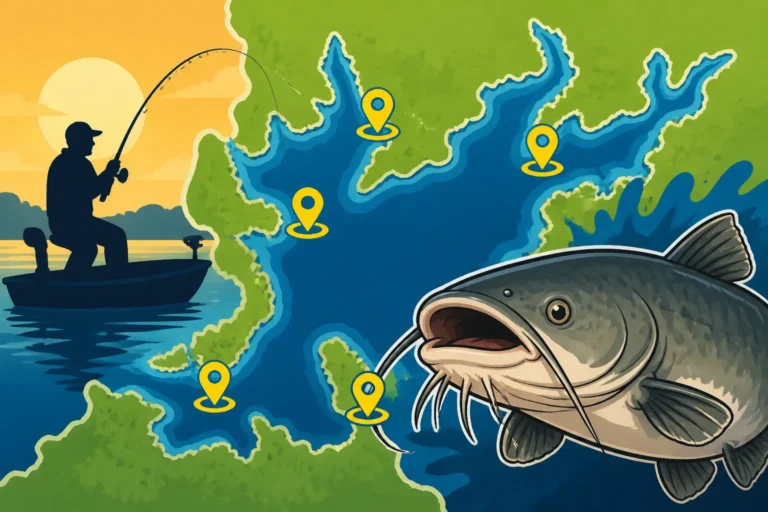
Before you even launch your boat, your best friend will be a detailed map – whether it's a paper chart, a sophisticated electronic map on your fish finder, or even satellite imagery from apps like Google Earth. What you're looking for are subtle clues that indicate bass habitat away from the crowds.
Start by identifying the main lake body and then branch off into the larger creek arms and secondary points. Now, zoom in. Look for small indentations, long tapering points, or deep cuts that might be overlooked by anglers sticking to the obvious spots. Pay close attention to contour lines. Steep drops, submerged creek channels, old roadbeds, and sudden depth changes are prime real estate for bass, especially if they are tucked away in a quiet cove. You're trying to find pockets of water that offer bass everything they need: cover, forage, and depth changes for comfort, but without easy access. For example, a cove that can only be reached by navigating a narrow, winding channel might deter larger boats but be a perfect haven for a stealthy kayak angler. These small, intricate details often hold the key to unpressured fish. Many experienced anglers, when planning a trip with a guide from services like FishingBooker, often ask them to reveal these less-known spots.
Understanding Fort Gibson's Unique Features
Fort Gibson Lake, like any large body of water, has its own personality. Its river-fed nature means that water levels can fluctuate, and clarity can vary widely depending on recent rainfall. The lake is known for its extensive standing timber and submerged brush, particularly in its upper and mid-lake sections. These elements are crucial for bass in remote coves.
In the spring, bass will often move into these shallower, warmer coves, especially those with muddy or stained water that warms up faster, preparing for the spawn. During the heat of summer, they'll retreat to the shade of dense timber or the cooler depths of creek channels within these coves. Fall sees them chasing baitfish into the backs of coves as forage moves, and even in winter, deeper, timber-filled coves can hold lethargic but catchable bass. Understanding these patterns, specific to Fort Gibson, will help you decide which remote coves to target at different times of the year. For an even deeper dive into how fish react to seasonal changes, check out our guide on Oklahoma Bass Fishing: Techniques by Season.
Seasonal Considerations for Remote Coves
The effectiveness of a remote cove can change dramatically with the seasons. What's a hot spot in spring might be barren in summer.
- Spring (Pre-Spawn & Spawn): As water temperatures climb into the 50s and 60s, bass will migrate into shallower, protected coves. Look for coves with northern exposures that get more sunlight, or those with dark bottoms that absorb heat. Submerged grass, brush, and old stumps offer crucial spawning habitat. In these remote areas, bass feel safe and are focused on reproduction, making them incredibly vulnerable if you can find their beds.
- Summer (Post-Spawn & Heat): After the spawn, bass disperse. During the summer heat, they often move to deeper sections of coves, seeking cooler water and shade. Look for coves with deeper channels running through them, or those with extensive standing timber that provides constant shade. Early mornings and late evenings, or even night fishing, can be productive as bass venture out to feed.
- Fall (Feeding Frenzy): As water temperatures drop and days shorten, baitfish begin to school up, moving into the backs of coves. Bass follow them, creating a fantastic feeding period. Target coves with prominent points, creek channel bends, or brush piles where bass can ambush schooling shad. This is an active time for remote cove bass.
- Winter (Slow & Deep): Winter fishing in remote coves means slowing down your approach dramatically. Bass will often suspend in deeper water near vertical structure or stack up in the deepest pockets of protected coves. Look for coves that offer a quick transition to deeper water, providing bass easy access to comfort zones during cold snaps. Remember, a single bite can mean a big fish during winter.
| Season | Typical Water Temperature | Key Remote Cove Features to Target | Bass Behavior & Tactics |
|---|---|---|---|
| Spring | 55-68°F (13-20°C) | Shallow, warming flats; submerged brush, timber, rocky banks | Pre-spawn staging, spawning beds; slow presentations, jigs, soft plastics, crankbaits |
| Summer | 75-88°F (24-31°C) | Deep timber, creek channels, shade lines, main lake points nearby | Post-spawn recovery, seeking cooler water; topwater early/late, deep crankbaits, worms |
| Fall | 60-70°F (16-21°C) | Backs of coves, creek channels, schooling baitfish | Feeding frenzy; chasing shad, active; spinnerbaits, crankbaits, jerkbaits, swimbaits |
| Winter | 38-50°F (3-10°C) | Deep pockets, vertical timber, main lake points in coves | Lethargic, suspending; slow jigging, vertical presentations, spoons, deep jerkbaits |
Accessing and Fishing Remote Coves Successfully
Getting to and effectively fishing these secluded spots requires a bit more planning and the right mindset than simply hitting the main lake points. It's an investment that pays off in less pressure and often more productive fishing.
Navigating Tricky Approaches
Many of Fort Gibson's best remote coves are remote precisely because they aren't easy to get to. This means you might encounter shallow water, dense standing timber, or narrow channels. A full-sized bass boat might struggle or even risk damage in these areas. This is where smaller, more maneuverable craft shine. Kayaks and canoes are fantastic for stealth and navigating tight spaces, allowing you to silently slip into coves that others can't. If you're a kayak angler, our comprehensive Kayak Fishing Gear Guide for Oklahoma Lakes will prove invaluable.
If you are in a larger boat, consider using your trolling motor extensively or even anchoring and wading into the shallower sections if water levels permit and it’s safe to do so. Always pay close attention to depth finders and electronic charts. Fort Gibson can have plenty of hidden hazards just below the surface, especially when water levels are low. Knowing the main Best Boat Ramps on Fort Gibson Lake, Oklahoma that offer good access to different parts of the lake can help you plan your approach to these more secluded areas.
Essential Gear and Techniques
Once you've made it into a remote cove, your gear and technique become critical. Remember, these bass are less pressured, but they can still be wary.
- Lure Selection: A diverse tackle box is essential. Jigs (like a Jewel Baits Football Jig or a Strike King Hack Attack Jig) are fantastic for probing timber and brush. Soft plastics like Texas-rigged worms (Zoom Trick Worms, Berkley PowerBait MaxScent worms) or creature baits (Reaction Innovations Sweet Beaver) are perfect for punching through cover or slowly working bottom structure. Topwater lures can be explosive in low-light conditions, especially in coves with plenty of overhead cover. Crankbaits and spinnerbaits work well when bass are actively chasing baitfish. For specific seasonal advice, you might find our article on Best Bass Lures for Spring Fishing or How to Fish a Texas Rig for Bass particularly helpful.
- Rod and Reel Setups: You'll want a mix of setups. A stout baitcasting rod with 15-20 lb fluorocarbon or braided line is a must for working heavy cover with jigs and Texas rigs. For more open-water casting in the cove, a medium-heavy spinning rod might be suitable for lighter soft plastics or small crankbaits.
- Stealth: This cannot be overstated. A quiet approach is paramount. Use your trolling motor sparingly and at low speeds. Avoid banging tackle boxes or dropping items in the boat. Cast accurately and softly, especially near visible cover. The less disturbance you create, the more natural your presentation will seem to these undisturbed bass. This quiet approach is one reason why many anglers book a trip with an experienced guide through platforms like FishingBooker; they often know the subtle art of stealth fishing in prime locations.
The Importance of Stealth and Patience
When you fish remote coves, you’re often dealing with bass that haven't seen a lot of artificial baits. This means they might be less conditioned to aggressive presentations but also more easily spooked by unnatural noises or movements.
Think of it like hunting: you wouldn't crash through the woods making a racket if you wanted to surprise a deer. Fishing these remote spots demands the same respect and careful execution. Take your time. Approach slowly. Make long, accurate casts that land softly near cover. Instead of making dozens of quick casts, try making fewer, more deliberate ones, allowing your bait to sit longer in the strike zone. Sometimes, the difference between a bite and no bite is simply letting your jig soak next to that submerged log for an extra 10-15 seconds. This patience is often rewarded with bigger, more confident strikes from fish that haven't been harassed. It's a truly different style of fishing, focusing on quality over quantity of casts, and the payoff can be incredible.
Top Remote Cove Strategies for Fort Gibson Bass
Now that you know how to find and approach these hidden gems, let's talk about specific strategies to entice those Fort Gibson bass out of their sanctuary.
Targeting Timber and Structure
Fort Gibson is a timber-rich lake, and nowhere is this more apparent than in its remote coves. Bass absolutely love dense cover, and standing timber, submerged laydowns, and brush piles offer prime ambush points and protection.
When you're in a remote cove, don't just cast randomly. Use your sonar to identify submerged logs, stumps, or brush piles that might not be visible from the surface. Then, systematically pick apart these areas. A jig or a Texas-rigged creature bait worked slowly and precisely around the base of standing trees or dragged over submerged logs can be deadly. Remember, these bass aren't just hiding in the cover; they're often part of the cover. Make multiple casts to the same piece of structure from different angles, letting your bait fall naturally into every crevice. Pay attention to the subtle tugs or ticks on your line – it might be a hungry bass just mouthing the bait. This is where a strong line and a powerful rod are critical, as you’ll need to pull those fish out of heavy entanglement quickly before they bury themselves deeper.
Focus on Transition Zones
Bass are masters of efficiency, and they often position themselves in "transition zones" where two different types of habitat or depth changes meet. In remote coves, these can be incredibly productive spots.
Look for areas where the shallow, warm water of the back of the cove abruptly meets a deeper creek channel or a steep drop-off. Another classic transition is where muddy or stained water from an inflow meets clearer water within the main part of the cove – the seam created by this confluence often holds baitfish, and thus, bass. These areas offer bass easy access to both shallow feeding grounds and deeper, more comfortable water for resting or escaping pressure. Target these edges and breaks with crankbaits that mimic fleeing baitfish, or by slowly working a shaky head worm along the contour lines. Fish will often hold right on that invisible line, waiting for an unsuspecting meal to pass by.
Understanding Forage Patterns
Knowing what the bass are eating in a specific remote cove is like having a secret weapon. While shad are a primary forage throughout Fort Gibson, different coves might have concentrations of other prey, such as crawfish, bluegill, or even small crappie. For example, if you're fishing a cove with a lot of rocky banks, there's a good chance crawfish are a staple, making a brown or green pumpkin jig an excellent choice. If you see schools of small baitfish flickering on the surface, a silver or white spinnerbait or a swimbait could be key.
Take a few minutes to observe your surroundings. Are there bluegill darting around submerged logs? Are there tell-tale splashes of shad on the surface? Sometimes, even cleaning a few fish from a productive area can give you clues about their diet. Tailoring your lure choice and presentation to match the prevalent forage can significantly increase your success rate in these secluded bass havens. Understanding Seasonal Bait Selection for Bass can also make a huge difference in these efforts.
Remember, finding and successfully fishing remote coves on Fort Gibson Lake isn't just about throwing a line in the water. It's about patience, observation, and a willingness to explore beyond the obvious. The rewards—less crowded waters, bigger fish, and a deeper connection to the natural environment—are well worth the effort.
Disclaimer
Fishing regulations and conditions can change rapidly. Always check the latest Oklahoma Department of Wildlife Conservation (ODWC) regulations before heading out. Be aware of local water levels and weather conditions, and prioritize safety on the water. This guide is for informational purposes only and does not guarantee fishing success.