Kayak Fishing Gear Guide for Oklahoma Lakes
There's a special kind of peace that comes with gliding silently across an Oklahoma lake, your paddle barely disturbing the glassy surface as the morning fog lifts. Kayak fishing offers an intimacy with the water and the fish that a big boat just can't replicate. But when you're just starting out, or even looking to upgrade, figuring out the right gear for Oklahoma's diverse lakes – from the vast expanses of Texoma to the smaller, snag-filled creeks – can feel completely overwhelming. This guide is here to cut through the confusion, helping you assemble a kayak fishing setup that's safe, effective, and perfectly suited for chasing your next trophy across the Sooner State.
The Foundation: Choosing Your Kayak for Oklahoma Waters
Before you even think about rods and reels, you need to think about the vessel that will take you to those secret fishing holes. The right kayak is paramount for a successful and enjoyable day on Oklahoma's lakes and rivers. It's not just about getting from point A to point B; it's about stability, storage, and how it performs in the unique conditions you'll encounter.
Understanding Kayak Types for Different Fishing Styles
When you walk into a sporting goods store or browse online, you'll quickly realize that kayaks come in all shapes and sizes, each designed for a particular purpose. For fishing in Oklahoma, the primary distinction you'll encounter is between recreational kayaks and those specifically designed for angling. Recreational kayaks are typically shorter, wider, and less expensive, offering decent stability for casual paddling. However, they often lack dedicated features for fishing.
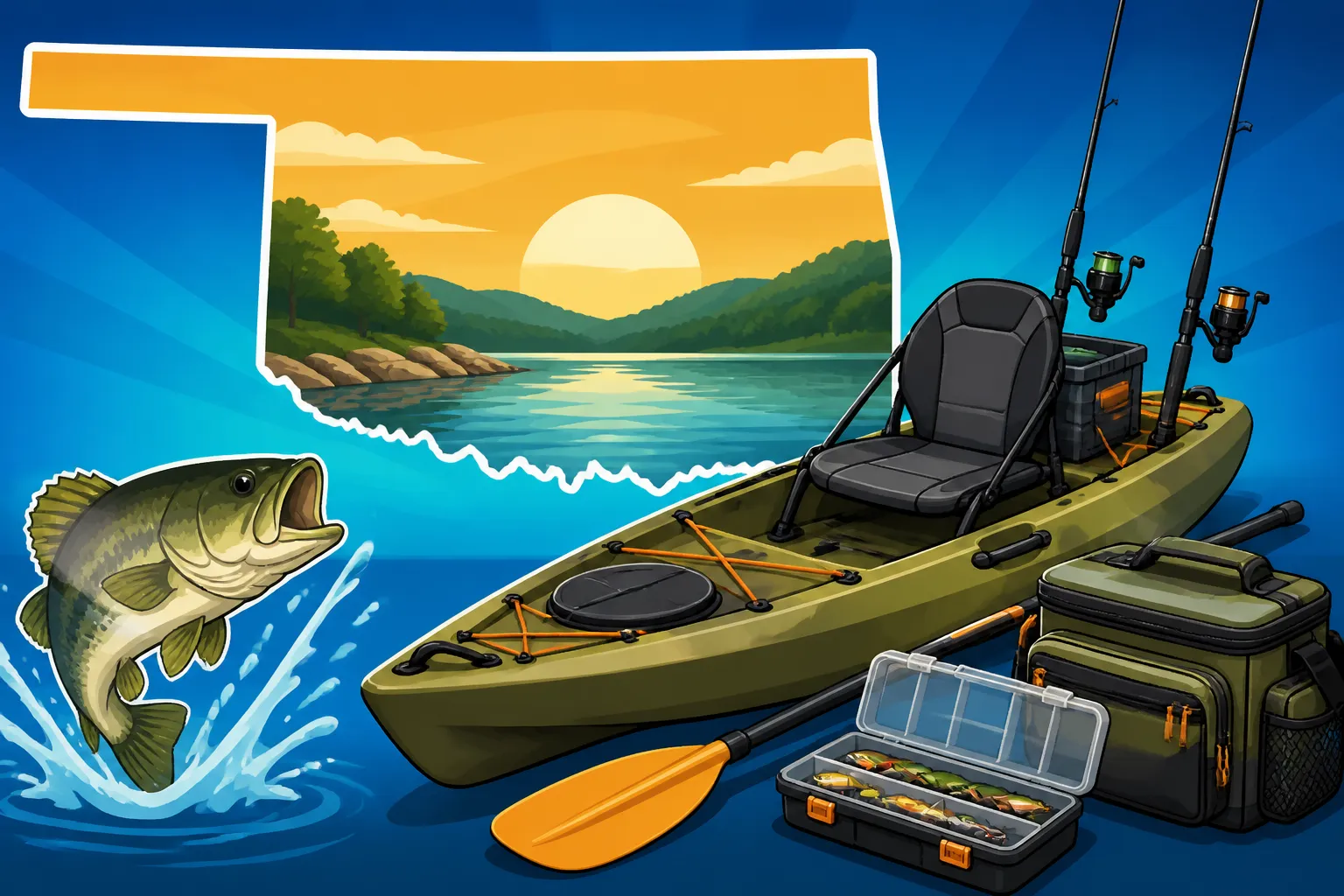
Fishing kayaks, on the other hand, are purpose-built for anglers. They tend to be longer, wider, and offer superior stability, which is crucial when you're standing up to cast or battling a strong fish. You'll find features like multiple rod holders, ample storage for tackle and coolers, and integrated accessory tracks right out of the box. Think about where you'll be fishing most: if it's smaller, calm ponds or slow-moving rivers, a more basic, maneuverable fishing kayak might suffice. But for tackling the large, often choppy waters of lakes like Texoma or Eufaula, a more robust, stable platform is a must.
Another key choice is between sit-on-top (SOT) and sit-inside (SINK) kayaks. For fishing, SOT kayaks are overwhelmingly popular in Oklahoma. They offer easy entry and exit, especially if you happen to capsize (a distinct advantage in warmer months when you might want to hop in for a swim!). They also have scupper holes that allow water to drain, keeping your fishing area drier. SINK kayaks, while offering more protection from the elements, can be challenging to re-enter if you fall out and often have less open deck space for gear. The open deck of a SOT means all your gear is easily accessible, and you can customize it with crates, coolers, and electronics without feeling cramped.
Finally, consider the length and width of the kayak. A wider kayak (around 32-36 inches or more) will offer superior stability, making it easier to cast, retrieve, and even stand up in for sight fishing. However, this stability often comes at the cost of speed. Longer kayaks (12 feet or more) generally track straighter and are faster, which is great for covering larger distances on big reservoirs. Shorter kayaks (under 10 feet) are more maneuverable, perfect for navigating tight timber, small creeks, or crowded areas. For instance, if you're targeting smallmouth bass in the rocky rivers of southeastern Oklahoma, a shorter, more agile kayak might be ideal. But if you're chasing striped bass on Lake Keystone, a longer, faster model will help you keep up.
Propulsion and Steering Considerations
How you move your kayak across the water is a crucial decision that impacts your fishing experience, especially given Oklahoma's expansive and sometimes windy lakes. The traditional method is, of course, paddling. A good quality, lightweight paddle is essential, and many anglers opt for a kayak-specific paddle that's longer than a canoe paddle and often features an offset blade for more efficient strokes. Paddling keeps you connected to the water and offers a great workout, but it does mean your hands aren't always free for fishing.
This is where pedal-drive and motorized kayaks come into play. Pedal-drive systems, like those offered by Hobie or Old Town, allow you to propel your kayak using your legs, leaving your hands free for casting, retrieving, or adjusting your tackle. This hands-free operation is a game-changer for many kayak anglers, particularly when trolling or when precise boat control in wind or current is necessary. You can maintain a consistent speed, fight a fish, and even steer all at the same time. While a higher initial investment, the efficiency and convenience of a pedal drive are often well worth it for serious anglers.
Motorized kayaks take hands-free operation to the next level, using small electric trolling motors. Some kayaks come with integrated motor mounts, while others require aftermarket additions. Motorized kayaks are fantastic for covering long distances, especially on large bodies of water like Lake Texoma, or when you need to quickly reposition. However, they introduce the need for batteries and can sometimes be subject to different registration rules than paddle-only kayaks. Always check the current Do Kayaks Need to Be Registered in Oklahoma? guidelines if you're considering adding a motor.
No matter your propulsion choice, a rudder system is a highly recommended addition, especially for longer kayaks or when fishing in windy conditions. A rudder, operated by foot pedals, helps your kayak track straight and makes it much easier to steer, countering the effects of wind or current without having to constantly make corrective paddle strokes. This can save you a lot of energy and frustration, allowing you to focus more on fishing. Imagine trying to hold your position against a stiff breeze on Grand Lake while trying to land a lunker; a rudder makes that task significantly easier.
Essential Kayak Features for Anglers
Modern fishing kayaks come loaded with angler-specific features designed to make your time on the water more productive and enjoyable. One of the most basic yet essential features is rod holders. Most fishing kayaks will have at least two flush-mount rod holders behind the seat, perfect for trolling a line or simply stowing a rod while you paddle. Many also offer adjustable rod holders that can be mounted to gear tracks, allowing you to position your rods exactly where you need them for different fishing techniques or to keep them out of the way.
Storage is another critical aspect. Kayak anglers need space for tackle, bait, safety gear, food, and water. Look for kayaks with dry storage hatches (often with rubber gaskets to keep water out) for sensitive items like phones, wallets, and keys. Large rear tank wells, often with bungee cords, are perfect for securing a cooler, a tackle crate, or a dry bag. Some kayaks also feature front storage areas or even integrated livewells for tournament fishing. The key is having easily accessible, secure storage that keeps your gear from sliding around or going overboard, especially when you're out on the choppier sections of Lake Murray.
Comfort should not be overlooked. You'll be spending hours in your kayak, so a comfortable seat is paramount. Many higher-end fishing kayaks now come with elevated, adjustable, and padded frame seats that are a far cry from the molded-in seats of recreational kayaks. These seats offer better back support and allow you to sit higher, improving visibility and making casting easier. Adjustable footrests or footpegs are also important for maintaining good posture and efficiently transferring power when paddling or pedaling.
Lastly, look for accessory mounts, often called gear tracks or rail systems. These integrated tracks allow you to easily attach and reposition a wide array of accessories, such as fish finders, camera mounts, GPS units, or additional rod holders, without having to drill permanent holes in your kayak. This modularity means you can customize your setup for different fishing trips or target species. For finding those hidden brush piles for crappie on Lake Eufaula, having a dedicated mount for your fish finder right where you can see it is invaluable.
Safety First: Essential Life-Saving Gear
As much as we love the thrill of the catch, safety should always be your number one priority when kayak fishing on Oklahoma's waters. The conditions can change quickly, from calm mornings to unexpected winds or sudden storms. Being prepared with the right safety gear isn't just a good idea; it's often legally required and could save your life.
Personal Flotation Devices PFDs
This is non-negotiable, folks. Wearing a properly fitted Personal Flotation Device (PFD), or life jacket, is the single most important piece of safety gear you'll ever own as a kayak angler. While adults are not always legally required to wear a PFD while on board an Oklahoma vessel, it must be readily accessible. However, it's mandatory for all children 12 years of age or younger to wear a PFD at all times while underway on any vessel. For kayak anglers, the recommendation is simple: wear it. Always. Life Jacket Rules for Kids 12 and Under on Oklahoma Boats
Fishing-specific PFDs are designed with kayak anglers in mind. Unlike bulky traditional life jackets, these often have thinner backs to accommodate high-back kayak seats, preventing them from riding up uncomfortably. They also feature multiple pockets, D-rings, and attachment points for essential tools like pliers, line cutters, and whistles, keeping them easily accessible. Look for Type III PFDs, which are designed for continuous wear and provide a comfortable, secure fit. Inflatable PFDs are another option, offering a low-profile design, but they require regular inspection and are not suitable for all situations, particularly for non-swimmers or children.
When choosing a PFD, comfort and fit are paramount. A PFD that's uncomfortable will be left off or worn improperly, defeating its purpose. Try it on, sit in your kayak seat, and make sure it doesn't chafe or restrict your movement while paddling or casting. The PFD should fit snugly but not restrict breathing or arm movement. Remember, the best PFD is the one you'll actually wear. Investing in a high-quality, comfortable fishing PFD from a reputable brand you can find at Bass Pro Shops will pay dividends in peace of mind and safety on every trip.
Signaling and Emergency Equipment
Beyond your PFD, a few other items can make a world of difference in an emergency. A sound-producing device is a legal requirement on most Oklahoma waters. A simple whistle attached to your PFD or a small air horn will suffice. This allows you to signal other boaters, especially in low light or fog, or to call for help if needed.
A paddle leash is another inexpensive but invaluable piece of gear. Losing your paddle miles from shore or in strong current can turn a fun day into a dangerous situation. A leash simply tethers your paddle to your kayak, ensuring it stays with you even if you let go. Similarly, leashes for rods and other valuable gear are a smart idea in a kayak where things can easily go overboard.
Always carry a small, waterproof emergency kit. This doesn't need to be elaborate, but it should contain basics like a compact first-aid kit for minor cuts and scrapes, a multi-tool, a small roll of duct tape for temporary repairs, and maybe some energy bars. A waterproof bag or container is essential to keep these items dry. For communication, a fully charged cell phone in a waterproof case is good, but for larger, more remote lakes, a handheld VHF radio might be a safer option, allowing you to communicate with other boats or emergency services without relying on cell towers.
Finally, consider a small, bright light for your kayak if there's any chance you'll be on the water near dawn, dusk, or at night. While not always required for kayaks, visibility is key, and a 360-degree white light will make you much more visible to other boaters, particularly on popular night fishing spots like those found on Lake Arbuckle.
Anchoring and Positioning Systems
In a kayak, maintaining position against wind, current, or even while battling a fish can be a real challenge. That's why a good anchoring and positioning system is crucial. Standard anchors for kayaks are usually small, foldable grapple anchors (often 1.5-3 lbs) that are effective in a variety of bottom types. A small drag chain in addition to the anchor can help the anchor set better and provide more holding power. For shallow water, a stake-out pole or a push pole can be an excellent, silent way to hold your position, especially in marshy areas or shallow coves.
However, the anchor itself is only half the battle. An anchor trolley system is almost universally recommended for kayak anglers. This simple system of a rope and pulleys allows you to run your anchor line from bow to stern (or anywhere in between) along the side of your kayak. This lets you position your kayak to face the wind or current, optimizing your casting angles and preventing you from being spun around. It's a game-changer for precise boat control. Imagine trying to target a submerged brush pile on Fort Gibson Lake; with an anchor trolley, you can quickly adjust your position to get the perfect casting angle.
For ultimate hands-free positioning, some kayak anglers invest in micro anchor systems, like the Power-Pole Micro Anchor. These compact, electric-powered anchors can be quickly deployed and retracted with the push of a button, holding your kayak firmly in position in shallow to medium depths. While a significant investment, they offer unparalleled control and convenience, especially for sight fishing or holding steady in a strong current. These systems are readily available from marine retailers and online vendors like Amazon, though you'll want to ensure compatibility with your kayak model.
| Kayak Accessory | Purpose | Key Benefit for Anglers |
|---|---|---|
| PFD (Type III) | Personal safety, buoyancy | Essential for survival; fishing-specific pockets |
| Paddle Leash | Prevent paddle loss | Keeps paddle attached to kayak |
| Whistle/Horn | Sound signal | Required safety item, alerts others |
| Anchor (Grapple) | Hold position | Keeps kayak steady in wind/current |
| Anchor Trolley | Position adjustment | Allows precise kayak orientation to wind/current |
| Dry Bag/Box | Waterproof storage | Protects electronics, wallet, keys |
| First-Aid Kit | Emergency medical aid | Addresses minor injuries on the water |
| Bilge Pump/Sponge | Remove water from hull | Keeps cockpit dry in sit-inside kayaks or after waves |
Rods, Reels, and Line: Matching Your Target Species
Now that your kayak is ready and you're safe on the water, it's time to talk about the tools of the trade: your rods, reels, and line. Just like with kayaks, there's no one-size-fits-all solution, especially with the diverse fishing opportunities Oklahoma offers. Having a few versatile setups will make a huge difference in your success.
Versatile Rod Setups for Oklahoma Bass
For many kayak anglers in Oklahoma, bass fishing is the main event. Largemouth, smallmouth, and spotted bass offer thrilling fights and can be found in nearly every body of water. To tackle them effectively, you'll want at least two primary setups. A medium-heavy power, fast action spinning rod (around 7 feet in length) paired with a 2500-3000 series spinning reel is an incredibly versatile choice. This setup is great for throwing a wide range of lures, from weightless soft plastics to smaller crankbaits, and excels in open water or around sparse cover.
For heavier cover or using larger baits, a medium-heavy power, fast action casting rod (also around 7 feet) with a baitcasting reel is essential. This gives you more backbone to pull fish out of thick brush piles, lily pads, or submerged timber often found in lakes like Eufaula. A longer rod, perhaps 7'3" or 7'6", can also aid in longer casts from a seated position, helping you reach distant targets. Best Rod for Largemouth Bass Fishing
Line choice is critical. For both setups, many Oklahoma bass anglers opt for braided line as their main line (15-30 lb test). Braid offers incredible sensitivity, no stretch for solid hooksets, and fantastic abrasion resistance – a huge plus when fishing around rocky areas or dense cover. You can then tie a fluorocarbon leader (8-15 lb test) to the braid. Fluorocarbon is nearly invisible underwater, providing a stealthy presentation, and its low stretch gives you good feel. This combination gives you the best of both worlds.
Crappie and Panfish Specific Gear
If you've spent any time on an Oklahoma lake, you know that crappie are king for many anglers. These delicious panfish require a lighter touch, and a dedicated crappie setup will significantly improve your catch rates. An ultralight or light power spinning rod, typically 5 to 6 feet in length, is ideal. The shorter length is manageable from a kayak, and the light action allows you to cast tiny jigs and detect the subtle bites of crappie.
Pair this rod with a small 1000-series spinning reel spooled with 4-6 pound monofilament or fluorocarbon line. The thin line allows for better bait presentation with small jigs and minnows, and the light drag of the reel helps protect the delicate mouths of crappie. Many kayak anglers will use techniques like "tightlining" or "spider rigging" (if their kayak is stable enough and equipped with multiple rod holders) to present multiple baits at different depths simultaneously.
When targeting crappie from a kayak, precision is key. You'll often be fishing around brush piles, submerged trees, or bridge pilings. The light, sensitive rod allows you to feel the structure and the lightest taps. While you can find basic crappie setups almost anywhere, checking out online retailers or Bass Pro Shops for specialized crappie jigs and minnow buckets designed for kayaks can give you an edge. Best Spinning Reel for Crappie Fishing
Heavy Duty for Catfish and Striper
Oklahoma is a powerhouse for trophy catfish, especially blue catfish in lakes like Texoma and Eufaula. And of course, the striped bass fishery on Lake Texoma is legendary. For these hard-fighting giants, you'll need gear that can take a beating.
For catfish, a medium-heavy to heavy power casting or spinning rod, typically 7 to 8 feet in length, is recommended. Look for rods with a strong backbone but a relatively soft tip for detecting bites. Pair this with a robust baitcasting reel capable of holding a lot of heavy line (20-50 lb test braided line or heavy monofilament). Many serious catfishermen use a specific "catfish rod" which is designed to handle the brute strength of a 30-pound blue cat. From a kayak, the fight with a big catfish is an incredible experience, often involving being towed around the lake!
For striped bass on Lake Texoma, similar heavy-duty gear is needed. Trolling for stripers from a kayak requires a durable medium-heavy casting or spinning rod, around 7 feet, with a strong reel spooled with 30-50 lb braid. If you're going after the big ones, you might even consider a dedicated trolling reel. The raw power of a schooling striped bass can easily overwhelm lighter tackle. Best Reel for Striped Bass Trolling at Lake Texoma
When pursuing these larger species, don't forget your net. A sturdy, long-handled landing net with a rubberized mesh is invaluable for safely landing big fish from the confined space of a kayak, preventing hooks from getting tangled and protecting the fish (and yourself).
Tackle and Storage: Keeping Organized and Ready
In the confined space of a kayak, organization isn't just about neatness; it's about efficiency and preventing lost or damaged gear. You need to keep your tackle readily accessible while also protecting it from splashes and the occasional rogue wave.
Waterproof Tackle Storage Solutions
Water is an inevitable part of kayak fishing. Whether it's paddle drips, spray from waves, or rain, your tackle is constantly exposed. That's why waterproof storage is non-negotiable. Standard tackle boxes might work in a boat, but in a kayak, they often lack the sealing necessary to keep moisture out.
Look for high-quality, waterproof utility boxes, often made by brands like Plano or Bass Pro Shops. These typically feature O-ring seals and strong latches that create a watertight barrier, protecting your hooks, weights, and lures from rust and corrosion. Many kayak anglers prefer these smaller, modular boxes that can be customized to hold specific bait types or lure categories. For example, one box for crankbaits, one for soft plastics, and another for terminal tackle.
Soft-sided tackle bags designed for kayak fishing are also popular. These bags are often made from durable, water-resistant materials and come with internal waterproof boxes. They typically have external pockets for quick access to tools and often feature shoulder straps for easy transport from your vehicle to the launch. The key is to find solutions that fit neatly into your kayak's storage areas, like the front hatch or the rear tank well, without creating clutter or being difficult to retrieve while on the water.
Essential Lures and Baits for Oklahoma Kayak Anglers
The beauty of Oklahoma fishing is its diversity, and your lure selection should reflect that. For bass, a few staples should always be in your kayak. Soft plastics, such as Texas-rigged worms or Senkos, are incredibly versatile and effective year-round. Topwater lures like poppers or walking baits are exhilarating during early morning or late evening bites. A selection of shallow to medium diving crankbaits and spinnerbaits will cover various depths and water conditions. Best Lures for Largemouth Bass at Lake Eufaula
Crappie anglers will want a variety of small jigs (1/16 to 1/8 ounce) in different colors, paired with soft plastic bodies like Bobby Garland Crappie Baits or similar offerings. Don't forget live minnows – a small, aerated minnow bucket that fits in your kayak is a must for many crappie trips. For catfish, natural baits are usually king. Cut bait (shad, sunfish), chicken liver, or punch baits are highly effective. A small cooler dedicated to bait can keep it fresh throughout your trip.
It's also a good idea to pack some universal baits like worms or small jigs that can catch almost anything, from sunfish to small bass, especially if you're taking kids out or just want to guarantee some action. Remember, from a kayak, you typically have less space than a bass boat, so focus on a core selection of proven baits rather than bringing your entire tackle shop.
Kayak-Specific Tackle Organization
The unique layout of a kayak demands creative and efficient tackle organization. Many anglers utilize a milk crate or a purpose-built tackle crate that fits perfectly in their kayak's rear tank well. These crates can be customized with PVC rod holders, bungee cords, and internal dividers to hold multiple waterproof tackle boxes, a small cooler, and other essentials. This keeps everything secure and prevents it from shifting around during paddling or rough water.
Accessory mounting systems, like gear tracks (often found on brands like Wilderness Systems or Jackson Kayak), are invaluable. These allow you to mount tool holders for pliers and line cutters right where you need them, or attach small trays for quick access to frequently used items. Magnetic tool holders can also be useful for keeping metal tools secure and within reach.
Consider also how you'll manage your fishing line. Having a spool of extra line or leader material in a dry bag is smart. A small line winder or spooling station isn't necessary, but keeping extra spools organized will prevent tangles. Remember to always use leashes for expensive or frequently used tools like pliers or a fish gripper; the last thing you want is to drop them overboard on Lake Texoma. Good organization means less time fumbling and more time fishing.
Electronics and Navigation: Your Eyes on the Water
While some purists prefer to fish "naked" (no electronics!), for most modern kayak anglers, a good fish finder and reliable navigation are indispensable. These tools provide a crucial advantage, helping you locate fish, understand underwater structure, and navigate safely on Oklahoma's diverse bodies of water.
Choosing a Kayak Fish Finder
A fish finder is essentially your underwater eyes. For kayak anglers, the choice typically comes down to portability, power, and features. Portable fish finders, often battery-powered and designed for easy mounting, are popular for smaller kayaks or those who want a simple, no-fuss setup. They're great for detecting depth and basic fish arches. However, many serious kayak anglers opt for more robust, dedicated units with larger screens and advanced features.
When selecting a fish finder for your kayak, consider key technologies like Down Imaging (or DownScan/ClearVü) and Side Imaging (or SideScan/StructureScan). Down Imaging provides a photographic-like view directly beneath your kayak, making it easier to distinguish fish from structure. Side Imaging scans out to the sides, revealing structure, baitfish schools, and even individual fish that might be off your main path. This is particularly useful for covering water quickly and locating hidden brush piles or ledges on expansive lakes like Grand Lake O' the Cherokees. Best Kayak Fish Finder for Oklahoma Reservoirs
Transducer mounting is a common question for kayak anglers. Common options include in-hull mounting (shooting through the kayak hull, which can reduce sensitivity but is very protected), scupper hole mounting (using a special bracket that fits into the kayak's scupper drains, offering a direct view to the water), or sidearm mounting (attaching the transducer to an arm that deploys into the water from the side of the kayak). Each method has pros and cons, and your kayak's design will often dictate the best approach. Look for brands like Humminbird, Lowrance, and Garmin, which offer excellent kayak-specific bundles and mounting solutions. Many of these can be found on Amazon with great reviews and user guides.
Powering Your Electronics
Once you have your fish finder, you need to power it. This typically involves a 12-volt battery. The most common choices are Sealed Lead Acid (SLA) batteries, which are relatively inexpensive and widely available, or Lithium Iron Phosphate (LiFePO4) batteries, which are lighter, last longer, and offer more consistent power output but come at a higher cost. For a full day of fishing with a powerful fish finder, a LiFePO4 battery is often worth the investment due to its superior performance and reduced weight in your kayak.
Proper wiring and waterproof connections are absolutely crucial. All connections should be made with marine-grade heat shrink connectors to prevent corrosion and short circuits. A dedicated battery box that keeps your battery dry and protects the terminals is also highly recommended. Many kayak anglers install a small fuse panel near the battery to protect their electronics from power surges.
Consider the amp-hour (Ah) rating of your battery to match the power draw of your electronics and the length of your typical fishing trips. Running out of battery halfway through a day on Lake Eufaula is no fun, so overestimating your power needs is usually a good idea. A typical fish finder might draw 0.5-1 amp per hour, so a 10Ah battery could power it for 10-20 hours, depending on screen brightness and features used.
Navigation and Mapping Apps
While a fish finder helps you see what's under the water, good navigation helps you know where you are on the water and how to get back. Many modern fish finders come with integrated GPS and basic mapping capabilities, allowing you to mark waypoints, track your path, and view basic contour maps. This is incredibly useful for marking productive fishing spots, submerged structure, or even potential hazards.
For more detailed maps and features, many anglers rely on smartphone or tablet apps. Apps like Navionics, C-MAP, or even Google Maps (with downloaded offline maps) offer incredibly detailed bathymetric charts, satellite imagery, and navigation tools. These apps often allow you to plan routes, measure distances, and get real-time weather overlays, which can be critical on Oklahoma's larger, more open reservoirs where conditions can change rapidly.
If you're using your phone for navigation, a rugged, waterproof phone case and a secure mount are essential. You don't want your primary navigation tool to end up at the bottom of the lake. It's also a good idea to carry a portable power bank to recharge your phone, as GPS and mapping apps can drain battery life quickly. Having a reliable navigation system gives you the confidence to explore new areas and safely return to your launch point, even when the fog rolls in or darkness falls.
Comfort and Convenience: Making Your Day Enjoyable
Kayak fishing is about enjoying the experience as much as it is about catching fish. Spending hours on the water, often exposed to the elements, means that comfort and convenience play a huge role in your overall enjoyment. Investing in gear that enhances these aspects can turn a good day into a great one.
Sun Protection and Hydration
Oklahoma's sun can be relentless, especially during the long summer months. Adequate sun protection isn't just about comfort; it's about protecting your skin from harmful UV rays. A wide-brimmed hat is a must, providing shade for your face, ears, and neck. High-quality polarized sunglasses are also crucial, not just for eye protection, but also for cutting glare off the water, allowing you to see submerged structure or cruising fish, especially in clearer lakes like Broken Bow.
Long-sleeve, lightweight shirts made from UPF-rated (Ultraviolet Protection Factor) fabrics are excellent for protecting your arms and torso. Many fishing apparel brands offer these shirts, which also wick away moisture to keep you cool. Don't forget sunscreen for any exposed skin and a good lip balm with SPF. Kayak fishing often involves prolonged exposure, so reapplication throughout the day is important.
Hydration is equally critical. Dehydration can quickly sap your energy and focus. Carry plenty of water – more than you think you'll need. Insulated water bottles or a hydration pack (like a CamelBak) that fits into your kayak's storage areas are excellent choices. For longer trips, a small cooler filled with ice and additional drinks will keep you refreshed. Staying hydrated keeps you sharp, allowing you to enjoy your time on the water longer and fish more effectively.
Seating and Ergonomics
While modern fishing kayaks often come with vastly improved seats compared to their recreational counterparts, some anglers choose to upgrade further. The stock seats on many kayaks are good, but an aftermarket seat can offer superior padding, adjustability, and back support, making a huge difference in comfort during a long day of paddling or pedaling. Look for seats that are designed to elevate you slightly, which can improve your casting angle and visibility.
Proper ergonomics also extends to your footrests or footpegs. Ensure they are adjusted correctly to allow for comfortable leg extension and provide a solid brace point for efficient paddling or pedaling. This also helps with stability when you're leaning or battling a fish. Some stable fishing kayaks even offer standing bars or straps, allowing you to stand up and stretch or sight fish. Being able to change positions can significantly reduce fatigue and allow you to stay on the water longer.
Even simple additions like a small stadium-style cushion for extra padding or a breathable mesh back support can enhance comfort. Remember, you're essentially sitting in a small chair for hours, so making it as ergonomic as possible will prevent aches and pains and keep your focus on the fish.
Specialized Kayak Accessories
The world of kayak fishing accessories is vast, but some items truly enhance convenience. Paddle holders or clips are simple but effective, securing your paddle when you're fishing and need your hands free. A paddle leash, as mentioned earlier, is a fundamental safety and convenience item, preventing an accidental drop from ruining your day.
Camera mounts are popular for anglers who want to capture their adventures. Whether it's a GoPro or a smartphone, secure mounting allows you to film hands-free. Small tackle trays or bait wells that attach to your gear tracks can provide immediate access to frequently used lures or live bait, eliminating the need to dig through your main tackle bag.
Finally, consider a small, kayak-specific cooler. Many brands offer coolers designed to fit snugly into a kayak's tank well, keeping your drinks and snacks cold, or even serving as a livewell for bait or fish you plan to keep. These are often insulated extremely well, maintaining ice for hours even in Oklahoma's summer heat. From Bass Pro Shops to Amazon, you'll find a wide variety of these specialized accessories to tailor your kayak to your exact needs.
Maintenance and Transport: Keeping Your Gear Ready
Having the best kayak fishing gear in the world won't do you much good if it's not properly maintained or if you can't get it to the water. Taking a little extra time for care and considering your transport options will ensure your equipment lasts longer and is always ready for your next Oklahoma adventure.
Kayak Cleaning and Storage
After every trip, especially if you've been on murky or saltwater (if you're venturing out of state), it's crucial to properly clean your kayak. A simple rinse with fresh water, focusing on the hull, cockpit, and any moving parts like pedal drives or rudders, will remove dirt, algae, and corrosive elements. Use a mild soap and a soft brush for stubborn grime. Pay special attention to scupper holes to ensure they remain clear.
Once clean, allow your kayak to dry thoroughly to prevent mildew and unpleasant odors. Proper storage is equally important. Store your kayak out of direct sunlight to protect the plastic from UV degradation, which can make the plastic brittle over time. A garage, shed, or under a tarp is ideal. Store it on its side, on a kayak rack, or suspended to prevent flat spots or warping of the hull. Best Boat Storage and Cover Gear for Oklahoma Weather Avoid leaving it directly on the ground for extended periods.
Periodically inspect your kayak for any signs of wear and tear: cracks, loose screws, or worn bungee cords. Addressing small issues promptly can prevent them from becoming larger problems down the line. If you have a pedal drive or rudder system, consult your manufacturer's guide for specific maintenance steps, such as lubrication or cleaning, to ensure smooth operation.
Rod and Reel Care
Your rods and reels are precision instruments and deserve meticulous care. After each use, especially if they've been splashed with lake water, give them a quick rinse with fresh water. Avoid spraying directly into the reel's gears or drag system. A light wipe-down with a soft cloth will remove any residue.
For reels, a drop of lightweight reel oil on moving parts and a tiny amount of grease on gears (if accessible) can keep them operating smoothly. Check your line for nicks, abrasions, or excessive twists, especially after battling a strong fish or fishing around rough structure. Respool your reels periodically, as fishing line degrades over time, especially monofilament and fluorocarbon. Braided line is more durable but still benefits from being flipped or replaced after heavy use.
Store your rods in a way that protects them from damage. Rod socks or cases can prevent scratches and tangles. Keep them out of direct sunlight and away from extreme temperatures. Transporting rods inside your vehicle or in dedicated rod holders will prevent damage during transit to and from your favorite Oklahoma fishing spots.
Transporting Your Kayak
Getting your kayak to the water can sometimes be as challenging as the fishing itself, especially with larger, heavier fishing kayaks. Roof rack systems are a common solution for vehicle transport. There are various types, from simple foam blocks to elaborate J-cradles or stackers. Ensure your rack system is securely attached to your vehicle and that your kayak is tightly strapped down with cam straps – never bungee cords for primary securing! Always use bow and stern lines to prevent shifting and lifting at highway speeds.
For heavier kayaks, a small trailer can be a game-changer. Kayak trailers allow for easier loading and unloading, especially if you're fishing solo, and they free up space on your vehicle's roof. Some trailers are specifically designed for multiple kayaks, making them ideal for group trips. Best Trailer Setup for Launching a Boat at an Oklahoma Ramp
Before heading out, double-check all straps and tie-downs. A kayak coming loose on the highway is a dangerous situation. Practice loading and unloading your kayak a few times before your first trip to develop a safe and efficient routine. Remember, transporting your kayak safely ensures it arrives at the launch ready for adventure, and prevents costly damage to your gear or vehicle.
Final Considerations for Oklahoma Kayak Anglers
You've got your kayak, your safety gear, your tackle, electronics, and you know how to care for it all. But before you hit the water, there are a few more important considerations unique to fishing in Oklahoma that will ensure a legal, enjoyable, and responsible experience.
Licensing and Regulations
No matter how prepared you are, fishing without the proper documentation can quickly ruin your day. Anyone 16 years or older fishing in Oklahoma needs a valid state fishing license. There are various types of licenses, including annual resident, annual non-resident, and various combination licenses. You can easily purchase your license online through the Oklahoma Department of Wildlife Conservation (ODWC) website, or at authorized vendors like Bass Pro Shops. Make sure to understand Fishing License Requirements in Oklahoma before casting a line.
While most paddle-only kayaks do not require registration in Oklahoma, if you add an electric motor, your kayak may then be considered a motorized vessel and require registration. Rules can change, so it's always best to check the most current regulations from the ODWC, especially regarding Do Kayaks Need to Be Registered in Oklahoma?. Don't assume; verify.
Beyond licenses and registration, you must be aware of Oklahoma's fishing regulations, particularly bag limits and size restrictions for different species. These rules can vary not only by species but also by specific lakes. For example, while there's a statewide bass bag limit, some lakes might have stricter size limits. Crappie limits also vary at certain popular lakes. Always consult the current Oklahoma Fishing Regulations Guide before you go. Understanding Oklahoma's Bass Fishing Rules and Limits and other species-specific rules will keep you on the right side of the law.
Planning Your Trip
Kayak fishing often means getting off the beaten path, but that doesn't mean you should go unprepared. Always check the weather forecast before your trip. Oklahoma weather can be notoriously unpredictable, with calm mornings quickly giving way to strong winds or thunderstorms. Know the wind speed and direction, as this can dramatically impact paddling effort and safety on larger lakes.
Equally important is telling someone your float plan. Let a friend or family member know where you're going, when you expect to return, and what your emergency contact information is. This simple step can be a lifesaver if you encounter trouble.
Familiarize yourself with your chosen fishing spot. Know the access points, where you'll launch and take out your kayak. Some lake shores might be rocky or muddy, making entry and exit challenging. Researching maps or satellite imagery (perhaps through your mapping app) can reveal potential hazards, hidden coves, or current patterns that could affect your trip. For instance, knowing the best Bank Fishing Access on Lake Eufaula can help you scout potential launch points even if you plan to fish from your kayak.
Respecting the Environment
As kayak anglers, we have a unique connection to nature. It's our responsibility to be good stewards of Oklahoma's natural resources. Practice "Leave No Trace" principles: pack out everything you pack in, and if you see trash, consider picking it up.
Responsible fish handling is also key. If you're practicing catch and release, handle fish gently, minimize their time out of water, and use proper de-hooking tools. If you're harvesting fish, know your limits and only keep what you'll eat. This ensures healthy fish populations for future generations of anglers.
Finally, be mindful of other users on the water. Kayakers share the lakes with powerboats, jet skis, and other recreational users. Stay visible, especially in busy areas, and give other watercraft plenty of room. Respect private property and avoid disturbing wildlife. By being a considerate and responsible angler, you help ensure that kayak fishing remains a cherished activity on Oklahoma's beautiful waters for years to come.
Disclaimer
This article is for general informational purposes only and does not constitute professional advice. Laws, prices and regulations vary by location and change over time. Consult a qualified professional for guidance on your specific situation.