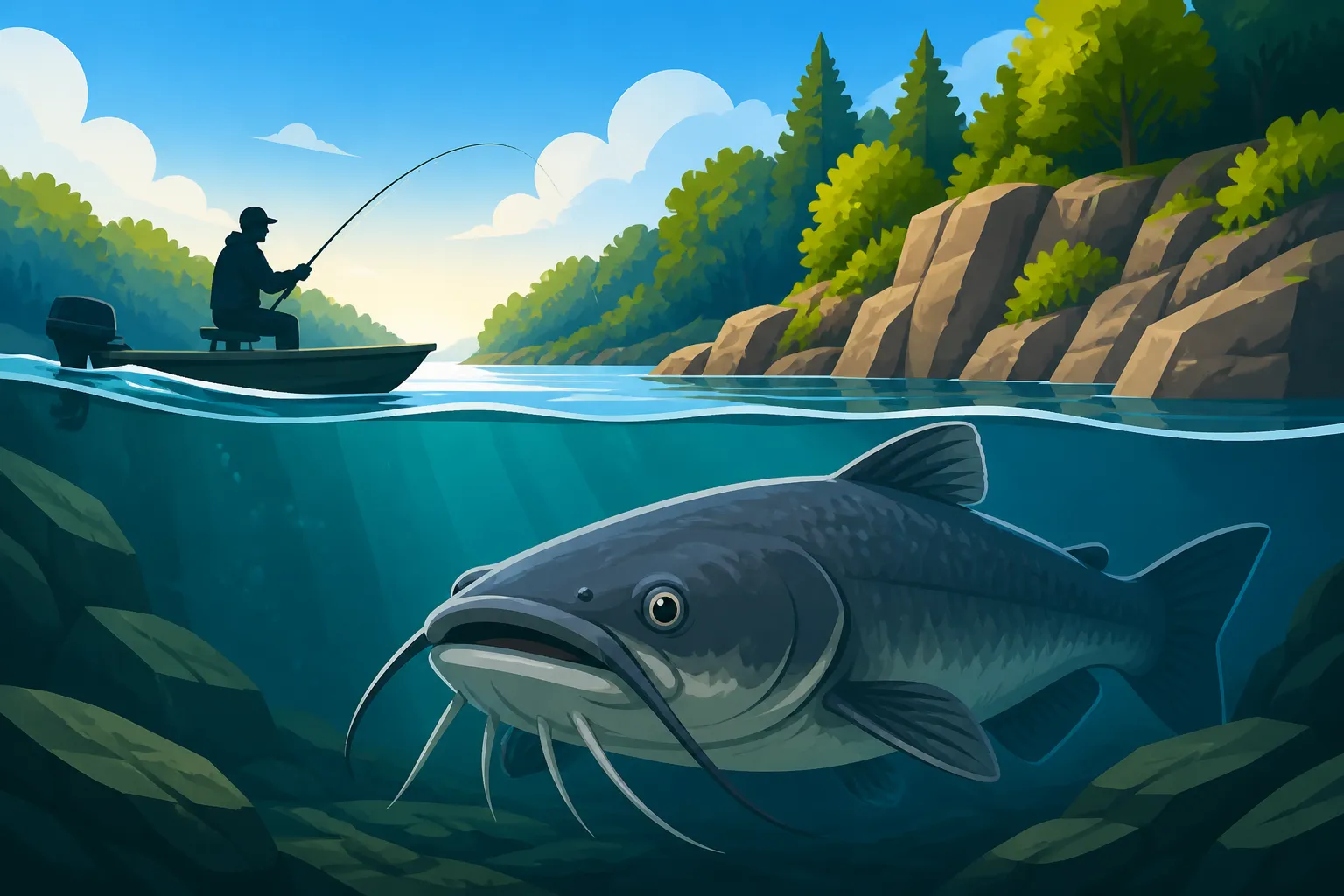
Remote Coves on Skiatook Lake for Catfish
There's nothing quite like the frustration of heading out to your favorite Oklahoma lake, dreaming of a peaceful day of fishing, only to find the main coves and popular spots overrun with boats and noisy recreation. If you're like me, you're craving that quiet solitude, that feeling of having a hidden gem all to yourself, especially when you're targeting those elusive Skiatook Lake catfish. This guide is all about helping you unlock the secrets to finding and successfully fishing the remote, less-pressured coves on Skiatook Lake where the catfish are often more willing to bite, away from the crowds.
Why Remote Coves Are a Catfish Angler's Secret Weapon on Skiatook Lake
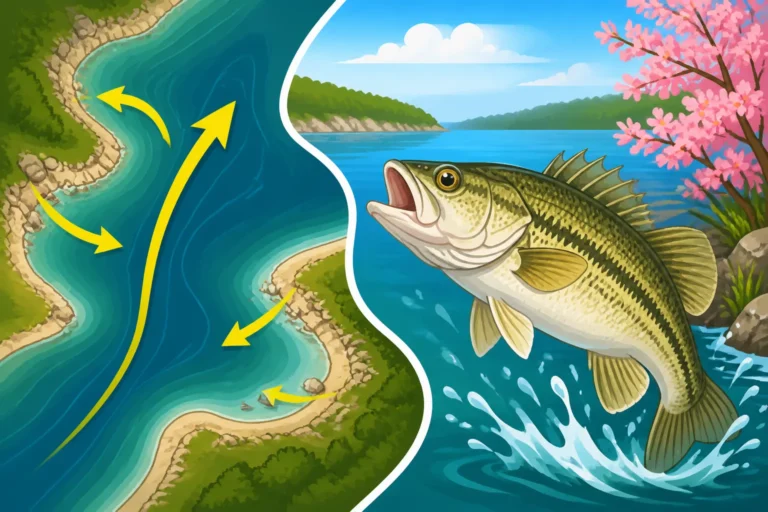
When you think about where catfish hang out, your mind might first jump to the deepest channels or the main lake points. And while those spots certainly hold their share of whiskered beauties, the truly savvy angler knows that the remote coves, often overlooked by the high-speed boaters and casual weekend warriors, can be absolute goldmines. These secluded areas offer everything a catfish could ever want: protection, an abundant food supply, and less disturbance from human activity.
Understanding Catfish Behavior in Secluded Waters
Catfish, whether we're talking about channel cats, blue cats, or even the occasional flathead, are opportunistic feeders and clever predators. They thrive in environments where they feel secure, and remote coves provide that sense of security in spades. Think about it: these areas often have a slower current, making it easier for baitfish to congregate. They're usually rich in submerged timber, rock piles, and other structures that provide excellent cover for both the catfish and their prey.
During the warmer months, especially, when the main lake can get quite busy with jet skis and pleasure boats, catfish will often retreat into these quieter coves. They'll cruise the edges, lurking near drop-offs or beneath overhanging trees, waiting for an easy meal. Even during cooler periods, these coves can offer thermal refuge or access to shallower, warmer water on sunny days. Understanding this natural inclination for seclusion is your first step to consistent success. You're not just finding a spot; you're finding a sanctuary for the fish.
The Allure of Peace and Solitude
Let's be honest, part of the appeal of fishing is the escape, isn't it? The chance to unwind, to listen to the birds rather than booming boat stereos. Remote coves on Skiatook Lake offer that in abundance. Imagine casting your line into glassy water as the sun dips below the horizon, the only sounds being the gentle lapping of waves against your boat and the occasional croak of a bullfrog. This isn't just about catching fish; it's about the experience, the mental reset that comes with truly disconnecting.
While many anglers crowd into the well-known hotspots, you'll be enjoying the tranquility of an untouched corner of the lake. This solitude isn't just good for your soul; it's often better for your fishing. Less boat traffic means less water disturbance, which translates to calmer, less spooky fish. It's a win-win situation, allowing you to focus purely on your technique and the subtle signals that indicate a bite. Sometimes, the best part of the catch is the peace you find while waiting for it.
Identifying Promising Remote Coves for Catfish on Skiatook Lake
So, how do you find these elusive havens? It's not always as simple as glancing at a map. You need to become a bit of a detective, combining topographical knowledge with modern technology to pinpoint those prime catfish hideouts. Skiatook Lake, with its sprawling arms and numerous inlets, offers plenty of opportunities for those willing to do a little homework.
Key Topographical Features to Look For
When scouting for remote catfish coves, you want to train your eye for specific features. These aren't always immediately obvious from the surface, but they're critical to where catfish decide to call home.
- Deep Water Access: Even in a shallow cove, catfish will gravitate towards areas with quick access to deeper water. Look for channels, troughs, or sharp drop-offs at the mouth or along the edges of a cove. These serve as travel corridors and thermal refuges. A feeder creek entering a cove is often a good sign, as it usually carves out a deeper channel and brings in new food sources.
- Submerged Timber and Brush Piles: Catfish absolutely love cover. They'll hide in thick brush, fallen trees, and underwater logs. These structures offer ambush points for prey and protection from predators. If you can find a remote cove with plenty of standing timber or old laydowns, you've likely hit a jackpot.
- Rock Piles and Ledges: Rocky bottoms or submerged rock formations can attract a variety of aquatic life, from crawfish to baitfish, which in turn attract catfish. These harder structures also retain heat, making them appealing in cooler water.
- Gradual Flats Leading to Drop-Offs: Catfish will often move onto shallower flats to feed, especially under low-light conditions or after a good rain washes nutrients into the water. However, they'll want that quick escape route back to deeper water when they feel vulnerable. A cove with a shallow flat gradually sloping into a main channel or creek bed is a prime target.
- Protected from Wind: While wind can sometimes be a good thing for fishing, driving baitfish and oxygen into certain areas, overly exposed coves might not offer the consistent calm that catfish prefer for resting and feeding. Seek out coves that are somewhat sheltered by high banks or dense tree lines.
Using Maps and Sonar to Scout Out Hidden Gems
Gone are the days when you had to physically explore every nook and cranny. Modern technology is your best friend in this scouting mission. Start with high-quality contour maps, whether paper charts or digital versions on your phone or fish finder. Look for those deep channels, submerged creek beds, and abrupt depth changes within or at the mouth of smaller, less accessible coves.
Satellite imagery, easily found online, can also reveal a lot. Zoom in on Skiatook Lake and look for tree lines extending into the water (indicating submerged timber), discolored water from incoming creeks, or even faint outlines of old roadbeds or foundations if the lake was flooded over previous land. These are all potential catfish magnets.
Once you have a few promising spots identified on your map, deploy your boat and use your sonar. Side imaging and down imaging are invaluable tools for revealing what lies beneath the surface. You'll be able to spot those brush piles, rock formations, and even schools of baitfish that might indicate catfish are nearby. Pay close attention to your depth contours. Some dedicated anglers even use services like FishingBooker to connect with local guides who specialize in catfishing on Skiatook Lake. These guides often have years of accumulated knowledge about the lake's hidden structures and secret spots, saving you valuable scouting time. Remember, the goal is to pinpoint areas that offer a combination of cover, depth changes, and a natural food source, all within a less-pressured environment. Don't be afraid to motor slowly, scan thoroughly, and mark promising waypoints.
Best Techniques and Baits for Remote Cove Catfishing
Once you've found your serene remote cove, the next step is to present your bait in a way that's irresistible to Skiatook's catfish. While catfish aren't typically known for being finicky, there are definitely techniques and bait choices that will significantly increase your odds in these specific environments.
Master the Art of Still Fishing and Bottom Rigs
In remote coves, stealth and patience are often rewarded more than aggressive casting. Still fishing is your go-to technique here. The goal is to get your bait down to the bottom, where catfish spend most of their time feeding, and keep it there.
- Slip Sinker Rig: This is perhaps the most popular and effective rig for bottom fishing. You'll thread an egg sinker (or similar slip sinker) onto your main line, followed by a bead (to protect your knot), then tie on a barrel swivel. To the other end of the swivel, attach a fluorocarbon or monofilament leader (12-24 inches) and finally your hook. The slip sinker allows the line to run freely, so a biting catfish feels less resistance, leading to more solid hooksets. This is a classic example of Catfish Bottom Fishing Techniques that really works.
- Carolina Rig (with a twist): While typically used for bass, a modified Carolina rig can work wonders in coves, especially if there's light current or you want your bait to drift slightly. Instead of a bullet weight, use a heavier egg sinker, a bead, and then a swivel. The longer leader allows your bait to float more naturally just off the bottom.
- Importance of Weight: Choose enough weight to hold your bait on the bottom, but not so much that it's difficult for the fish to move. In still coves, a lighter weight might be sufficient, allowing your bait to subtly drift with any faint current, spreading its scent.
- Rod and Reel Setup: For catfishing in these remote spots, a medium-heavy to heavy action rod (7-9 feet) paired with a reliable baitcasting or spinning reel spooled with 20-50 lb monofilament or braided line is ideal. This setup provides the backbone needed to wrestle larger catfish out of submerged cover. Don't forget, having the right gear is crucial, and you can always check out a guide on Best Rods and Reels for Oklahoma Fishing for more specific recommendations.
When you cast, aim for those key features you identified: near submerged timber, along drop-offs, or where a feeder creek enters the cove. Allow your rig to settle, then take up any slack in your line. Watch your rod tip closely for any subtle taps or pulls.
Preferred Baits for Skiatook Lake Catfish
The right bait can make all the difference, and fortunately, catfish aren't too picky. However, certain baits are consistently more effective in Skiatook's waters.
- Cut Bait: This is arguably the king of catfish baits. Fresh cut bait from shad, sunfish, or even carp releases a potent scent trail that catfish can't resist. Shad, especially, are abundant in Skiatook Lake and make fantastic bait. Cut them into chunks about 1-2 inches long for channel cats and blue cats, or use larger fillets for trophy flatheads. Remember, fresh is always best! You can learn more about Best Cut Bait for Catfish Fishing.
- Stink Baits/Punch Baits: Prepared stink baits like those from Sonny's or Sure Shot, often used with a punch bait holder, are incredibly effective, particularly for channel catfish. These baits are designed to disperse a strong scent, drawing in catfish from a distance.
- Live Bait: For larger flatheads and blue catfish, live bait can be deadly. Sunfish, small shad, or even larger minnows hooked through the back or lips are excellent choices. Flatheads, in particular, prefer live prey.
- Worms: Good old nightcrawlers and earthworms work well for channel catfish, especially smaller ones. They're easy to find and use, making them a great option for a relaxing day in a remote cove.
- Chicken Liver: A classic for a reason, chicken liver is readily available, inexpensive, and highly attractive to channel catfish. It's soft, so you'll need to thread it carefully onto your hook or use a bait holder spring.
Always have a variety of baits on hand. What works one day might not work the next, or different species within the same cove might prefer different offerings. This is especially true when considering the differences between species as detailed in Channel Catfish vs Blue Catfish vs Flathead Catfish in Oklahoma. Don't be afraid to experiment!
| Bait Type | Target Species | Pros | Cons |
|---|---|---|---|
| Cut Shad | Blue, Channel, Flathead Catfish | Strong scent, natural food source | Can be messy, needs refrigeration |
| Punch Bait | Channel Catfish | Very strong scent, easy to use | Less effective for large blues/flatheads |
| Live Sunfish | Flathead Catfish, Large Blue Cat | Irresistible to trophy fish | Requires livewell, might not be legal everywhere |
| Chicken Liver | Channel Catfish | Inexpensive, readily available, good scent | Very soft, falls off hook easily |
| Nightcrawlers | Channel Catfish, smaller cats | Easy to find, universally appealing | Less effective for trophy fish |
Remember that local knowledge is power. Guides found on platforms like FishingBooker often have up-to-the-minute information on what baits are performing best on Skiatook Lake. They can share insights on the specific preferences of the catfish in different coves and at various times of the year.
Navigating and Accessing Skiatook Lake's Remote Coves
Reaching these hidden gems on Skiatook Lake requires a bit more thought than simply launching at the nearest ramp and pointing towards the main lake. Many remote coves, by their very nature, are harder to get to, which is part of their appeal. You'll need to consider your vessel and, importantly, always respect the boundaries of private land.
Boat Considerations for Skinny Waters
While a big bass boat or pontoon might be perfect for the main lake, they can be a hindrance when trying to access those secluded, shallower coves.
- Kayaks and Canoes: These are arguably the ultimate tools for remote cove catfishing. Their shallow draft allows you to paddle into extremely skinny water where larger boats can't go. They're quiet, reducing disturbance to the fish, and offer a fantastic, intimate connection with nature. You can easily paddle up a creek arm that leads into a hidden cove.
- Jon Boats and Smaller Utility Boats: A smaller aluminum jon boat, especially one equipped with a reliable trolling motor, is an excellent choice. It's stable enough to fish from, can handle a bit more gear, and with a shallow draft, it can navigate through areas that would ground a bigger fiberglass boat. A good trolling motor is key for silently maneuvering into position without spooking fish.
- Outboard Motor Considerations: If you're using a boat with an outboard, consider one with a jet drive if you frequently navigate very shallow rivers or mud flats that feed into coves. Otherwise, be extremely vigilant about depth. Trimming your motor up and moving slowly is crucial to avoid damaging your prop or lower unit on submerged obstacles.
- Trailer and Launching: Keep in mind that some of the best remote coves might be quite a distance from the main boat ramps. Plan your journey carefully. For guidance on launching, you might find tips in Best Boat Ramps on Skiatook Lake, Oklahoma helpful.
Always prioritize safety. Even in calm coves, tell someone your float plan, wear your life jacket, and have essential safety gear on board. Remember, you're going where fewer people go, so self-reliance is key.
Respecting Private Property and Wildlife
Navigating into remote coves often brings you closer to the shoreline, which may be privately owned. It's crucial to understand and respect property lines.
- Public vs. Private Land: On Skiatook Lake, the shoreline surrounding many coves is managed by the Army Corps of Engineers and is generally considered public land up to a certain elevation. However, some areas are privately owned. Always look for "No Trespassing" signs or fenced-off areas. If in doubt, err on the side of caution and avoid landing or fishing directly adjacent to private docks or residential properties without explicit permission.
- Stay in the Water: Generally, you are safe as long as you remain in your boat and within the public waterways. The issue arises when you try to disembark or fish from the bank on private land. Stick to fishing from your boat, or only disembark on clearly marked public access points, such as parks or Corps-managed areas.
- Minimize Your Impact: Part of enjoying remote areas is preserving them. Pack out everything you pack in. Avoid leaving trash, fishing line, or bait containers. This ensures these beautiful, secluded spots remain pristine for wildlife and future anglers.
- Wildlife Observation: Remote coves are often sanctuaries for local wildlife, from nesting birds to deer and turtles. Enjoy these encounters from a respectful distance. Avoid disturbing nests or sensitive areas. A true outdoors person appreciates the entire ecosystem, not just the fish.
By being a responsible angler, you not only protect these precious spots but also ensure continued access for everyone who appreciates the quiet beauty of Skiatook Lake.
Seasonal Strategies for Remote Cove Catfishing
Catfish behavior, like that of most fish, changes with the seasons. What works in spring might not be as effective in the heat of summer or the chill of fall. Understanding these seasonal shifts is vital for consistently finding and catching catfish in Skiatook Lake's remote coves. You can always get more generalized information on Catfish Fishing Techniques for Oklahoma Anglers, but here, we'll focus on coves specifically.
Spring Spawning and Post-Spawn Patterns
Spring is a fantastic time to target catfish in remote coves, especially for channel and blue cats, as they move in for spawning.
- Pre-Spawn (Late March – April): As water temperatures climb into the 60s Fahrenheit, catfish become highly active and aggressive, feeding heavily to build energy for the spawn. They'll often stage in the mouths of remote coves, especially those with incoming creeks or protected, somewhat shallower areas. Look for transition zones where deeper water meets shallower flats. This is a prime time for using cut bait or large worms.
- Spawning (May – Early June): When water temperatures hit the mid-70s, catfish begin to spawn. Channel cats and blue cats seek out dark, secluded spots like hollow logs, undercut banks, rock crevices, or dense brush piles within the coves to lay their eggs. During this period, males guard the nests fiercely. Targeting these areas with live or cut bait presented right on the bottom can be incredibly effective, but remember to consider the health of the fishery and practice catch-and-release for spawning fish if you plan on targeting them.
- Post-Spawn (Late June – July): After the spawn, catfish can be a bit lethargic for a short period, recovering their energy. However, they soon resume feeding, often retreating to slightly deeper, cooler sections of the coves during the day and moving to shallower flats to feed at night. Target areas with access to both deep water and abundant cover.
During the spring, pay close attention to water clarity and incoming water from rain. Fresh, slightly stained water flowing into a cove can be a huge attractant for catfish, bringing in new food and cover.
Summer and Fall Cove Habits
As the seasons progress, so do the habits of Skiatook Lake's catfish. Adjusting your approach based on these changes will keep you on the fish.
- Summer (July – August): This is when Skiatook Lake gets its busiest, and remote coves become even more crucial for serious catfish anglers. During the day, catfish will often seek refuge in the deepest, coolest parts of the coves, especially near submerged timber or rock piles that offer shade and structure. This is when How to Catch Blue Catfish in Deep Water really comes into play. Night fishing in remote coves during summer can be phenomenal, as catfish move into shallower areas to feed under the cover of darkness. Use strong-scented baits like cut shad or punch bait.
- Fall (September – November): As water temperatures begin to drop, catfish will often go on another feeding spree, fattening up for winter. They can be found moving between the shallower parts of the coves and the deeper main lake channels. Look for them concentrated in areas where baitfish are abundant, often relating to submerged structures or points at the mouth of the cove. This is a great time to experiment with both cut bait and live bait. The fish are often more aggressive and willing to chase a meal.
- Winter (December – February): While Skiatook Lake doesn't freeze over, catfishing can slow down significantly. However, fish can still be caught. In winter, catfish will typically congregate in large schools in the deepest parts of the main lake or the very deepest holes within larger coves, often near creek channels. While less active, they will still feed, albeit more slowly. Use smaller pieces of cut bait or prepared baits, and be incredibly patient. Your focus should shift from wide-ranging exploration to pinpointing these deep wintering holes.
By adapting your approach to the seasonal patterns, you can enjoy productive catfishing in Skiatook Lake's remote coves almost year-round. It's all about understanding what the fish need and where they'll find it during any given time of year.
Disclaimer
Fishing regulations, license requirements, and local conditions can change. Always check the latest Oklahoma Department of Wildlife Conservation (ODWC) regulations before heading out. This guide is for informational purposes only and does not constitute legal advice.